Lumetra
As global demand for high-speed data transmission continues to rise, the 100G optical transceiver market is experiencing transformative shifts. Industry expert Dr. Emily Zhao, a leading figure in photonics, emphasizes that "the evolution of 100G optical transceivers is pivotal for future connectivity." Her insights reflect a growing recognition of the transceivers' role in supporting next-generation networks.
The 2026 trends in the 100G optical transceiver sector reveal significant advancements, particularly in miniaturization and energy efficiency. Many manufacturers are pivoting towards integrated designs. This shift enhances performance while ensuring lower operational costs. However, challenges remain regarding compatibility with existing infrastructure. Industry players must navigate these complexities carefully.
Moreover, global buyers are increasingly seeking reliable suppliers to ensure consistent quality and support. Trust is paramount. As the landscape evolves, staying informed about technological innovations becomes essential for making wise investment decisions in the 100G optical transceiver space. Addressing market volatility will also be critical.
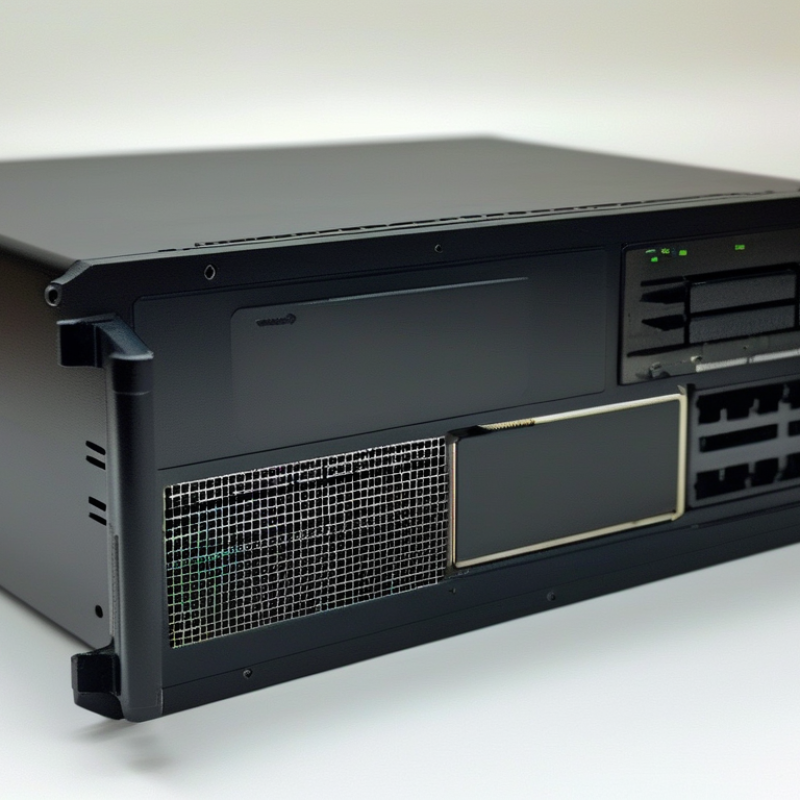
The 100G optical transceiver market is evolving rapidly as demand for high-speed data transmission increases. Key drivers include rising internet traffic, the growth of cloud services, and advancements in data center technologies. With these changes, manufacturers are enhancing their products to support more extensive bandwidth and faster speeds.
Buyers should consider a few critical points. Look for transceivers that comply with industry standards. Reliability is crucial, particularly in high-demand environments. Additionally, assess the total cost of ownership. This includes not just the purchase price but also installation, maintenance, and potential upgrades. Choosing a transceiver that fits seamlessly into your existing infrastructure can save time and resources.
Tips for buyers: Ensure you understand your specific network needs before making a purchase. Evaluate the compatibility of transceivers with existing equipment. Lastly, don't hesitate to seek expert opinions. Engaging with knowledgeable professionals can clarify complex specifications and performance metrics. Making informed choices is essential in a rapidly changing tech landscape.
The 100G optical transceiver market is undergoing rapid evolution. Recent reports indicate a projected growth rate of over 20% annually through 2026. This surge is driven by the increasing demand for high-speed data transmission in data centers and telecom networks. As businesses transition to more data-intensive applications, the reliance on faster, efficient optical transceivers becomes critical.
Key trends are spotlighting innovation in 100G technology. First, the integration of advanced modulation formats enhances data rates while minimizing power consumption. Technologies like PAM4 modulation are transforming the efficiency of optical links. Reports suggest that using PAM4 can double bandwidth without a proportional increase in power usage. Furthermore, the shift towards pluggable transceivers is evident. These modules simplify upgrades and maintenance, providing flexibility for network operators.
However, challenges remain. The market must address issues such as thermal management and reliability. High-performance transceivers often face overheating when under heavy loads. Failing to manage this can lead to reduced lifespan and performance inconsistencies. Continuous research in material science and design improvements is essential. The focus remains on achieving high reliability while meeting increasing bandwidth demands. The market must evolve, but the potential to meet these challenges remains high.
The global market for 100G optical transceivers is evolving rapidly. Buyers are experiencing notable challenges in sourcing these essential components. Supply chain disruptions are a major concern. As demand increases, manufacturers often struggle to keep up. This imbalance can lead to longer lead times and inflated prices.
Quality assurance and compatibility present further hurdles. Not all transceivers meet the same technical standards. Buyers need to ensure that products are reliable and compatible with existing systems. Lack of uniformity can result in increased costs and operational inefficiencies. For buyers, understanding the technical specifications is crucial. Missteps here can have significant long-term repercussions.
Moreover, market volatility affects pricing strategies. Fluctuations in raw material costs can lead to unpredictable pricing for transceivers. Buyers often find it hard to budget effectively. Gaining insights into market trends requires extensive research. This constant need for information can be overwhelming. A proactive approach is necessary to mitigate risks. Ultimately, navigating these challenges calls for adaptability and strategic foresight.
In modern networking, 100G optical transceivers play a crucial role in enhancing data transmission speeds. According to a recent industry report, the global demand for 100G optical transceivers is expected to reach $6 billion by 2026. These components facilitate faster connections, catering to the rising needs of cloud computing, data centers, and high-performance networking.
The integration of 100G optical transceivers allows for efficient long-distance communication. Their capability to transmit large volumes of data over considerable distances with minimal loss is vital for organizations aiming for scalability. However, companies must be aware of potential integration challenges. Ensuring compatibility with existing infrastructure can be complex, and miscalculations may lead to increased costs.
Tip: When selecting optical transceivers, always consider future scalability. Choose options that can accommodate potential upgrades without major overhauls.
Moreover, investing in proper training for IT staff on 100G technology is essential. A lack of expertise may hinder a firm's ability to fully leverage these advancements. This investment in personnel can ensure smoother transitions and optimal performance.
Tip: Regularly review performance metrics. This helps in identifying issues early and refining deployment strategies.
As the demand for high-speed data transmission grows, the evolution of 100G optical transceivers is increasingly influenced by emerging standards. The development of technologies like PAM4 signaling and advanced modulation formats is reshaping the landscape of optical communication. These changes promise greater bandwidth and efficiency, which are critical for handling the surge in data traffic.
However, with evolving standards come challenges in interoperability and implementation. Manufacturers must adapt to various specifications, which can lead to inconsistencies in performance. This operational complexity requires buyers to stay informed and flexible in their procurement strategies. Investing in robust testing and compliance mechanisms becomes essential to ensure system reliability.
Moreover, factors such as environmental sustainability and energy efficiency are gaining importance. New regulations are pushing for greener technologies, prompting innovation in transceiver design. Buyers should be aware of these trends, as they not only impact product selection but also the long-term viability of their network infrastructure. The future demand will likely emphasize not just speed but also the ecological footprint of these technologies.
: The main drivers are increased internet traffic, cloud service growth, and advancements in data center tech.
Focus on industry standards, reliability, and the total cost of ownership including installation and maintenance.
Ensuring compatibility prevents costly integration issues and saves time during deployment.
They enhance data transmission speeds, crucial for cloud computing and high-performance networks.
Select options that support upgrades without major infrastructure changes.
Proper training maximizes performance and ensures smooth transitions within the organization.
Analyze performance metrics to identify problems early and refine strategies accordingly.
Compatibility with existing infrastructure can be complex and miscalculations might lead to extra costs.
The 2026 landscape for 100G optical transceivers reflects significant market dynamics shaped by technological advancements and evolving networking needs. Key trends driving innovation in this sector include enhanced bandwidth capabilities, energy efficiency, and integration with emerging technologies like AI and cloud computing. However, global buyers face challenges in sourcing reliable 100G optical transceivers, including supply chain constraints and rapidly changing standards.
As 100G optical transceivers play a crucial role in modern networking solutions, their importance will only grow, necessitating adaptability and strategic planning from buyers. The future outlook for this technology is influenced by evolving standards that will likely impact performance and compatibility, underscoring the need for continual assessment and alignment with industry trends.
