Lumetra
Lumetra
Lumetra
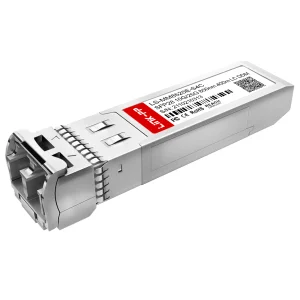
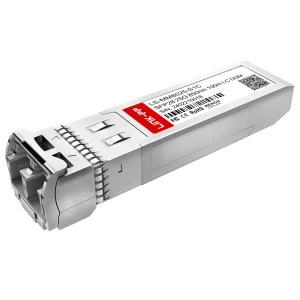
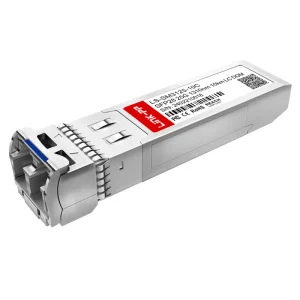
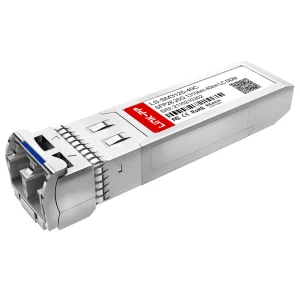
As the digital economy scales, network architectures face extreme requirements for throughput, latency, and power efficiency. The transition from legacy 10G topologies to high-speed frameworks has accelerated, positioning the 25G/32G SFP28 form factor as the primary workhorse for enterprise networks, hyperscale data hubs, and mobile telecommunications. Operating on a single-channel lane architecture, SFP28 technology represents a highly cost-efficient evolutionary step. By utilizing existing fiber plant topologies, operators can achieve 2.5 times the bandwidth of standard 10G SFP+ interfaces without necessitating a complete rip-and-replace of their cabling infrastructure.
Architectural Efficiency & System Economics:
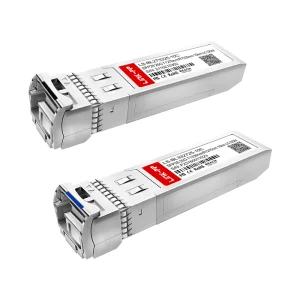
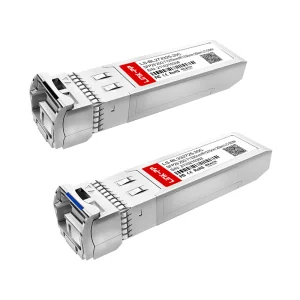
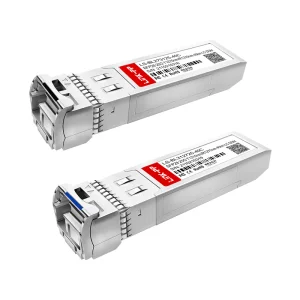
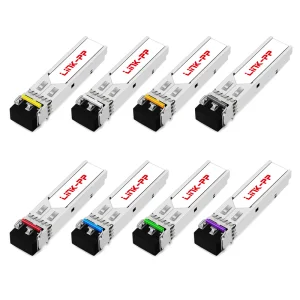
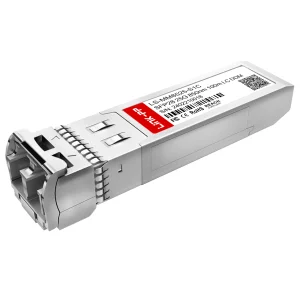
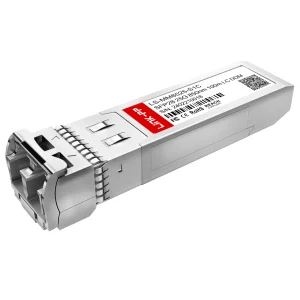
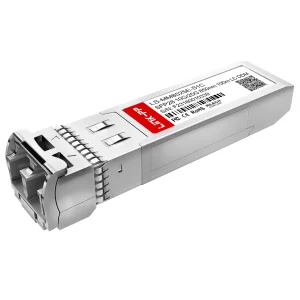
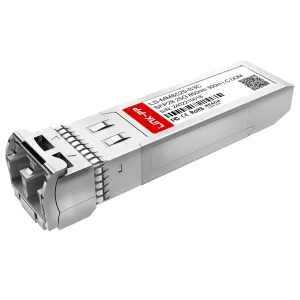
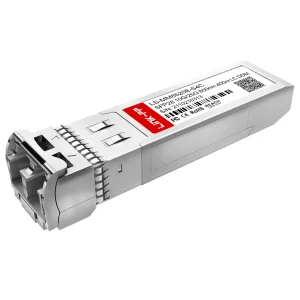
The SFP28 interface maintains the mechanical footprint of the widely deployed SFP+ package while increasing signaling speeds from 10 Gbps up to 25 Gbps (and up to 28 Gbps for OTU4 and 32 Gbps for high-speed storage Fibre Channel applications). This mechanical consistency allows network operators to maximize structural density, optimize cooling configurations, and maintain thermal dissipation levels within the limits of traditional rack units.
Enables transition from 10G server access links to 25G Top-of-Rack (ToR) switch uplinks, facilitating structured migration pathways toward 100G (4x25G) and 400G spine networks with minimal capital expenditure.
Delivers the necessary throughput to satisfy eCPRI (enhanced Common Public Radio Interface) requirements. Provides extreme resistance to environmental variations across base stations (cell sites) using industrial temperature designs.
Implements 32G Fibre Channel protocols (FC-PI-6) to support high-throughput, low-latency communication between core enterprise servers and flash-optimized solid-state storage arrays.
Lumetra Optoelectronics Technologies Co., Ltd. is a recognized market leader in high-performance optoelectronic transceiver engineering. Our infrastructure supports complex global supply chain deployments, delivering reliable physical-layer network components to hyperscale and telecommunication partners worldwide.
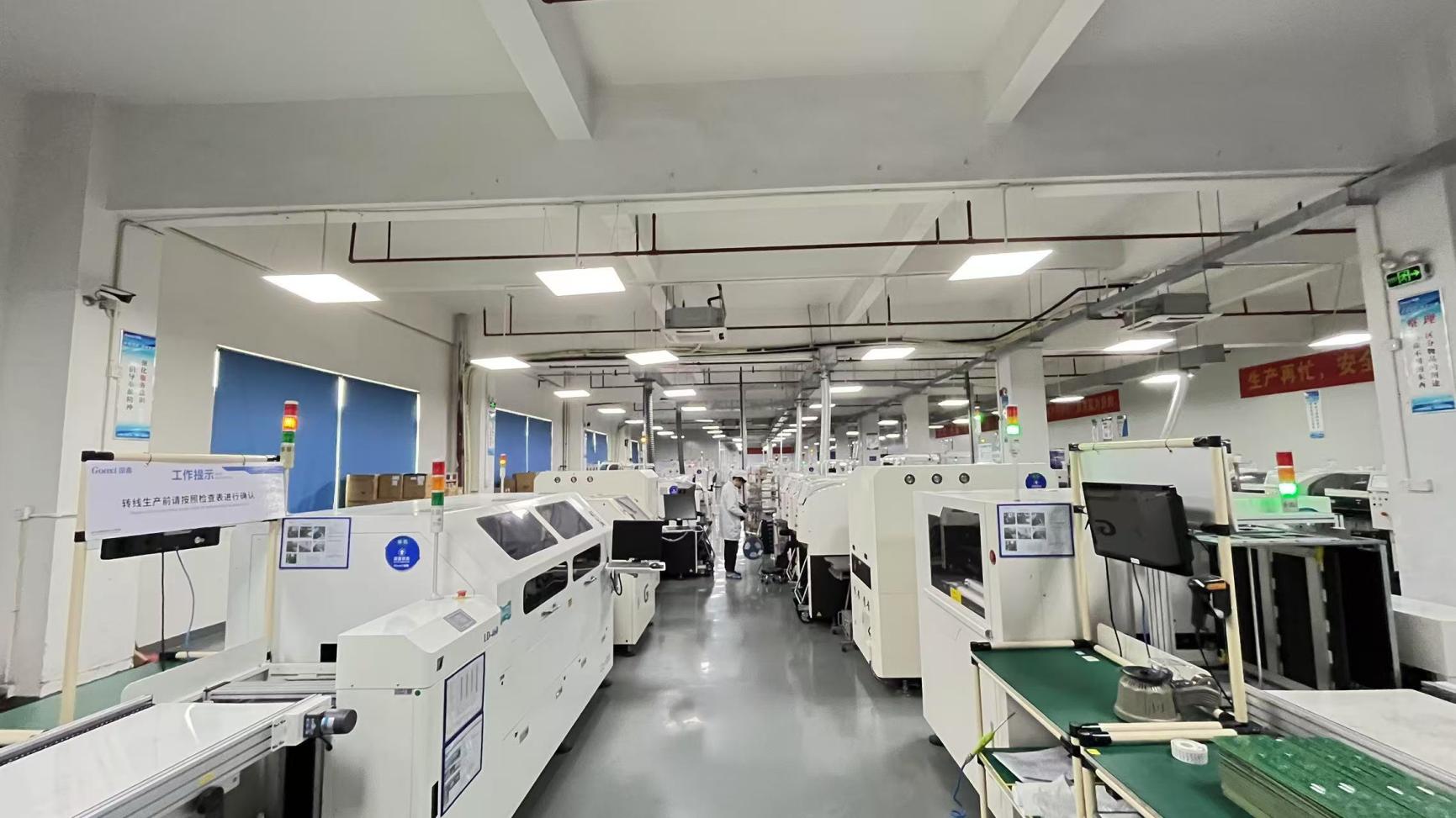
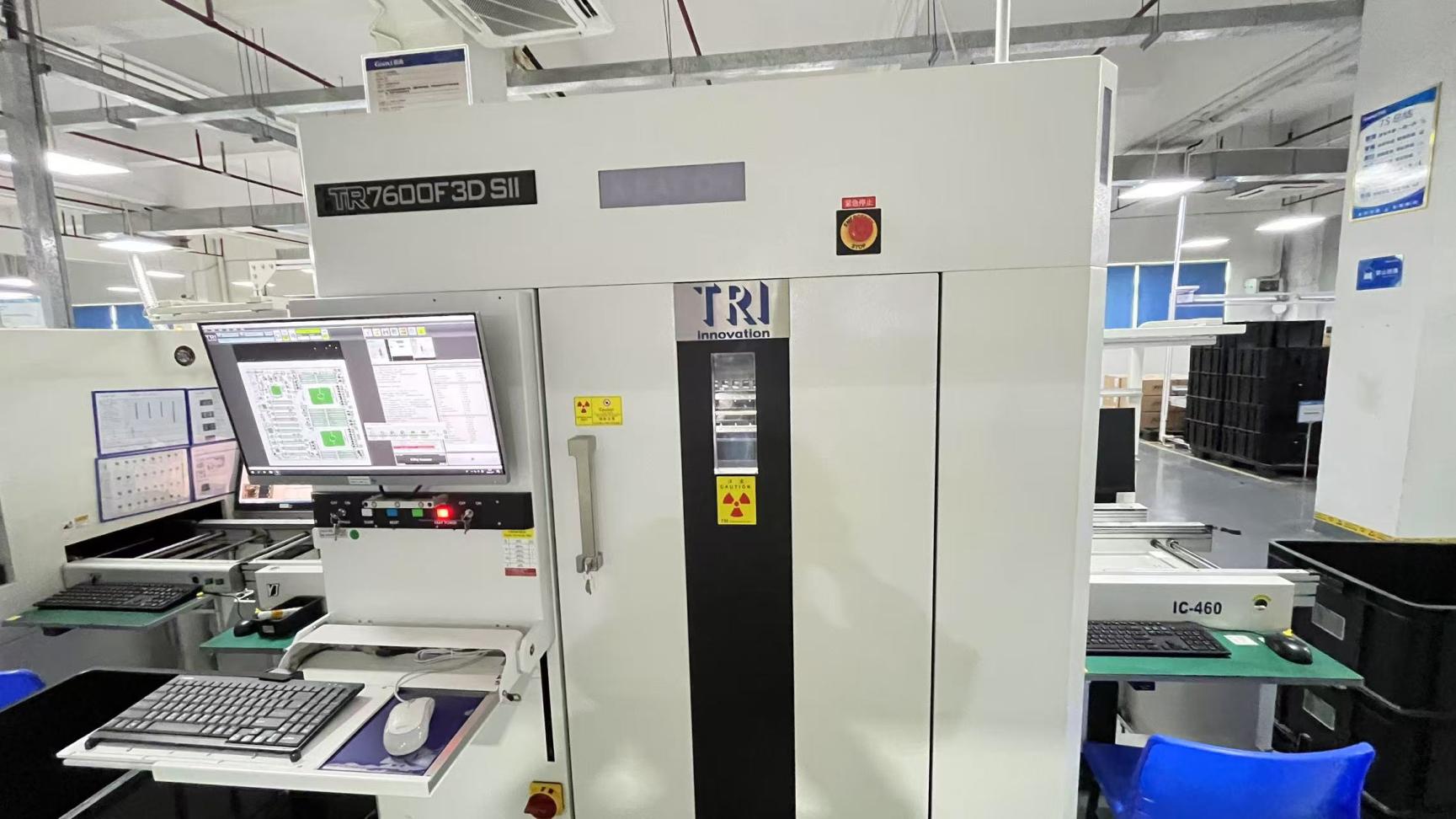
Founded in 2016, our facility incorporates advanced automated assembly, optical calibration, and spectral testing equipment. Leveraging 11 years of deep industrial experience, we maintain an active supplier network consisting of more than 1,200 supply chain partners, securing key raw components like premium lasers and photodiode dies. With 48 dedicated quality control inspectors monitoring our lines, we maintain stable production outputs that fuel an annual export volume exceeding USD 18 million. Lumetra’s capabilities span customized OEM/ODM builds, multi-platform compatibility firmware development, and specialty physical packaging, ensuring our solutions align with the rigorous requirements of global telecom and cloud operators.
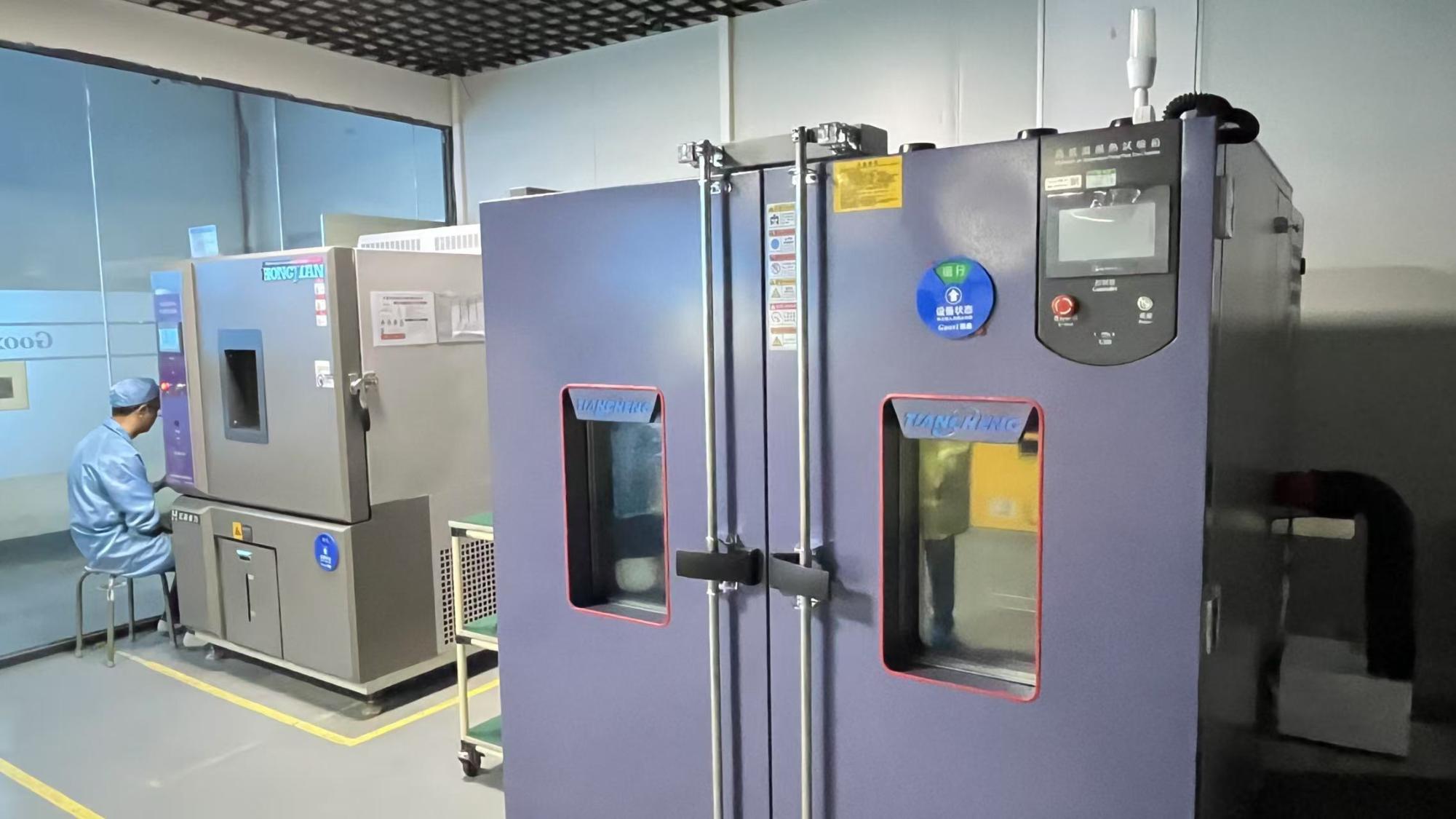
To guarantee compatibility with dominant enterprise architectures, Lumetra subjects every SFP28 module to a multi-stage validation test cycle. Our laboratories house a variety of modern host platforms, including Cisco Catalyst/Nexus, Juniper EX/QFX, Arista 7000 Series, and Dell PowerEdge systems. Each transceiver is programmed with system-specific EEPROM coding to emulate native OEM components, bypassing proprietary system lockouts while maintaining original diagnostic interfaces.
All designs comply with multi-source agreements (MSAs) including SFF-8431, SFF-8432, and SFF-8472. This compliance ensures precise Digital Diagnostics Monitoring (DDM/DOM) reports, giving IT administrators real-time insights into optical transmission power, receiver sensitivity, operating temperature, laser bias current, and transceiver power supply voltage.
By adhering to strict IEEE 802.3by and GR-468-CORE testing methodologies, we guarantee a Mean Time Between Failures (MTBF) exceeding 1,000,000 hours, keeping your network connection highly reliable.
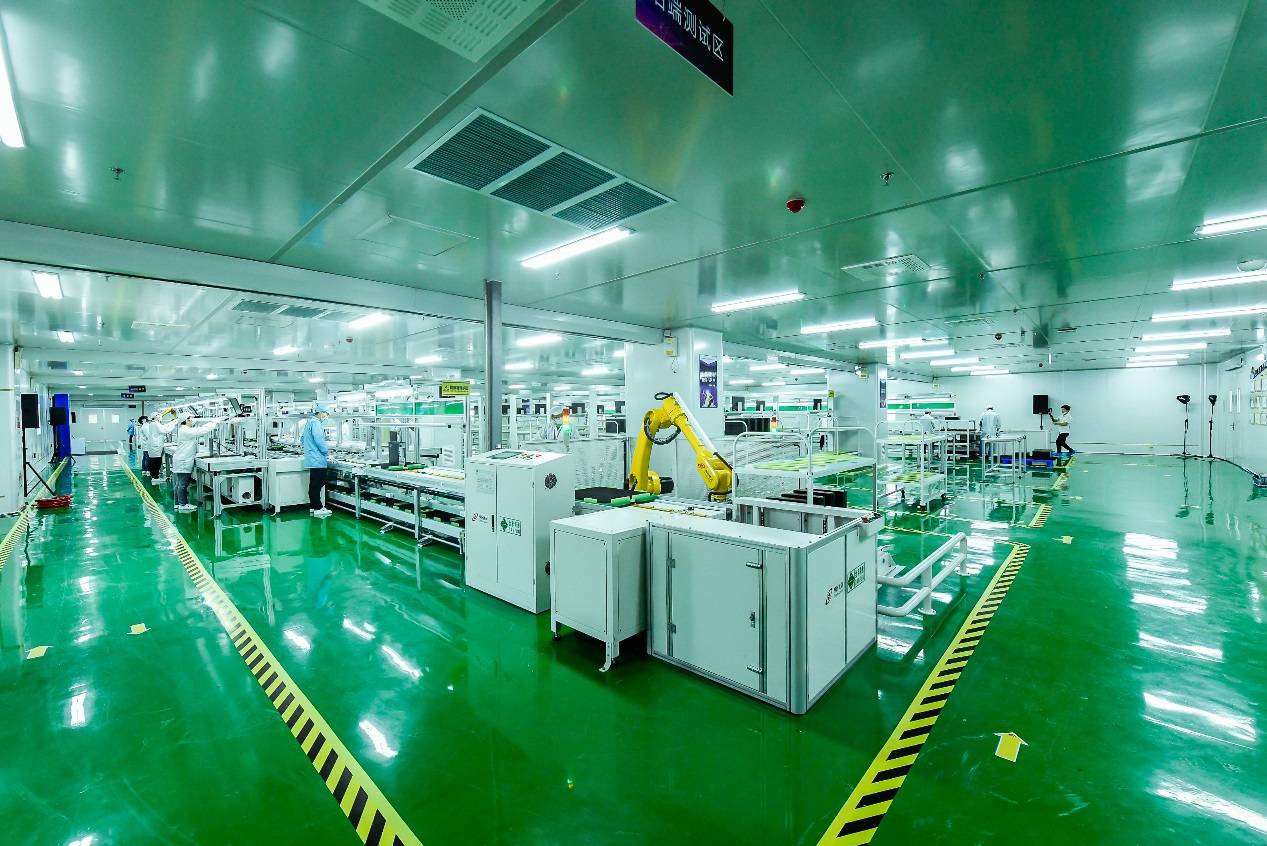
Our ISO 9001:2015-certified fabrication and packaging suites maintain stringent environmental controls. Utilizing automated active alignment systems and optical spectrum analyzers, our engineering teams build consistent SFP28 products designed for reliability under extreme operational stress.
The future of high-speed networking lies in increasing port density while keeping power consumption low. Modern data interfaces are moving towards Silicon Photonics and advanced Co-Packaged Optics (CPO). While 25G and 32G SFP28 modules utilize traditional discrete optoelectronic architectures—using separate laser diodes (VCSEL for short-reach, DFB or EML for long-reach) coupled with electronic chipsets (CDR, TIA)—future high-speed systems integrate optical modulators directly onto silicon substrates.
PAM4 Signaling & The Evolution toward SFP56/SFP-DD:
While 25G Ethernet relies on NRZ (Non-Return-to-Zero) modulation, next-generation architectures at 50G per lane use PAM4 (Pulse Amplitude Modulation 4-level) schemes. Lumetra's R&D division is bridging this transition by optimizing our SFP28 product line to operate alongside newer PAM4 hosts. This allows backward compatibility with legacy NRZ equipment, helping operators scale bandwidth as demands grow.
Furthermore, our engineering roadmap includes developing ultra-low power consumption profiles (<1.0W per SFP28 module), which significantly reduces thermal loads in dense 48-port or 64-port switch configurations.