Lumetra Lumetra

Industrial 1x9 Optical Transceivers: Evolution, Global Procurement & Technical Architecture

Empowering mission-critical telecommunications, legacy network transitions, and rugged industrial Ethernet networks with high-reliability optical interfaces designed for uninterrupted operation.

High-Performance 1x9 Optical Transceiver Portfolios (Part I)

Examine our standard inventory of 1x9 form factor modules spanning Fast Ethernet, Gigabit Ethernet, and specialized industrial BiDi solutions.

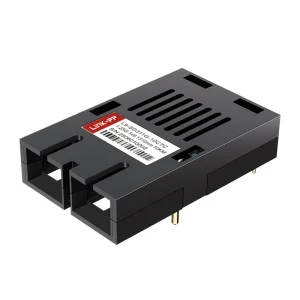
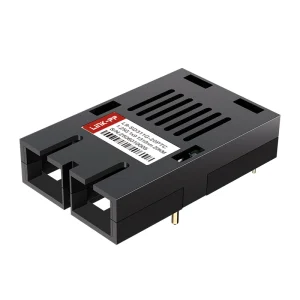
Single Mode 1.25G 1310nm Duplex SC 10km SMF 1x9 Optical Transceiver Module
View Technical Specifications
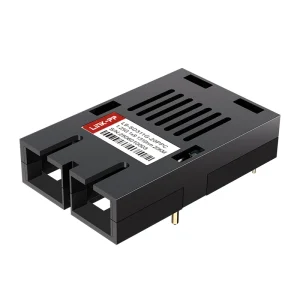
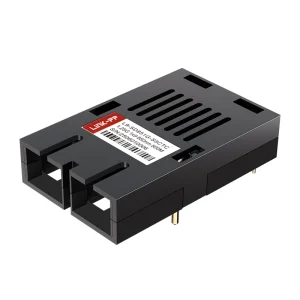
Single Mode 1.25G 1310nm Dual SC 20km SMF 1x9 Optical Transceiver Module
View Technical Specifications
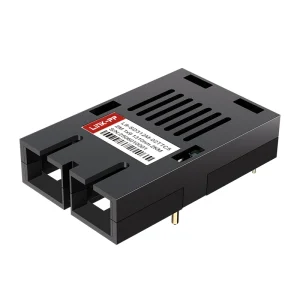
Single Mode 1.25G 1310nm Duplex SC 20km SMF 1x9 Optical Transceiver
View Technical Specifications
Single Mode 1.25G 1310nm Duplex SC 20km SMF 1x9 Optical Module
View Technical Specifications
Multimode 1.25G 850nm Duplex SC 500m MMF 1x9 Optical Transceiver Module
View Technical Specifications
Multimode 1.25G 1310nm Duplex SC 2km MMF 1x9 Optical Transceiver Module
View Technical Specifications
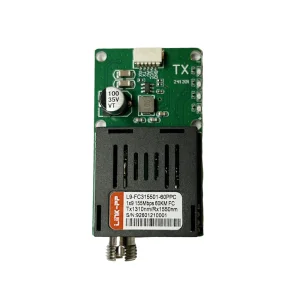
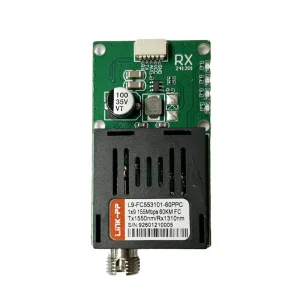
Single Mode 155M BiDi 1310nm-Tx/1550nm-Rx FC SMF 60km Air/Ground TTL 1x9 Optical Transceiver
View Technical Specifications
Single Mode 155M BiDi 1550nm-Tx/1310nm-Rx FC SMF 60km Air/Ground TTL 1x9 Optical Transceiver Module
View Technical Specifications

Understanding the Structural Longevity of 1x9 Transceivers

In an era dominated by hot-pluggable modules like SFP, SFP28, and QSFP, the 1x9 transceiver form factor continues to stand as an indispensable standard in specialized and heavy-duty networking environments. The design's primary competitive advantage lies in its physical integration: unlike pluggable modules, 1x9 transceivers are soldered directly to the host printed circuit board (PCB). This pin-through-hole mount configuration eliminates connection failures resulting from physical vibration, intense thermal cycling, or corrosive environments.

This long-term mechanical stability makes 1x9 optical interfaces the primary choice for critical network topologies including industrial Ethernet switches, railway transit signaling controllers, utility substation automation (specifically IEC 61850 environments), and military aviation telemetry. Backed by PECL (Pseudo Emitter Coupled Logic) or TTL signal structures, these interfaces provide deterministic data transmission with zero insertion-loss variance over decades of field operation.

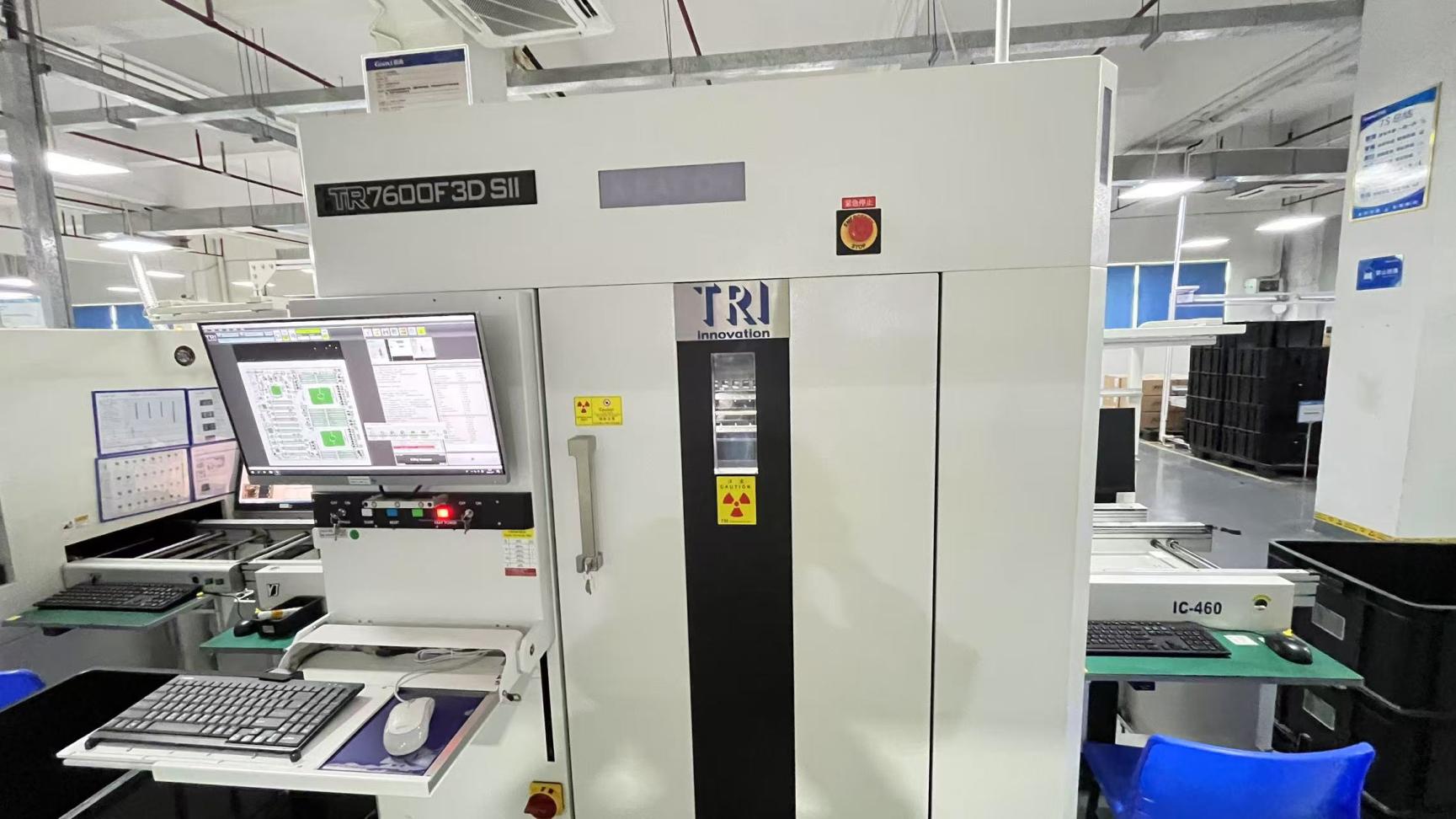
1x9 Optical Transceiver SMT PCB Soldering Process

Global Procurement Dynamics & Supply Chain Challenges

A high-level market breakdown of how purchasing managers source, validate, and maintain 1x9 component supply chains.

Mitigating Obsolescence Risk
Many original tier-1 optical component manufacturers have deprecated 1x9 product lines. We offer long-term availability guarantees, maintaining pin-compatible and wavelength-matched replacements for legacy networks.
Industrial Temperature Grades
Commercial networking components function between 0°C and 70°C. Heavy industrial and telecom hardware requires hardened transceivers rated for -40°C to +85°C to avoid packet loss.
Custom Wave & Pin Out Adaptability
Optical networks rely on specialized wavelengths. We provide single-mode and multi-mode systems with customized SC, FC, or ST connectors, supporting distances up to 80km over simplex single-fiber systems.

Procurement Directive: When sourcing 1x9 transceivers, standard optical testing is insufficient. System integrators should verify physical soldering thermal endurance, transmitter optical eye diagram stability under high vibration, and receiver sensitivity over extended distances.

Lumetra Optoelectronics: E-E-A-T Certified Production Hub

How we leverage over a decade of optoelectronics manufacturing capability to guarantee industrial-grade quality and delivery performance.

Fully Certified 8,500㎡ Advanced Facility

Lumetra Optoelectronics Technologies Co., Ltd., established in 2016, specializes in high-speed optical transceivers and fiber optic communication systems designed for datacom, telecom, and cloud infrastructure applications. Drawing on 11 years of industry experience and 7 years of export history, we produce network components that meet rigorous global standards.

Our 8,500㎡ manufacturing floor hosts cleanrooms, automated optoelectronic assembly setups, and high-volume SMT production lines. Our operations support stable, scalable delivery, yielding an annual export revenue of approximately USD 18 million across North America, Europe, Southeast Asia, and the Middle East.

  • Over 1,200 verified supply chain partners for consistent raw material sourcing.
  • A dedicated engineering team of 86 R&D professionals specializing in high-speed signal integrity and optical path optimization.
  • A quality control group of 48 certified inspectors running strict QA processes.
  • 220 new product designs released in the past year, reflecting continuous technical development.
Lumetra Optoelectronics Cleanroom Assembly Line

Macro Industry Solutions: Where 1x9 Modules Keep Worlds Connected

Understanding the engineering applications of 1x9 transceivers across critical infrastructure sectors.

Industrial Substation Automation
In high-voltage electrical environments, electromagnetic interference (EMI) makes traditional copper Ethernet links unusable. Our 1.25G and 155M 1x9 fiber optic transceivers provide complete dielectric isolation, ensuring safe data transmission across power grids.
Railway and Traffic Control Systems
Modern metro systems and high-speed rail lines use 1x9 modules for trackside signaling networks. The soldered pins resist the mechanical shock and continuous vibration generated by passing trains.
Legacy Telecom Infrastructure
Many metropolitan area network (MAN) routers, SDH/SONET access terminals, and old telecommunication nodes rely on 1x9 transceivers. We supply compatible optical modules, extending the operational lifespan of these systems without requiring costly complete hardware updates.

Strict Quality Control & Regulatory Compliance

How Lumetra balances performance and longevity using structured testing guidelines.

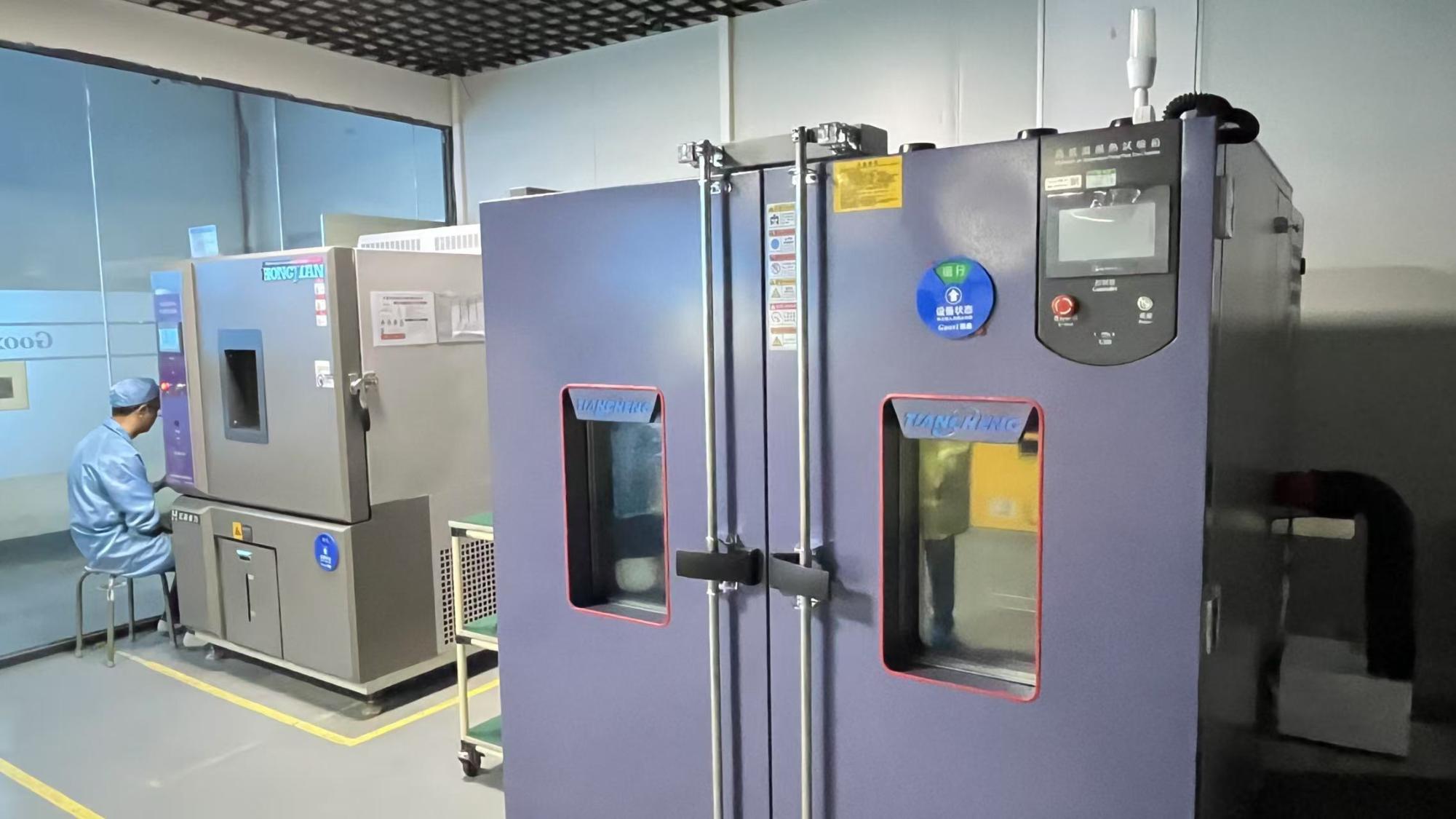
Lumetra Quality Inspection Laboratory

Testing for Long-Term Reliability

A network interface is only as strong as its weakest component. To ensure dependable performance in demanding deployments, Lumetra runs a strict testing process overseen by our 48-member quality control team:

  • Automated Optical Parameter Validation: Verification of average output power, extinction ratios, and center wavelengths using high-performance optical spectrum analyzers.
  • Environmental Stress Screening (ESS): Thermal cycling testing from -40°C to +85°C, ensuring frequency stability and mechanical integrity in extreme climates.
  • Jitter and Eye Diagram Analysis: Measurement of signal rise and fall times to ensure low Bit Error Rates (BER) over long-distance links.
  • 100% Interoperability Testing: Validating transceiver performance with original host devices to confirm physical and electronic compatibility.

Technological Roadmap & Future Outlook

How 1x9 optical transceiver technology is evolving to meet modern security, efficiency, and speed standards.

Phase 1: BiDi Bandwidth Optimization
Simplex Bidirectional Technology
Transitioning dual-fiber SC networks to single-fiber Bidirectional (BiDi) systems. By utilizing TX 1310nm/RX 1550nm and TX 1490nm/RX 1550nm pairings, operators can double their optical fiber capacity using existing lines.
Phase 2: Speed Scaling & Industrial Design
2.5G & 10G Industrial Fixed-Pin Form Factors
Developing custom high-speed 1x9 modules to support high-bandwidth applications, such as machine vision and long-distance sensor arrays, while maintaining the physical durability of soldered pins.
Phase 3: Sustainability & Greener Operations
RoHS & Clean Manufacturing Compliance
Deploying lead-free wave-soldering processes to align with global environmental mandates (such as RoHS and WEEE) without compromising mechanical joint reliability.

A Reliable Partner for System Integrators

Lumetra focuses on supporting global distributors, system integrators, and telecom providers. With 86 R&D engineers, we provide tailored customization services, including protocol tuning, specific wavelength configurations, and alternative mechanical setups.

Our facility holds ISO9001 certifications, ensuring our processes deliver consistent quality from raw optical sub-assembly (OSA) design to final product testing. This helps clients maintain stable performance across their communication networks.

Lumetra Assembly Line and Testing Infrastructure

Technical Q&A and FAQ

Detailed technical answers to common questions about industrial 1x9 transceiver design, applications, and integration.

Why are 1x9 transceivers used instead of SFP modules in heavy industrial networks? +
SFP modules are hot-pluggable, relying on mechanical spring latches and gold-finger contacts that can degrade under vibration, shock, or corrosive dust. 1x9 transceivers are soldered directly to the host PCB, providing a durable physical connection ideal for trains, wind turbines, and industrial machinery.
What is the difference between PECL and TTL electrical interfaces in 1x9 modules? +
PECL (Pseudo Emitter Coupled Logic) is a high-speed differential signal system used for rates like 155Mbps and 1.25Gbps, offering good noise immunity. TTL (Transistor-Transistor Logic) is typically used for low-frequency control signaling or diagnostic lines. Matching the interface type to your host PCB design is necessary for proper signal transmission.
How does BiDi (Bidirectional) technology help reduce infrastructure costs? +
Standard duplex systems use two fiber strands (one to transmit, one to receive). BiDi transceivers use Wavelength Division Multiplexing (WDM) to transmit and receive at different wavelengths (e.g., 1310nm and 1550nm) over a single fiber strand. This allows network operators to double their capacity without installing new fiber cables.
Does Lumetra support custom configurations for legacy hardware compatibility? +
Yes. Our engineering team can customize transceiver designs, including changes to optical power budgets, pin configurations, operating temperature ratings (-40°C to +85°C), and housing dimensions to match your system requirements.

Specialty & High-Compatibility Optoelectronic Solutions (Part II)

Browse our selection of long-reach BiDi modules, SFP fiber-to-copper converters, and RJ45 connector arrays.

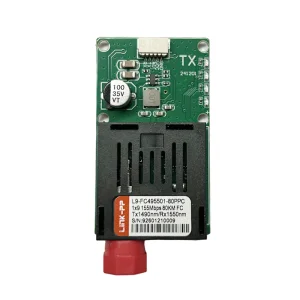
Single Mode 155M BiDi 1490nm-Tx/1550nm-Rx FC SMF 80km Air/Ground TTL 1x9 Optical Transceiver Module
View Technical Specifications
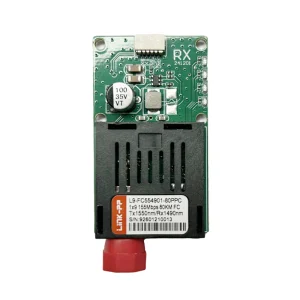
Single Mode 155M BiDi 1550nm-Tx/1490nm-Rx FC 80km Air/Ground TTL 1x9 Optical Transceiver
View Technical Specifications
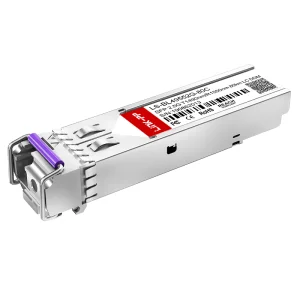
1490nm-TX/1550nm-RX Single Mode 2.5G SFP Bidi Transceiver 80km Simplex LC Optical Module
View Technical Specifications
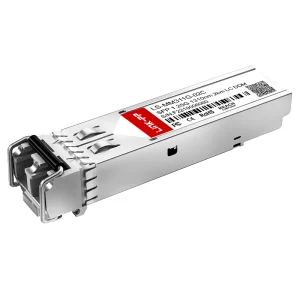
1000BASE-T SFP 1310nm 2km Duplex LC MMF Optical Fiber Transceiver Module
View Technical Specifications
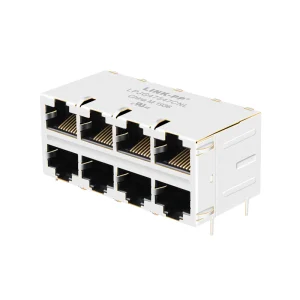
10P8C RJ45 Ethernet 2xN RJ 45 Connector
10P8C RJ45 Ethernet 2xN RJ 45 Connector, 2 * 4 Port RJ-45 Jack JC0-0131 DA6T00101 DA6T10303 DU1T202A1
View Technical Specifications
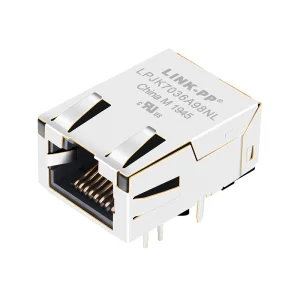
Low Profile 8P8C RJ 45 Connectors
L829-1J1T-43 L829-1J1T-43-F J0G-0009NL 1000 Base-T Low Profile 8P8C RJ 45 Connectors
View Technical Specifications
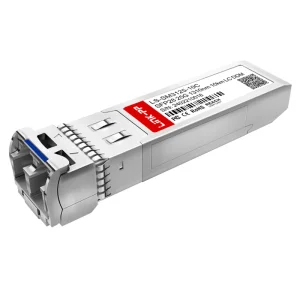
Cisco SFP-25G-LR-S Compatible Single Mode 1310nm 25G SFP28 10km SMF LC Optical Transceiver Module
View Technical Specifications
Duplex LC SMF Optical Transceiver Single Mode 1550nm 10G SFP+ Fiber Optic Module 40km
View Technical Specifications
All 1x9 Transceivers Products