Lumetra
Lumetra
Lumetra
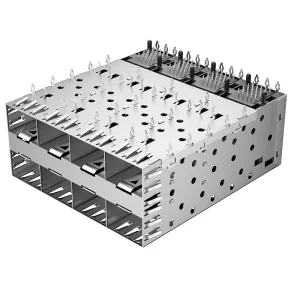
In modern networking architectures, high-speed data transmission relies on components that can guarantee signal integrity, mitigate Electromagnetic Interference (EMI), and manage thermal dissipation. As a leading SFP cage supplier, Lumetra Optoelectronics Technologies Co., Ltd. designs and manufactures high-performance SFP cage assemblies that act as the physical, electrical, and thermal interface between transceivers and PCBs.
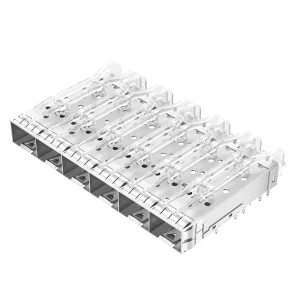
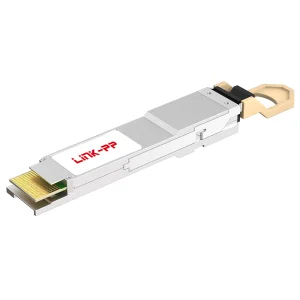
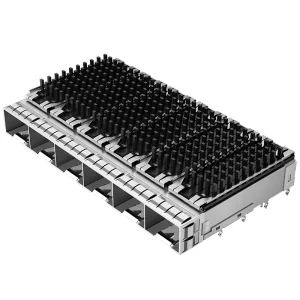
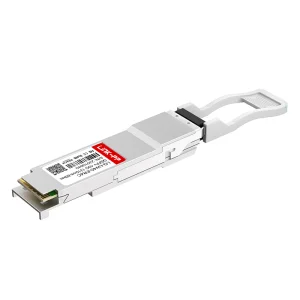
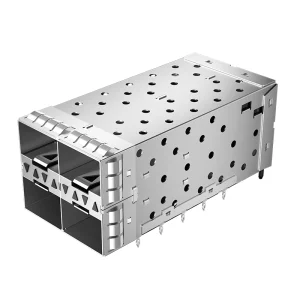
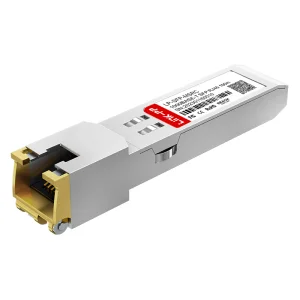
SFP (Small Form-factor Pluggable) cages, including their variations like SFP+, SFP28, QSFP+, and QSFP-DD, are standardized metal structures designed to house optical transceivers. These components perform three critical tasks: physical module retention, electrical grounding/shielding, and thermal coupling. Without highly engineered cage structures, modern datacom switches, network interface cards (NICs), and routers would suffer from severe signal degradation and frequent thermal shutdowns.
The transition from standard gigabit networks to 25G, 100G, and 400G infrastructure has placed unprecedented demands on interconnect design. For design engineers, choosing the right SFP cage supplier is no longer a matter of checking a catalog box—it is a critical design step that influences total system reliability. Whether you require standard single-port configurations or complex ganged (1x6, 1x8) or stacked (2x2, 2x4, 2x8) variants, understanding the underlying metallurgy, plating, and mechanical tolerances is vital.
China has long been the epicentre of precision electronic manufacturing. At Lumetra, we combine localized supply chain clusters, advanced tooling ecosystems, and high-volume economies of scale to deliver superior value to global OEMs and system integrators. The manufacturing advantage of our Chinese facilities lies in four core competencies:
Utilizing high-speed stamping dies with mechanical tolerances controlled within ±0.02mm, ensuring consistent mechanical dimensions and optimal press-fit insertion force.
Applying state-of-the-art matte tin over nickel plating techniques that prevent tin whiskers while guaranteeing high solderability and excellent electrical contact resistance.
By partnering with over 1,200 verified materials and tooling vendors in mainland China, we secure consistent raw materials (copper alloy, stainless steel, high-temp thermoplastics) even during global market disruptions.
Furthermore, Lumetra's manufacturing ecosystem features quick-turn tooling modifications. If an international client requires a customized heat sink profile or a specific light pipe configuration, our in-house engineering team can perform computer-aided engineering (CAE) thermal analysis, construct prototype stamping tools, and deliver first-article inspection samples within 15 to 20 business days—a fraction of the lead time of traditional Western manufacturers.
Founded in 2016, Lumetra has grown into a highly reliable and recognized name in high-speed optical transceivers and interconnect systems. Operating from an expansive, ISO 9001-certified 8,500㎡ production facility, we integrate automated optical performance testing, environmental stress screening, and manual inspection protocols to fulfill the rigorous standards of global telecom and cloud clients.
Our commitment to innovation is reflected in our robust product development cycle. In the past fiscal year alone, Lumetra launched approximately 220 new products, expanding our compatibility listings with major global hardware platforms such as TE Connectivity, HPE, Hirschmann, and Cisco. Our engineering department is staffed with 86 R&D professionals who focus specifically on signal integrity simulation, electromagnetic compatibility (EMC) testing, and thermal solution engineering.
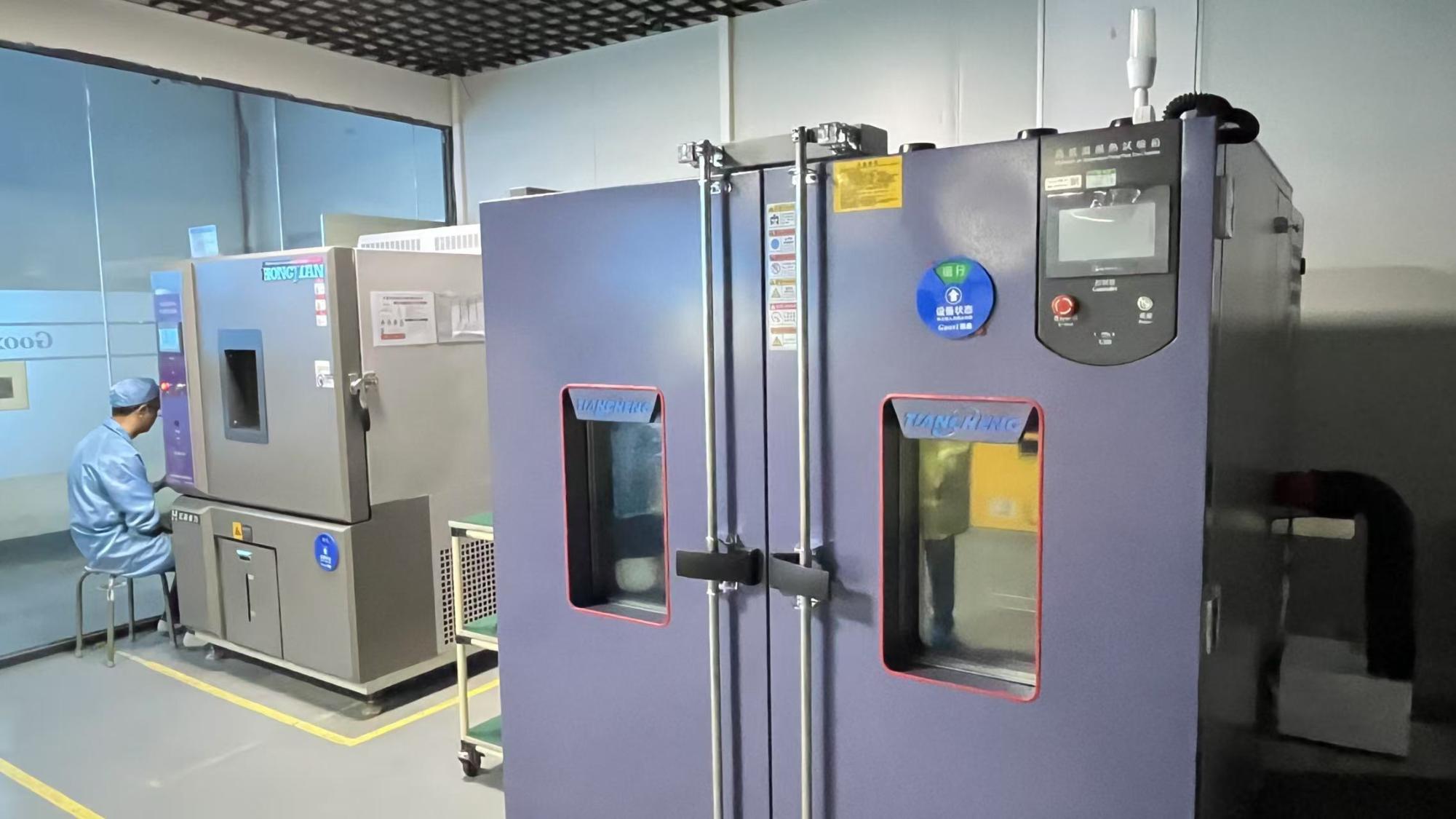
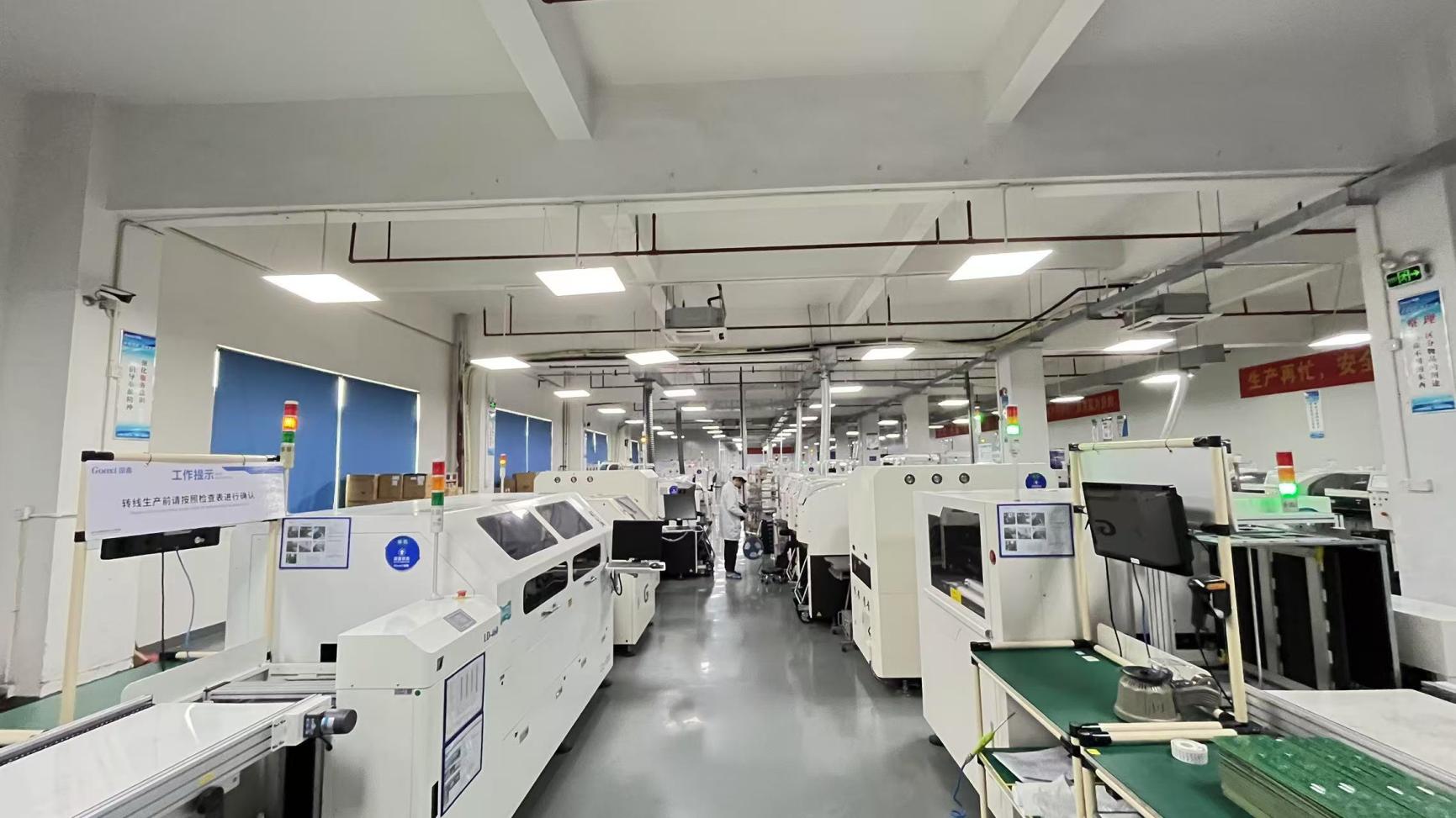
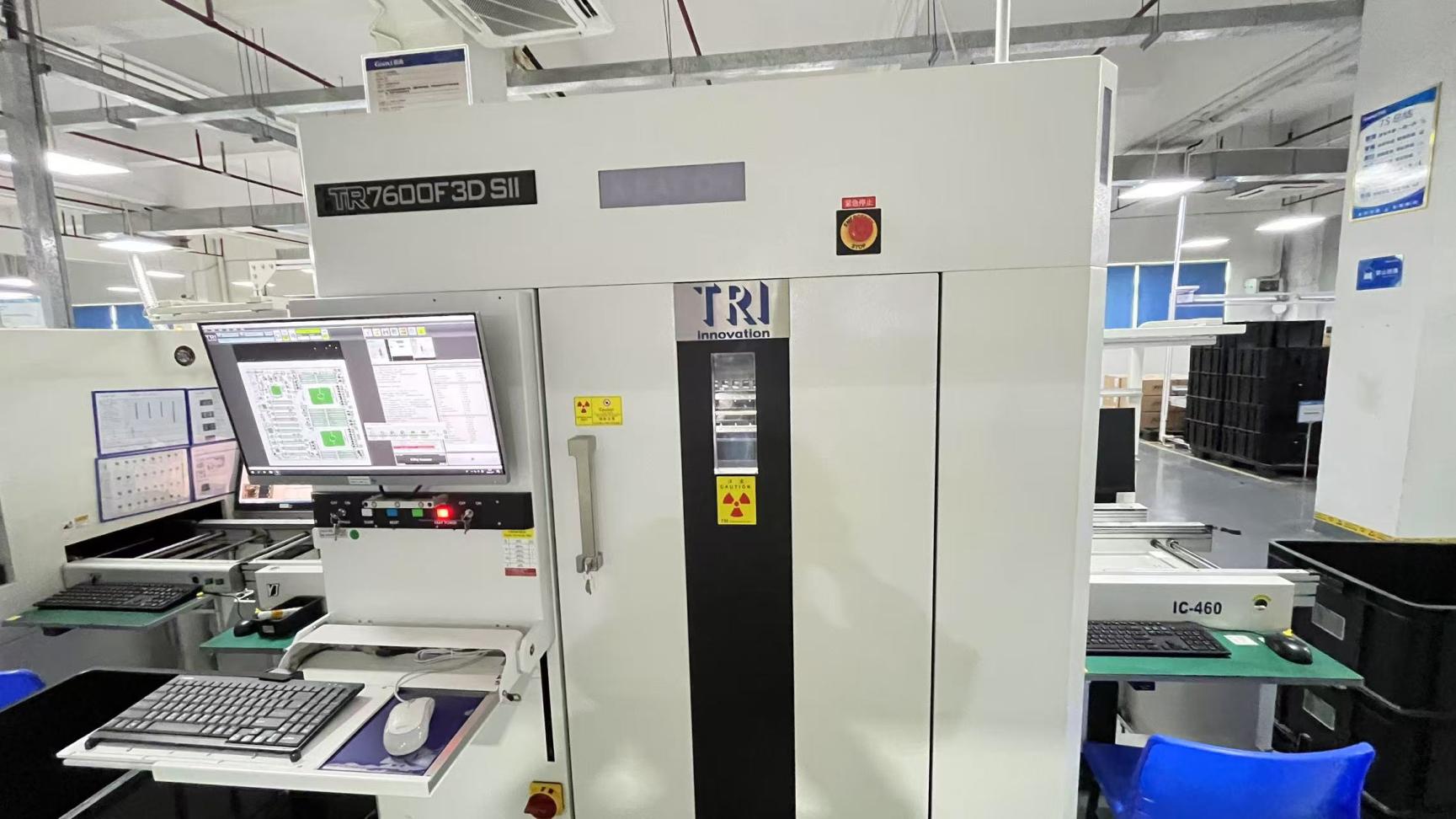

Quality assurance at Lumetra is metrics-driven. Every production batch undergoes automated optical performance verification, mechanical insertion/extraction cycle testing, and strict compliance scanning. We ensure that our cages maintain a minimum mating cycle life of 100 insertions without degrading mechanical retention or increase in contact resistance.
As networks evolve from 25G NRZ modulation formats to PAM4 coding schemes used in 400G and 800G optical links, the physical interconnect interface becomes a critical bottleneck. High-speed transceivers consume significant amounts of electrical power, converting a portion of it into heat. For instance, a typical 400G QSFP-DD transceiver can dissipate up to 12-14 Watts of power. Without optimized heat sinks integrated directly onto the SFP/QSFP cage assembly, junctions would rapidly exceed safe operational limits.
To resolve these challenges, modern cage architectures utilize a variety of thermal-enhancement accessories:
Additionally, EMI mitigation remains a paramount focus. Higher operational frequencies have shorter wavelengths, which means that even microscopically small gaps between the cage structure and the faceplate can function as slot antennas, emitting electromagnetic noise. SFP cage suppliers must design and implement either elastomeric conductive gaskets or metal finger contacts to close these gaps, allowing hardware designers to meet rigorous FCC and CE class B emission standards.
Interconnect interfaces must be tailored to their specific operating environments. A cage that performs flawlessly inside an air-conditioned hyperscale datacenter might fail prematurely if deployed on an outdoor 5G remote radio head (RRH). Lumetra offers specialized solutions for diverse sectors:
Focuses on maximum port density, minimal footprint, and thermal management. Our multi-port ganged configurations (e.g., 2x4 and 2x8 stacked cages) enable hundreds of optical links on a single RU chassis, utilizing optimized heat sinks for high-airflow racks.
Requires extreme environmental resilience. Cages designed with rugged copper alloys and robust gold-on-nickel plated contacts resist corrosion, moisture, and temperature fluctuations in unconditioned outdoor cabinets.
Focuses on high vibration tolerance and electromagnetic immunity. Cages with robust retention latches and heavy-duty grounding tabs prevent signal loss in factory floors plagued by mechanical shock and high-frequency electrical noise.
By consulting with our global application engineers early in the hardware design phase, purchasers can select the optimal combination of materials, plating thicknesses, and grounding options, avoiding costly design spins and compliance failures later in the cycle.
Procuring interconnect components at scale requires checking beyond a simple pricing table. Since SFP/QSFP cages represent the structural mounting point of expensive transceivers, a single failure can lead to PCB damage or intermittent connectivity. Procurement professionals should audit potential suppliers based on five key dimensions:
1. Mechanical and Structural Tolerances: Cages must conform precisely to Multi-Source Agreements (MSAs) such as SFF-8431 and SFF-8432. Variations in structural sizing can lead to excessive insertion force, damaging transceivers, or loose connections that trigger intermittent packet drops.
2. Plating Consistency: Inspect plating specs. Inferior plating layer controls lead to oxidation and tin whiskering, which can cause micro-shorts on multi-layer PCBs. We utilize specialized plating chambers that apply a barrier nickel layer between the base copper alloy and outer tin layers.
3. Thermal Performance Simulation: A professional supplier should offer CFD (Computational Fluid Dynamics) modeling data for their assemblies, proving thermal transfer rates under typical datacenter airflow patterns (e.g., 2.0 to 3.0 m/s).
4. Compliance and Certifications: Ensure materials comply with RoHS (Restriction of Hazardous Substances) and REACH directives. This is non-negotiable for products shipped to European and North American markets.
5. Supply Chain Capacity: Assess the supplier's raw material reserves and logistics partnerships. Lumetra's deep integration with regional metal processing hubs allows us to scale production up to 500k units per month while maintaining reliable lead times.