 Lumetra
Lumetra
Lumetra
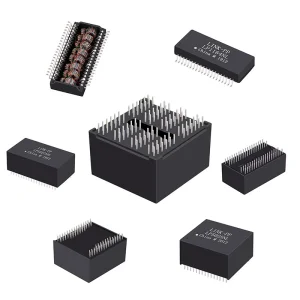
Explore our industrial-grade single, dual, and quad-port magnetic modules optimized for standard Ethernet and Power-over-Ethernet (PoE+) integration.
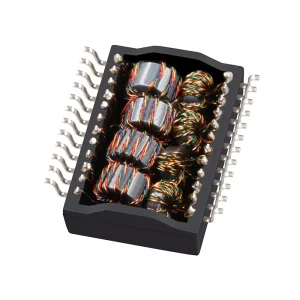
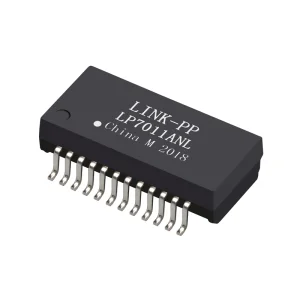
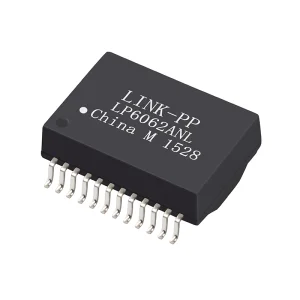
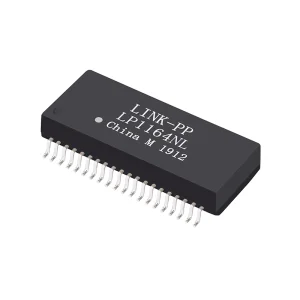
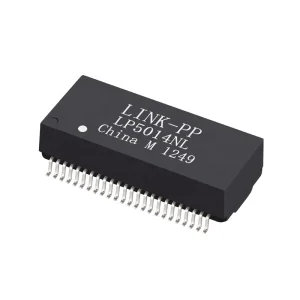
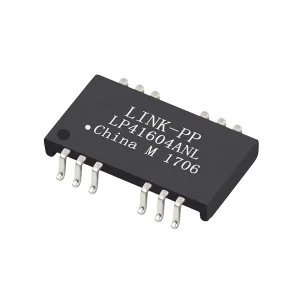
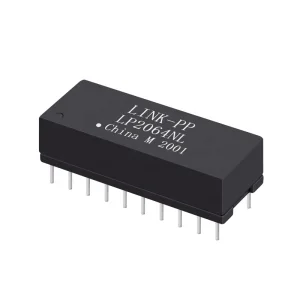
Within the physical layers of modern networking hardware (PHY), the LAN Transformer acts as a gatekeeper of system integrity. As data transmission speeds surge from standard Fast Ethernet (100 Mbps) to gigabit speeds (1G, 2.5G, 5G, and 10G Base-T), Ethernet magnetics are required to manage high-frequency signal coupling while attenuating common-mode noise. Under standard Ethernet communication specifications such as IEEE 802.3, LAN transformers provide two critical functionalities: electrical isolation and electromagnetic compatibility (EMC).
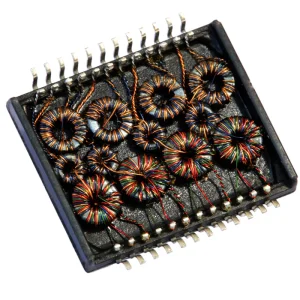
Ethernet cables act as long-wire antennas. They are highly susceptible to receiving external electromagnetic interference (EMI) and transmitting noise generated by internal switching circuits. The integration of 3-core or 2-core toroidal magnetic architectures allows modern LAN filters to enforce precise differential-mode transmission. Common-mode chokes integrated within the LAN transformer module act as high-impedance barriers to unwanted noise, keeping networks running error-free without signal decay.
LAN transformers are deployed across distinct industrial sectors, each imposing specific operating constraints on thermal management, electrical ruggedness, and mechanical footprint.
Hyperscale infrastructure demands high ports density, low insertion loss, and thermal resilience. Here, 10G Base-T single and dual-port SMT magnetics provide high-frequency transmission capability up to 500MHz. They support ToR (Top of Rack) switches, network-attached storage (NAS), and network interface cards (NICs).
Operating in harsh environments, industrial Ethernet networks running Profinet or EtherCAT require extreme reliability. Magnetics deployed here have robust insulation resistance and operate within a wide temperature range (-40°C to +85°C). They safeguard PLC controllers and heavy robotic equipment from high electric motors noise.
In power distribution and municipal utility monitoring, edge devices require up to 2.25kV DC isolation. High-isolation THT (Through-Hole Technology) transformers prevent common-mode noise generated by power electronics from entering digital controller systems, ensuring accurate data communication.
At Lumetra Optoelectronics Technologies Co., Ltd., we approach the design of LAN magnetics with the same high-frequency, signal-integrity focused engineering principles that define our high-speed optical transceivers. Founded in 2016, our engineering teams bridge the gap between copper and optical communication standards. Our 8,500㎡ facility hosts advanced R&D labs staffed by 86 specialized design engineers. This R&D division supports custom protocol compatibility, signal tuning, physical form factor adaptation, and power footprint optimization.
We leverage our 11 years of deep industry expertise to configure LAN transformers that balance high efficiency and low thermal output. The core magnetics are engineered to resist saturation under high DC currents (up to 720mA for PoE+ configurations), ensuring that data lines remain operational even during heavy power delivery cycles. Our annual output reflects a culture of continuous adaptation, with over 220 new products launched yearly to support next-generation network hardware standards globally.
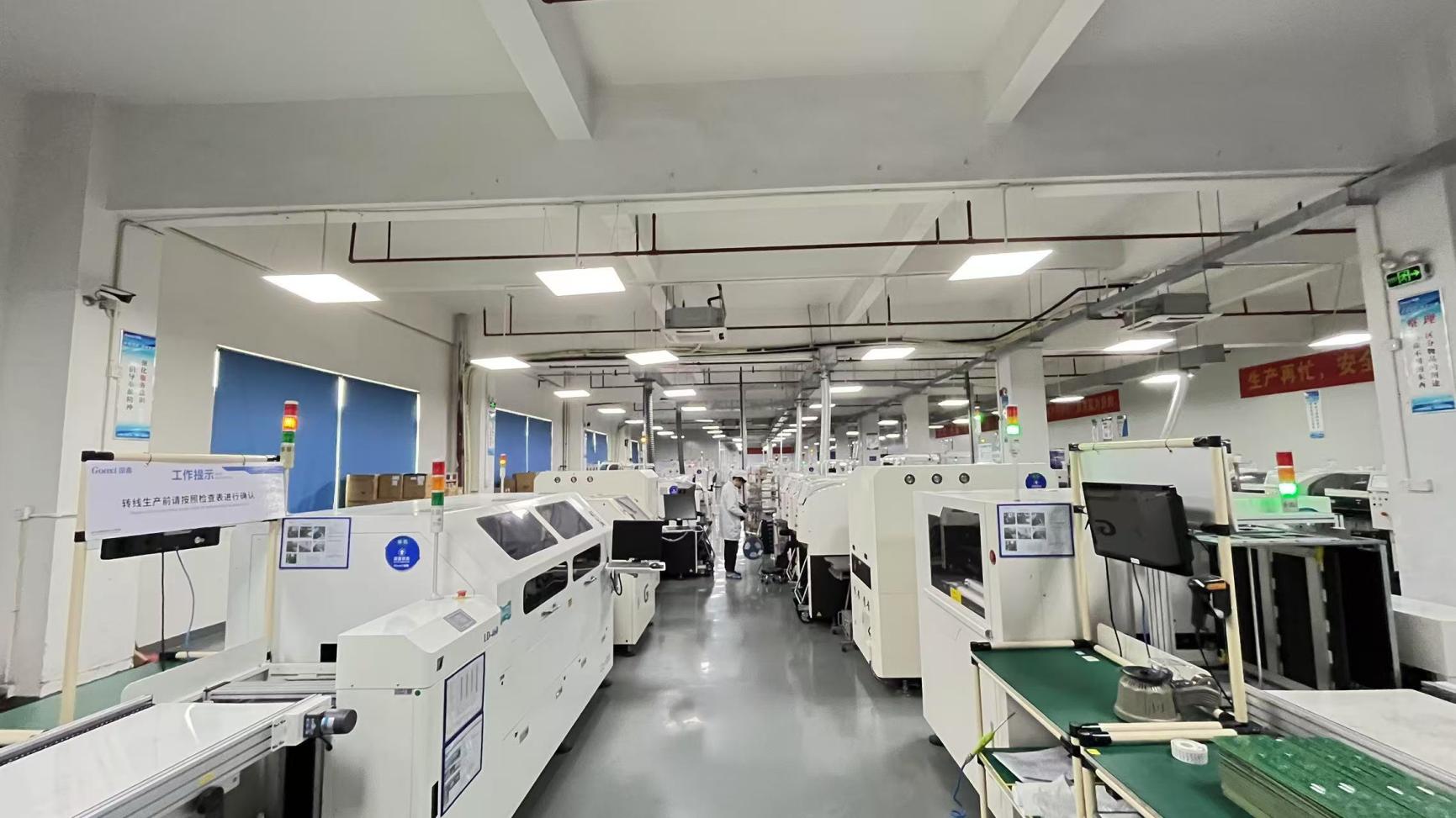
Modern global logistics require manufacturing partners that offer supply security. Lumetra maintains an expansive network of over 1,200 verified supply chain partners. This robust system secures essential raw materials—including copper wire, proprietary ferrite alloys, plastic headers, and packaging materials—even during high market volatility. By localizing key assembly and raw material processing phases, we minimize lead times, offering a dependable supply channel for OEMs, system integrators, and distributors.
With an annual export revenue reaching USD 18 million and 7 years of international trade experience, we have structured our operations to align with international regulatory and shipping protocols. From fast prototype development to high-volume production runs, our operations are optimized to handle international trade demands across North America, Europe, Southeast Asia, and the Middle East.
"Supply chain security is not just about material reserves; it is about network redundancy. By partnering with over 1,200 verified materials suppliers, we ensure our global clients experience consistent lead times and steady prices."
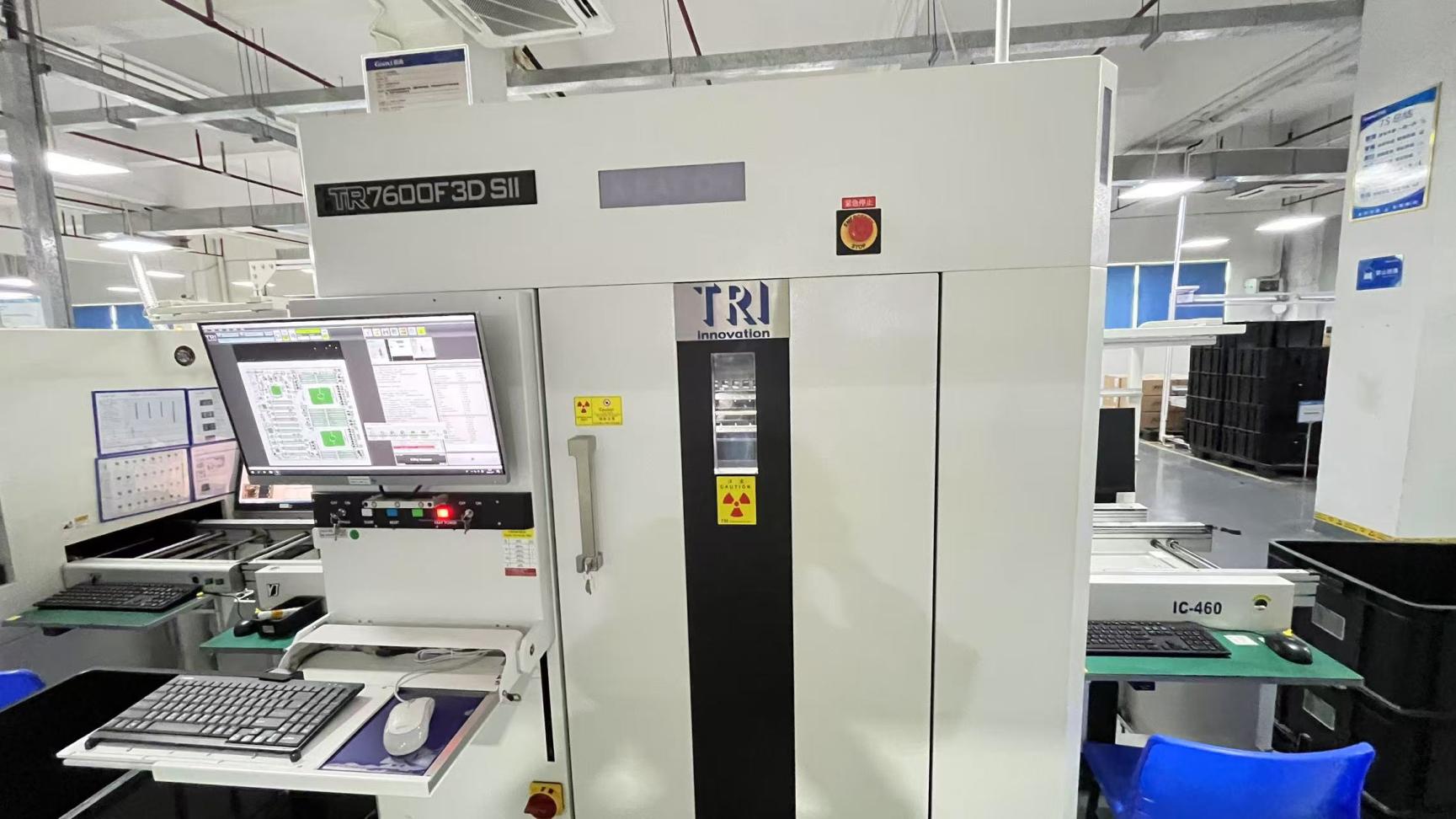
As Artificial Intelligence, machine learning arrays, and high-performance computing (HPC) scale out, copper-based backplanes face critical bandwidth challenges. The path forward lies in integrating high-density magnetics with active IC interfaces. The standard RJ45 connector is evolving into Integrated Connector Modules (ICM), merging the LAN transformer, common-mode filter, resistors, capacitors, and LEDs into a single shielded housing. This integration saves valuable PCB real estate and reduces electromagnetic noise coupling.
Simultaneously, the industry is transitioning from 10G Base-T to next-generation 25G/40G Base-T copper applications. These ultra-high frequency requirements mandate magnetic systems capable of operating up to 2GHz, requiring advancements in core material technology. To achieve this, our R&D roadmap focuses on developing thinner wire gauges, complex multi-filar winding techniques, and new synthetic magnetic compounds that resist loss at high frequencies.

Reliable performance under harsh environmental and electrical stress is built on comprehensive quality management.
Utilizing high-resolution AOI systems, we verify 100% of wire placement, solder joints, and structural packaging parameters to prevent assembly errors before final encapsulation.
Every LAN transformer batch undergoes high-potential (Hipot) testing (up to 1500V AC or higher), leakage inductance checks, and insertion/return loss sweeps on network analyzers.
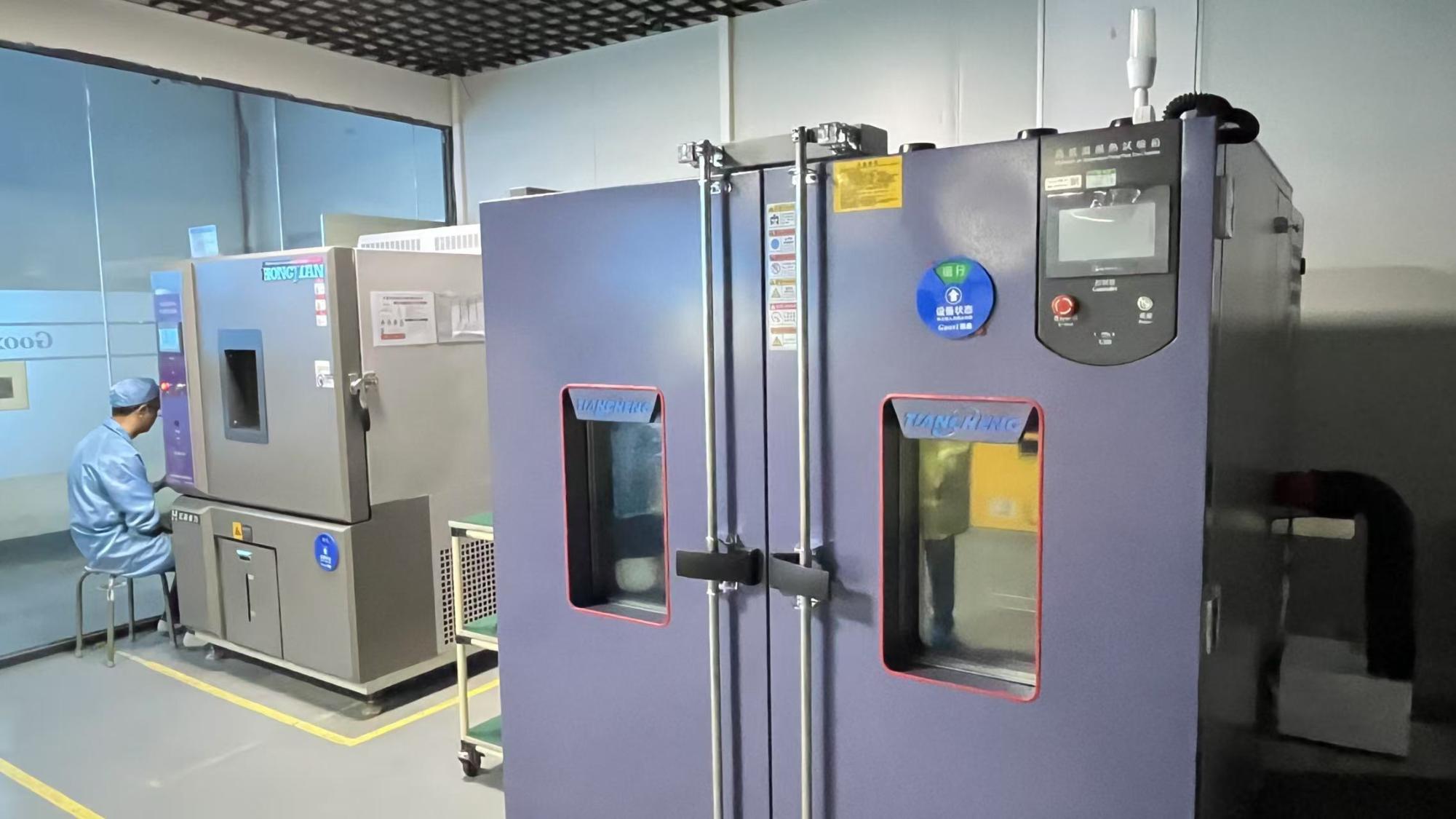
To support telecom deployments in extreme environments, our 48 trained QC inspectors supervise temperature cycle tests ranging from -40°C to +85°C to confirm stable performance over decades.
Technical answers to help network hardware designers select, test, and integrate LAN transformers.
SMT (Surface Mount Technology) components are soldered directly onto the surface of PCBs, enabling high component density, automated assembly, and low parasite capacitance—ideal for high-frequency routers and NICs. THT (Through-Hole Technology) transformers use leads inserted into PCB holes, offering high mechanical strength and reliability, which is preferred for rugged industrial machinery and outdoor telecommunication systems exposed to high vibration.
PoE (IEEE 802.3af/at/bt) injects DC currents directly into the differential signal lines. This requires LAN transformers to utilize center-tapped windings capable of carrying DC currents without entering magnetic saturation. Designers must choose transformers rated for the specific current demands of their system (e.g., up to 350mA for standard PoE, 720mA for PoE+, or up to 1A for high-power PoE++), while maintaining low insertion loss and high common-mode rejection.
Insertion loss measures the signal power lost when the transformer is inserted into the transmission line. Low insertion loss ensures the signal reaches the receiver with sufficient amplitude. Return loss measures the power reflected back toward the source due to impedance mismatches. High return loss indicates minimal signal reflections, which is crucial for maintaining signal integrity and minimizing bit error rates (BER) in high-speed networks.
Our quality verification starts with rigorous raw material testing, followed by automated winding inspection. Finished units undergo 100% electrical performance testing, including insulation resistance (Hipot up to 1.5kVrms/2.25kVDC), insertion/return loss measurements, and crosstalk evaluation. We also perform environmental stress screening, thermal shock testing (-40°C to +125°C), and moisture resistance testing to ensure long-term stability.
Yes, customized layouts are a key part of our R&D capabilities. We tune winding turns ratios, adjust center-tap configurations, and design custom impedance-matching networks. This ensures compliance with specific PHY chips from leading semiconductor manufacturers while meeting target EMI and thermal standards.
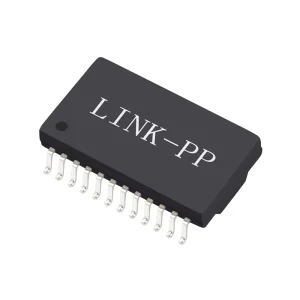
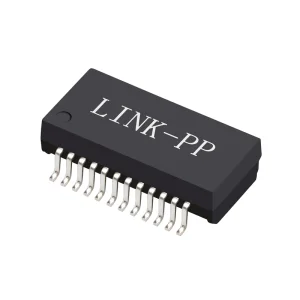
Browse our catalog of SMD and through-hole LAN filters, discrete transformers, and multi-port telecommunication modules built to last.
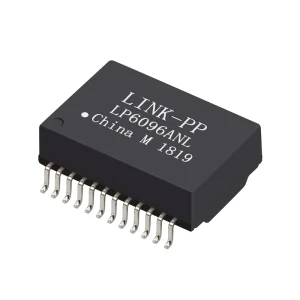
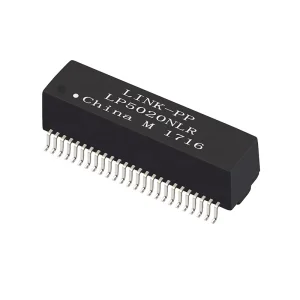
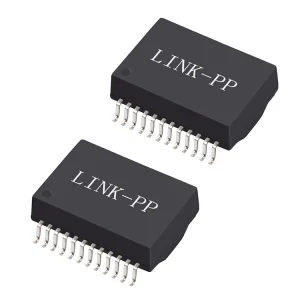
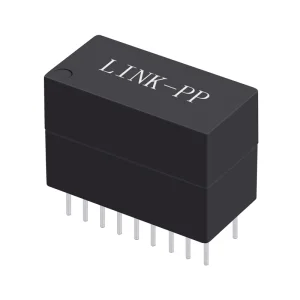
A visual overview of our industrial infrastructure, engineering labs, and quality control departments.