Lumetra
Lumetra
Lumetra
Explore our high-performance RJ45 Copper SFP and SFP+ modules engineered for carrier-grade network routing, switches, and server interface adapters.
As global data needs scale exponentially, physical-layer integration between high-bandwidth optical trunks and legacy copper endpoints is the primary metric of enterprise infrastructure efficiency.
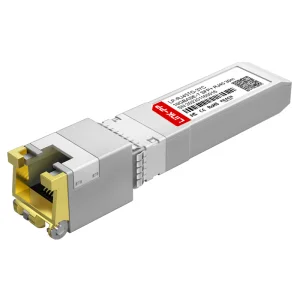
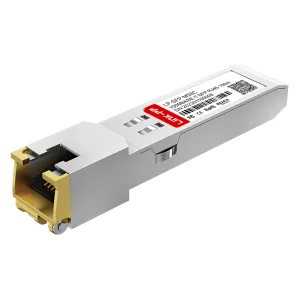
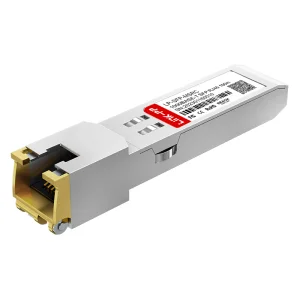
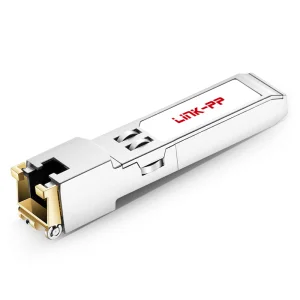
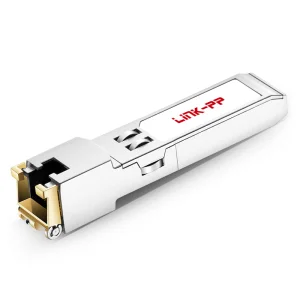
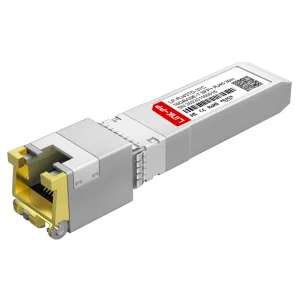
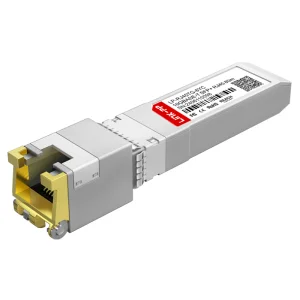
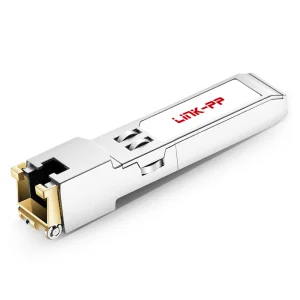
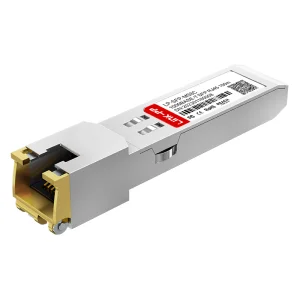
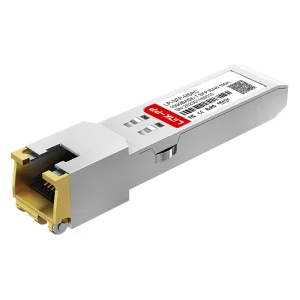
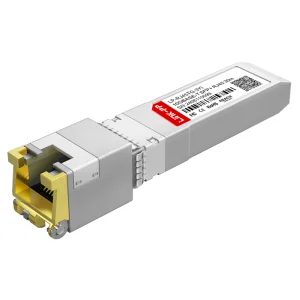
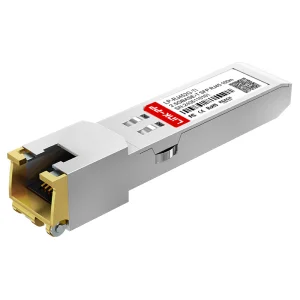
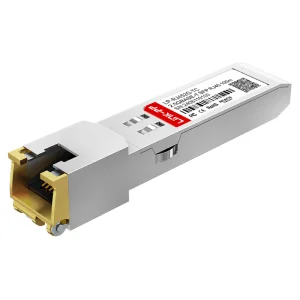
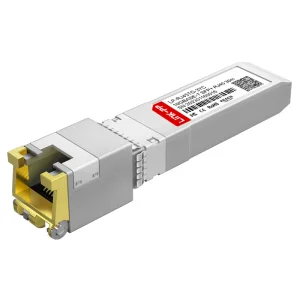
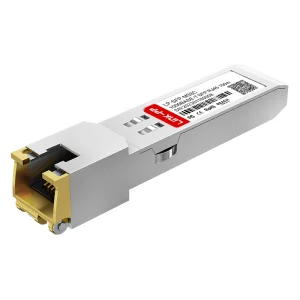
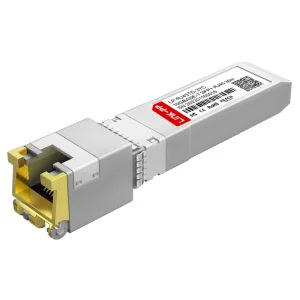
Within this ecosystem, the RJ45 Copper SFP (Small Form-factor Pluggable) transceiver represents a critical technological link. By bridging the optical transceivers commonly deployed in backbone networks with the ubiquitous Category-rated twisted-pair copper cables (Cat5e, Cat6, Cat6a, and Cat7), these compact units enable cost-effective scale. Enterprise architectures rely heavily on 10GBASE-T, 2.5GBASE-T, and SGMII-based Copper SFPs to upgrade network speeds without discarding their massive investments in structured copper cabling.
Globally, corporate data centers, local campus networks, and edge nodes are witnessing a hybrid deployment approach. Optical fiber reigns supreme for long-distance backhaul, but copper remains the dominant standard for short-reach connections (ranging from 30 meters up to 100 meters) inside rack servers, local area network switches, and localized access points. The relative ease of deployment, standard RJ45 connector termination, and robust resistance to structural bend damage make copper SFPs indispensable in modern multi-gigabit setups.
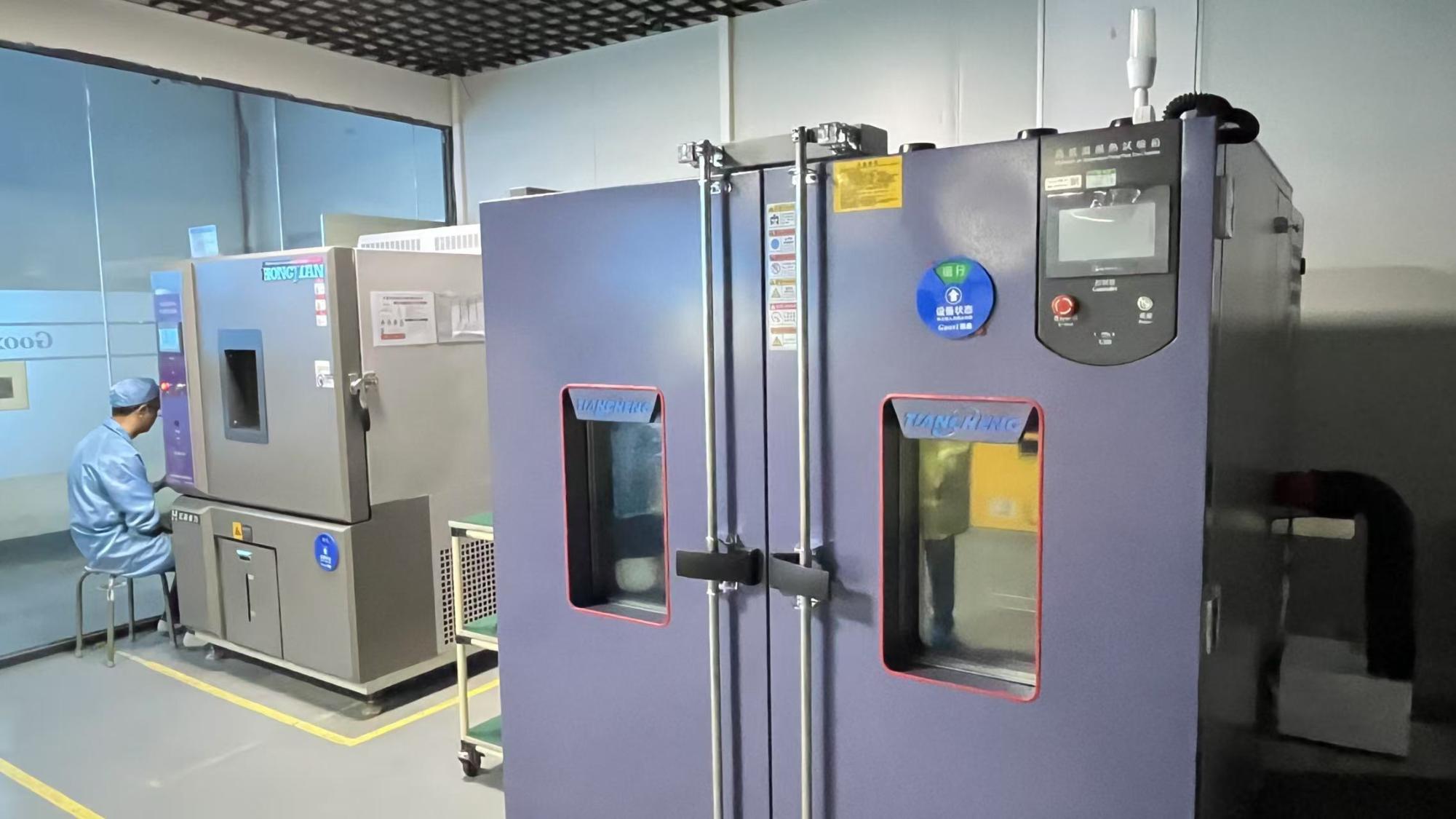
Unifying multi-vendor environments by converting SFP slots designed for optical transceivers into standardized RJ45 copper ports.
Reducing typical thermal footprints through optimized low-power PHY chips, keeping dissipation below 1.6W on advanced 10G transceivers.
Eliminating the need to purchase premium optical patch cables and field termination tooling by using pre-existing Cat6a/7 structured wires.
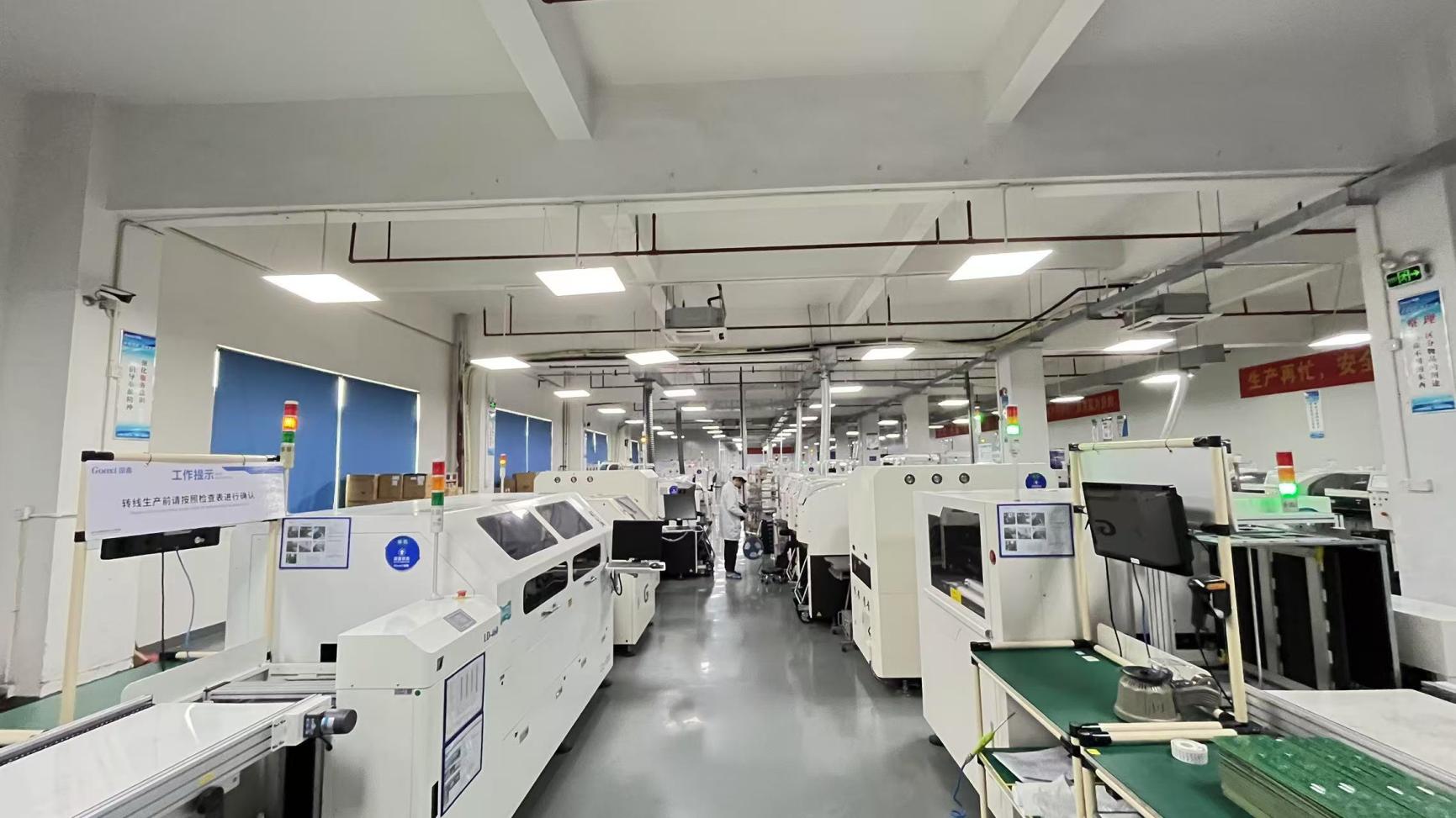
High-speed transceiver production demands an environment that combines hyper-automated cleanrooms, advanced micro-electronic testing, and strong supply chain integration.
Lumetra Optoelectronics Technologies Co., Ltd. serves as an industry-leading manufacturer from China, specializing in optical transceivers and copper SFP communication modules. Our production facility, covering approximately 8,500m², features cleanroom environments built to support precise micro-soldering, automatic laser alignment, and automated optical performance testing. By streamlining critical stages of the assembly line, we maintain high yield rates and superior cost efficiency across all product lines.
Operating in this field since 2016, Lumetra has built stable business channels globally, accumulating 7 years of pure export experience backed by 11 years of deep industry expertise. Our strong R&D team of 86 engineers focuses on optical design, hardware development, and signal integrity optimization. This research framework allowed us to launch approximately 220 new products last year alone, keeping our global clients supplied with cutting-edge network technologies.
Deploying copper SFPs requires analyzing specific network topologies, length restrictions, and environmental temperatures.
In modern hyperscale and private enterprise data centers, Top-of-Rack (ToR) and End-of-Row (EoR) cabling configurations often deploy 10GBASE-T RJ45 SFP+ modules. They connect rackmount servers directly to core switch aggregates. While direct attach copper (DAC) cables are useful for spans under 7 meters, RJ45 Copper SFP modules support connections up to 30 meters or even 100 meters using Cat6a patch cables. This allows data center managers to structure layouts without being limited by short DAC cables or paying the high costs of active optical cables (AOCs).
For applications like outdoor 5G Small Cell networks, smart city surveillance systems, and industrial automation networks, standard SFP transceivers can fail due to extreme temperatures. Lumetra addresses this with industrial-grade RJ45 SFPs designed to operate reliably between -40°C and 85°C. These modules feature rugged EMI shielding and ESD protection circuits to prevent packet loss in electrically noisy factory environments.
Educational institutions, medical centers, and government offices often run on older Cat5e or Cat6 structured cabling. Upgrading these networks to multi-gigabit speeds (2.5G or 5G) usually doesn't require replacing all the cables behind the walls. By using Lumetra's 10/100/1000BASE-T and 2.5GBASE-T SGMII Copper SFP modules, network engineers can easily upgrade speed at the switch port level. This extends the service life of existing copper cabling by years, providing a cost-effective path to modern bandwidth levels.
Internet Service Providers (ISPs) often face challenges integrating fiber-to-the-home (FTTH) ONT/ONU modems with consumer-grade routers. A hot-pluggable RJ45 SFP module allows network operators to convert an open SFP port on a residential gateway or enterprise firewall into a high-speed WAN ethernet port, ensuring smooth broadband handoffs.
High-speed copper transceiver sourcing requires strict supplier screening. Lumetra delivers reliable products through rigorous testing and robust supply chain integration.
Procuring network components globally carries risks regarding product quality, multi-vendor compatibility, and lead-time stability. To minimize these risks for our clients, Lumetra works with more than 1,200 trusted supply chain partners to source high-grade wafers, laser assemblies, and integrated circuit chipsets. This broad supply network helps protect our production lines from component shortages and ensures consistent manufacturing lead times year-round.
Our quality assurance is maintained by a dedicated QC team of 48 trained inspectors. Each RJ45 SFP module undergoes automated performance testing, including real-time bit-error-rate (BER) tests, eye diagram evaluation, and multi-vendor EEPROM compatibility coding. We test compatibility across major global brands, including Cisco, HPE Aruba, Ubiquiti, and Arista, ensuring smooth out-of-the-box integration for our clients.
Keeping pace with next-generation demands requires ongoing innovation in power, thermal management, and multi-rate performance.
Older 10GBASE-T transceivers often drew up to 2.5W, creating significant heat in high-density switches. Modern engineering focuses on reducing this footprint to below 1.6W, protecting delicate network switch ports from thermal damage.
Modern copper SFPs increasingly support multi-rate capabilities (10G/5G/2.5G/1G/100M). This auto-negotiation allows legacy network hardware to communicate smoothly with newer server nodes without manual configuration.
As micro-data centers deploy closer to endpoints, demand is growing for compact copper SFPs that combine high-bandwidth processing with low latency for localized IoT edge nodes.
Explore our highly compatible network transceivers built for broad multi-vendor interoperability and long lifecycle deployment.
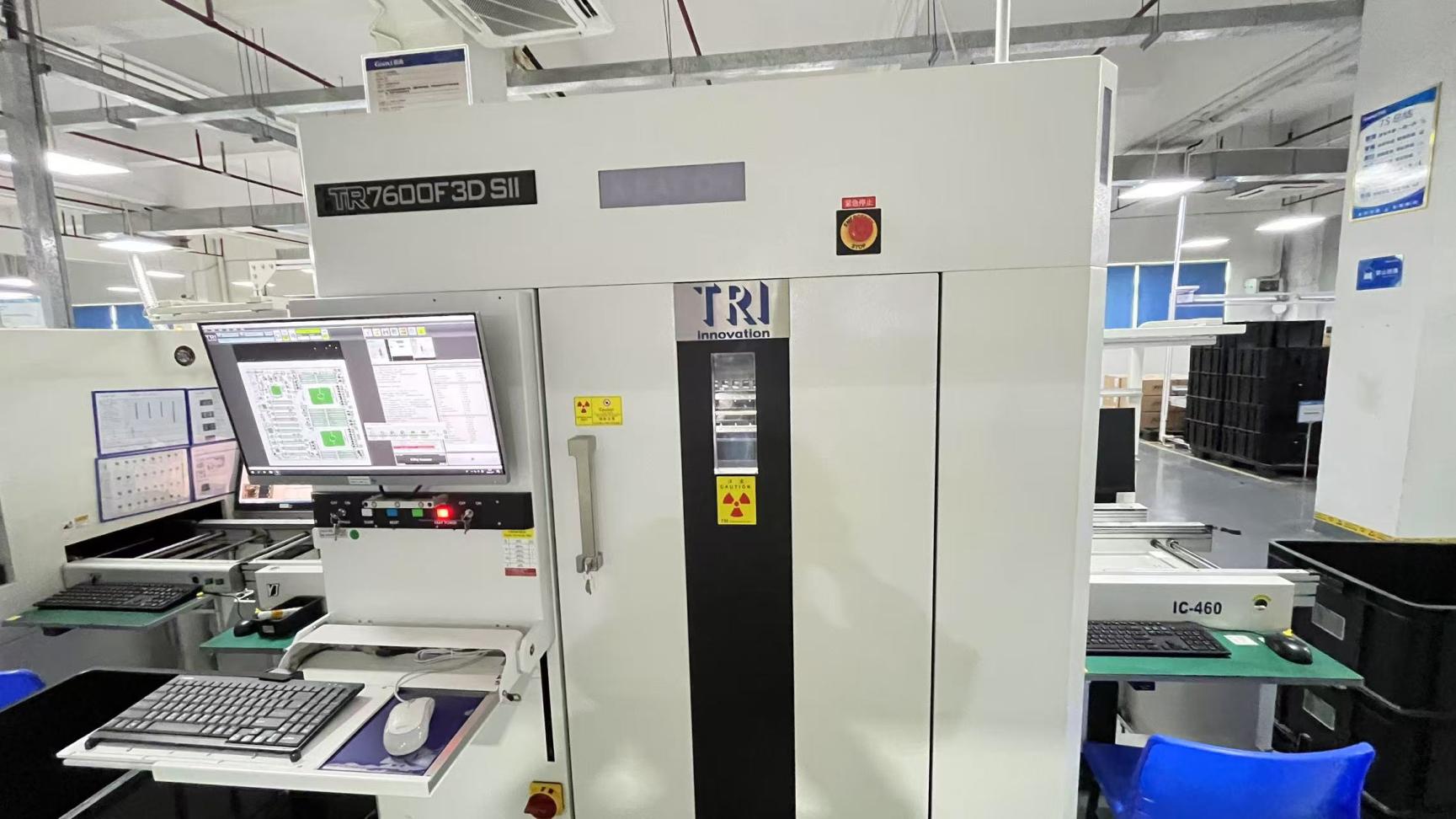
Inside our production facilities, quality control processes and automated machinery ensure high-precision assembly for every module.

Explore answers to common technical, manufacturing, and configuration questions about RJ45 Copper SFP transceivers.
The maximum transmission distance for a 10GBASE-T RJ45 Copper SFP+ module depends on the category of network cabling used. Over standard Cat6a or Cat7 shielded twisted-pair (STP) cables, it typically supports distances up to 30 meters. However, optimized low-power modules can reach up to 80 meters or 100 meters under ideal environmental conditions. Using legacy Cat6 or Cat5e cables will reduce the effective transmission distance at 10G speeds due to higher signal attenuation and crosstalk.
Older 10G copper transceivers often consumed 2.5W or more, which could cause switches to overheat. Lumetra solves this by utilizing advanced, low-power PHY chipsets that reduce power consumption to less than 1.6W. This lower power draw reduces thermal output, protecting switch hardware and improving overall system reliability.
Yes. Our R&D team uses automated testing stations to pre-program EEPROM configurations for compatibility with major networking brands, including Cisco (e.g., GLC-TE, SFP-10G-T-S), HPE Aruba, Ubiquiti, Juniper, and Arista. This step ensures seamless hardware recognition and accurate diagnostic monitoring (DDM/DOM) out of the box.
The primary difference lies in the operating temperature range and environmental hardening. Standard commercial-grade modules operate from 0°C to 70°C. Industrial-grade modules are designed for harsh environments, operating from -40°C to 85°C. They feature rugged internal components, specialized thermal interface materials, and enhanced EMI shielding to withstand extreme industrial conditions.
SGMII (Serial Gigabit Media Independent Interface) is an interface standard that simplifies connections between the MAC and PHY layers. SGMII copper SFP modules allow a host switch port to communicate at multiple rates (10/100/1000 Mbps) over a single differential pair. Standard SerDes (Serializer/Deserializer) modules typically support only a fixed 1000Mbps speed, offering less flexibility for auto-negotiation with legacy endpoints.