Lumetra
Lumetra
Lumetra
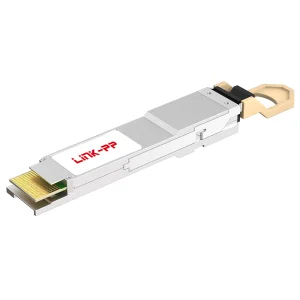
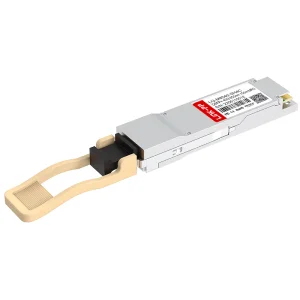
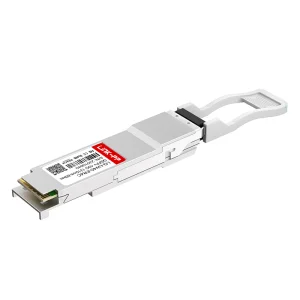
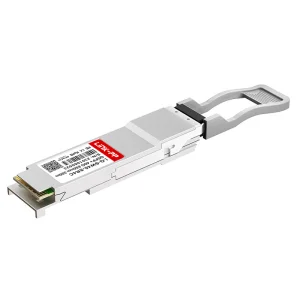
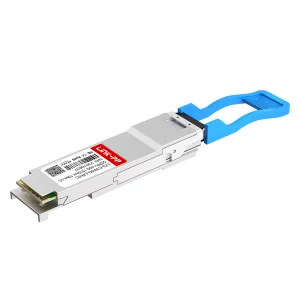
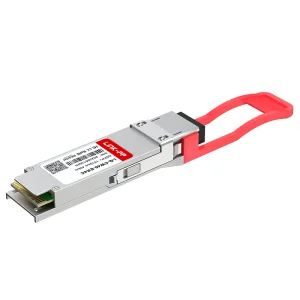
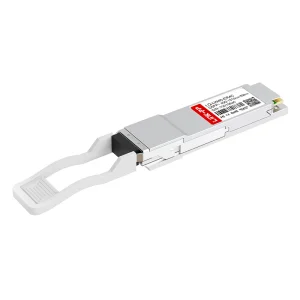
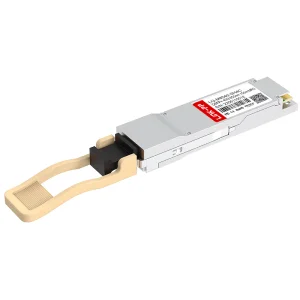
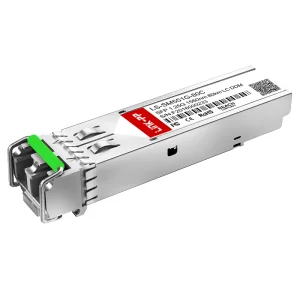
Explore our industry-standard 40G QSFP+ transceivers manufactured with strict compliance to MSA standards, delivering reliable high-speed data transmission over multimode and single-mode fiber systems.
In the paradigm of modern data communication architectures, the 40G QSFP+ (Quad Small Form-factor Pluggable Plus) transceiver acts as a vital technological cornerstone. Originally standardized to resolve bandwidth bottlenecks in legacy 10G networks, QSFP+ modules aggregate four independent 10 Gbps transmit and receive channels, implementing the IEEE 802.3ba standard to deliver an aggregate bandwidth of 40 Gbps.
Leveraging diverse light profiles from short-reach 850nm VCSEL lasers to long-reach 1310nm DFB/EML laser configurations, supporting distances from 100m over MMF up to 80km over standard SMF networks.
Available in both parallel MPO/MTP interfaces (typical for SR4 configurations utilizing ribbon fiber) and duplex LC interfaces (using internal WDM multiplexing/demultiplexing for LR4, ER4, and ZR4 variants).
Embedded with real-time Digital Diagnostic Monitoring (DDM/DOM), enabling network engineers to dynamically monitor optical transmission/reception parameters, module temperature, voltage, and laser bias current.
As the world's primary export hub for optical components, China's manufacturing clusters combine raw ecosystem density, advanced automated assembly lines, and severe testing compliance.
The vertical integration of China's optical communication clusters allows companies like Lumetra Optoelectronics Technologies Co., Ltd. to optimize every segment of the supply chain. Sourcing high-quality laser diodes, TOSA/ROSA components, custom printed circuit boards, and specialized metal enclosures is facilitated through a massive network of over 1,200 verified raw material suppliers.
This high concentration of material resources reduces standard BOM (Bill of Materials) costs while ensuring robust manufacturing lead times, protecting global buyers from unexpected supply interruptions.
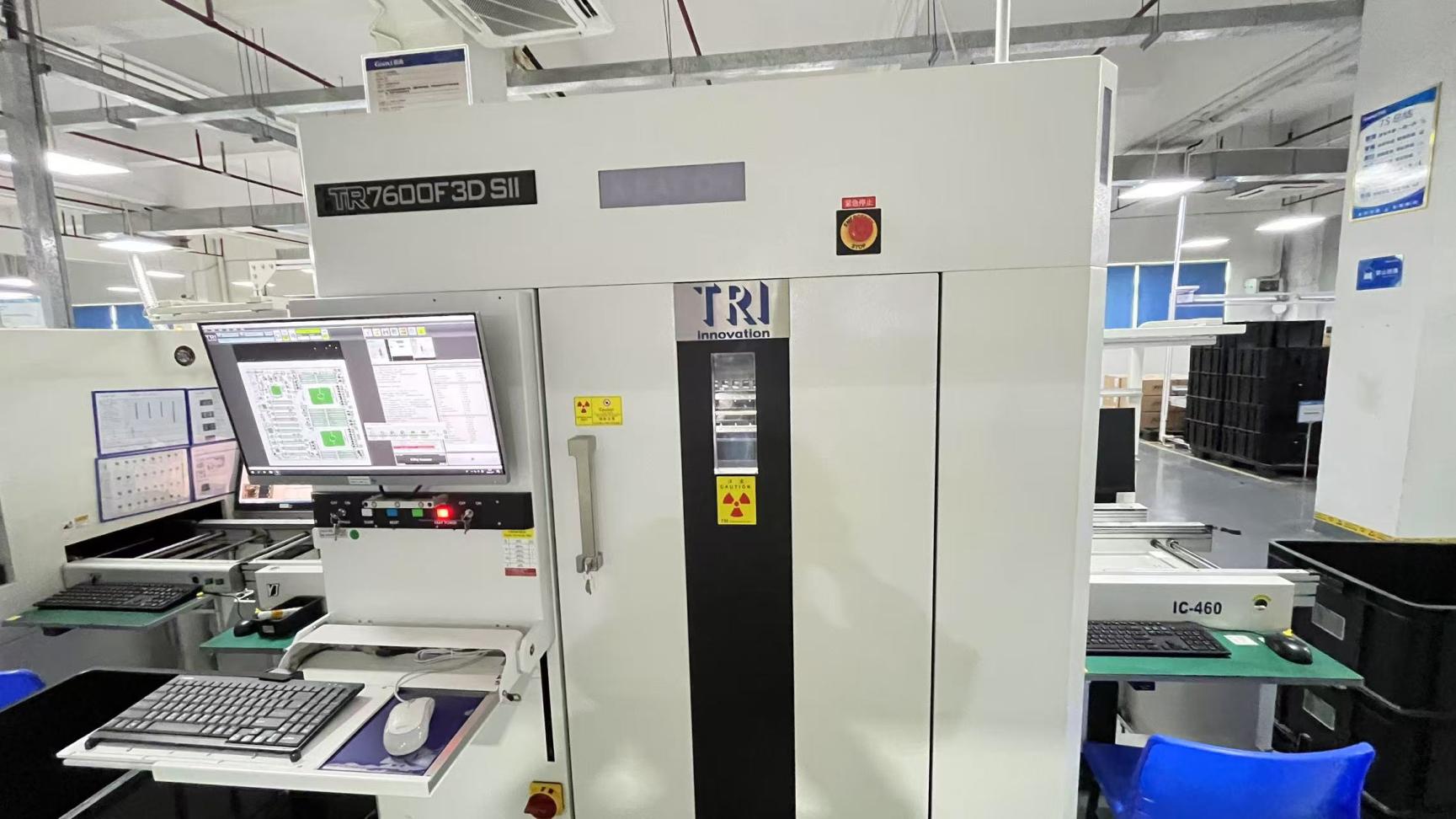
Modern Chinese factories leverage state-of-the-art SMT (Surface Mount Technology) assembly lines, automated optical alignment machines, and computer-guided laser welding units. The integration of 86 R&D engineers ensures that customized orders—including tailored firmware to bypass OEM-lockout codes on host switches, specific wavelength allocations, and dynamic power profiling—are processed with surgical precision.
To ensure total alignment with Google's E-E-A-T principles, we demonstrate the engineering precision and quality testing protocols applied to every transceiving device.
Using high-precision digital sampling oscilloscopes, we map optical eye diagrams to verify extinction ratio, optical power levels, and jitter performance against Multi-Source Agreements (MSA).
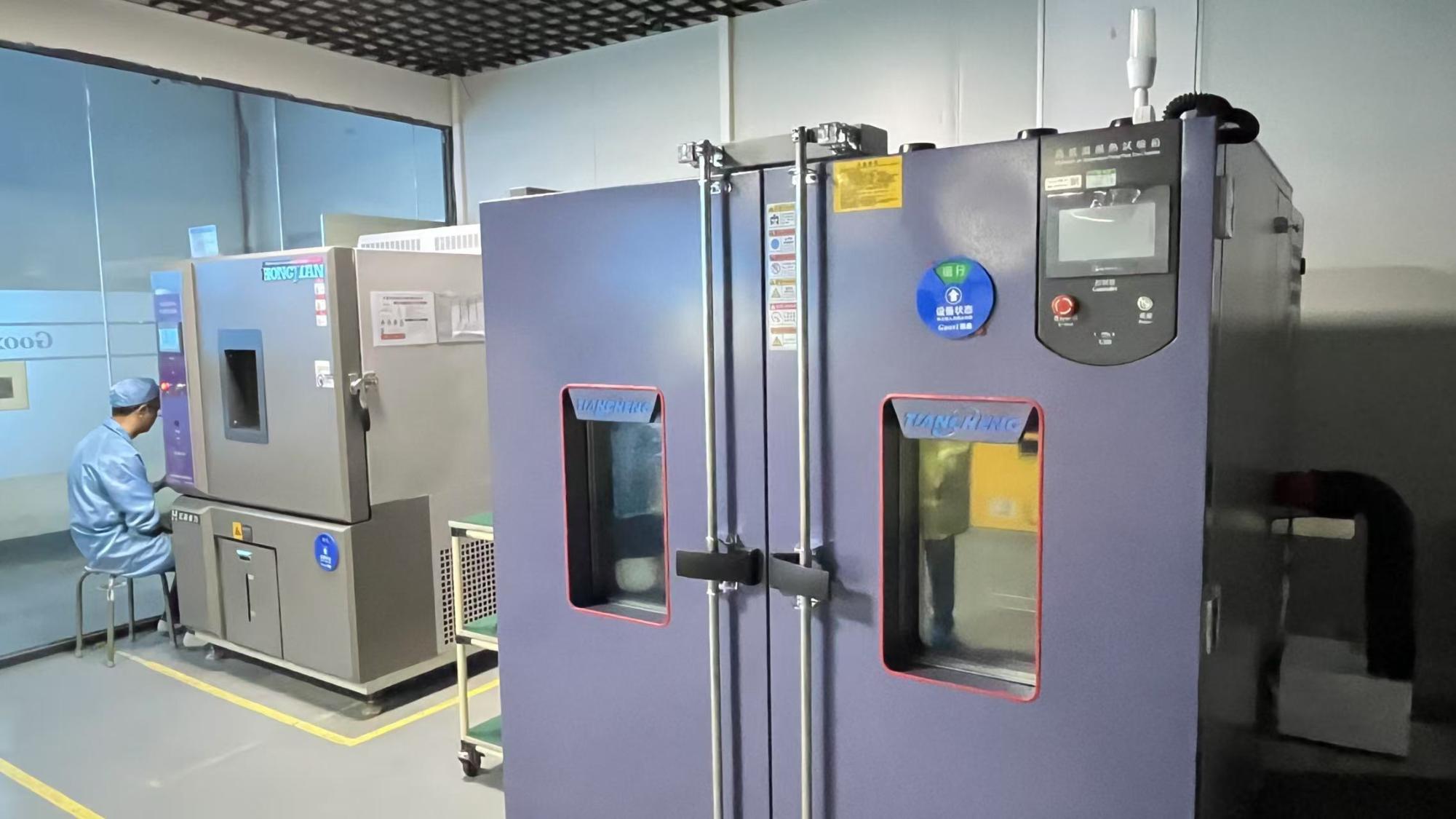
Modules undergo thermal cycling inside specialized environmental chambers. Extended temperature stress tests run from 0°C to 70°C for commercial grade, and -40°C to 85°C for industrial-grade modules.
Transceivers are plugged into physical, live-switch arrays containing Cisco, Juniper, Arista, Dell, and HP hardware. Real-world BER (Bit Error Rate) tests ensure zero frame loss and complete command-line compatibility.
Choosing the correct 40G QSFP+ transceiving architecture depends on the specific enterprise networking environments and scaling requirements.
In hyperscale environments, Leaf-Spine structures demand high-density interconnects. Using 40GBASE-SR4 MPO-12 optical transceivers, network operations can achieve low-latency interconnects between Top-of-Rack (ToR) switches and core distribution layers. For longer distances between distinct data center halls, 40GBASE-LR4 solutions extend links up to 10 kilometers over standard single-mode optical runs.
Artificial Intelligence training and High-Performance Computing (HPC) environments process massive datasets synchronously. Reliable 40G optical pipes secure low-latency data pipelines across distributed physical servers, preventing standard frame loss that could disrupt deep learning cycles.
Telecom providers leverage long-range 40GBASE-ER4 (40km) and ZR4 (80km) modules to bridge optical signals across municipalities without needing inline optical repeaters, keeping signal degradation (attenuation and dispersion) to minimum levels.
Upgrading legacy 10G SFP+ links to consolidated 40G QSFP+ connections, reducing cable density and switch ports requirements.
Utilizing 40G QSFP+ transceivers on one end and splitting into 4x 10G SFP+ ports on the other to maximize legacy network hardware utility.
Employing universal compatibility firmware options to securely run transceivers within heterogeneous switch configurations (e.g., Cisco to Juniper links).
Founded in 2016, Lumetra Optoelectronics Technologies Co., Ltd. is a professional manufacturer specializing in high-speed optical transceivers and fiber optic communication solutions for datacom, telecom, and cloud infrastructure applications. Over the years, the company has developed into a highly reliable supplier with strong engineering capabilities and global export experience.
The company operates a production facility covering approximately 8,500㎡, supporting efficient manufacturing and quality-controlled assembly processes. With annual export revenue reaching around USD 18 million, Lumetra has built stable international business channels and accumulated 7 years of export experience, backed by 11 years of overall industry expertise.
Quality assurance is maintained through a combination of automated optical performance testing, environmental stress screening, and manual inspection processes. The quality control team consists of 48 trained inspectors ensuring strict compliance with international standards.
Lumetra maintains a diversified trade background with a strong presence in OEM and ODM markets. Its primary markets include North America, Europe, Southeast Asia, and the Middle East, serving telecom operators, data center integrators, and network equipment distributors. With strong R&D capability, Lumetra supports advanced customization including protocol compatibility, wavelength tuning, form factor adaptation, and power optimization.


Common questions and technical answers concerning deployment, troubleshooting, and sourcing transceivers.
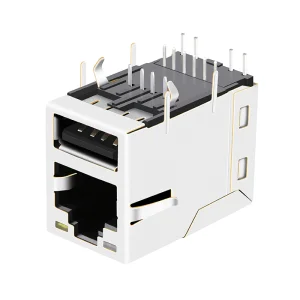
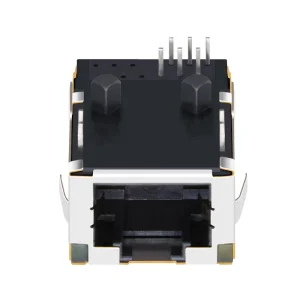
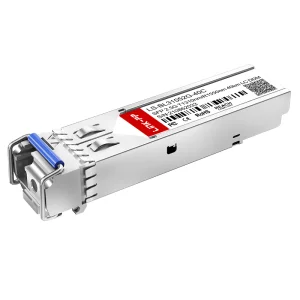
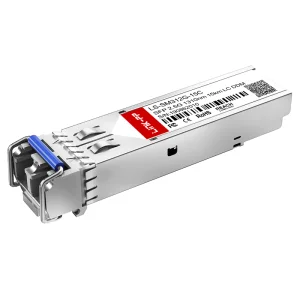
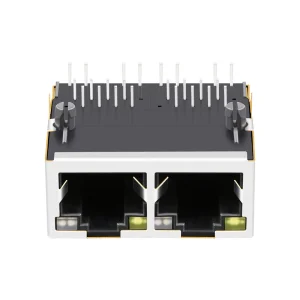
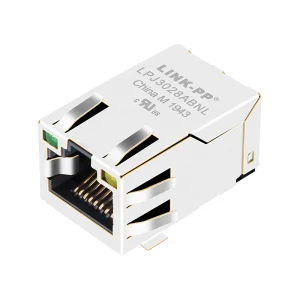
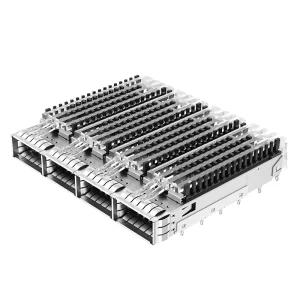
Discover our broader portfolio, including RJ45 magnetic connectors, 2.5G SFP transceivers, and ultra-high-speed 400G optical modules, designed to complete high-density infrastructure layouts.