Lumetra
Lumetra
Lumetra
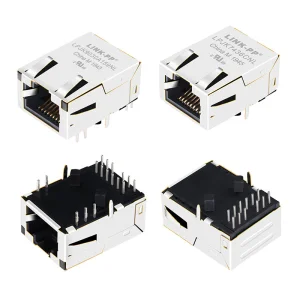
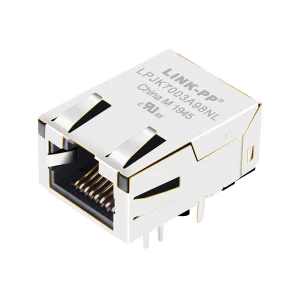
In the rapidly evolving landscape of telecommunications, edge computing, and industrial IoT (IIoT), space optimization has emerged as a critical engineering challenge. As networking devices, switches, routers, and embedded boards shrink in physical volume, components placed on the printed circuit board (PCB) must reduce their spatial footprints without sacrificing signal integrity or data speed. The standard RJ45 connector, long the backbone of copper-based Ethernet interfaces, presents a physical bottleneck due to its traditional vertical clearance requirements.
"Modern network interfaces demand sub-11mm height clearance while handling up to 10G Base-T speeds—a requirement only met by specialized low-profile modular jacks."
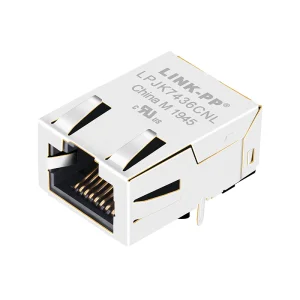
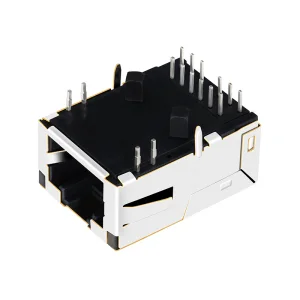
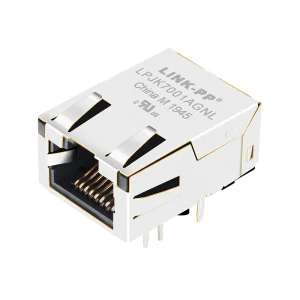
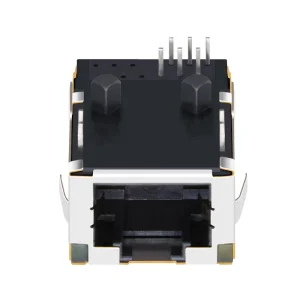
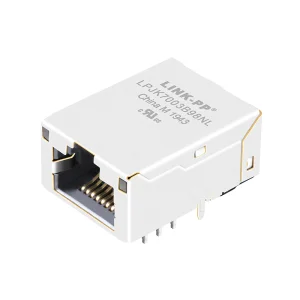
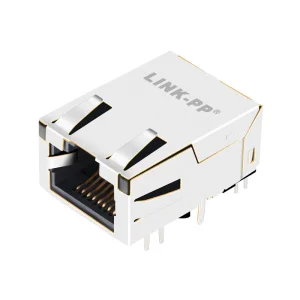
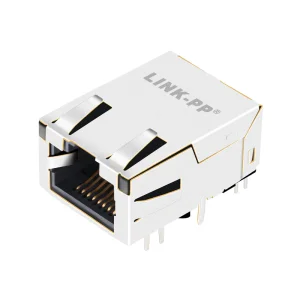
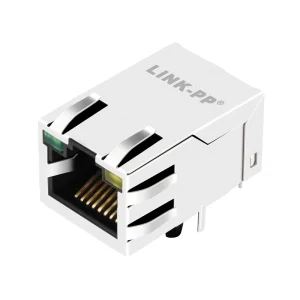
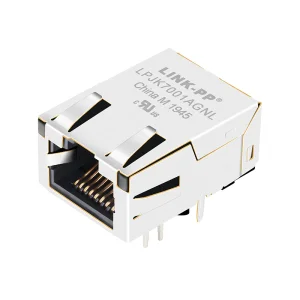
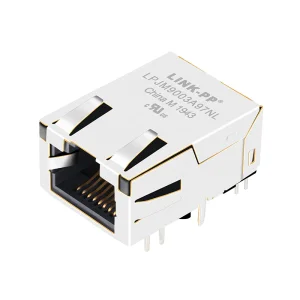
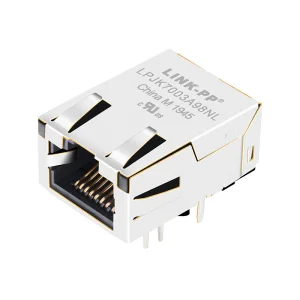
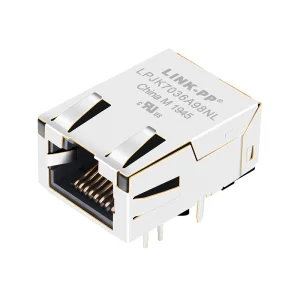
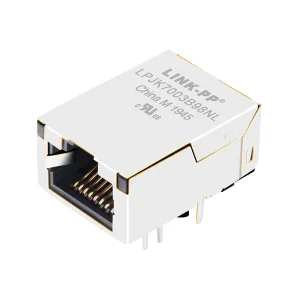
Globally, telecom infrastructure operators, enterprise server integrators, and industrial control manufacturers are actively migrating to low-profile RJ45 female connectors. These connectors feature optimized right-angle entries, tab-up or tab-down mechanical locking configurations, and integrated magnetics designed to fit into 1U server chassis, PCI Express expansion cards, and slim smart appliances. As high-speed optical fiber links expand globally, copper-to-fiber integration points also rely heavily on low-profile copper jacks to distribute multi-gigabit connections to terminal endpoints.
Developing high-density connectivity systems requires a precise balance of mechanical engineering and electrical performance. A high-performance low-profile RJ45 female connector is not merely a downsized shell; it is a completely redesigned transmission interface. Below, we break down the critical architectural factors that make these components essential for high-density physical topologies.
By incorporating common-mode chokes, isolation transformers, and high-voltage capacitors directly inside the RJ45 housing, Magjacks save critical PCB area while shielding delicate PHY layer chips from electromagnetic interference (EMI) and electrical overstress.
Low-profile connectors utilize multi-point grounding tabs on their metal outer shells. This ensures complete contact with the chassis panel, channeling electrostatic discharges (ESD) and shielding high-frequency internal lines from external noise.
To avoid oxidation and ensure signal reliability over thousands of insertion cycles, high-tier suppliers employ 50-microinch gold plating over nickel on phosphor bronze contacts. This guarantees low contact resistance and maximum operational lifespan.
Operating Ethernet at speeds above 1 Gbps (such as 2.5G/5G/10G Base-T) introduces significant return loss and crosstalk issues. At high frequencies, nearby lines inside the connector act as parallel antennas. Low-profile connectors address this by implementing specialized internal PCB boards (coplanar wave guides) inside the connector housing, optimizing contact pin distance, and applying heavy shield panels between pairs. The result is superior Near-End Crosstalk (NEXT) and Far-End Crosstalk (FEXT) attenuation profiles that easily comply with ANSI/TIA-568-C.2 Category 6A requirements.
When procurement managers and hardware designers evaluate global connector suppliers, the primary focus spans reliability, production speed, technical customization, and unit costs. China has transitioned from a basic assembly hub into a high-tier advanced engineering center. By relying on complete local supply chains, raw material availability, and highly optimized tooling workflows, Chinese manufacturers deliver unrivaled turnaround times for both standard and customized connector variants.
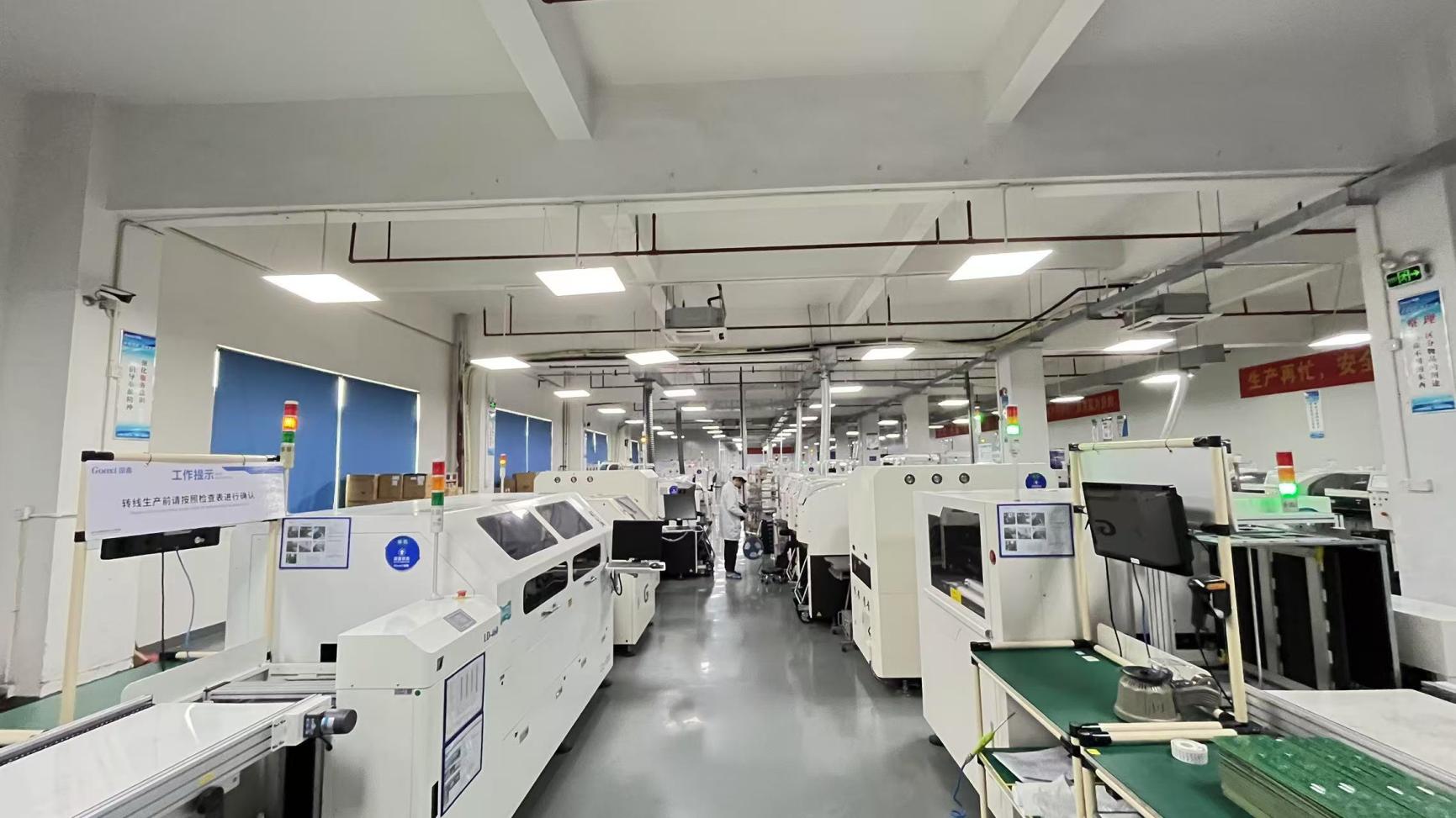
As a prominent player in high-speed datacom infrastructure components, Lumetra Optoelectronics Technologies Co., Ltd. serves as an industry benchmark. Established in 2016, Lumetra integrates professional manufacturing expertise with international logistics pathways. Leveraging its extensive 8,500㎡ facility, the company coordinates complex assembly and precise testing procedures, serving telecom operators, system integrators, and equipment manufacturers across North America, Europe, Southeast Asia, and the Middle East.
Our collaborative operational structure leverages over 1,200 verified supply chain partners, ensuring that from gold plating to high-performance plastics and internal magnetics, every element is acquired with minimal delays. Our engineering-driven approach is backed by 86 dedicated R&D engineers, allowing us to launch 220 new products annually to stay ahead of the evolving connectivity curve.
Deploying networking hardware requires addressing spatial constraints inherent to local markets, installation environments, and cooling capabilities. Below, we look at the core sectors where low-profile RJ45 connectors solve engineering layout problems.
In 1U and sub-1U rackmount servers, every millimeter of vertical space is needed for air cooling channels. Low-profile connectors permit the placement of dual-port or quad-port RJ45 layouts alongside PCIe slots, optimizing airflow and board density.
Industrial IoT gateways, smart cameras, and digital signage players are frequently housed in thin fanless chassis. Low-profile connectors mounted directly to embedded SBCs allow the final device profile to stay under 15mm thick.
Customer Premises Equipment (CPE), GPON ONT boxes, and home routers are designed with a focus on modern, slim consumer electronics aesthetics. Standard connectors force thicker, clunkier enclosures; low-profile jacks keep designs sleek.
A supplier’s value is defined by the consistency of their output. A single failed RJ45 jack on an expensive server motherboard can lead to costly warranty claims and trace repairs. Therefore, we utilize strict multi-stage quality assurance systems.
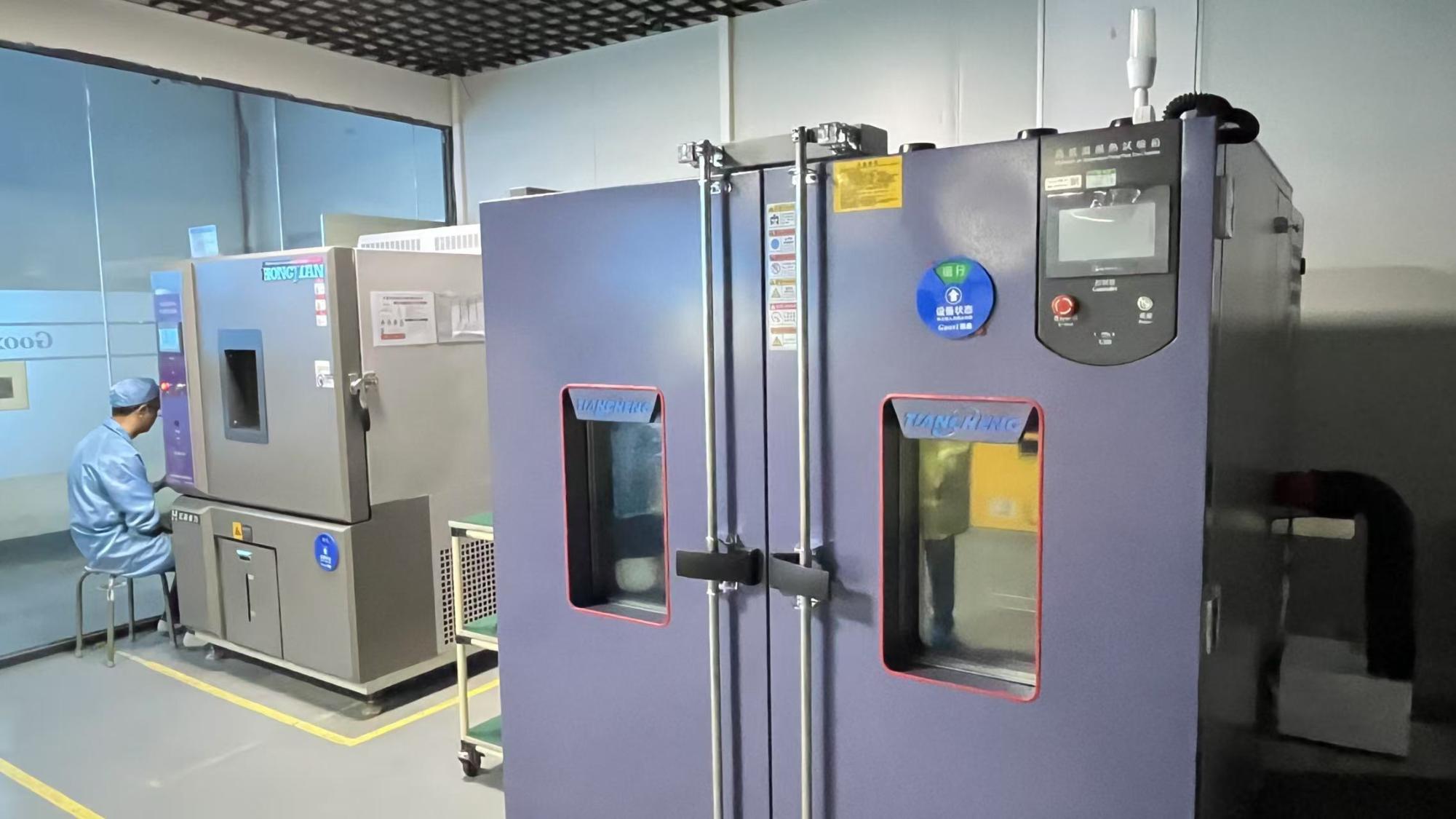
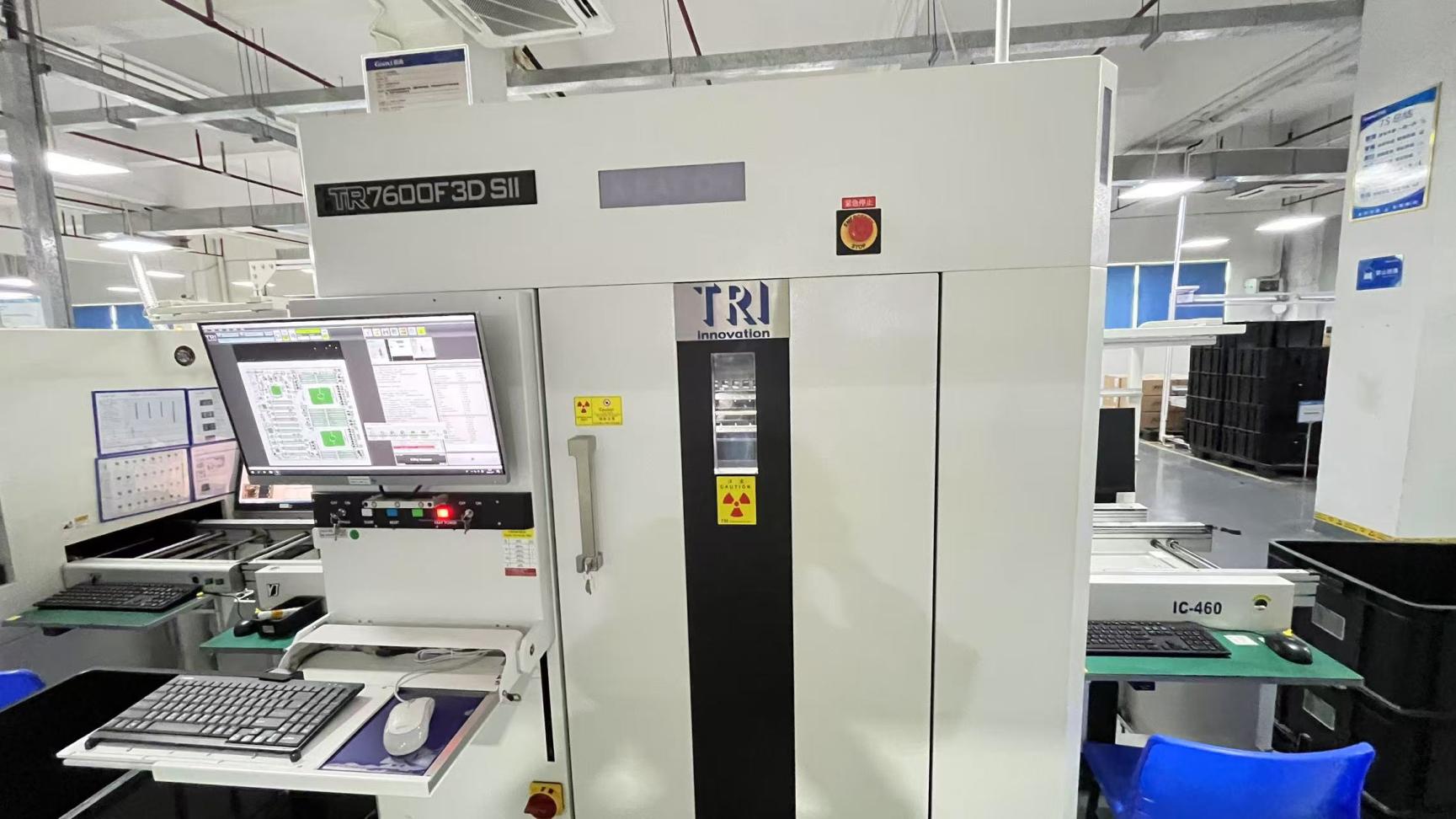
Quality control at our facilities begins with material inspections: inspecting the copper purity of our contact leads and testing the flame retardancy of the plastic housings (rated to UL94V-0). Throughout the manufacturing process, automated optical performance testing systems inspect contact alignment, pin positioning, and LED performance. Environmental stress screening chambers test performance under extreme temperatures (-40°C to +85°C) and variable humidity, replicating demanding telecom conditions.
To verify the electromagnetic compliance (EMC) of our integrated magnetics lines, every batch undergoes automated insertion loss, return loss, and high-voltage dielectric isolation testing. Our team of 48 trained quality inspectors ensures that no substandard component enters the export channel.
When sourcing low-profile RJ45 female connectors, buyers should evaluate key technical parameters beyond cost:
A standard RJ45 connector typically sits at a height of 14.5mm to 16.5mm above the PCB surface. A low-profile RJ45 female connector reduces this profile to between 8.5mm and 11.5mm. Certain specialized offset or mid-mount connectors sit partially below the PCB surface, yielding an effective vertical height as low as 6.5mm.
Integrated magnetics house the isolation transformer and common-mode filter components within the shielded RJ45 metal enclosure. If these are not integrated, they must be laid out on the PCB using discrete components. Integrated magnetics save up to 50% of the PCB surface area, shield components from EMI, and improve overall signal integrity.
The selection depends on mechanical ease-of-use and PCB layout details. In bottom-oriented configurations, a Tab-Up connector allows the user to press the release tab on the top side of the port. For high-density systems, ensuring the release tab is accessible without interfering with other hardware is a critical design factor.
Yes, low-profile connectors can be configured for Power over Ethernet (PoE, PoE+, and PoE++), compliant with IEEE 802.3af/at/bt standards. Supporting PoE requires internal magnetic coils and pins rated to handle the increased current loads (typically up to 600mA or 1000mA per pair) without overheating or degrading signals.
Our design team supports custom layouts, including modifying physical tab layouts, adjusting shielding pins, adding customized LEDs, and optimizing magnetics for specific transceiver chips. With 86 R&D engineers, we provide fast mechanical modeling, prototyping, and testing workflows.
Our connectors comply with international network transmission and hardware assembly requirements, including RoHS and REACH environmental guidelines. Electrical parameters align with IEEE 802.3 specifications, and mechanical elements are built to meet IEC 60603-7 dimensions for standardized modular plug compatibility.