Lumetra
Lumetra
Lumetra
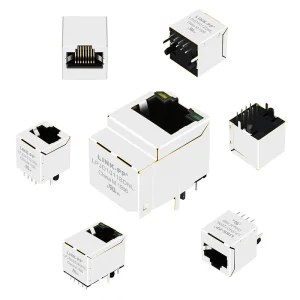
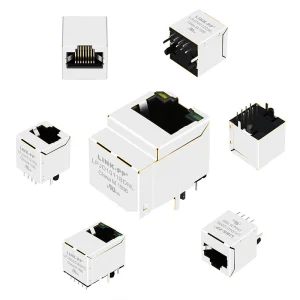
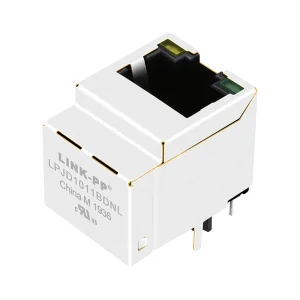
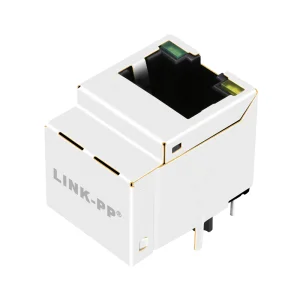
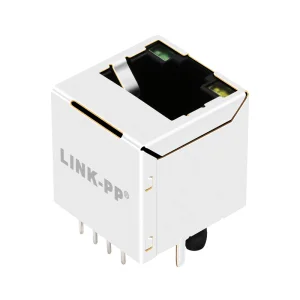
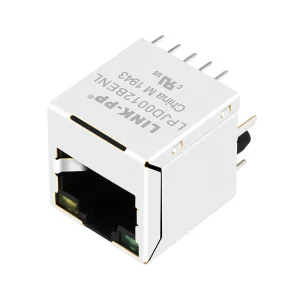
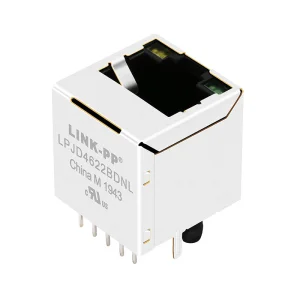
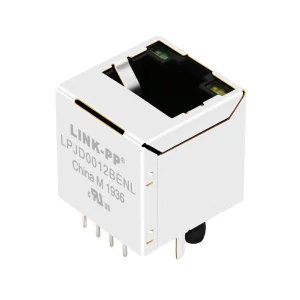
Explore our high-performance vertical (top-entry) and integrated magnetic RJ45 female jacks designed for high-density PCB integration.
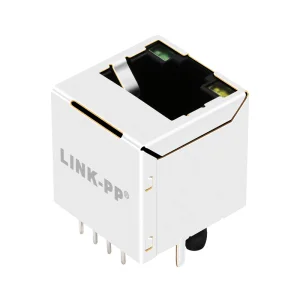
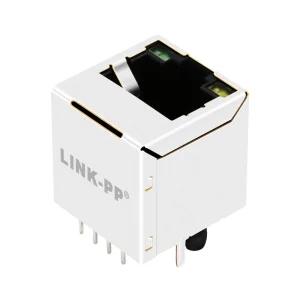
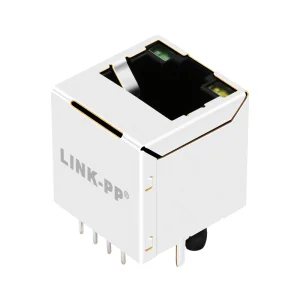
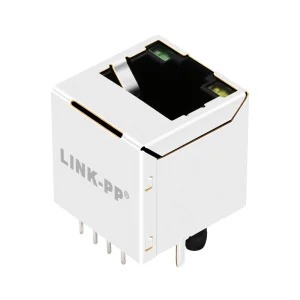
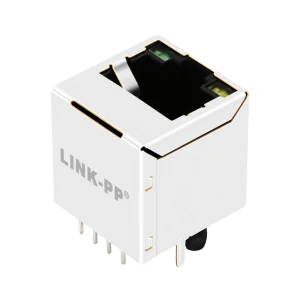
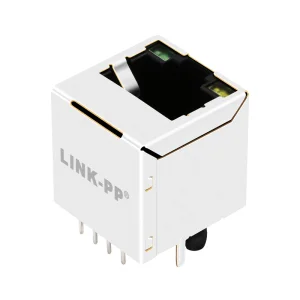
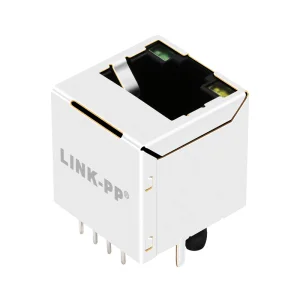
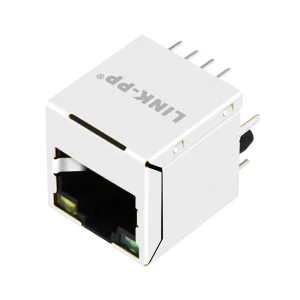
Within high-performance network engineering, physical layout constraints dictate component selection. Standard horizontal, right-angle RJ45 connectors project outward parallel to the printed circuit board (PCB), placing high lateral demands on space and exposing trace runs to complex EMI challenges. Conversely, vertical RJ45 connectors (also recognized as top-entry RJ45 jacks) route connection interfaces at a perpendicular 90-degree angle to the substrate. This design allows for a significantly smaller PCB footprint and optimized routing lines on multi-layer configurations.
Vertical mounting eliminates lateral mechanical shear stress during patch cable insertion and extraction. By transferring axial insertion forces directly downward into the PCB ground planes, mechanical durability is substantially enhanced compared to right-angle components, preserving contact integrity over thousands of mating cycles.
Procurement teams within global networking companies face multifaceted issues when securing high-reliability components. Chief among these is maintaining signal integrity at scale while navigating complex supply chains. Sourcing managers must assess:
Vertical RJ45 female connectors are essential in applications requiring space optimization. By changing the orientation of the physical port, engineers can restructure entire device architectures:
Unshielded connectors act as mini-antennas, collecting and transmitting high-frequency electromagnetic noise. For high-speed applications (1000Base-T and above), Lumetra utilizes integrated metallic shielding with multi-point grounding tabs. These tabs establish a low-impedance path to the chassis ground, minimizing electromagnetic interference (EMI) and Near-End Crosstalk (NEXT).
For applications where PCB space is too tight to host separate filtering components, Integrated Connector Modules (ICMs) or MagJacks provide a compact solution. By enclosing isolation transformers, common-mode chokes, and ESD protection diodes inside the vertical RJ45 metallic shell, external components are reduced, saving space and improving signal integrity.
A reference table for engineers selecting components based on transmission frequency, PoE capability, and shielding needs.
| Model / Family | Category Rating | PoE Compatibility | Shielding Type | Integrated Magnetics (ICM) | Target Applications |
|---|---|---|---|---|---|
| HFJV1-1G46RL / 1840459-1 | Cat5e / Cat6 (Gigabit) | PoE+ (IEEE 802.3at) | Fully Shielded w/ Ground Tabs | Yes (Integrated Transformer) | Enterprise Routers, Access Points |
| LJ-H17S4I-00-F / LJ-H17S4H | Cat5e (100/1000M) | Standard PoE | Shielded | Yes | Industrial IPCs, SOHO switches |
| SS-7188VS-A-NF-50 | Cat3 / Cat5 (Base-T) | Non-PoE / External Injection | Unshielded (Plastic Housing) | No (Direct Contact Pins) | Legacy Interfaces, Telephony, Modems |
| 1840456-1 / TVS Series | Cat6 (Gigabit) | PoE++ (IEEE 802.3bt) | Metallic Shield, EMI Gasket | No (Vertical Modular Jack) | Server Boards, Smart Grid Gateways |
| Waterproof Sealed Series | Cat5e / Cat6 / Cat6a | PoE / PoE+ Compatible | IP67 Sealed / Shielded | No | Outdoor Surveillance, Marine Sensors |
Lumetra’s state-of-the-art facility integrates advanced SMT, precision injection molding, and testing systems to guarantee high manufacturing yields.
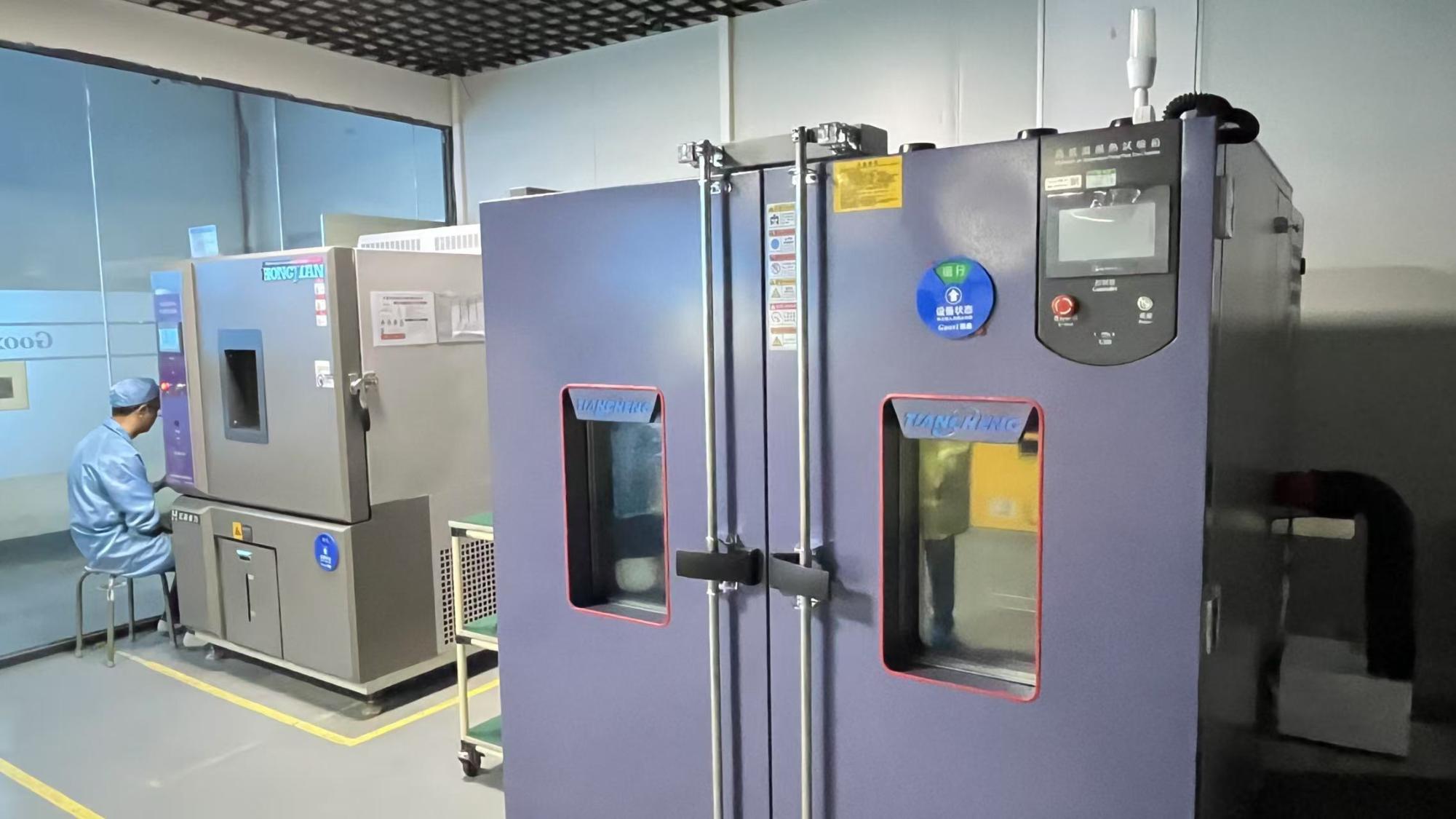
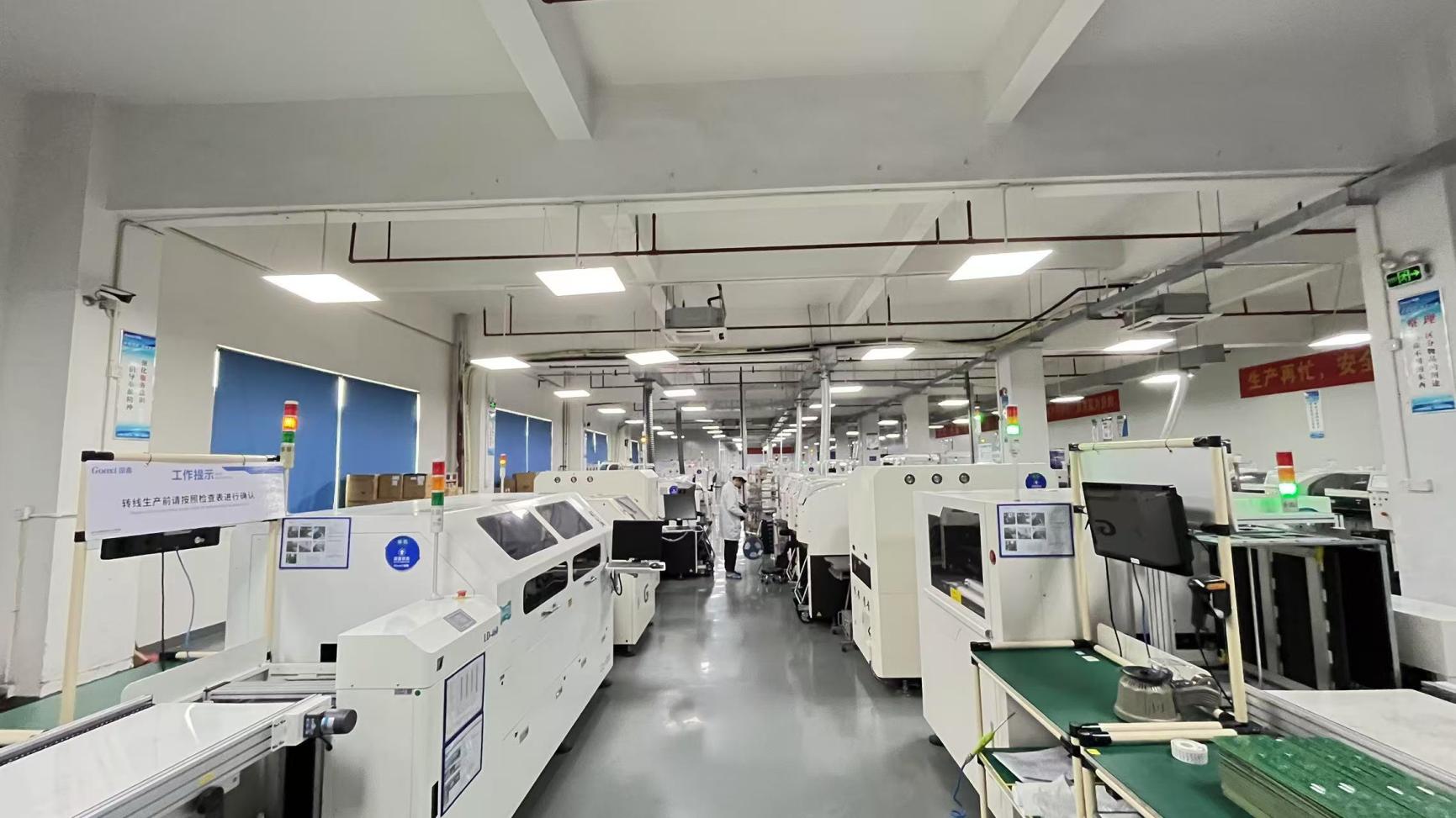
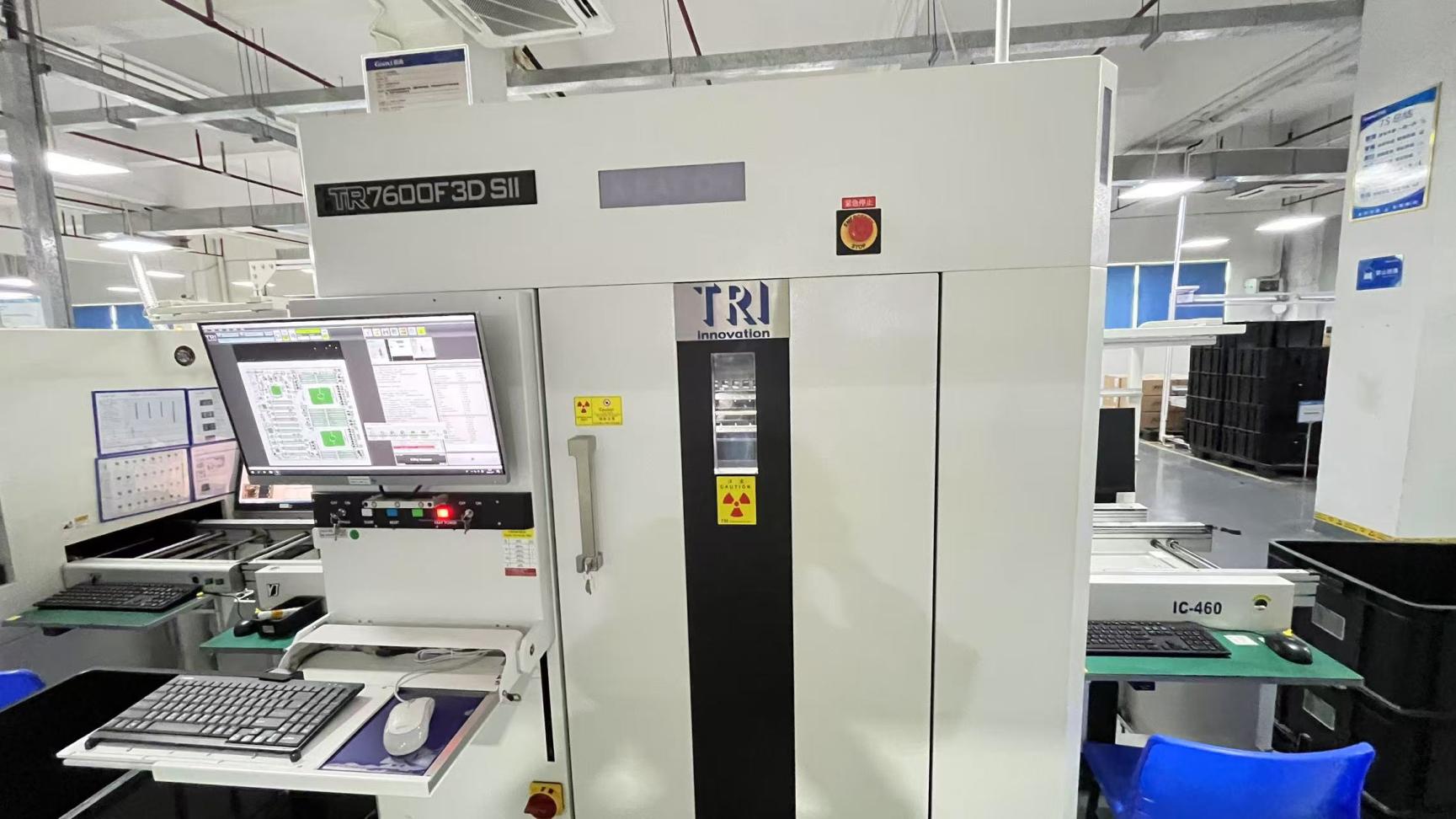

Established in 2016, Lumetra has grown from an engineering design office into a specialized manufacturer. Our production facility covers 8,500㎡. We implement standard protocols at every stage, from material input to final product shipping. We monitor every step of production to ensure consistency in performance and durability across large manufacturing runs.
Our quality assurance workflow features several automated checks, including:
Detailed technical answers to common engineering and sourcing questions regarding vertical RJ45 female connectors.
Browse our selection of specialized and PoE-ready vertical RJ45 jacks for telecom and cloud infrastructure networks.