Lumetra
Lumetra
Lumetra
High-performance bidirectional and duplex fiber optical modules engineered for high durability, long reach, and vendor interoperability.
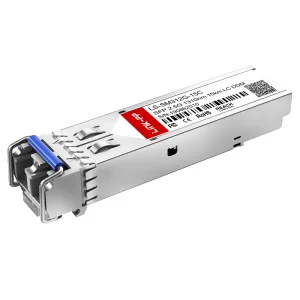
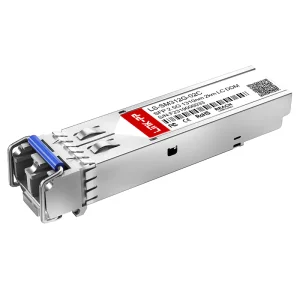
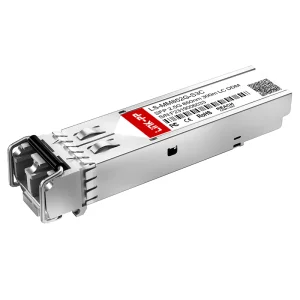
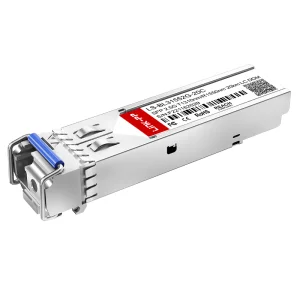
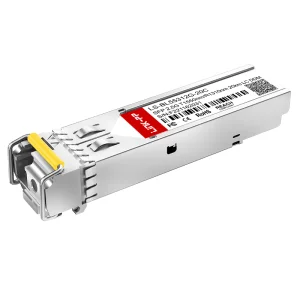
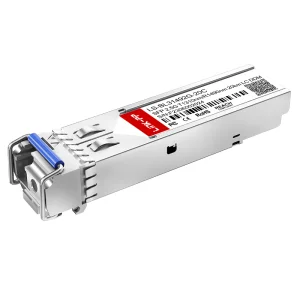
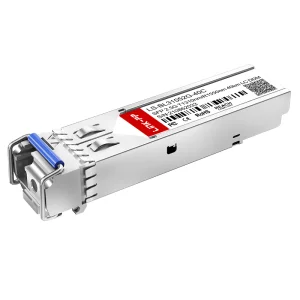
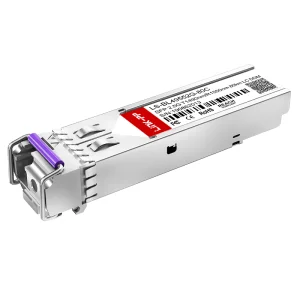
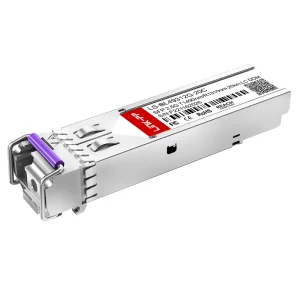
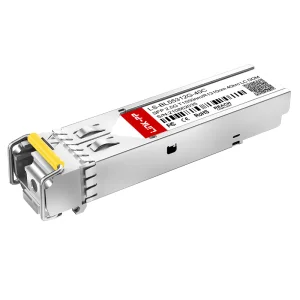
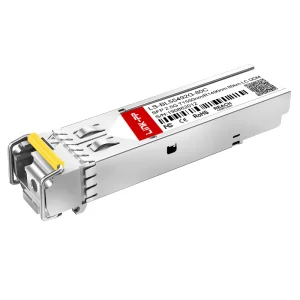
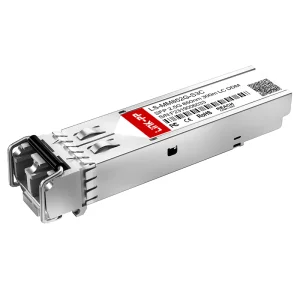
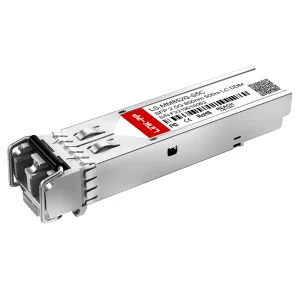
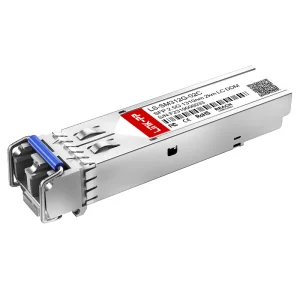
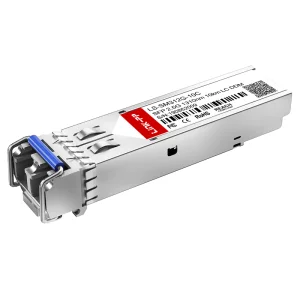
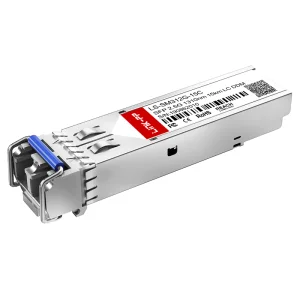
As network architectures transition from traditional 1G (Gigabit Ethernet) speeds toward high-capacity 10G/25G structures, the 2.5G to 6G SFP optical transceiver module range serves as a critical bridge. High-bandwidth optical solutions in this speed bracket are key enablers for medium-density networks, enterprise access points, and wireless backhauls.
Whether upgrading copper-based local loop infrastructure to fiber (FTTx) or managing optical budgets inside modern enterprise networks, industrial engineers rely on 2.5G and 6G Small Form-factor Pluggable (SFP) modules for their balance of power efficiency, thermal reliability, and cost-effectiveness. In particular, wireless carriers use 6G transceivers on the Common Public Radio Interface (CPRI) standard to connect remote base units to antenna systems in LTE and early-stage 5G deployments.
A professional optical device developer providing complete structural OEM/ODM manufacturing, testing, and component customization.
Backed by our 86 R&D engineers, we provide complete custom hardware adaptations, including protocol compatibilities, wavelength tuning, form factor modifications, and low-power consumption optimization down to <1.0W per module.
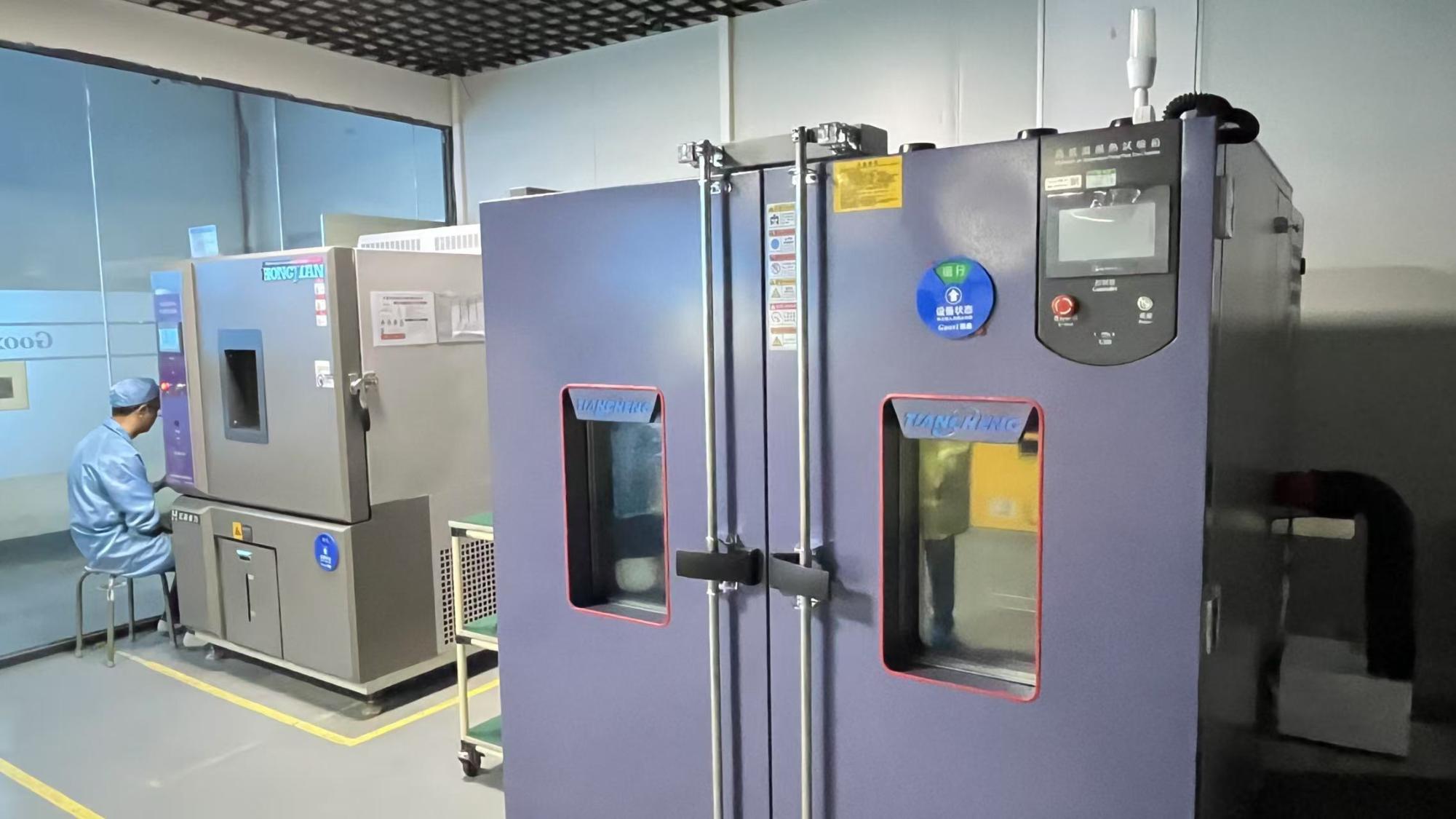
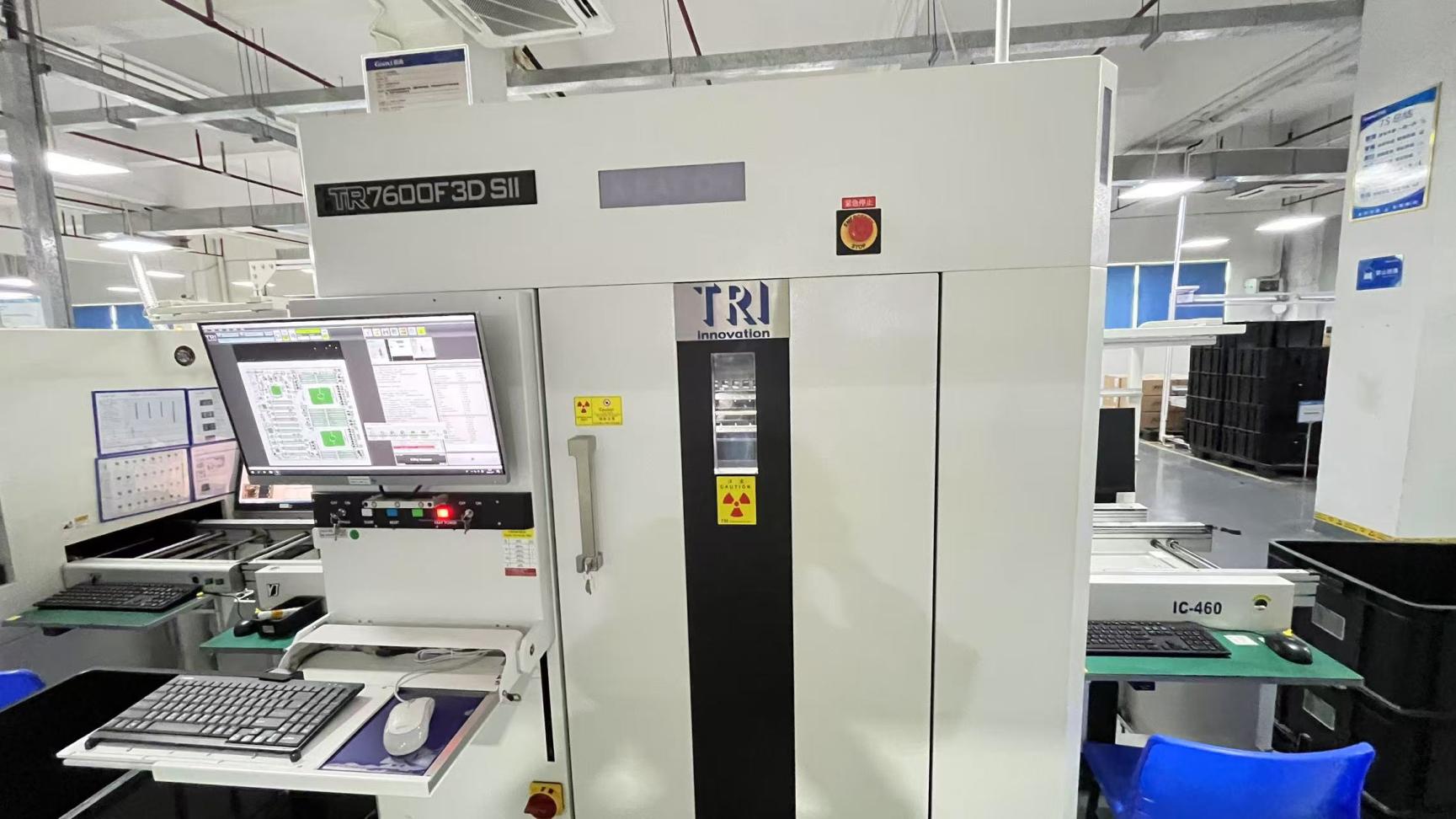
Our quality assurance department includes 48 trained inspectors utilizing automated optical performance testing, high-stress environmental screening chambers, and manual cosmetic evaluations to comply with global telecom benchmarks.
With over 7 years of pure export operations and 11 years of deep industry presence, Lumetra supplies data centers, telecom networks, and hardware OEMs across North America, Europe, Southeast Asia, and the Middle East.
Standard and Bidirectional (Bidi) optical paths calculated for fiber efficiency, insertion loss, and distance performance.
| Wavelength Combination | Fiber Type | Laser Type | Typical Reach | Link Budget (dB) | DDM Support |
|---|---|---|---|---|---|
| 850nm Duplex (MMF) | Multi-Mode OM2/OM3 | VCSEL | 300m - 550m | 8.5 dB | Standard / Optional |
| 1310nm Duplex (SMF) | Single Mode G.652 | DFB | 2km - 15km | 11.0 - 15.0 dB | Standard |
| 1310nm-TX / 1550nm-RX (Bidi) | Simplex Single Mode | DFB / PIN | 20km - 40km | 15.0 - 19.0 dB | Standard |
| 1490nm-TX / 1550nm-RX (Bidi) | Simplex Single Mode | DFB / APD | 80km | 24.0 dB | Standard |
| 1550nm-TX / 1490nm-RX (Bidi) | Simplex Single Mode | DFB / APD | 80km | 24.0 dB | Standard |
The hardware path of 2.5G to 6G optical modules is driven by cost efficiency and thermal limits. Originally utilizing discrete components, modern SFP designs utilize highly integrated optical sub-assemblies (OSA) that combine the transmitter (TOSA) and receiver (ROSA) within single-mode TO-CAN packages. This packaging path significantly reduces parasitic capacitance and maintains signal integrity for data rates exceeding 5 Gbps.
In the future, the migration toward higher density networks will see hybrid SFP architectures capable of auto-negotiating speeds between 1G, 2.5G, 5G, and 10G. This backward compatibility protects investments for operators upgrading physical networks. Furthermore, the incorporation of Digital Diagnostic Monitoring (DDM / DOM) according to SFF-8472 standards allows administrators to monitor real-time parameters such as optical output power, optical input power, temperature, laser bias current, and transceiver supply voltage directly from network switches.
How our strategic industrial clustering enables rapid prototyping, cost control, and reliable mass manufacturing.
Our collaboration with over 1,200 strategic supply chain partners ensures we secure high-grade III-V semiconductor wafers, TO-headers, transimpedance amplifiers (TIA), and high-frequency PCBs at stable pricing even during global supply shifts.
By using precision pick-and-place robotics and automated optical alignment systems on our 8,500㎡ facility floor, we achieve tight mechanical alignment tolerance of less than 0.5 microns, ensuring reliable coupling performance.
With an annual R&D release of around 220 new customized options, our production lines are built to transition seamlessly from rapid prototyping and small-batch custom runs to high-volume manufacturing, keeping lead times short.
Operating under stable international commercial frameworks, Lumetra handles complex customs clearances, tariff classification codes (HS Code: 85177090), and localized compliance. Through our established logistics hubs, we offer standard door-to-door air freight shipping options, bulk sea distribution, and regional warehousing configurations to streamline deliveries.
To ensure reliability for system integrators, every batch of transceivers undergoes comprehensive compatibility testing on actual network switches (Cisco, Juniper, Arista, Huawei, HPE, etc.) to guarantee plug-and-play operability without command-line errors.
Every optical transceiver manufactured by Lumetra undergoes a sequence of physical and electrical testing. Our cleanrooms are monitored for dust control to prevent microscopic optical path contamination that could cause high insertion loss.
Our quality control protocols include automated optical eye-pattern verification, Bit Error Rate (BER) validation, thermal aging tests at extreme operating temperature ranges (-40°C to +85°C for industrial SFP lines), and structural insertion examinations.
Lumetra's output is certified for CE, FCC, RoHS, and REACH compliances, ensuring international safety and environmental standards are met.
Below are verified glimpses into our ISO-certified production lines, automatic alignment workshops, and QC testing stations where our 48-inspector team operates:


Expert technical answers addressing common integration issues, design rules, and compatibility options.
Commercial Temp (C-Temp) SFP modules are rated for standard indoor environments, operating between 0°C and 70°C. Industrial Temp (I-Temp) modules are built for rugged environments, operating between -40°C and 85°C. I-Temp SFP transceivers utilize specialized lasers (DFB or EM) and hardened components to maintain stable wavelengths and signal performance in remote locations, smart grids, and outdoor telecoms.
Standard duplex optical transceivers use one fiber channel to transmit data (TX) and a second channel to receive data (RX). Bidi SFP transceivers transmit and receive signals over a single fiber by using two distinct wavelengths (e.g., 1310nm-TX and 1550nm-RX). They employ integrated Wavelength Division Multiplexing (WDM) diplexers to separate incoming and outgoing paths. This allows installers to double data capacity over existing fiber cabling.
Digital Diagnostic Monitoring (DDM), also known as Digital Optical Monitoring (DOM) under the SFF-8472 standard, provides real-time access to module operating parameters. These include optical transceiver temperature, laser bias current, optical output power, received optical power, and supply voltage. Network engineers use DDM parameters to locate system faults, isolate fibers, and predict component failure before downtime occurs.
Yes. Major networking OEMs code-lock their SFP ports to reject third-party modules. Lumetra utilizes in-house coding platforms to write custom EEPROM configurations (matching Vendor IDs, serial numbers, and check-sum parameters) for compatibility with Cisco, Juniper, HPE, Arista, Intel, Dell, and other leading manufacturers.
Supported by our 86 R&D engineers, we can customize parameters such as wavelength matching, power budgets for extended distances (up to 120km), custom optical connectors (e.g., Angled Physical Contact - APC), and firmware tuning. These services help clients meet specific requirements for unique projects.
Further wavelength budgets, single-fiber Bidi modules, and multi-mode systems for short and long-haul architectures.