Lumetra
Lumetra
Lumetra
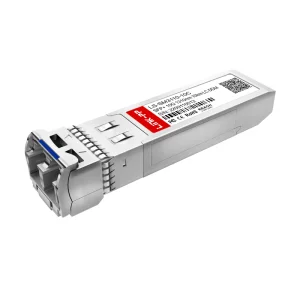
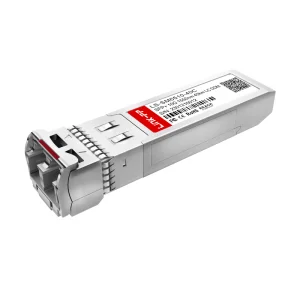
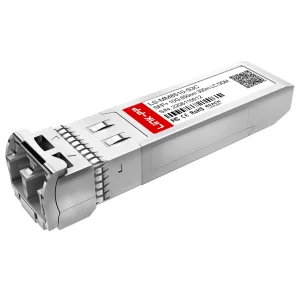
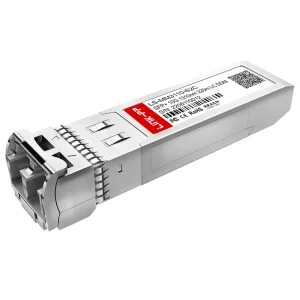
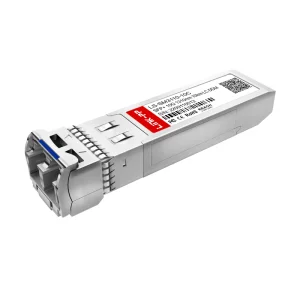
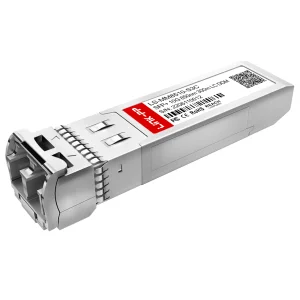
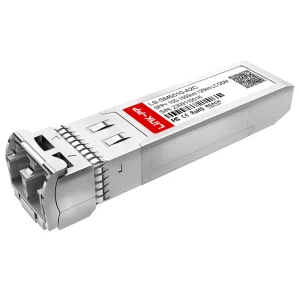
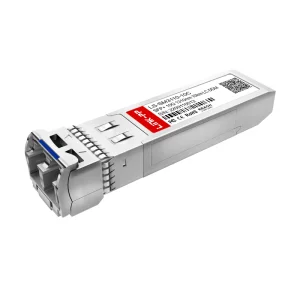
Explore our production line of 10GBASE Single Mode and Multi-Mode SFP+ transceivers engineered for enterprise networking, storage area networks (SAN), and carrier networks.
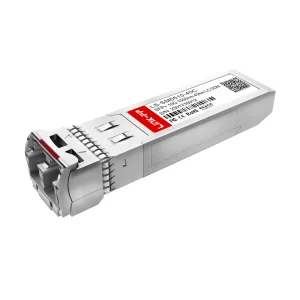
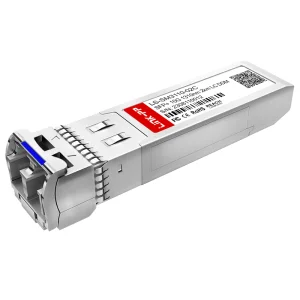
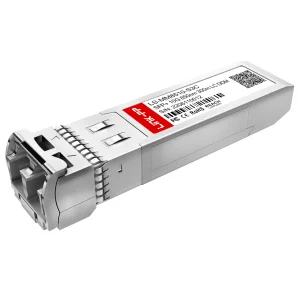
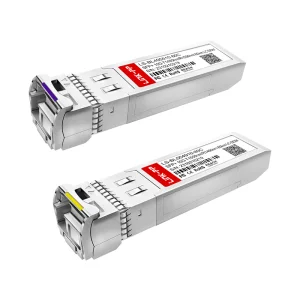
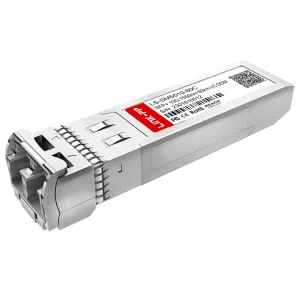
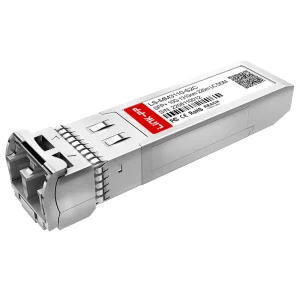
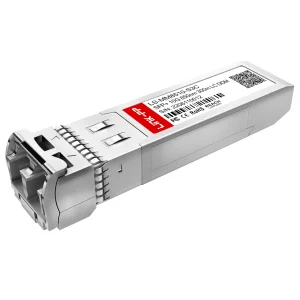
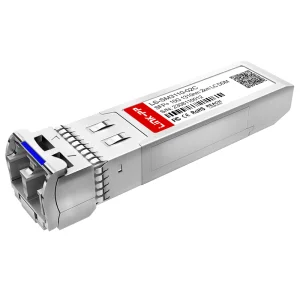
In high-speed, enterprise-grade optical communication networking, the SFP+ (Small Form-factor Pluggable Plus) transceiver module represents the foundational baseline for reliable optical transmission. Formally standardized under the Multi-Source Agreement (MSA) standards including SFF-8431 and SFF-8472, SFP+ optical modules support high-bandwidth digital data rates with low power footprints and high port densities.
As networks scale, optical transceivers must deliver high performance across diverse distances, fiber configurations, and environmental conditions. Understanding the physical layout of these transceivers, their optical transmission media, and operational monitoring interfaces is vital for network architects planning robust fiber infrastructure. The design path depends on choosing appropriate optical emitters (lasers) and photo-receivers to meet strict system performance targets.
Selecting the appropriate laser—VCSEL, DFB, or EML—is crucial for balance between fiber distance, dispersion characteristics, and budget. VCSELs power short-range multimode applications; DFBs serve medium-reach SMF links; EMLs provide external modulation to reduce chromatic dispersion over extended reaches up to 80km.
While standard PIN photodiodes work efficiently for short-to-medium distances, long-haul scenarios (e.g., 10GBASE-ZR) require Avalanche Photodiodes (APD). APDs multiply current internally to achieve high optical receiver sensitivity, ensuring a low Bit Error Rate (BER < 10⁻¹²) over high-attenuation paths.
Compliance with SFF-8472 provides real-time access to operational metrics via the 2-wire serial interface (I2C). Network administrators can track transceiver temperature, laser bias current, transmitted optical power, received optical power (RSSI), and module power supply voltage.
Engineered to support varying physical layouts and protocol layers, from multimode enterprise LAN links to long-haul carrier fiber routes.
| Module Standard | Wavelength | Fiber Type | Max Reach | Typical Laser Source | Typical Application Scope |
|---|---|---|---|---|---|
| 10GBASE-SR | 850 nm | MMF (OM3 / OM4) | 300 m / 400 m | VCSEL | Intra-rack, Data Center Spine-Leaf Interconnects |
| 10GBASE-LRM | 1310 nm | MMF (OM1/OM2/OM3) / SMF | 220 m / 2 km | DFB | Legacy Structured Cabling, Enterprise Upgrades |
| 10GBASE-LR | 1310 nm | SMF (G.652) | 10 km | DFB | Campus Backbone, Carrier Metropolitan Ring Network |
| 10GBASE-ER | 1550 nm | SMF (G.652) | 40 km | DFB / EML | Inter-office Backhaul, Metropolitan Access Ring |
| 10GBASE-ZR | 1550 nm | SMF (G.652) | 80 km | EML + APD Receiver | Long-Haul Backhaul, Regional Carrier Transit |
| 16G Fibre Channel (FC-PI-5) | 850 nm / 1310 nm | MMF / SMF | Up to 10 km | VCSEL / DFB | Storage Area Network (SAN), High-Speed Data Storage Arrays |
While 400G and 800G optical transceivers are expanding in hyperscale cloud cores, 10G Ethernet and 16G Fibre Channel SFP+ modules remains the backbone of access networks, enterprise distribution layers, and Storage Area Networks (SAN). The excellent ratio of performance to cost, combined with thermal efficiency and structural maturity, keeps these modules essential in modern systems integration.
16G SFP+ modules are built for the strict timing demands of Fibre Channel storage systems. These transceivers support 14.025 Gbps signaling rates and are backward compatible with 8G and 4G Fibre Channel protocols. This makes them crucial for connects between high-performance flash storage arrays and storage controllers, preventing data bottlenecks in heavy virtualization environments.
Modern mobile backhaul and fronthaul networks rely on high-reliability optical interfaces. Using 10G BiDi (Bidirectional) SFP+ transceivers allows carriers to double fiber capacity by transmitting and receiving signals over a single strand of fiber (using separate wavelengths like 1270nm and 1330nm). This reduces leasing and physical deployment costs for fiber in dense urban settings.
Industrial installations require robust hardware that stands up to extreme conditions. Lumetra's industrial-grade SFP+ transceivers are built with hardened internal components to operate reliably across a wide temperature spectrum from -40°C to +85°C. These are widely used in smart grids, railway transit control, and outdoor security networks.
Inside Lumetra Optoelectronics Technologies' advanced manufacturing facility in Shenzhen, where innovation meets strict quality control.
Founded in 2016, Lumetra operates a state-of-the-art production facility covering approximately 8,500 square meters. By using automated optical sub-assembly (TOSA/ROSA) alignment, automated wire bonding, and automated optical inspection (AOI), we maintain reliable optical output and minimal insertion loss across all modules. Supported by 11 years of industry expertise and 7 years of global export operations, our manufacturing system is built to deliver consistently high quality at scale.
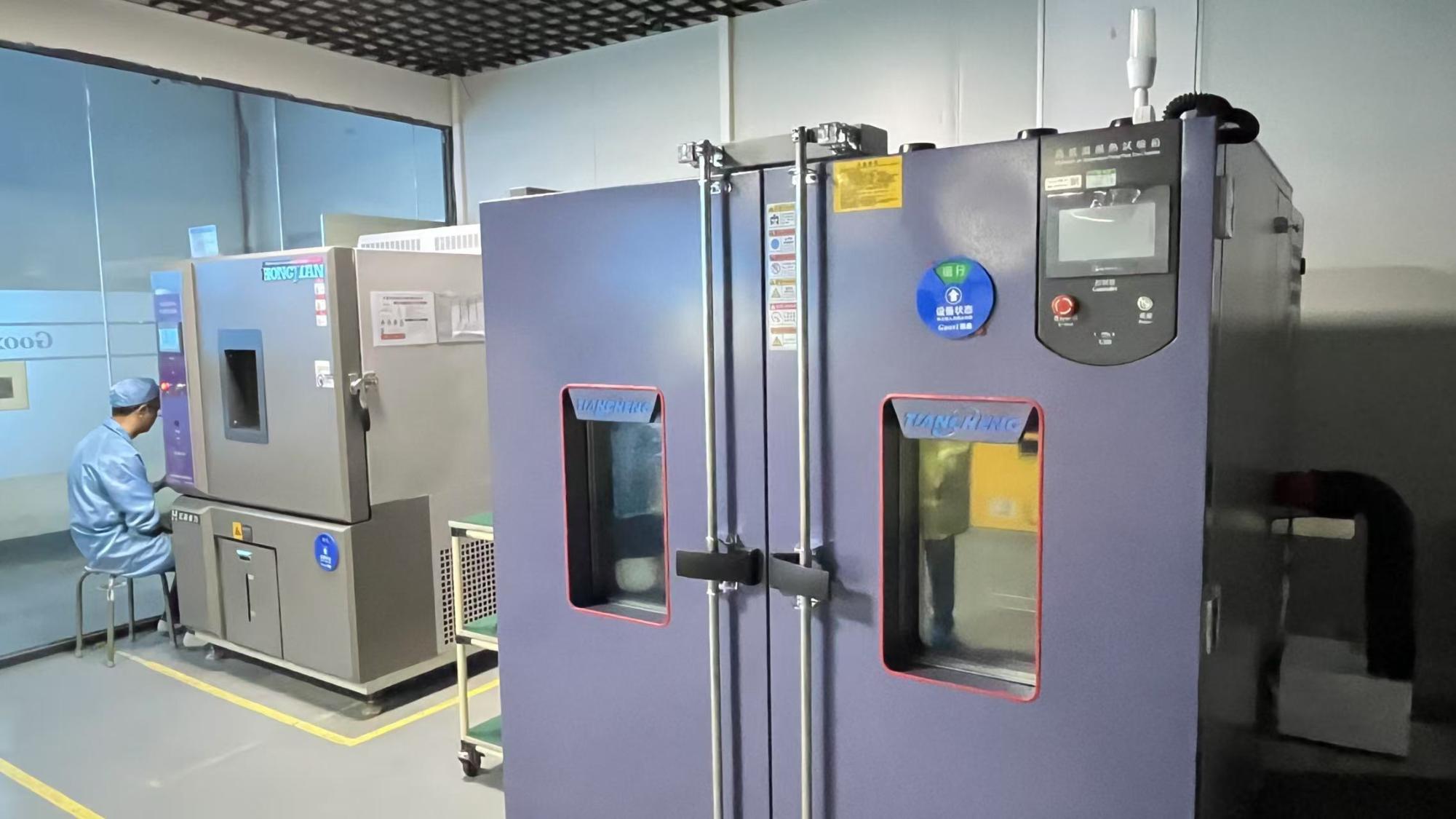

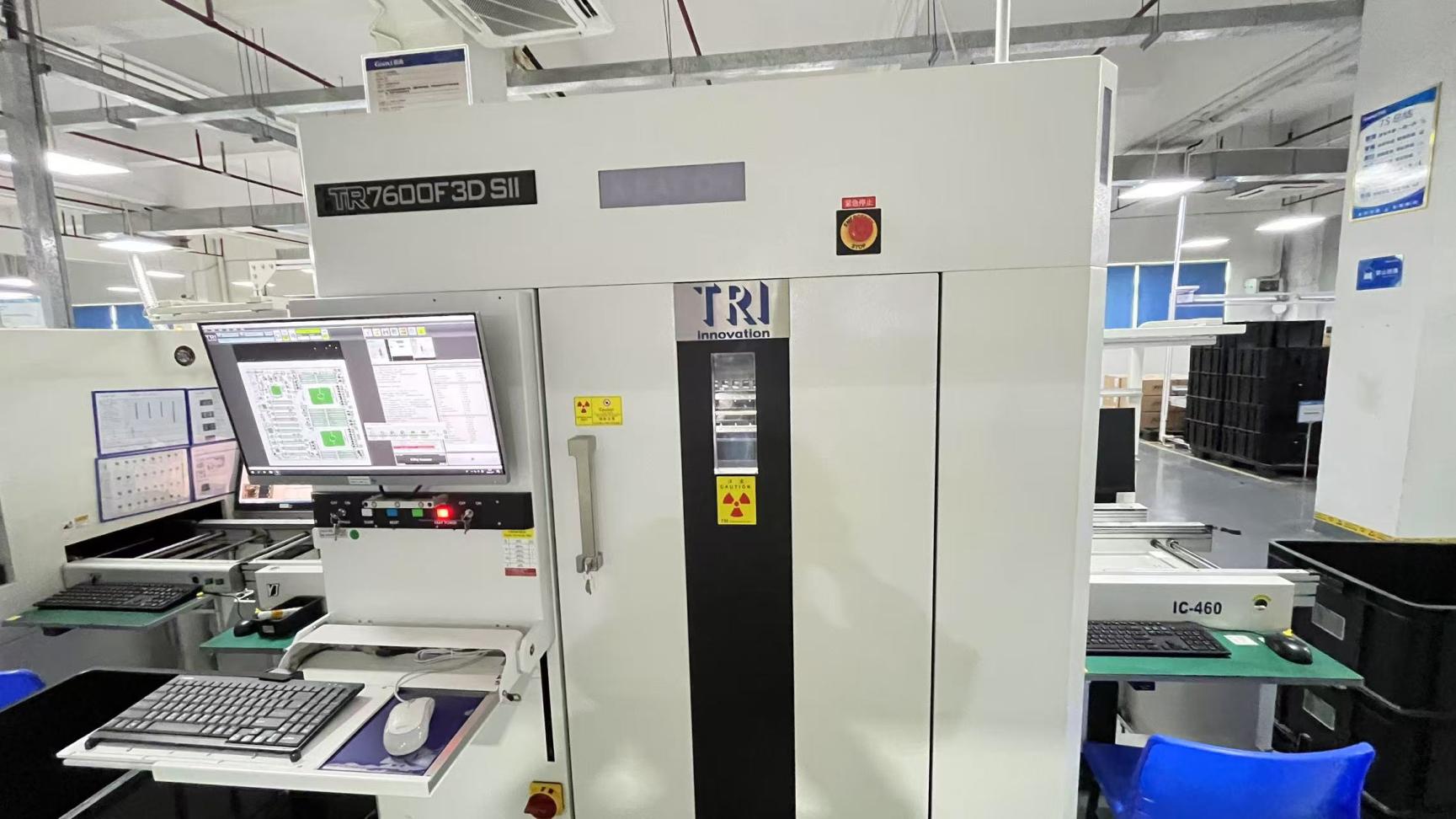

Our multi-phase quality control and validation process guarantees long-term durability and full compliance with international safety and performance standards.
Every optical transceiver leaving our facility undergoes strict multi-point evaluations. Our 48-inspector QA team manages a testing pipeline that includes:
Our production facilities and hardware lines are fully compliant with RoHS, CE, FCC, FDA Laser Safety Class 1, and REACH requirements, protecting your network infrastructure and meeting international safety standards.
As transmission speeds climb toward 400G and 800G, the role of 10G and 16G SFP+ architectures is adapting to meet modern network requirements. Rather than becoming obsolete, these speeds are evolving through optimizations focused on lower power consumption, higher density, and cost-effective production.
Lumetra’s R&D department (featuring 86 engineers) is actively addressing key areas of future transceiver technology:
Technical clarifications and installation advice for systems architects and procurement directors.
The main difference is their maximum supported data rate. Standard SFP modules typically support speeds up to 1.25 Gbps (or 2.5 Gbps for specific fiber configurations). SFP+ (SFP Plus) modules share the same physical form factor but support higher data rates of 10 Gbps and 16 Gbps. SFP+ slots on switches can often accept standard SFP modules at reduced speeds, but SFP modules cannot operate in SFP+ ports without configuration adjustments.
10GBASE-LRM (Long Reach Multimode) modules are designed to run over legacy OM1/OM2 multimode fibers using a 1310nm transmitter. They utilize Mode Conditioning Patch (MCP) cords to control how light enters the fiber cores, avoiding differential mode delay (DMD). Some LRM models are also optimized to work over short-distance single-mode fiber links up to 2km.
Yes. We write custom EEPROM compatibility codes for all major brands, including Cisco, Juniper, Arista, HP, Dell, and Brocade. This prevents "unsupported transceiver" errors, ensuring plug-and-play operation and seamless integration with your existing network monitoring software.
Designed specifically for Storage Area Networks (SANs), 16G Fibre Channel (16GFC) transceivers operate at a 14.025 Gbps signaling rate. They feature high clock precision and low latency profiles required for high-speed database transactions and storage systems, with backward compatibility to 8G and 4G infrastructure.
Digital Optical Monitoring (DOM) or Digital Diagnostic Monitoring (DDM) provides real-time access to key transceiver metrics like operating temperature, internal voltage, laser bias current, and TX/RX optical power levels. Monitoring these values allows administrators to detect degrading fiber links and replace components before they cause network outages.
Our high-reliability selection for long-haul networks and Cisco-compatible hardware environments.