Lumetra
Lumetra
Lumetra
Explore our top-performing SFP cages, SFP+ connectors, and integrated telecom modules engineered for 1G to 25G applications.
Understanding the critical electrical, mechanical, and thermal design elements that determine optical link reliability.
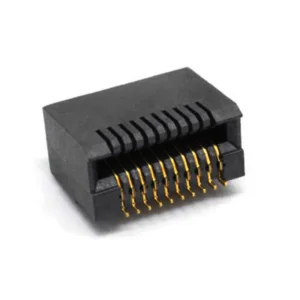
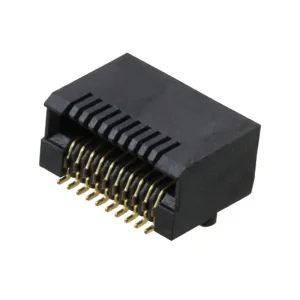
Modern data links transmitting up to 25 Gbps per channel (SFP28) demand ultra-low insertion loss and crosstalk control. Connectors like the E81M0-002-02-LT SMT SFP Connector are engineered with precise impedance-matching geometries to prevent signal degradation at higher frequencies. Controlling differential-to-common mode conversion is crucial to meeting strict IEEE 802.3 and OIF specifications.
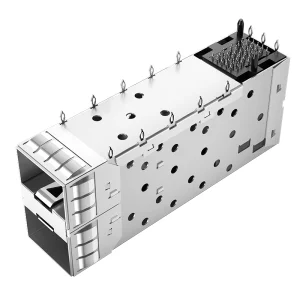
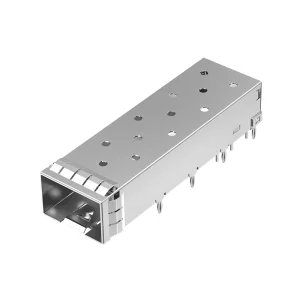
Electromagnetic interference (EMI) is a major contributor to package failure in high-density boards. Through-hole SFP cages, such as the 2007251-1 SFP+ Cage Assembly, utilize metal spring fingers and elastomeric gaskets to provide multi-point grounding to the bezel. This ensures robust shielding against radiated emissions up to 28 GHz and provides a reliable conductive path to the system chassis ground.
Repeated mating cycles wear down the mating interfaces of SFP connectors. The thickness of the gold plating on the contacts directly impacts long-term contact resistance. Utilizing 30u" gold plating (such as in E81M0-002-02-LT) provides superior wear resistance and prevents oxidation, extending the physical lifecycle of the system in harsh telecom environments.
A trusted manufacturer of high-speed optical transceivers and fiber optic communication solutions for datacom, telecom, and cloud infrastructures.
Founded in 2016, Lumetra Optoelectronics Technologies Co., Ltd. has developed into a highly reliable global supplier, backed by 11 years of overall industry expertise and 7 years of specialized export experience. The company operates a modern, state-of-the-art production facility covering approximately 8,500㎡, designed to facilitate optimized lean assembly and comprehensive testing protocols.
With an annual export revenue reaching approximately USD 18 million, Lumetra has built stable business channels across North America, Europe, Southeast Asia, and the Middle East. Our product development is led by a team of 86 R&D engineers focused on optical design, high-frequency hardware development, and signal integrity optimization. In the past year alone, the engineering team launched approximately 220 new products, demonstrating our rapid response to evolving market needs.
Quality assurance is the foundation of our manufacturing processes. Lumetra utilizes a combination of automated optical performance testing, environmental stress screening (ESS), and manual inspection protocols. Our dedicated quality control division consists of 48 trained inspectors ensuring strict compliance with international telecom standards.
We work in collaboration with over 1,200 supply chain partners to ensure component availability, stable material sourcing, and price stability. Whether supporting complex OEM adaptations or custom ODM designs, Lumetra delivers superior compatibility, wavelength tuning, and power-optimized transceivers to global clients.
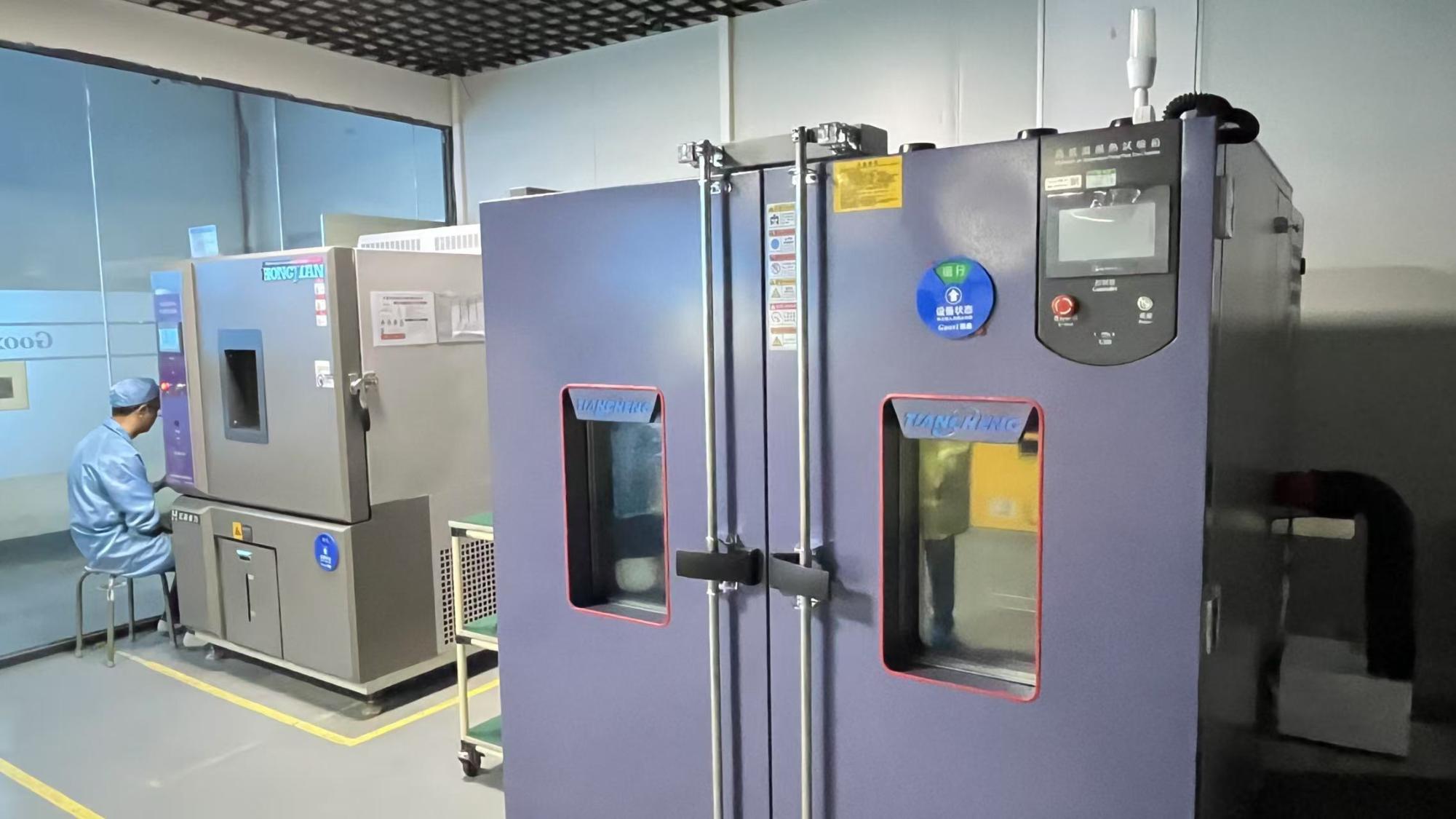
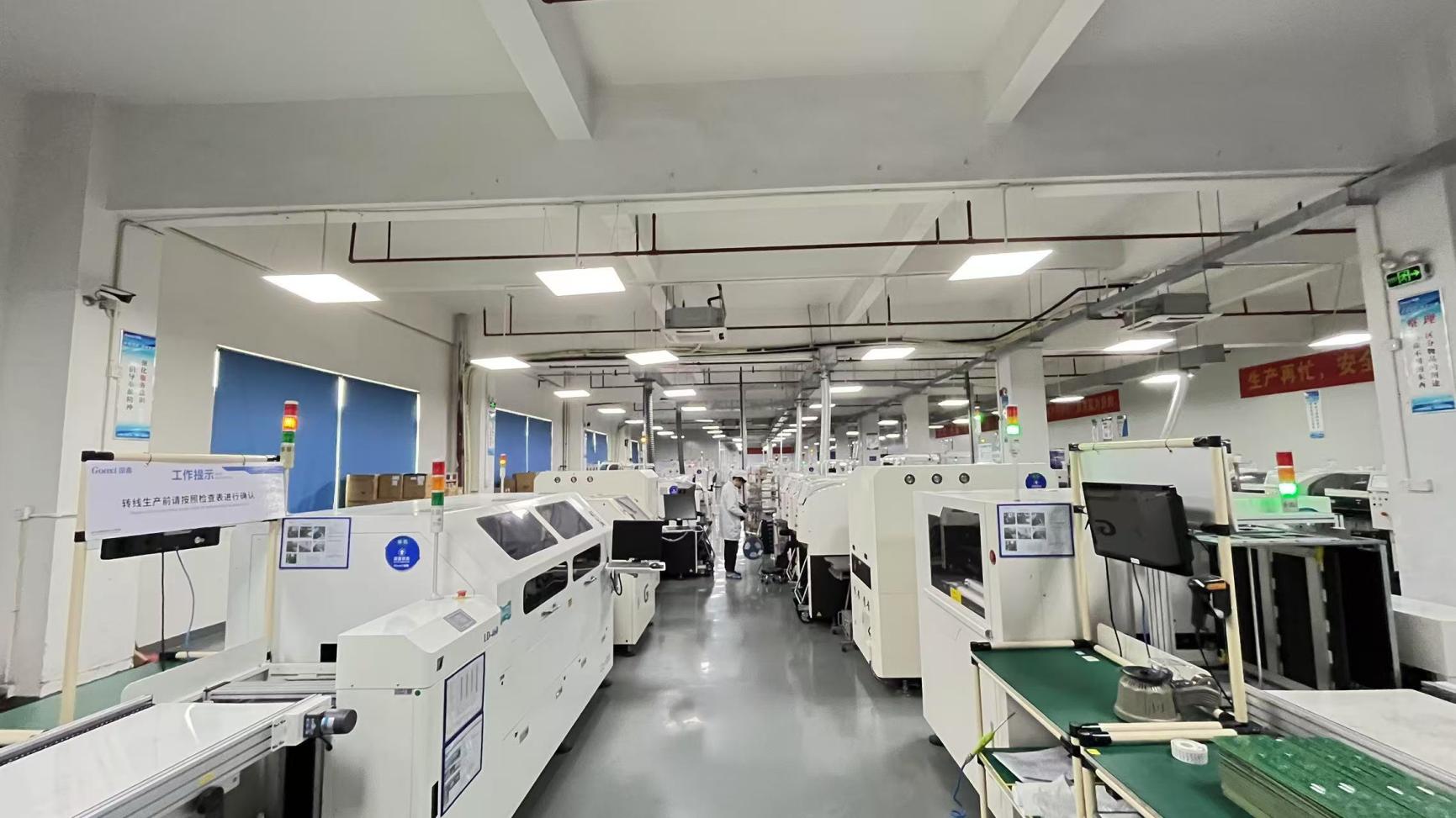
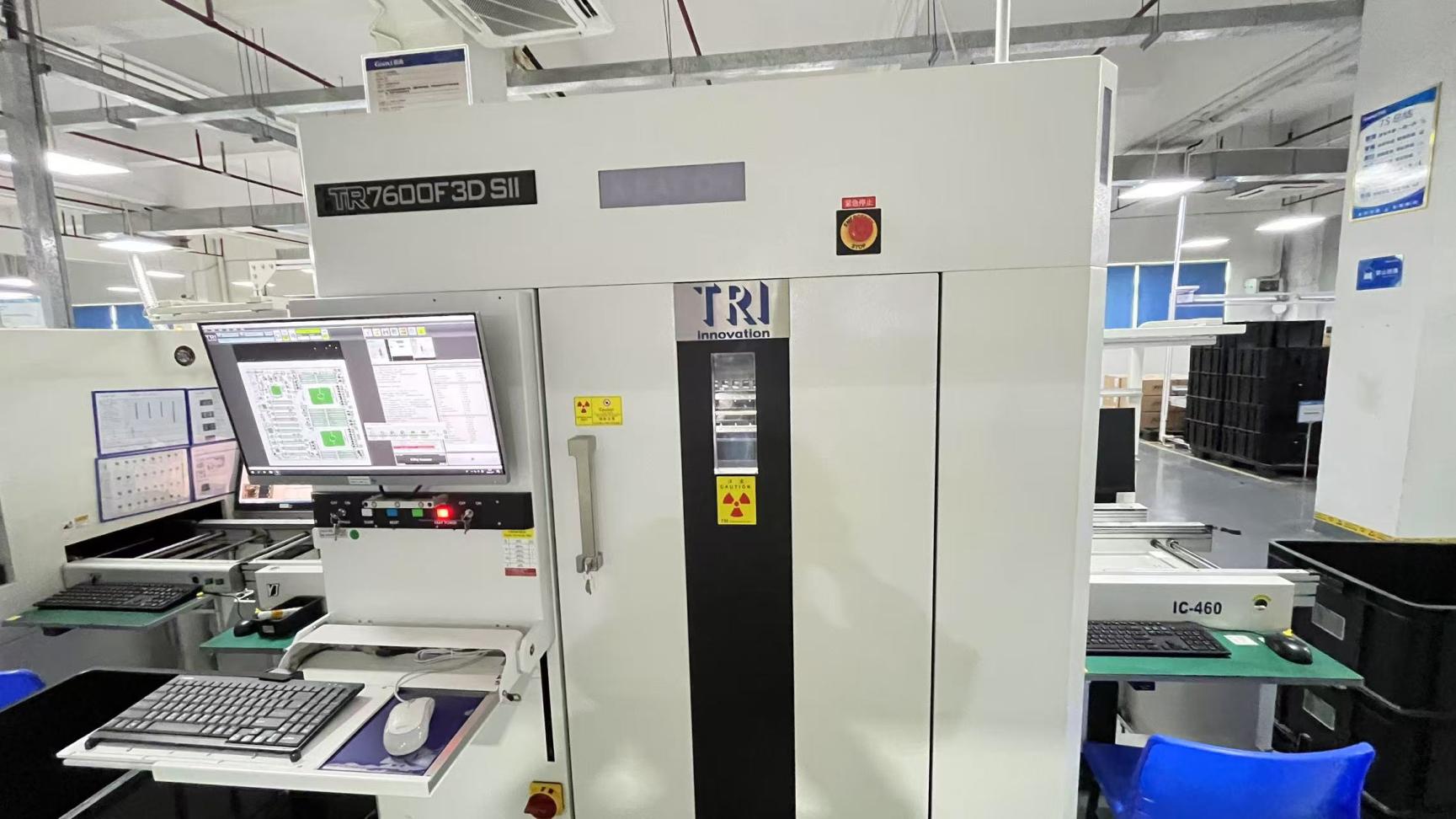

How localized manufacturing ecosystems enable cost efficiency, rapid scaling, and advanced quality standardizations.
By operating inside China's primary hardware clusters, SFP manufacturers leverage immediate access to precision stamping, specialized high-temperature plastic molders (LCP, PPS), and high-durability plating services. This proximity eliminates lead time bottlenecks and reduces logistical expenses on raw metal alloys.
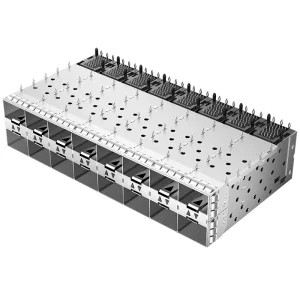
We implement state-of-the-art progressive die stamping machines to construct multi-port cage structures (e.g., 2x8 configurations like the 2169788-6 SFP+ Cage). This specialized tooling guarantees ultra-tight mechanical tolerances (+/- 0.05mm), ensuring flawless co-planarity and highly reliable press-fit pins on high-density PCBs.
Exporting to global tech markets requires compliance with strict performance criteria. Lumetra's manufacturing processes conform to RoHS, REACH, UL 94V-0 flammability ratings, and EIA electrical standards, ensuring our components are drop-in compatible with Tier-1 network switches and optical transceivers.
How data center expansion, artificial intelligence hardware, and high-performance computing are shaping SFP connector design.
As networks scale to support massive artificial intelligence workloads, transceivers must migrate from basic 10G/25G architectures to high-density SFP56, QSFP-DD, and OSFP formats. This structural change demands connectors capable of handling advanced PAM4 (Pulse Amplitude Modulation) signaling. In response, modern SFP cages incorporate integrated heat sinks and complex ventilation designs to prevent heat accumulation inside the transceiver module.
With data centers consuming massive amounts of power, system thermal management has become critical. The cage is no longer just a mechanical guide; it serves as a primary thermal dissipation path. High-performance copper alloys, thermal interface materials (TIMs), and customized riding heat sinks are integrated directly into multi-port SFP cages to lower junction temperatures and extend laser module lifespan.
| Form Factor | Data Rate Per Channel | Common Port Configurations | Primary Thermal Dissipation Challenges |
|---|---|---|---|
| SFP / SFP+ | 1 Gbps - 10 Gbps | 1x1, 1x4, 2x1, 2x8 | Minimal. Passive airflow cooling is typically sufficient. |
| SFP28 / SFP56 | 25 Gbps - 50 Gbps | 1x1, 1x2 SMT/Press-Fit | Moderate. Requires EMI spring fingers and airflow channels. |
| QSFP28 / QSFP56 | 100 Gbps - 200 Gbps | 1x1, 1x3, 1x6 Stacked | High. Integrated riding heat sinks and venting holes are required. |
| OSFP / QSFP-DD | 400 Gbps - 800 Gbps | Stacked with complex internal pinouts | Critical. Liquid cooling or customized heat sink designs required. |
From hyperscale data centers to rugged edge telecom networks, discover where our SFP cages and connectors perform.
In high-density cloud facilities, server racks use top-of-rack (ToR) switches to manage vast East-West traffic. Using multi-port SFP+ cages and high-performance SMT connectors ensures reliable connectivity, prevents system-wide EMI disruptions, and maintains low overall power consumption.
Outdoor cellular infrastructure requires SFP optical modules to function reliably in extreme temperatures, high humidity, and vibration-prone conditions. Press-fit, gold-plated SFP connectors provide the mechanical durability and environmental resistance needed for Remote Radio Heads (RRH) and baseband processing units.
Medium to large enterprise networks depend on reliable, modular hardware that supports easy upgrades. SFP cages integrated with lightpipes let IT administrators visually monitor port status, while TE-compatible footprints make board replacements and hardware sourcing seamless.
How we address the complex sourcing requirements, performance standards, and custom packaging needs of international buyers.
For procurement officers, hardware reliability is non-negotiable. Sourcing interconnect components from overseas requires careful verification of physical tolerances, material certifications, and assembly standards. At Lumetra, we address these concerns through a structured manufacturing system:
Our global supply chain integration helps clients streamline custom development, compliance testing, and scaling logistics:
Answers to common engineering and sourcing questions about SFP cages and SFP connectors.
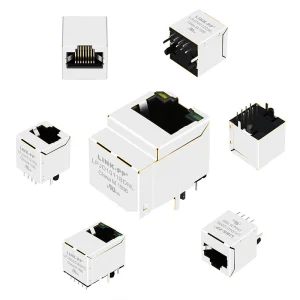
Discover our comprehensive selection of dual-rate SFP28 transceivers, vertical magnetic jacks, and high-frequency network transformers.