Lumetra
Lumetra
Lumetra
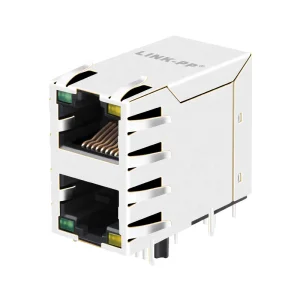
Deploying dense, board-saving configurations (2x1 to 2x8) with built-in magnetic filters and advanced EMI mitigation. Engineered for performance levels up to 10G Base-T.
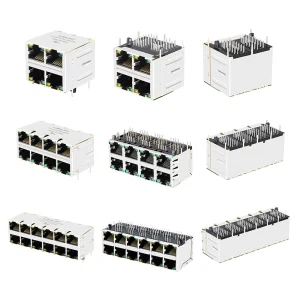
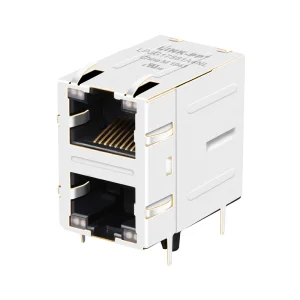
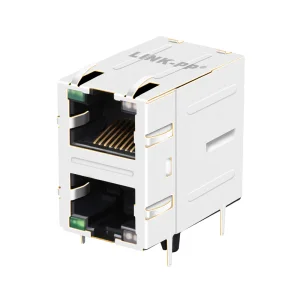
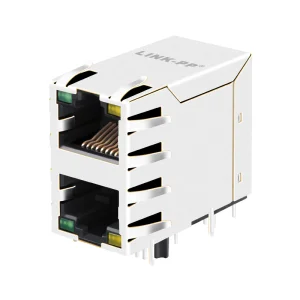
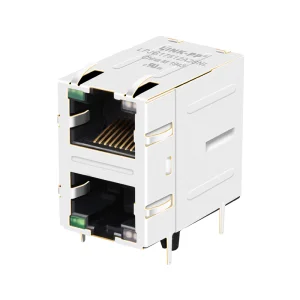
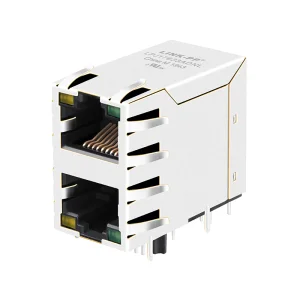
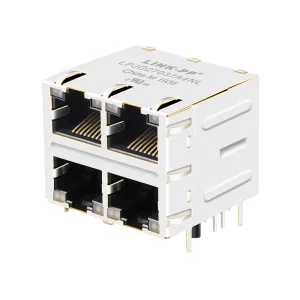
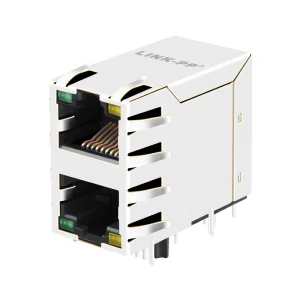
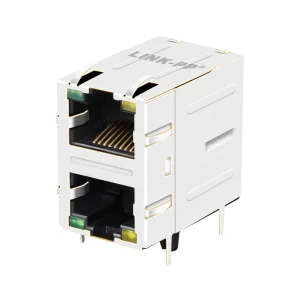
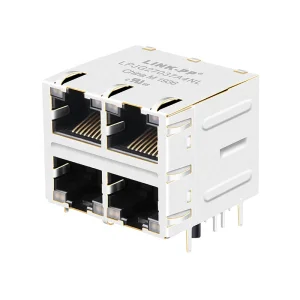
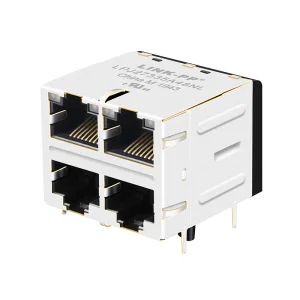
As next-generation telecommunications systems transition to faster data boundaries, the need for dense, reliable, and high-performance physical layer (PHY) copper connectivity reaches an all-time high. The stacked port RJ45 female connector is a foundational architectural solution, combining multiple ethernet interfaces into a single space-saving footprint.
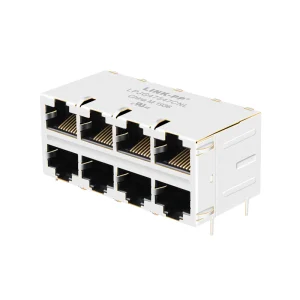
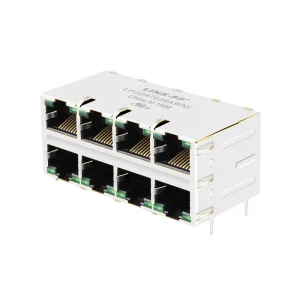
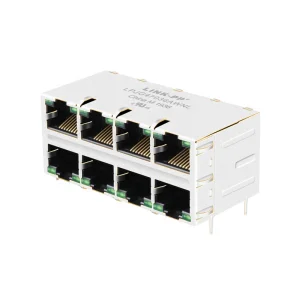
By nesting ports vertically in configurations like 2x1, 2x2, 2x4, 2x6, and 2x8, physical board edge consumption is slashed by 50% compared to traditional single-row layouts. These integrated connector modules (ICMs)—often featuring built-in magnetics, isolation transformers, common-mode chokes, and status LEDs—ensure robust signal integrity and shield systems from EMI issues associated with Multi-Gigabit networks.
Stacked configurations double density at the PCB edge. This configuration is essential for high-performance 1U switches, routers, and base station cabinets where real estate is at a premium.
Optimized internal routing reduces Near-End Crosstalk (NEXT) and Far-End Crosstalk (FEXT) in high-bandwidth systems operating at 2.5G, 5G, and 10G Base-T specifications.
Advanced engineering using LCP or high-temp nylon insulation ensures performance under elevated thermal loads caused by PoE/PoE+ currents and compact environmental designs.
Modern networks require copper connections to carry both data and power, driving the adoption of PoE (Power over Ethernet) across stacked connector lineups. The industrial market demands connectors that combine high durability and reliable shielding. In high-power PoE++ deployments (delivering up to 90W-100W per port), engineering contacts with high-performance copper alloys and thick gold plating (up to 50 micro-inches) is necessary to combat contact degradation from electrical arcing during hot-plugging cycles.
Simultaneously, the expansion of automated factories and industrial IoT (IIoT) requires physical components that withstand severe electromagnetic noise, extreme vibrations, and thermal cycling. This demand has accelerated the integration of Faraday shields with EMI tabs (fingers) on all sides, securing a low-impedance path to chassis ground and keeping critical communications noise-free.
Lumetra Optoelectronics Technologies Co., Ltd. leverages state-of-the-art optical and copper transmission capabilities to deliver certified interconnect equipment globally.
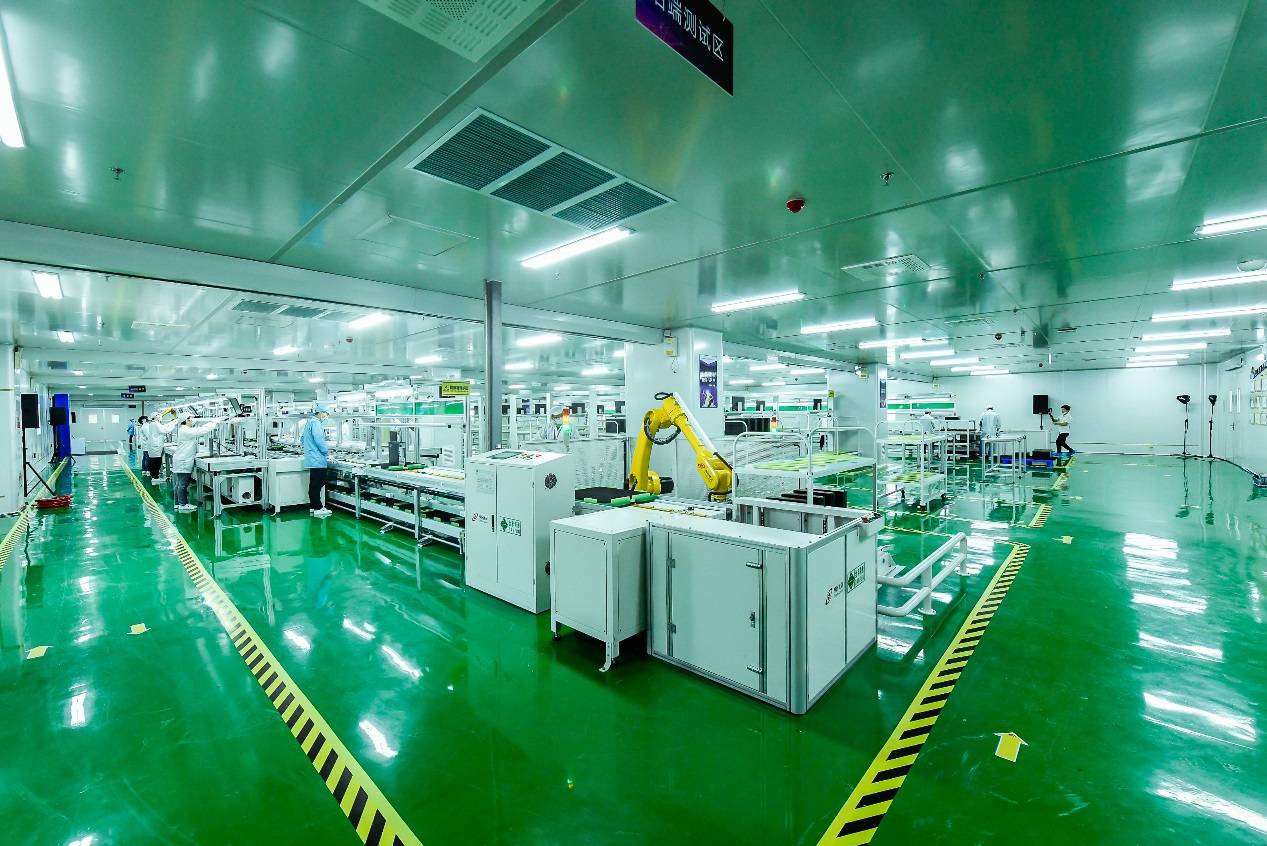
Founded in 2016, Lumetra Optoelectronics Technologies Co., Ltd. has evolved into a key partner for datacom, telecom, and cloud infrastructure applications. With an annual export value reaching approximately USD 18 million, our facility produces high-grade optical transceivers, fiber optic systems, and high-performance copper interconnects like our stacked RJ45 connector line.
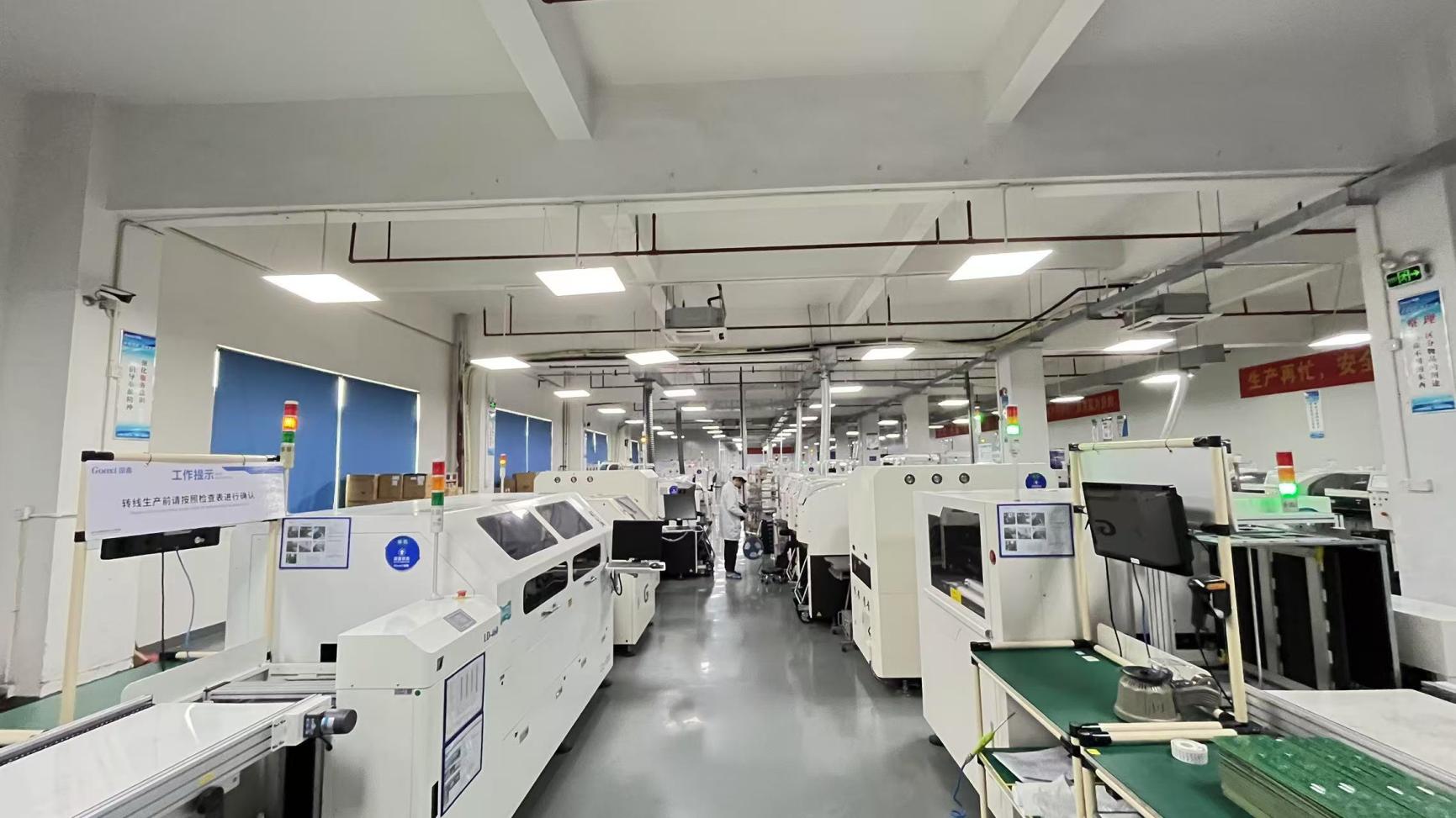
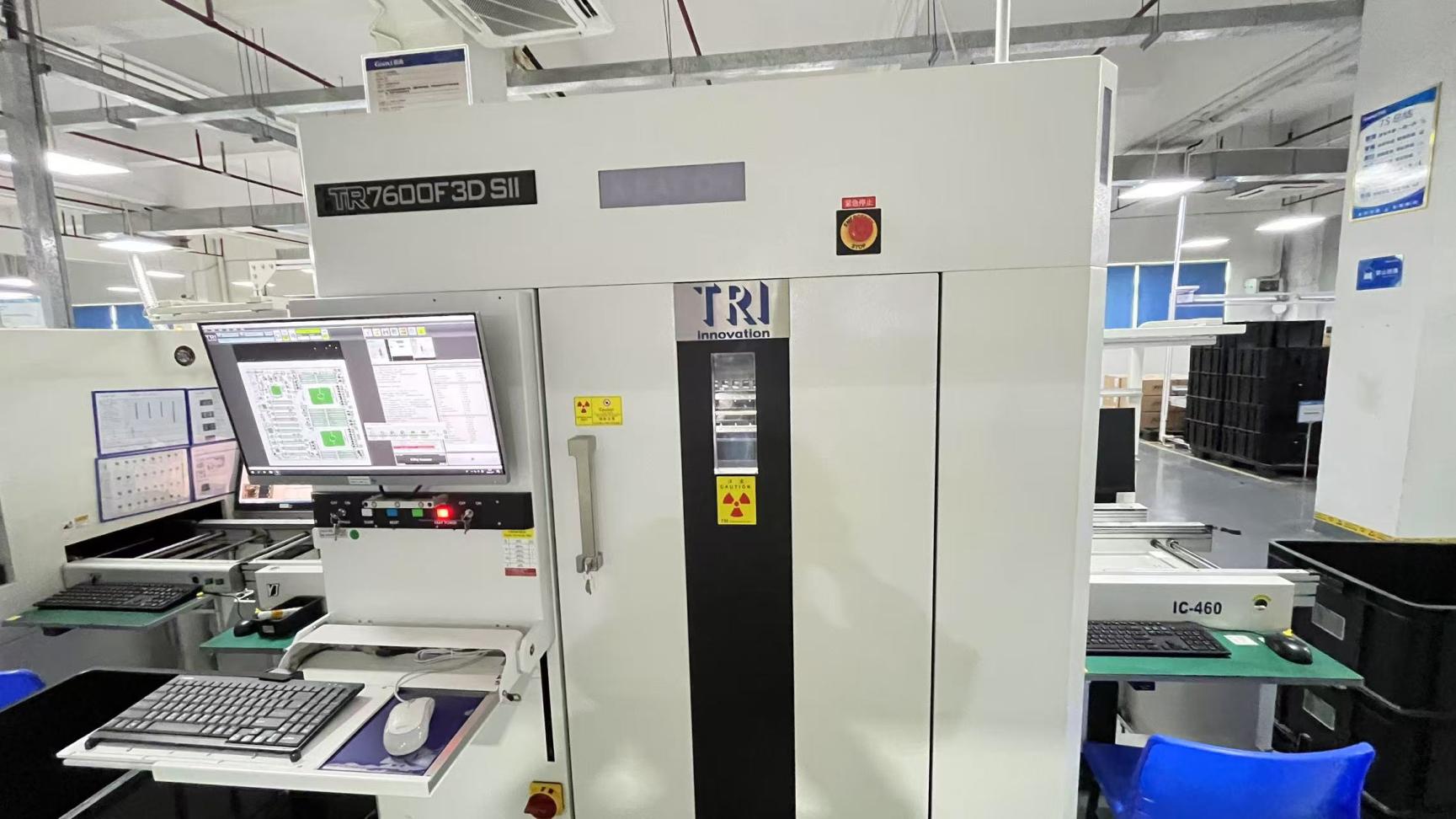
Our operation integrates automated optical testing, signal verification, and strict quality control managed by our 48-inspector QA department. We support extensive customizations, allowing system architects to adjust pin configurations, compatibility settings, and EMI shield profiles.
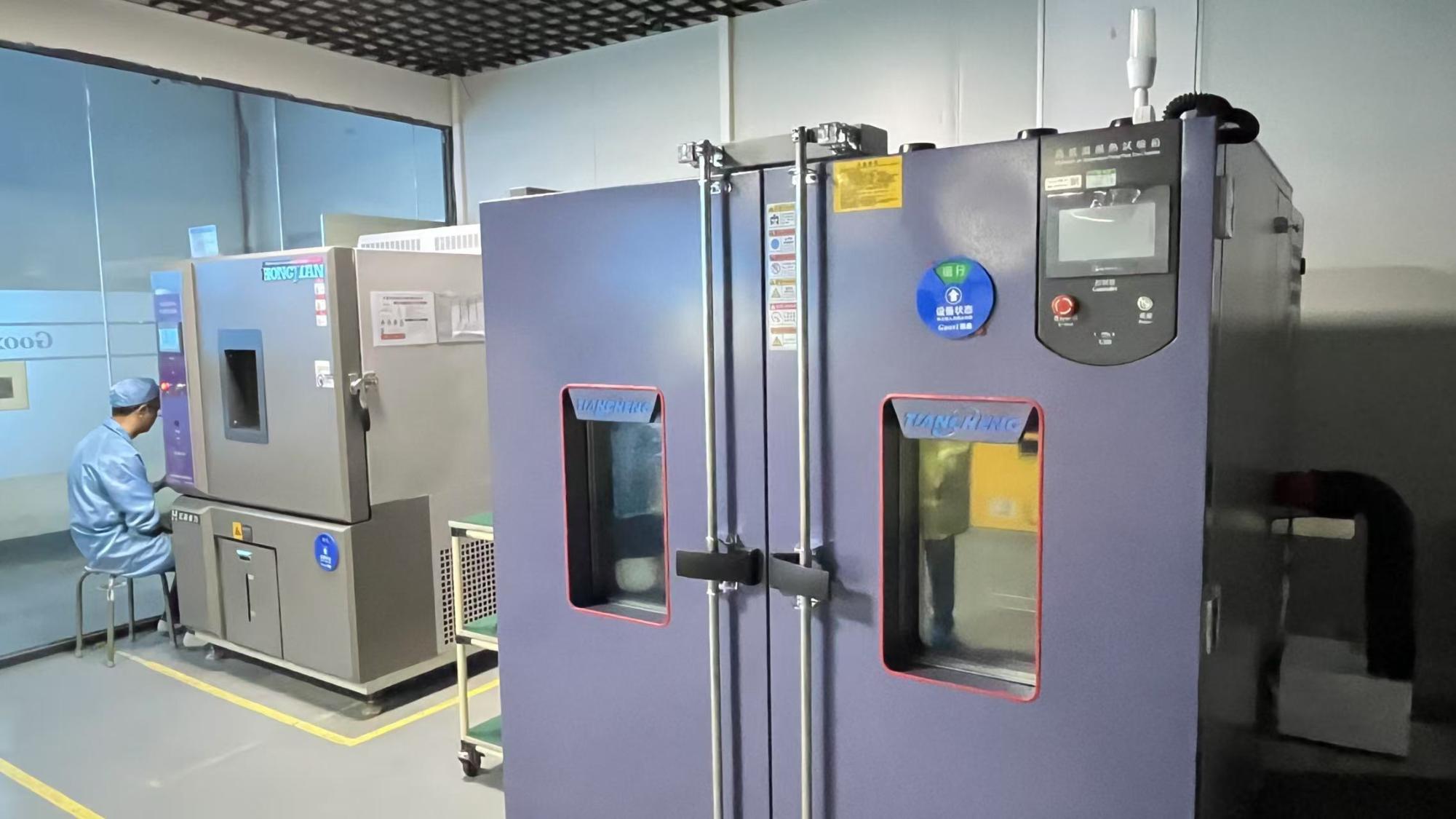
Quality control at Lumetra spans from raw materials to final validation. Using advanced signal analyzers and automated mating cycle chambers, we confirm that our RJ45 interfaces meet and exceed standard network specifications. Every batch is evaluated for insertion loss, return loss, and crosstalk parameters, guaranteeing performance under high-speed Multi-Gigabit workloads.
With a network of over 1,200 supply chain partners, we ensure access to high-grade phosphor bronze, LCP housings, and specialized magnetic cores. This network supports consistent lead times for large-scale infrastructure deployments, cementing Lumetra's position as a reliable global provider.
A detailed breakdown of electrical, mechanical, and environmental standards for high-density stacked RJ45 series.
| Feature / Parameter | Standards & Operational Thresholds | System Advantages |
|---|---|---|
| Transmission Bandwidth | 100MHz to 500MHz (Cat5e, Cat6, Cat6a) | Compatible with 100M/1G/2.5G/5G/10G Base-T auto-negotiation. |
| Built-in Magnetics (ICM) | 1:1 turns ratios, integrated transformers & chokes | Isolates high-frequency noise and protects PHY chips from damage. |
| PoE Compatibility | Supports IEEE 802.3af (15.4W), 802.3at (30W), 802.3bt (90W+) | Allows concurrent power and high-speed data transmission over one line. |
| Contact Composition | Phosphor Bronze base with 15μ" to 50μ" gold-over-nickel plating | Guarantees low contact resistance and minimum 750 mating cycles. |
| Shielding Integrity | Full brass/copper alloy shell with optional EMI spring fingers | Secures 360-degree EMI containment and reliable grounding. |
| Insulation Thermal Rating | UL94V-0 Rated LCP, PA46 or Nylon 46 | Withstands typical lead-free wave soldering temperatures (up to 260°C). |
Inside an Integrated Connector Module (ICM), each port utilizes a set of internal toroidal magnetics. These components act as low-pass filters that reject common-mode noise, while providing 1500V AC isolation to protect sensitive internal logic circuits from lightning surges, static buildup, and ground loops. In dense stacked configurations, keeping the magnetics for upper and lower ports isolated is essential to prevent inter-port signal leakage.
How stacked port RJ45 modular jacks solve space and performance challenges across key industrial sectors.
Used to construct high-density 1RU/2RU rackmount switches. 2x4, 2x6, and 2x8 stacked modular designs enable equipment designers to deploy up to 48 ports on a standard horizontal layout while leaving ample PCB space for processor elements and thermal management systems.
Modern server farms rely on copper networks for out-of-band management and control interfaces. Stacked RJ45 connectors support stable, continuous connections to help coordinate high-bandwidth optical backbones.
In automated factories, stacked connectors link edge controllers, distributed I/O systems, and machine vision setups. The mechanical stability of through-hole (THT) mounting pins prevents joint cracking under vibration.
As networks expand, integrating optical transceivers (such as SFP/QSFP modules) with copper ports is common. Lumetra’s expertise in both optical and copper domains allows system architects to build hybrid routers and switches that convert optical signals to copper without bottlenecks.
Addressing key questions from hardware engineers, network architects, and component buyers.
Integrating magnetics inside the connector body saves board space that would otherwise be needed for discrete chip filters. It also optimizes signal paths, minimizing noise pickup and improving EMI performance before the signal reaches the PCB traces.
Connectors are available with full-metal shields, typically brass plated with nickel or tin. They feature EMI fingers on the top, sides, and bottom to contact the panel cutout, routing electromagnetic noise to chassis ground.
Thicker gold plating (e.g., 50 micro-inches) provides greater durability against wear and corrosion over repeat insertions. This thickness is recommended for critical industrial or telecom applications with frequent patching.
Yes. Using high-temperature polymers like LCP or PA46, our connectors withstand typical wave soldering temperatures up to 260°C without risk of deformation or pin misalignment.
Explore more configuration alternatives matching standard pinouts for drop-in replacements.