Lumetra
Lumetra
Lumetra
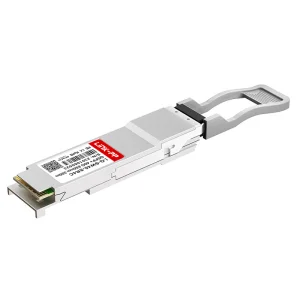
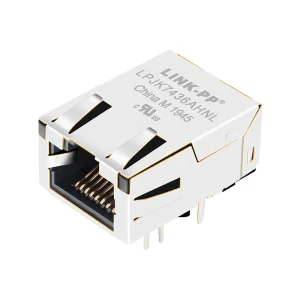
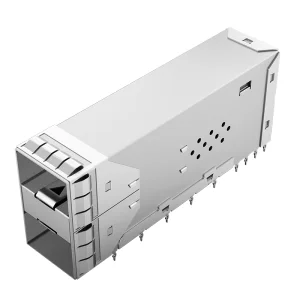
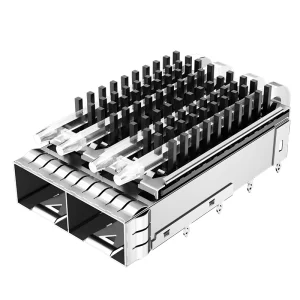
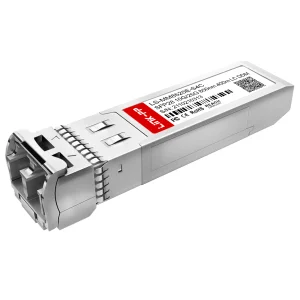
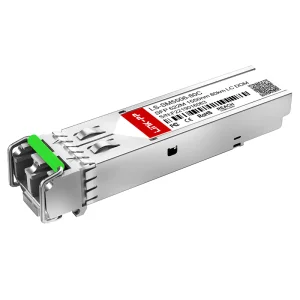
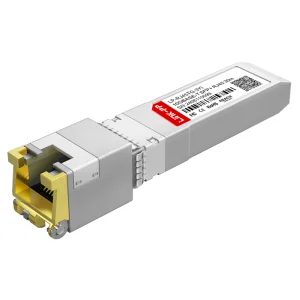
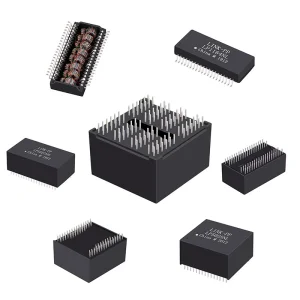
Explore our core engineering catalog featuring advanced transceivers, shielded cages, and modular physical layer connectivity designs.
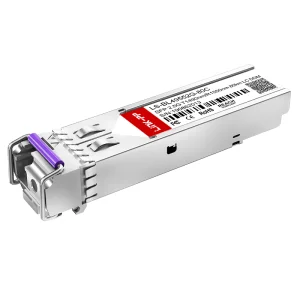
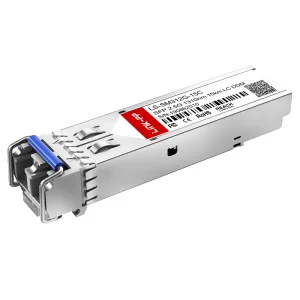
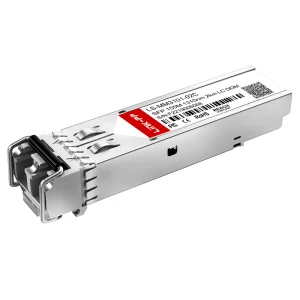
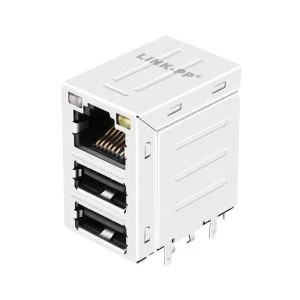
The telecommunications and enterprise datacom sectors are experiencing an unprecedented paradigm shift, fueled by the computational demand of generative AI models, hyperscale cloud architecture, and high-performance computing (HPC) nodes. In this environment, optical transceivers are no longer mere accessory components; they are the core channels governing total bandwidth limits, heat budgets, and data-flow latency metrics across international transmission grids.
Historically oriented around 10G and 40G systems, modern infrastructure is transitioning rapidly. The industry's baseline standard has moved to 100G and 250G, while hyperscale nodes are now deploying 400G and 800G optical engines. The rapid rise of deep learning workloads has shortened product cycles and placed immense pressure on physical transceiver architecture. High-frequency digital signal processing (DSP), advanced wavelength multiplexing, and robust electro-optic designs are necessary to handle these higher data rates.
Globally, the supply chain for optical components requires high specialization. Raw wafers, optical sub-assemblies (TOSA/ROSA), and advanced packaging must work together seamlessly to ensure signal integrity across varying temperatures and distances.
Network architects face major challenges in balancing power dissipation, thermal management, and multi-vendor interoperability. High-speed transceivers must meet strict Multi-Source Agreement (MSA) mechanical standards while minimizing power consumption.
A trusted global manufacturer specializing in high-speed optical transceivers and fiber optic communication solutions.
Founded in 2016, Lumetra has grown into a key supplier with deep engineering capabilities and extensive export experience. Over 7 years of active global trade, paired with 11 years of core industry expertise, enables us to supply stable components to datacom, telecom, and cloud infrastructure operations worldwide.
Lumetra maintains active development channels across major global markets, including North America, Europe, Southeast Asia, and the Middle East. Through partnerships with over 1,200 supply chain associates, we ensure stable sourcing of high-purity components to keep production running smoothly.
Our 86 R&D engineers focus on critical areas: optical path design, physical layer hardware development, and signal integrity optimization. This structural expertise allows us to provide targeted customization options for our clients, including:
Developing integrated silicon photonic chips to replace traditional discrete lasers, reducing production complexity and increasing transmission reliability.
Conducting rigorous high-frequency simulations to prevent electromagnetic interference (EMI) and signal degradation at high transmission speeds.
Modeling heat dissipation profiles under high structural stress to ensure transceivers operate within standard temperature limits, even in dense datacenter chassis.
A look at the technology path for ultra-fast interconnects, from pluggable optical modules to integrated co-packaged optics.
Widespread adoption of QSFP28, QSFP-DD, and OSFP packaging. Ongoing engineering efforts focus on reducing power consumption to under 10W per 400G module and refining coherent optical transmission for metro networks.
Removing the DSP from pluggable modules and utilizing analog driver chips to reduce power draw by up to 50%. This enables lower latency in AI clusters where high-density connections are critical.
Integrating optical engines directly onto the switch silicon substrate. This design bypasses board-level electrical signal loss, enabling efficient, high-speed 1.6T networks.
How physical transceivers and interconnect systems translate into robust solutions across core network architectures.
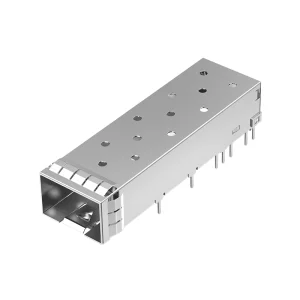
AI clusters demand high-density interconnects. Solutions utilize low-power SFP28 and QSFP28 modules alongside EMI-shielded cage assemblies to keep bit error rates low and manage thermal challenges.
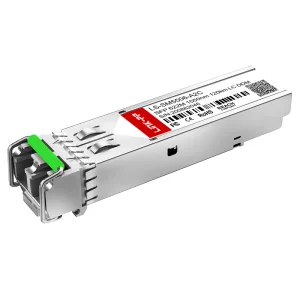
For connections spanning 80km to 120km, single-mode DWDM and bidirectional (BiDi) transceivers optimize fiber use. High-power optical engines maintain signal clarity over long distances without active repeaters.
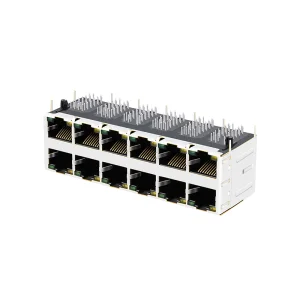
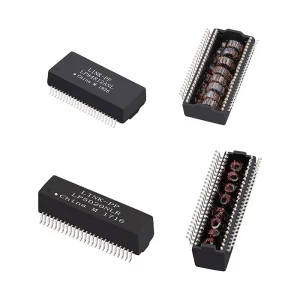
Deployments in tough environments rely on rugged copper transceivers, RJ45 stacked jacks, and magnetic transformers to withstand wide temperature swings and electrical noise.
At Lumetra, quality assurance is maintained through a combination of automated optical performance testing, environmental stress screening, and manual inspection. Our 48 trained inspectors oversee every stage of assembly to verify compliance with international standards.
Our Quality Management workflow includes:
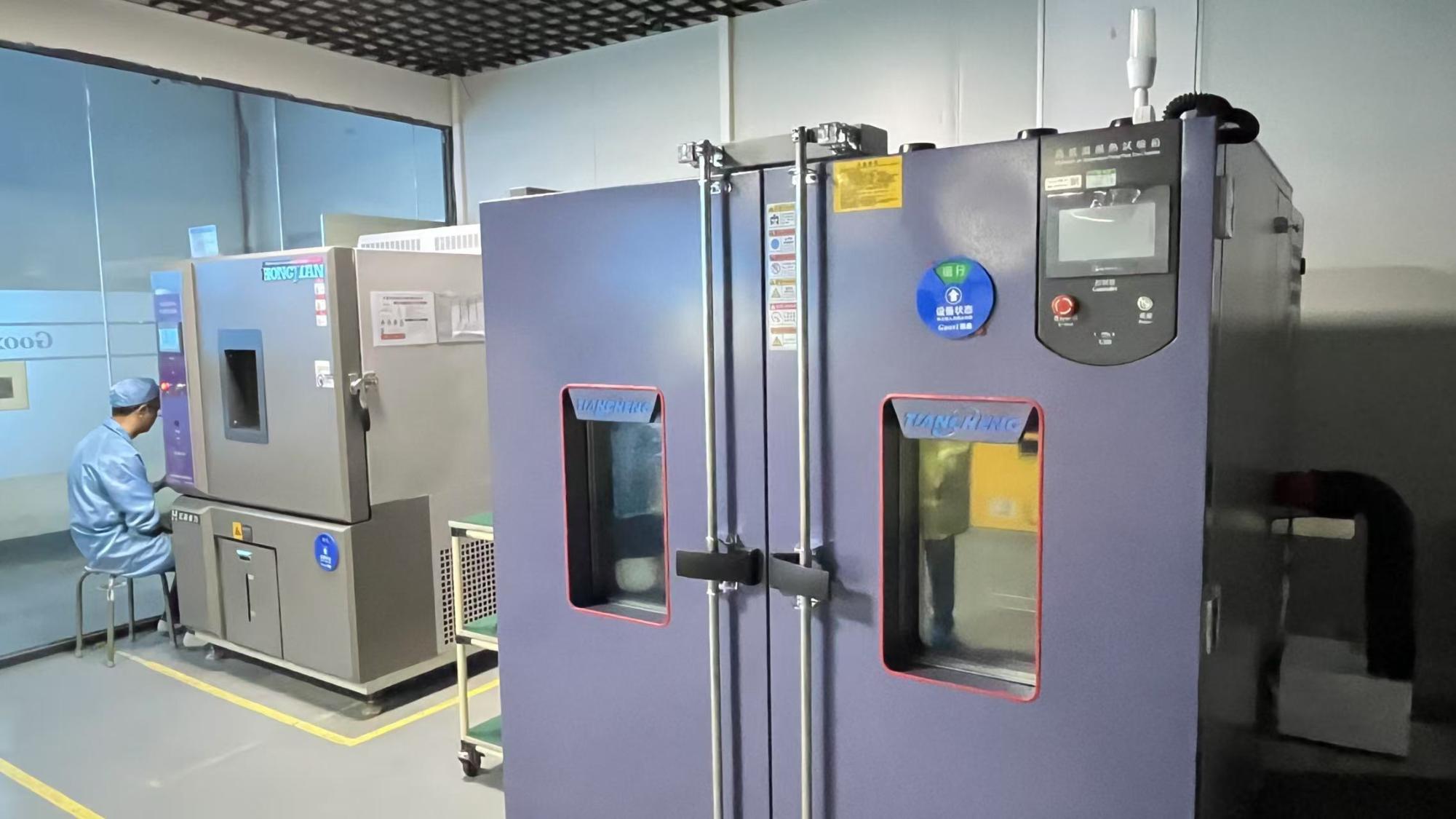

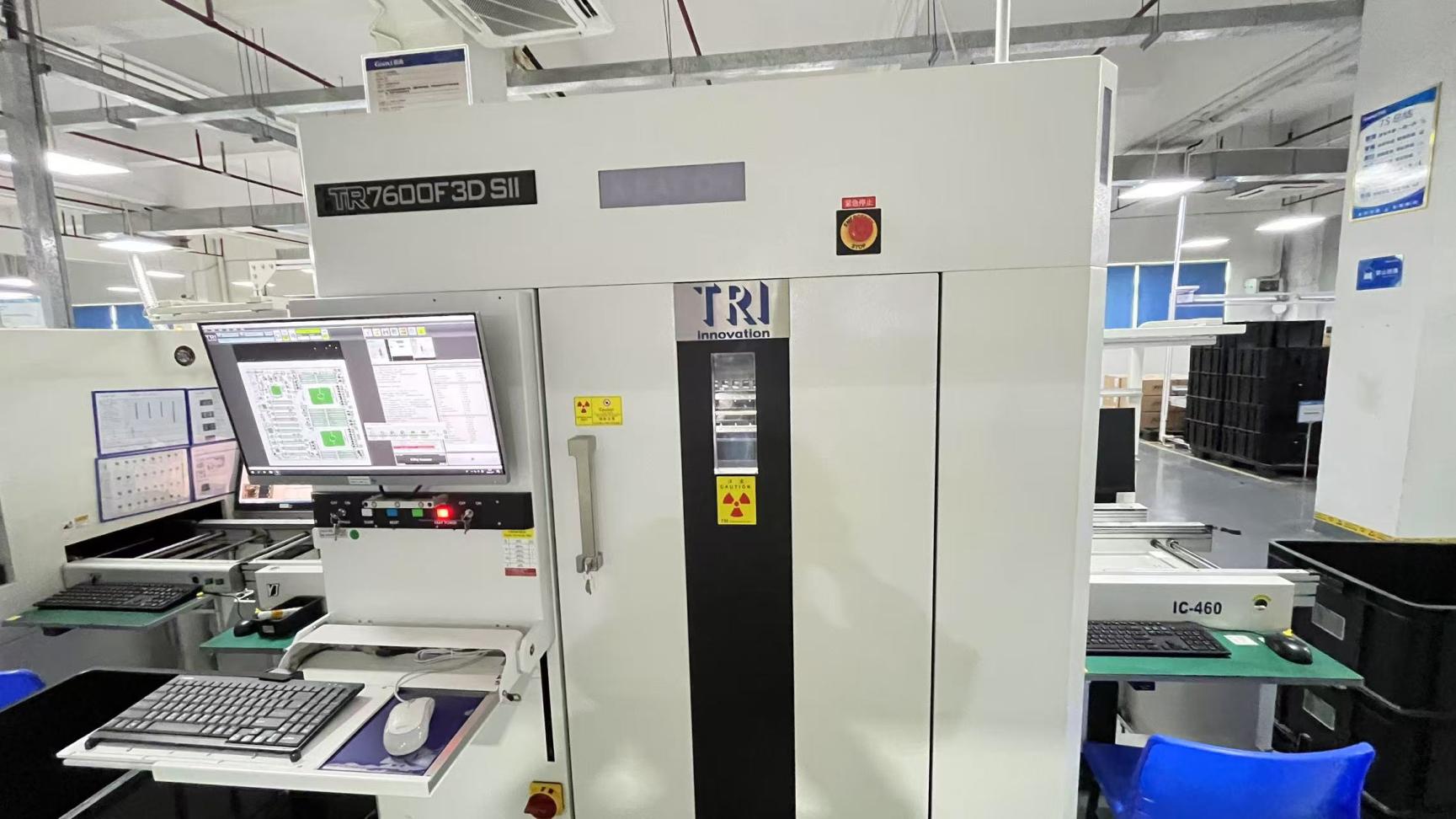

Lumetra production facilities, cleanroom operations, and quality testing labs.
Technical guidance on module programming, thermal limits, and physical layer design requirements.
Explore our selection of long-reach optical transceivers, integrated cage connector assemblies, and high-density copper ports.