 Lumetra
Lumetra
Lumetra
Explore our highly integrated, multi-source agreement (MSA) compliant small form-factor pluggable (SFP) modules engineered for legacy telecommunications and robust industrial control systems.
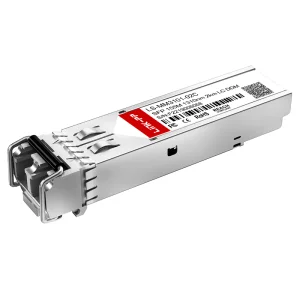
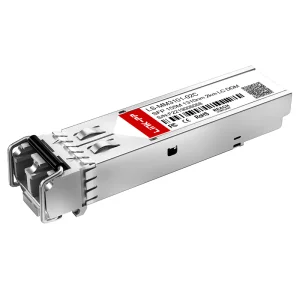
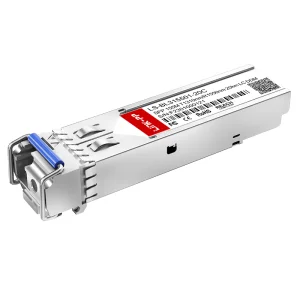
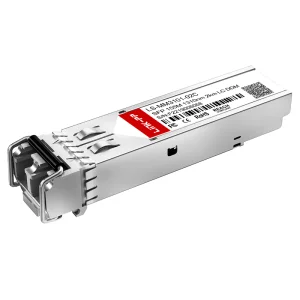
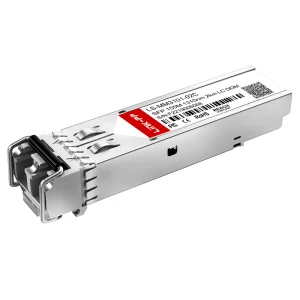
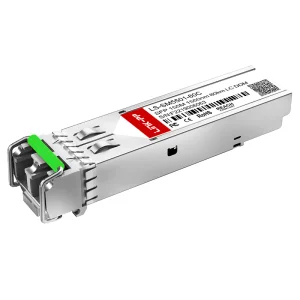
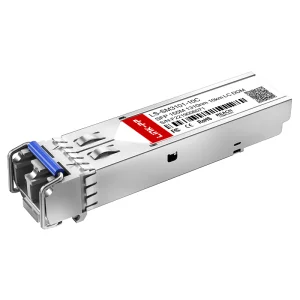
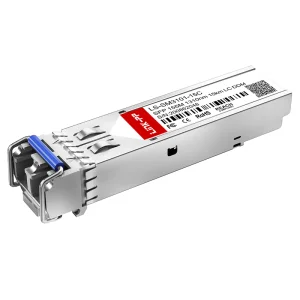
In an era dominated by Terabit ethernet and hyperscale data centers, 155 Mbps (Fast Ethernet / STM-1 / OC-3) and 622 Mbps (STM-4 / OC-12) optical transceivers remain critical foundation blocks for the world's most stable legacy architectures. Far from obsolete, these low-speed transceivers are heavily embedded in industrial automation networks, power grids, railway signaling, and municipal supervisory control systems. Unlike high-speed multi-gigabit interfaces, 155M/622M systems provide unparalleled noise-immunity, low thermal generation, and deterministic performance required for continuous, real-time control applications.
Historically, the telecommunications backbone transitioned from early SONET/SDH hierarchies to modern packet-optimized transport networks. However, regional substations, offshore wind farms, and metropolitan traffic networks rely on older terminal multiplexers that only feature Fast Ethernet or STM-1 optical interfaces. Because optical hardware in utility sectors is designed for 15-to-30-year lifecycle spans, maintaining, scaling, and upgrading these systems requires high-quality, long-lifespan SFP optical transceivers. As an established global exporter, Lumetra Optoelectronics bridges the gap between modern manufacturing quality and backward-compatibility demands.
The operational logic behind maintaining 155M/622M systems revolves around physical reliability. Modern fiber optic architectures are susceptible to dispersion and signal attenuation at ultra-high frequencies. Fast Ethernet SFP modules operating at 1310nm or 1550nm exhibit high tolerance to fiber anomalies, allowing reliable communication over legacy optical distribution networks (ODN). By focusing on optimized optical budgets, transceiver manufacturers ensure that sub-stations spaced up to 80 kilometers apart can communicate continuously without needing optical amplifiers.
| Standard | Data Rate | Common Form Factor | Key Transmission Wavelengths | Industrial Application Matrix |
|---|---|---|---|---|
| 100BASE-FX / STM-1 | 155 Mbps | SFP (MSA Compliant) | 1310nm / 1550nm (BiDi) | Industrial Automation, Substation Automation, PLC Links, SCADA Systems |
| STM-4 / OC-12 | 622 Mbps | SFP | 1310nm / 1550nm | Metropolitan Transport Network Nodes, Legacy Access Multiplexers |
| 100BASE-LX10 / BX10 | 155 Mbps | SFP | 1310nm-TX / 1550nm-RX (Simplex) | FTTH Fiber Loops, Distributed Utility Sensors, Single-core BiDi Networks |
Standard Fast Ethernet optical modules were initially packaged in 1x9 or GBIC formats. The evolution to the Small Form-Factor Pluggable (SFP) MSA (Multi-Source Agreement) revolutionized port density. Current engineering considerations for 155M/622M SFP modules are distinct from consumer-grade optical hardware. Critical requirements include:
Our engineering parameters meet and exceed industrial deployment guidelines, offering standard-setting stability, protocol compatibility, and compliance certifications.
Each batch of 155M/622M SFP modules undergoes environmental stress screening and automated optical testing at thermal extremes to ensure uninterrupted operation in industrial setups.
Our transceivers are compatible with legacy switchgear brands including Moxa, Hirschmann, Cisco, Huawei, and Allied Telesis, powered by custom EEPROM configuration profiles.
Advanced wavelength-division multiplexing (WDM) allows bidirectional optical transmission over a single fiber core, maximizing existing infrastructure fiber utility.
Lumetra Optoelectronics Technologies Co., Ltd. is a professional manufacturer specializing in high-speed optical transceivers and fiber optic communication solutions for datacom, telecom, and cloud infrastructure applications. Founded in 2016, the company has developed into a reliable supplier with strong engineering capabilities and global export experience.
Our production facility covers approximately 8,500㎡, supporting efficient manufacturing and quality-controlled assembly processes. With annual export revenue reaching around USD 18 million, Lumetra has built stable international business channels and accumulated 7 years of export experience, backed by 11 years of overall industry expertise.
Quality assurance is maintained through a combination of automated optical performance testing, environmental stress screening, and manual inspection processes. The quality control team consists of 48 trained inspectors ensuring strict compliance with international standards. We maintain a diversified trade background with a strong presence in OEM and ODM markets. Our primary markets include North America, Europe, Southeast Asia, and the Middle East, serving telecom operators, data center integrators, and network equipment distributors.
Collaborating with over 1,200 supply chain partners, we ensure stable component sourcing and manufacturing efficiency. With strong R&D capability, Lumetra supports advanced customization including protocol compatibility, wavelength tuning, form factor adaptation, and power optimization. The company employs 86 R&D engineers focused on optical design, hardware development, and signal integrity optimization. In the past year, Lumetra launched approximately 220 new products, reflecting our continuous innovation in optical communication technologies.
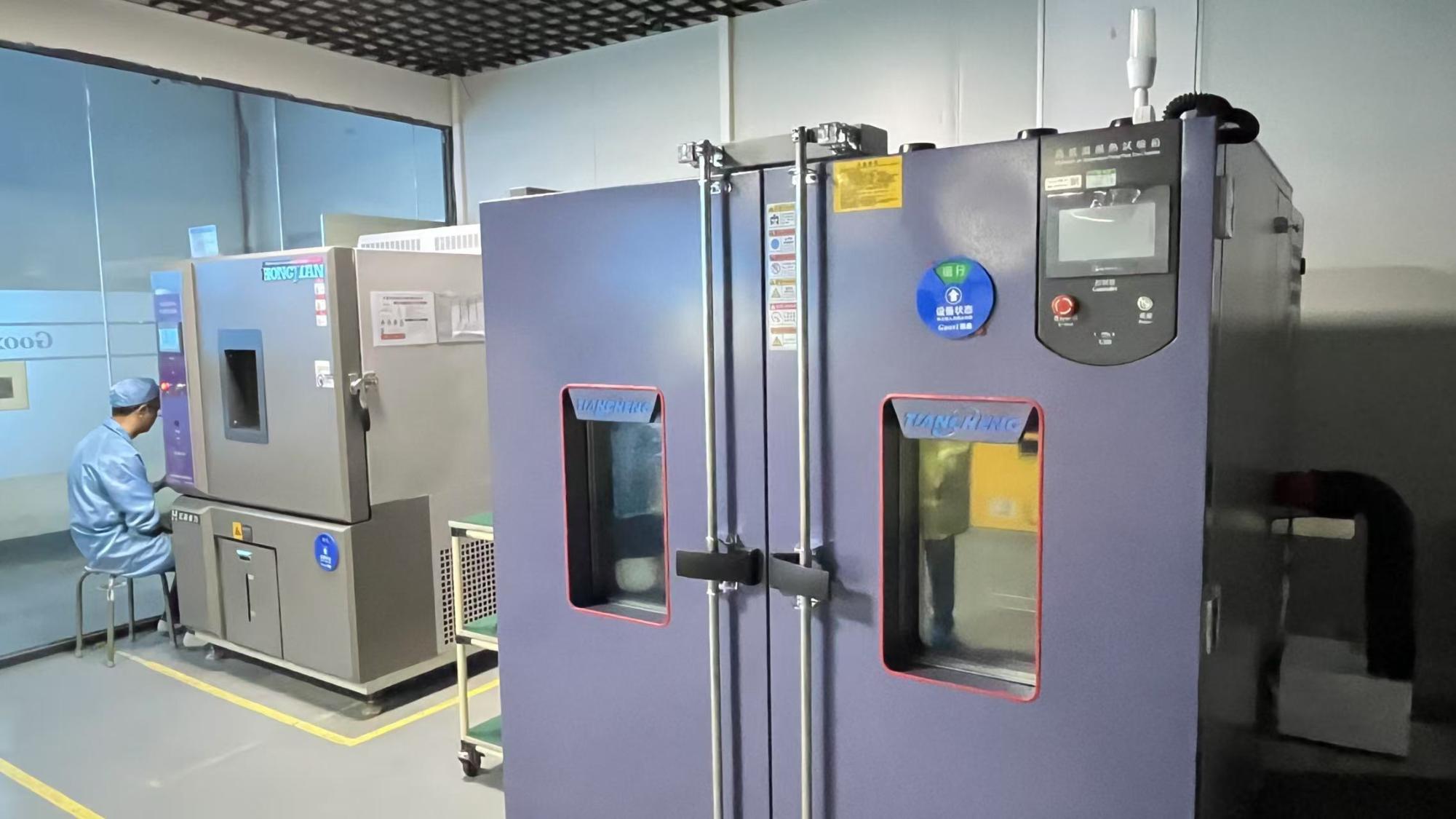

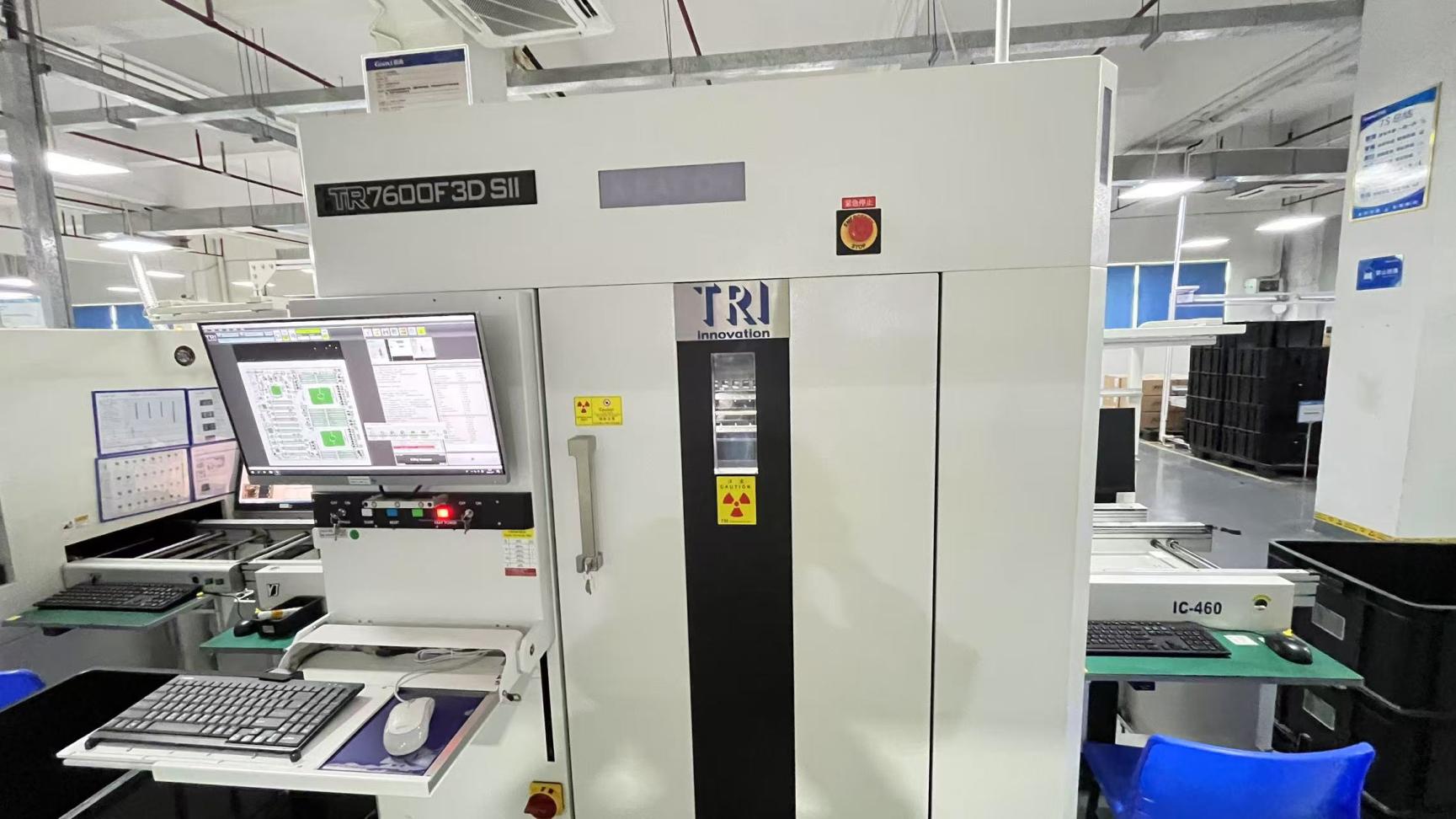

The implementation of 155M/622M SFP transceivers is critical across several highly specialized industrial verticals:
Modern electrical substations rely on Ethernet switches to handle real-time teleprotection and automation messaging. These devices communicate via fiber loops to prevent electromagnetic interference (EMI) standard in high-voltage fields. Lumetra's 155M SFPs, engineered for industrial temperature ranges, act as the optoelectronic link in Moxa and Hirschmann switch networks, ensuring transmission consistency in electrical grids across North America and Europe.
In railway transit control, failure is not an option. Data transmission networks (DTN) use SONET/SDH ring architectures to route safety-critical data, VoIP intercoms, and ticketing system traffic. SFP transceivers operating at 622 Mbps serve as the core modules for STM-4 optical access nodes. Because these modules are built with long-reach DFB lasers (1550nm), they easily span 40km to 80km trackside distances without intermediate regeneration points.
Offshore oil platforms and gas pipelines represent some of the most hazardous environments on earth. Fiber links are favored because they pose no spark risks. Fast Ethernet SFP transceivers link PLC (Programmable Logic Controller) boxes over single-mode fiber to central command stations. Our optical modules utilize corrosion-resistant casing materials and gold-plated electrical finger contacts to withstand humid, saline atmospheres.
While the industry at large continues to transition towards high-speed 100G/400G and 800G modules, the 155M/622M segment is evolving towards higher integration, longer lifespans, and green power footprints. R&D initiatives focus on:
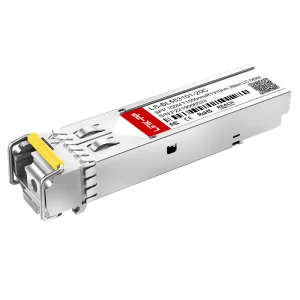
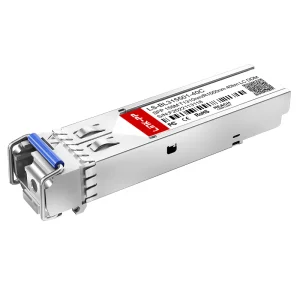
Browse our advanced Bidirectional (BiDi) and Duplex LC single-mode SFP modules optimized for long-distance link budgets and reliable fiber utilization.
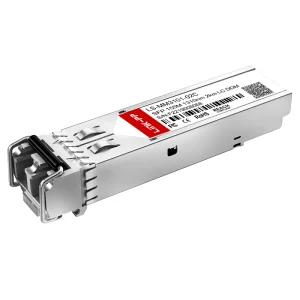
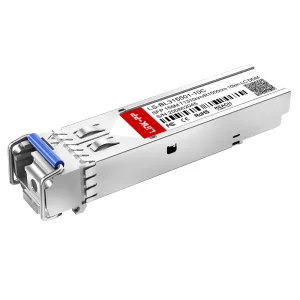
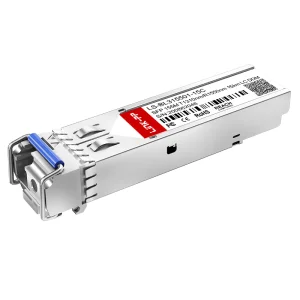
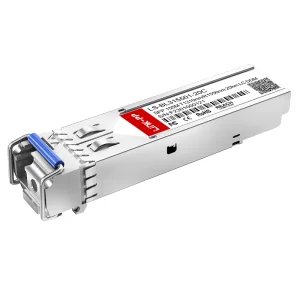
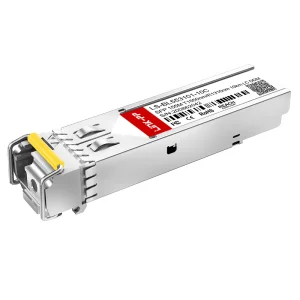
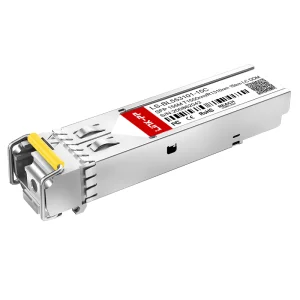
Technical insights, configuration guidance, and implementation tips straight from Lumetra's senior engineering department.