Lumetra
Lumetra
Lumetra
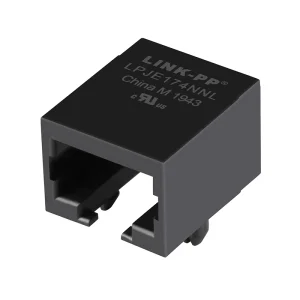
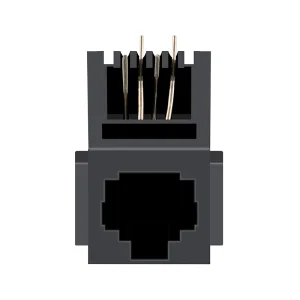
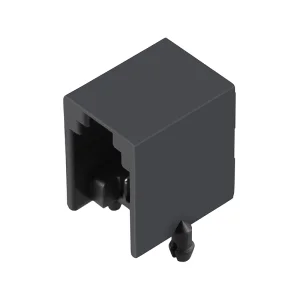
Standardized 4P4C, 6P4C, and 6P6C voice and data interfaces designed for low insertion loss and high mating cycles.
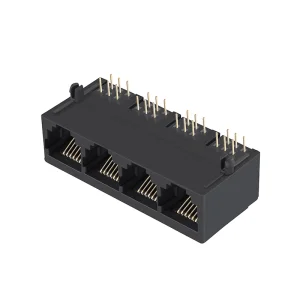
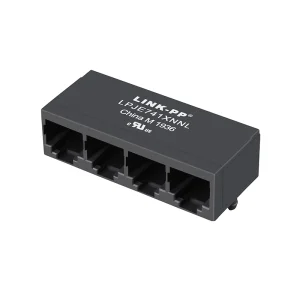
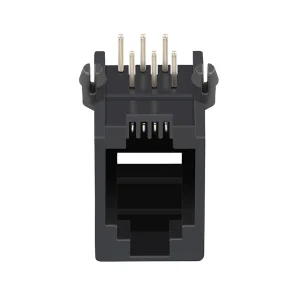
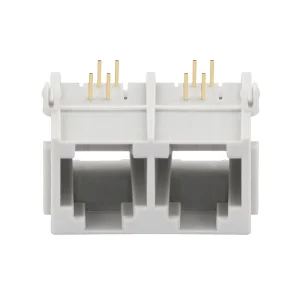
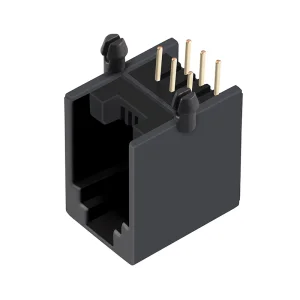
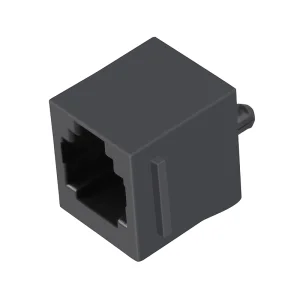
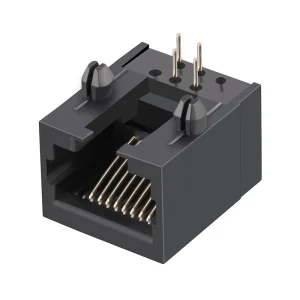
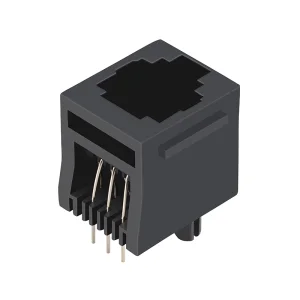
In an era dominated by high-speed fiber optics and wireless protocols, the RJ11 (Registered Jack-11) standard remains a fundamental cornerstone of physical layer infrastructure. Primarily configured for 4-conductor (6P4C) or 6-conductor (6P6C) wiring setups, the RJ11 connector is designed to reliably terminate analog telephone lines, DSL modems, point-of-sale (POS) systems, and specialized industrial automation control units.
As networks scale, sourcing components from reliable RJ11 connector factories and suppliers is critical for ensuring signal integrity. Minor deviations in plastic mold tolerances, contact spring elasticity, or gold-plating thickness can cause intermittent connectivity failures, high insertion losses, and rapid contact oxidization.
Lumetra Optoelectronics Technologies Co., Ltd., established in 2016, is a premier manufacturer specializing in high-speed optical transceivers and fiber optic communication systems for datacom, telecom, and cloud infrastructure applications. Drawing on 11 years of overall industry expertise and 7 years of global export experience, we recognize that modern enterprise networks depend on seamless hybrid connectivity. High-speed optical backplanes must connect to local copper copper-wire interfaces (such as RJ11, RJ45, and SFP+ architectures) to service legacy control cabinets and terminal endpoints. This hybrid requirement drives our continuous manufacturing innovations, supported by a 8,500㎡ facility and partnerships with over 1,200 supply chain companies.
Flexible support for 4P4C, 6P4C, and 6P6C variants, tailored for analog telephone lines, specialized industrial modems, and custom signal-routing schemes.
Gold-plating thicknesses from 3u" to 50u" protect contacts against corrosion and support up to 750+ insertion cycles under harsh conditions.
Uses high-temperature, UL94-V0 rated thermoplastics (such as LCP, PBT, and Nylon 66) to ensure physical stability during wave-soldering processes.
When selecting RJ11 connectors for PCB integration or device wiring, procurement officers and engineering departments must look past basic visual form factors. Below is a detailed technical matrix comparing the standard configurations of high-reliability RJ11 modular jacks.
| Specification Parameter | Standard Commercial Grade | Industrial Grade (Ruggedized) | Telecom & Datacenter Grade |
|---|---|---|---|
| Configuration | 4P4C / 6P4C | 6P4C / 6P6C | 6P6C (Shielded optional) |
| Contact Material | Phosphor Bronze | High-Elasticity Phosphor Bronze | Beryllium Copper Alloy |
| Gold Plating Options | Flash / 3μ" / 6μ" | 15μ" / 30μ" | 50μ" Gold over Nickel underplate |
| Mating Cycle Endurance | ≥ 500 cycles | ≥ 750 cycles | ≥ 1,000 cycles |
| Housing Flammability | UL 94-V2 | UL 94-V0 | UL 94-V0 High-Temp LCP |
| Dielectric Strength | 500V AC RMS, 1 Min | 1000V AC RMS, 1 Min | 1500V AC RMS, 1 Min |
| Current / Voltage Rating | 1.5 Amps / 125V AC | 1.8 Amps / 150V AC | 2.0 Amps / 250V AC |
| Operating Temperature | -20°C to +70°C | -40°C to +85°C | -40°C to +105°C |
The reliability of an RJ11 connector depends on its mechanical and physical engineering. Standard plastic housings are prone to melting or warping under the heat of automated reflow soldering. For this reason, tier-1 suppliers use liquid crystal polymers (LCP) or high-temperature Nylon 6T to maintain structural shape at temperatures up to 260°C.
Contact design is another critical factor. Flat contacts can exhibit contact chatter under vibration, interrupting signals in industrial environments. High-quality modular jacks use curved, pre-stressed cantilever contact designs that apply consistent mechanical force against the mating plug, preventing signal drops and oxidation buildup.
Navigating the global supplier landscape for RJ11 connectors requires evaluating quality control, supply chain stability, and design customization capabilities.
Our dedicated quality assurance framework uses structured inspections to ensure component performance and reliability:
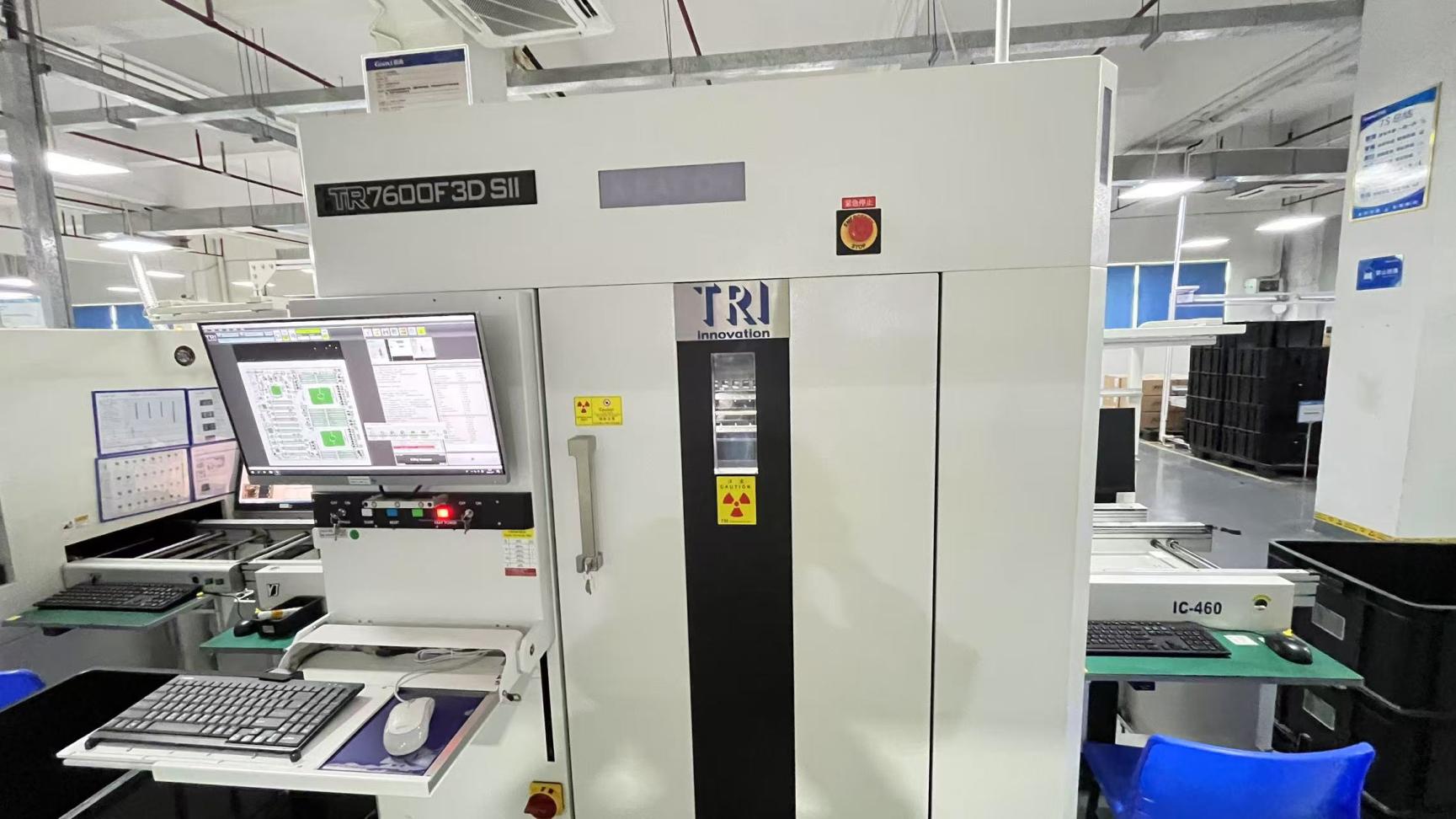
1. Automated Inspection System: We use high-magnification automated optical systems to check connector pin heights, pitch dimensions, and contact alignments, minimizing assembly line issues.
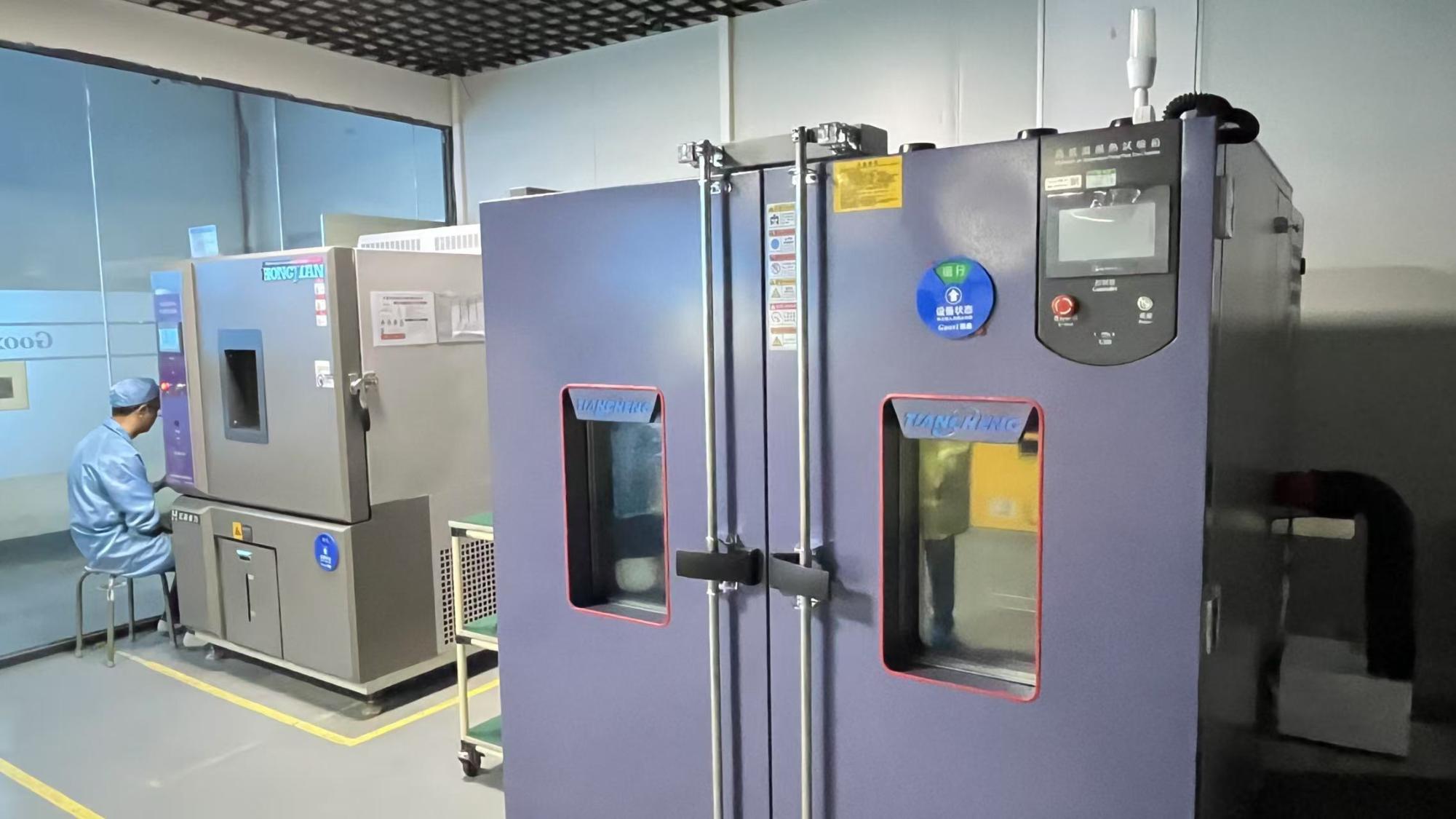
2. Harsh Environmental Testing: Connectors undergo thermal shock, salt spray testing, and vibration cycles to verify performance in demanding telecom and industrial settings.
3. Comprehensive Traceability: Every production batch is tracked from raw resin and stamping metals to final packaging, supporting quality control and visibility.
As the Internet of Things (IoT) and industrial automation expand, the demand for legacy copper communication protocols like RS-232, RS-485, and analog telephone circuits remains high. Modern industrial devices often use RJ11 interfaces for local communication networks, monitoring systems, and backup analog telemetry.
In smart energy meters and distribution automation, RJ11 interfaces provide a cost-effective, noise-resistant way to connect central processors with auxiliary sensors and local display modules. Using unshielded 6P4C or 6P6C connectors, system engineers can route power and signal lines through a single cable, simplifying maintenance and installation.
As global carrier networks phase out traditional POTS (Plain Old Telephone Service) lines in favor of fiber-to-the-home (FTTH), demand has shifted to VoIP gateways and Analog Telephone Adapters (ATAs). These devices convert digital IP voice data back into analog signals, using standard RJ11 modular jacks to connect existing household and business telephones.
Looking ahead, connector design is evolving toward miniaturization, hybrid data-power delivery, and green materials:
Next-generation designs focus on lowering connector profiles to save PCB space, allowing manufacturers to build slimmer industrial enclosures.
Suppliers are transitioning to halogen-free materials and bio-based plastics to meet strict environmental regulations and support corporate sustainability goals.
Future RJ11 connectors will integrate ESD protection and transient voltage suppressors directly into the jack body, saving board space and protecting downstream circuitry from lightning surges.
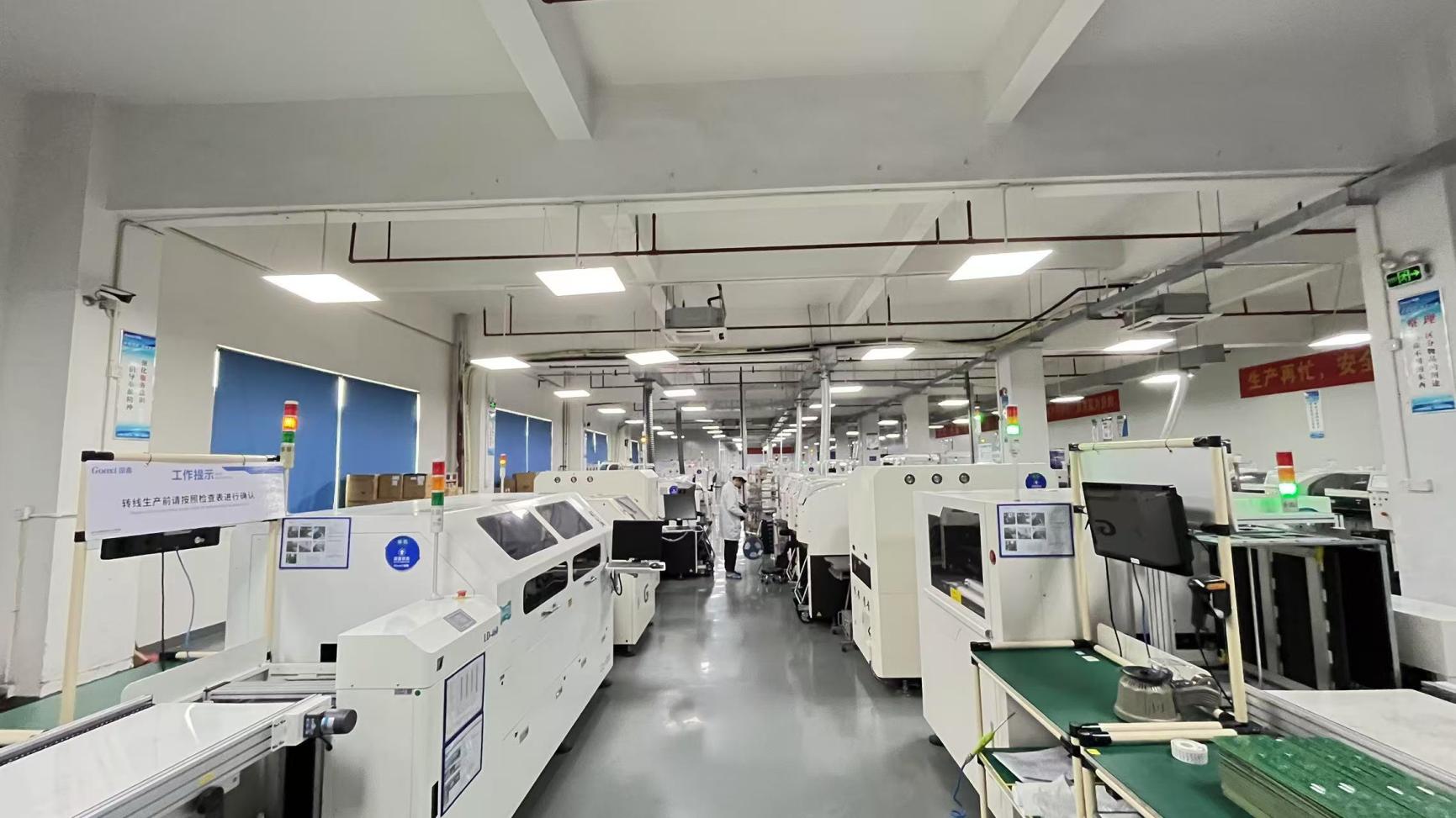
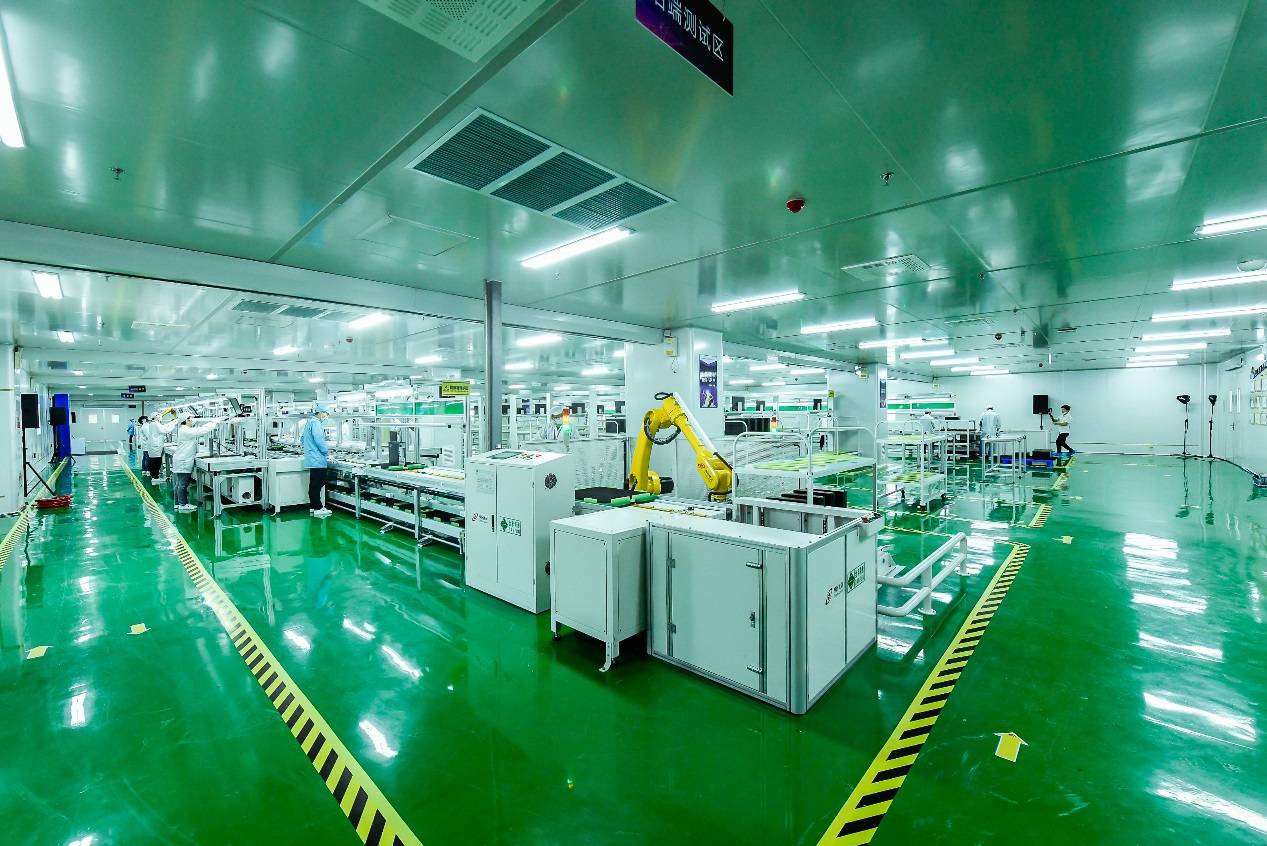
Our ISO9001:2015 certified 8,500㎡ factory uses advanced stamping, molding, assembly, and quality control systems to ensure reliable high-speed optical and copper components.
Common technical and procurement questions regarding RJ11 connectors answered by our engineering team.
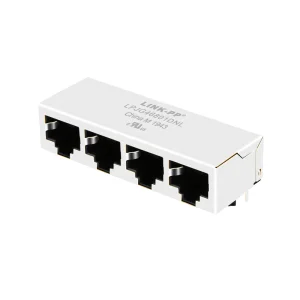
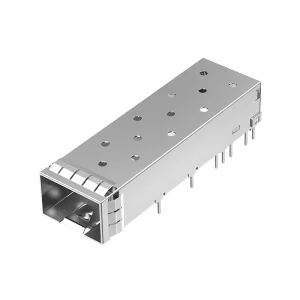
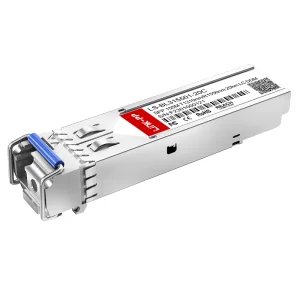
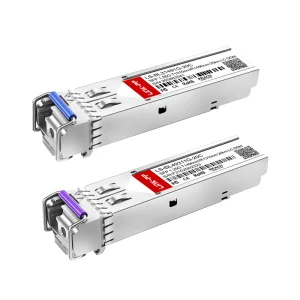
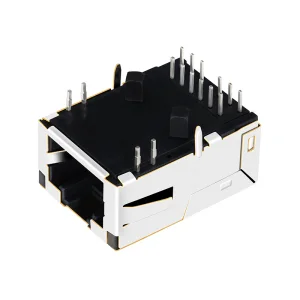
High-performance RJ45 jacks, SFP+ cages, and fiber optic transceivers designed for high-speed network backbones.