Lumetra
Lumetra
Lumetra
Explore our production portfolio optimized for High-Performance Computing (HPC), AI networks, and Telecommunication carrier channels.
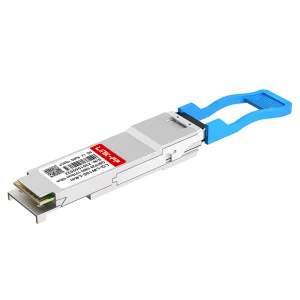
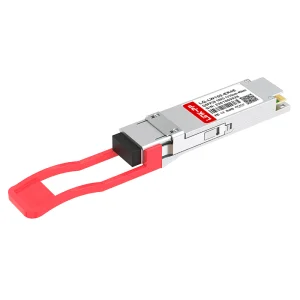
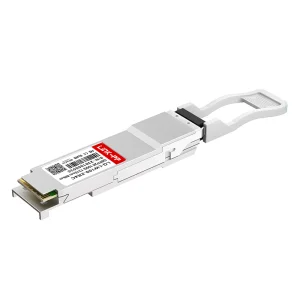
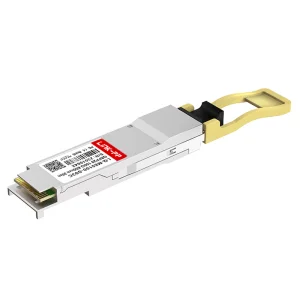
Established in 2016, Lumetra Optoelectronics Technologies Co., Ltd. leads the field in optical packaging, high-speed circuit layout, and multi-protocol compatibility engineering.
Lumetra Optoelectronics Technologies Co., Ltd. is a professional manufacturer specializing in high-speed optical transceivers and fiber optic communication solutions for datacom, telecom, and cloud infrastructure applications. With annual export revenue reaching around USD 18 million, Lumetra has built stable international business channels and accumulated 7 years of export experience, backed by 11 years of overall industry expertise.
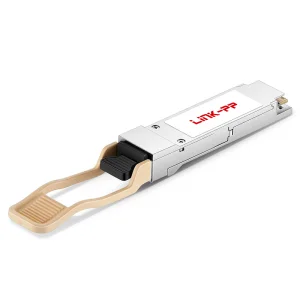
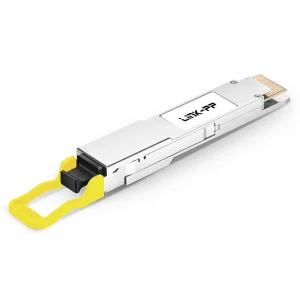
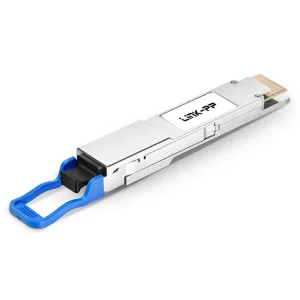
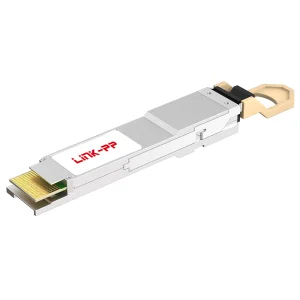
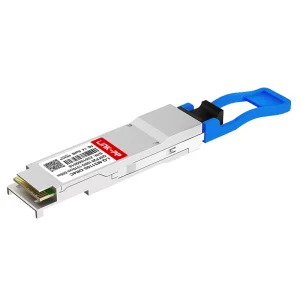
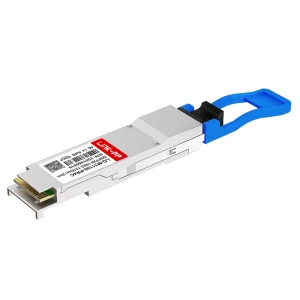
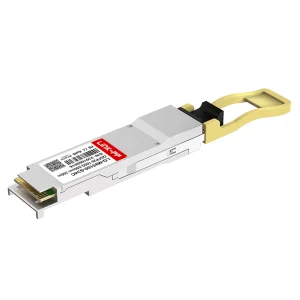
The core competencies of Lumetra center around the rapid commercialization and mass manufacturing of pluggable optical transceiver modules ranging from legacy 10G/25G interfaces up to the high-demand 100G, 200G, and 400G architectures. Through continuous innovation, the company supports a broad spectrum of form factors including QSFP28, QSFP56, and QSFP-DD, adhering strictly to Multi-Source Agreements (MSAs) to ensure seamless drop-in compatibility across globally deployed network equipment ecosystems.
Guided by 86 dedicated engineers specialized in optical design, signal integrity, and high-frequency layout simulation to optimize power margins and signal quality.
Maintained via automated test stations, bit error rate analysis (BERT), eye-diagram verification, and harsh environmental stress screening overseen by 48 certified inspectors.
Full customization capabilities encompassing protocol compatibility, custom wavelength plans, form factor variations, and firmware tuning for legacy switches.
An engineering analysis of modern optical transmission routes, modulation formats, and fiber connectivity structures.
The massive explosion of east-west traffic within modern data centers, coupled with the computational demands of machine learning clusters, requires a physical transport layer that balances cost, power efficiency, and signal integrity. The transition from 100G NRZ (Non-Return-to-Zero) to 400G PAM4 (Pulse Amplitude Modulation 4-Level) signals represents a significant milestone in high-performance networking.
Historically, 100G modules relied on 4 channels of 25Gbps NRZ signals. As bandwidth requirements scaled, doubling the baud rate to 50Gbps posed challenges for signal loss and dispersion on traditional copper and fiber channels. To resolve this, the industry transitioned to PAM4 modulation for 200G and 400G transceivers. By utilizing four amplitude levels instead of two, PAM4 transmits two bits of information per symbol period, doubling the transmission rate without needing double the spectral bandwidth. This makes PAM4 the key standard for high-bandwidth interfaces like the 400G QSFP-DD.
| Form Factor & Wavelength | Modulation Format | Standard Reach | Connector Type | Target Application |
|---|---|---|---|---|
| 100G QSFP28 (850nm / 1310nm) | NRZ / PAM4 (Single Lambda) | 100m to 80km | MPO-12 / LC Duplex | Datacenter Leaf-Spine, Enterprise Core |
| 200G QSFP56 (850nm / 1310nm) | PAM4 (4x50G) | 100m to 10km | MPO-12 / LC Duplex | Supercomputing, Interconnect aggregation |
| 400G QSFP-DD (850nm / 1310nm / CWDM) | PAM4 (8x50G or 4x100G) | 100m to 40km | MPO-16 / MPO-12 / LC Duplex | AI Clusters, Cloud Edge Datacenters, Metro DCI |
To balance production costs and optical performance, Lumetra uses distinct laser architectures for different distances:
Inside Lumetra's state-of-the-art 8,500㎡ facility: Ensuring continuous operation, material control, and automated testing.
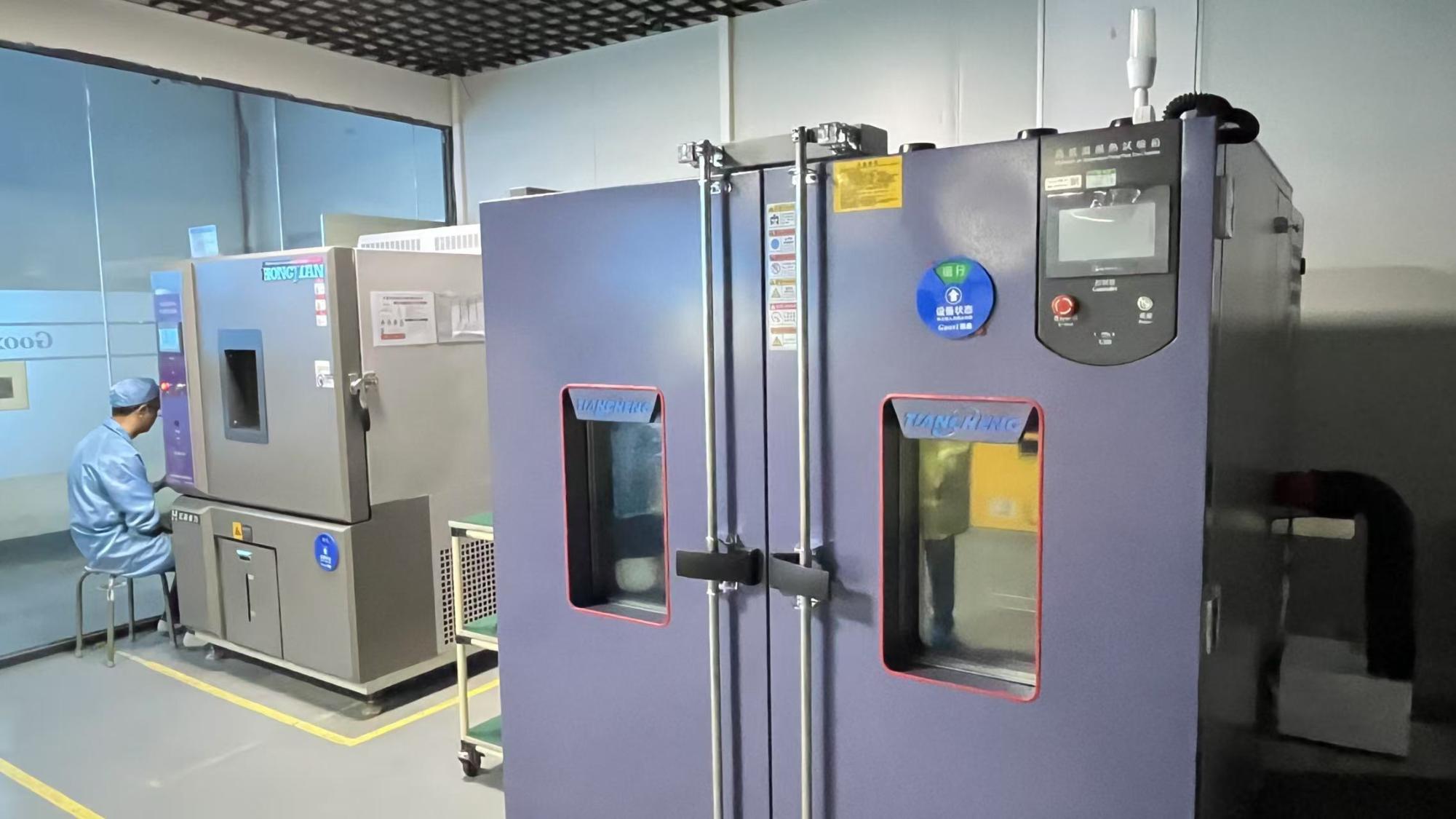
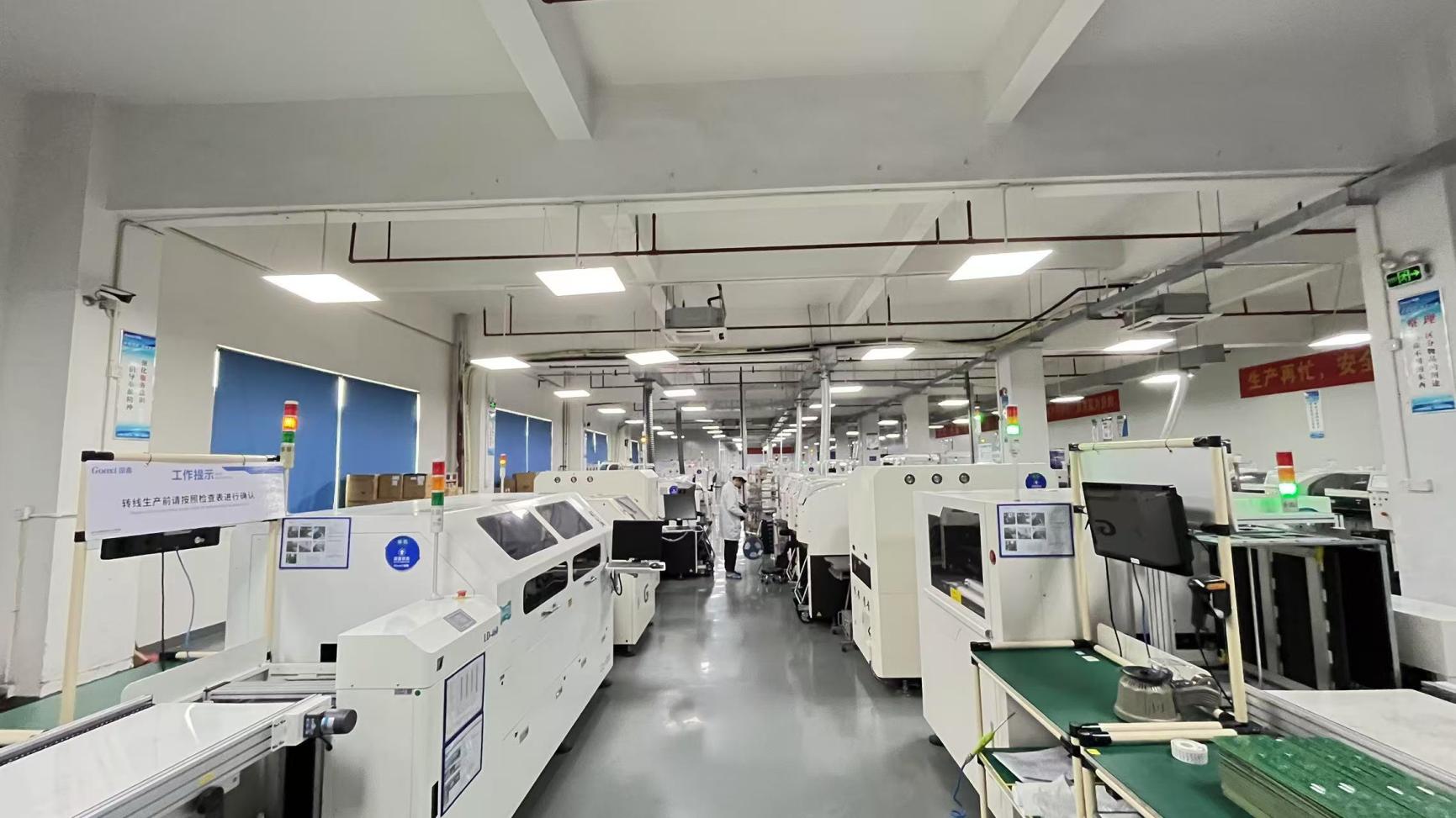
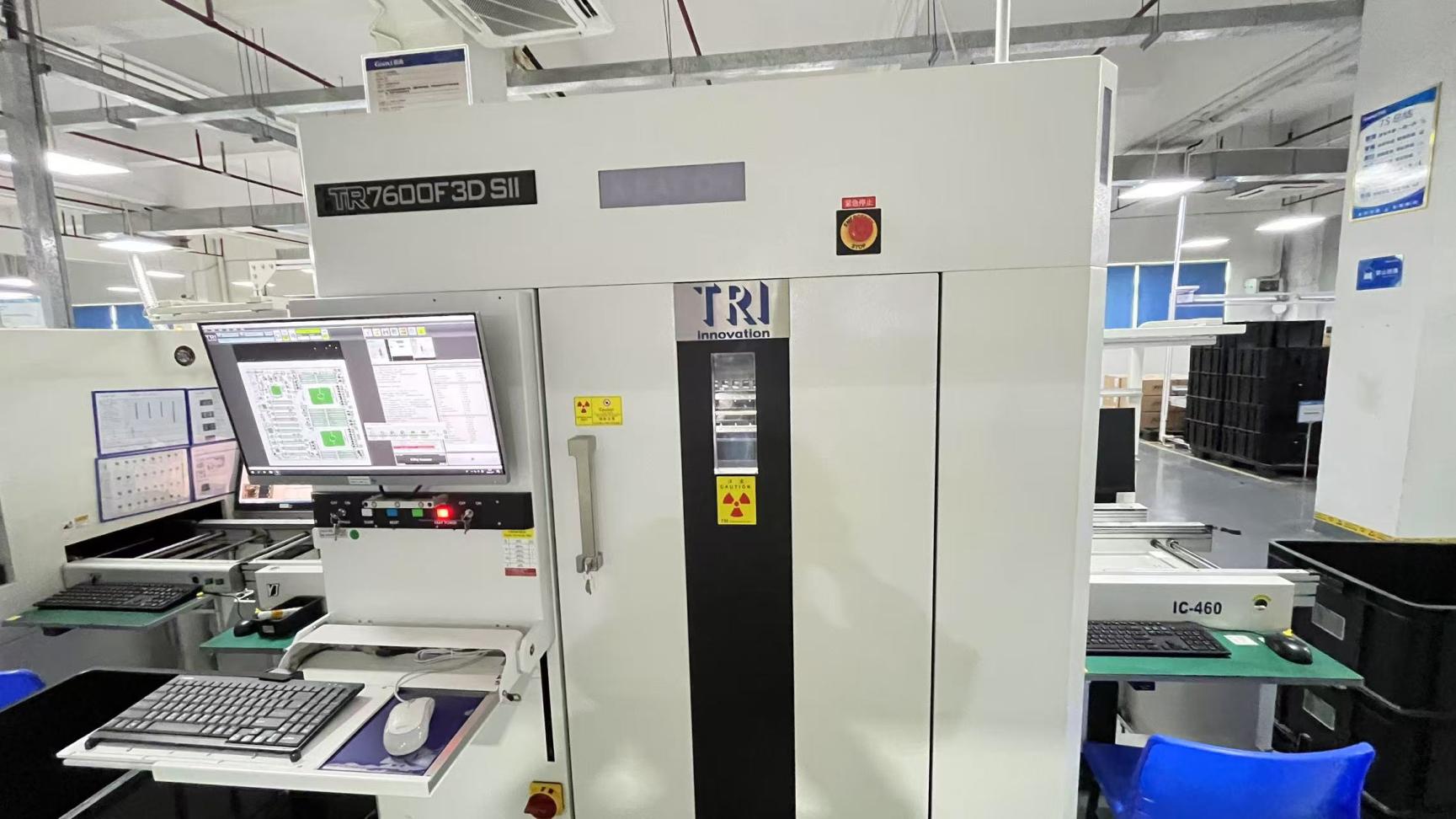

In the high-speed optoelectronics market, supply chain continuity is just as critical as raw electrical performance. Based in China's advanced optical manufacturing corridor, Lumetra leverages an ecosystem of over 1,200 local and international supply partners. This integration ensures a reliable supply of substrate PCBs, laser diodes, TIA (Transimpedance Amplifier) chipsets, DSPs, and premium metal housings, minimizing production delays.
By keeping major manufacturing processes in-house—including die bonding, wire bonding, optical alignment, and automated functional testing—we maintain strict quality control and adapt production schedules quickly. In the past year alone, our facility successfully introduced approximately 220 new products. This reflects our agility in prototyping and scaling custom optical variations to meet changing client demands.
Every transceiver produced by Lumetra undergoes a multi-stage testing process. We use automated test systems to run comprehensive performance sweeps, checking parameters such as optical eye margins, receiver sensitivity, extinction ratios, and multi-protocol compatibility across various switch brands. This rigorous process is managed by our 48-member QA team, ensuring that every module complies with international standards before shipping.
How Lumetra transceivers are configured to solve regional infrastructure challenges across key global markets.
From North American hyperscale sites to European enterprise cores and telecom networks across Southeast Asia and the Middle East, different regions present unique operational requirements. Understanding these regional constraints is essential for successful, long-term product deployment.
Our 400G DR4, FR4, and 100G single-lambda solutions are optimized for ultra-low power consumption and high density, helping reduce operating costs and thermal overhead in hyperscale, AI-driven data centers.
With an emphasis on strict environmental compliance (RoHS, WEEE) and long-distance transport, Lumetra supplies highly stable 100G/200G ER4 and ZR4 modules for regional backhaul and metro links.
To support high-temperature and high-humidity environments, we offer industrial-grade temperature transceivers (-40°C to 85°C) designed to withstand outdoor conditions in distributed cell towers.
We provide high-power-efficiency transceivers designed to run reliably in hot climates, helping data centers manage the heavy cooling loads required in regional facilities.
Operating internationally requires more than just shipping products; it demands responsive technical support and reliable supply chains. Lumetra addresses this through localized field engineering support and partnerships with distributors in major regions. These relationships ensure fast replacements, technical assistance, and custom firmware updates to guarantee compatibility across diverse networking systems.
Beyond 400G: A preview of Co-Packaged Optics (CPO), Linear Drive Pluggable Optics (LPO), and the path to 800G and 1.6T.
As network bandwidth continues to scale, traditional copper-based electrical traces face physical limits. The industry is exploring new architectures to keep pace with these demands, focusing on reducing power consumption, latency, and material costs.
LPO technology removes the DSP (Digital Signal Processor) from the pluggable transceiver, relying instead on high-performance drivers and TIAs directly coupled to the host switch ASIC. This design can reduce latency by up to 50% and power consumption by roughly 30% compared to traditional DSP-based modules. This makes LPO highly suitable for latency-sensitive AI training environments.
CPO represents a significant architectural shift by mounting the optical engine directly onto the same substrate as the switch ASIC. This integration reduces the distance electrical signals must travel, minimizing power loss and allowing for higher port densities. Lumetra's R&D teams are actively developing packaging methods and fiber-coupling techniques to support CPO implementations in future cloud infrastructures.
We are expanding our product lineup to include 800G transceivers, using both 8x100G and 4x200G architectures, while also researching the physical interfaces needed for 1.6T modules. These future products will use advanced packaging, silicon photonics platforms, and automated alignment techniques developed in our 8,500㎡ facility to maintain our competitive edge.
Tailoring high-speed optics to custom specifications while maintaining international quality and environmental certifications.
We offer extensive customization options to meet specific project demands. Our engineering teams work closely with clients to deliver specialized solutions, including:
Every product shipped by Lumetra is fully certified for international markets. We strictly adhere to global quality, safety, and environmental standards, including:
Our manufacturing and assembly processes follow standardized procedures to ensure consistent quality and traceablity for every batch.
Our modules meet EU and US electromagnetic compatibility (EMC) standards, ensuring safe integration into enterprise networks.
We use lead-free, environmentally friendly materials throughout our assembly line to comply with strict global safety and waste regulations.
All transceivers are designed in alignment with relevant Multi-Source Agreements (MSAs), securing broad physical and electrical compatibility.
Direct technical answers regarding compatibility, modulation, performance, and customization options.
Our engineering team tests each product family using the original host systems of major switch manufacturers. We modify the transceivers' EEPROM/firmware registers to match the requirements of specific target platforms, ensuring smooth compatibility and enabling full DDM telemetry data.
NRZ is a two-level binary system suitable for speeds up to 100G (using 4x25G lanes). 200G and 400G architectures typically transition to PAM4 modulation, which uses four signal levels to transmit twice the data per unit of time, keeping the required physical bandwidth within practical limits.
Every long-distance transceiver (such as our ER4, ZR4, and LR8 variants) is tested under simulated high-attenuation conditions. We use bit error rate testing (BERT), verify eye diagram margins, and subject the modules to temperature cycles inside environmental testing chambers.
Yes. We offer complete ODM and OEM services, including custom laser engraving, tailored packaging, private labeling, and custom firmware designs, matching the branding and requirements of our distribution partners.
Extend your network reach with our specialized 400G and 100G products designed for long-haul and dense cabling environments.