Lumetra Lumetra

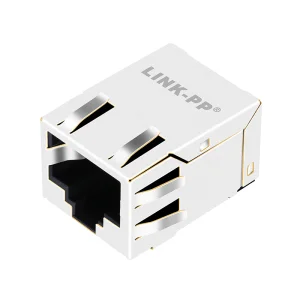
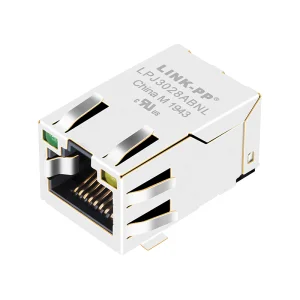
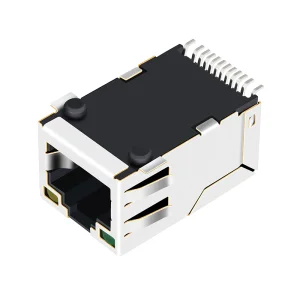
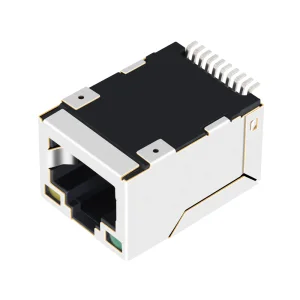
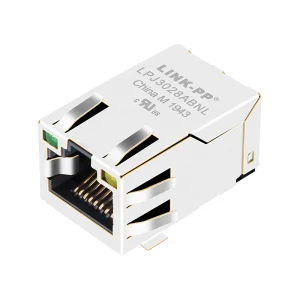
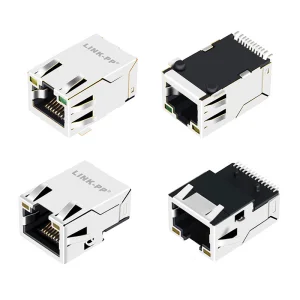
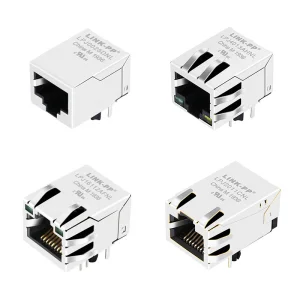
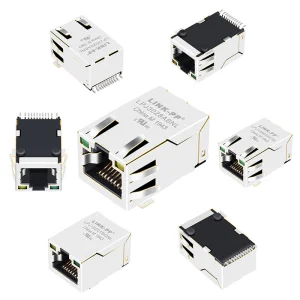
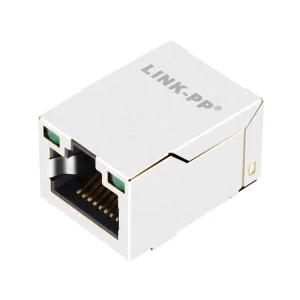
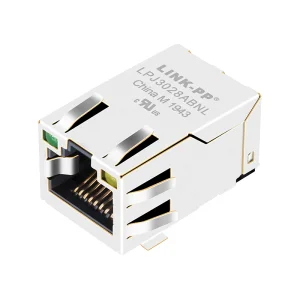
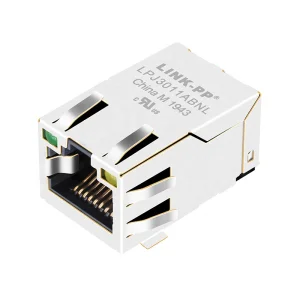
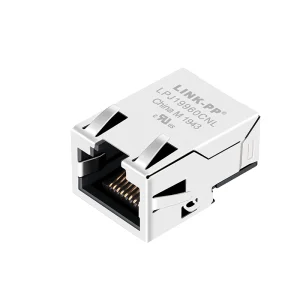
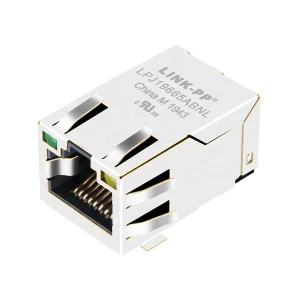
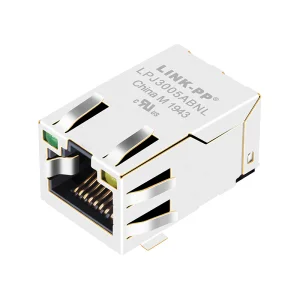
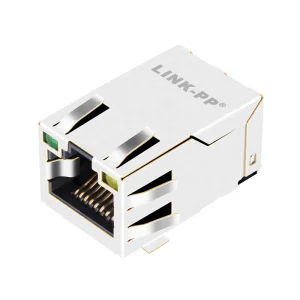
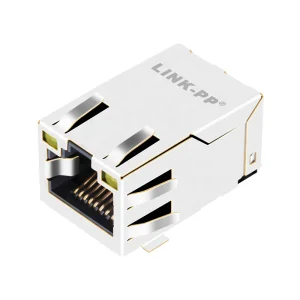
SMT RJ45 Connector & Female SMT RJ45 Jack

Premium Manufacturer & Global Factory - Advanced Networking & Structural Telecommunication Solutions

Global Landscape of SMT RJ45 Connectors

In the rapidly changing hardware landscape of modern telecommunications, industrial automation, and enterprise networking, the transition from Thru-Hole Technology (THT) to Surface Mount Technology (SMT) RJ45 female connectors has become an industry standard. SMT RJ45 connectors represent a vital convergence of mechanical stability, electrical throughput, and board-level optimization. By eliminating the necessity for through-hole pins, SMT layouts allow design engineers to utilize the reverse side of PCBs for component placement, substantially increasing density and enabling device miniaturization.

Miniaturization & Densities

Modern applications demand components that occupy minimal footprints. SMT RJ45 jacks optimize valuable space on dual-sided boards, essential for routers, switches, and compact IoT devices.

Automated Assembly

Engineered for Pick-and-Place pickheads, our SMT connectors utilize thermo-resistant liquid crystal polymers (LCP) designed to withstand lead-free reflow profile requirements of up to 260°C.

Signal Integrity (EMI/ESD)

Equipped with integrated magnetic modules, custom-fit metal shielding, and dedicated ground tabs, these connectors mitigate high-frequency EMI noise and control crosstalk.

Globally, telecom networks and industrial systems require connectivity modules that minimize high-frequency signal attenuation. SMT RJ45 connectors must maintain coplanarity limits below 0.1mm across all contact leads to prevent open solder joints during convection reflow. Our production processes focus on delivering precise coplanarity tolerances, ensuring reliable electrical connectivity for demanding gigabit-speed applications.

High-Performance Manufacturing Capability

Lumetra Optoelectronics Technologies Co., Ltd. is a specialized manufacturer focused on high-speed connectivity interfaces and advanced data communication hardware. Founded in 2016, the company has grown into a key supply partner for telecom operators, hyperscale cloud data centers, and network equipment distributors worldwide.

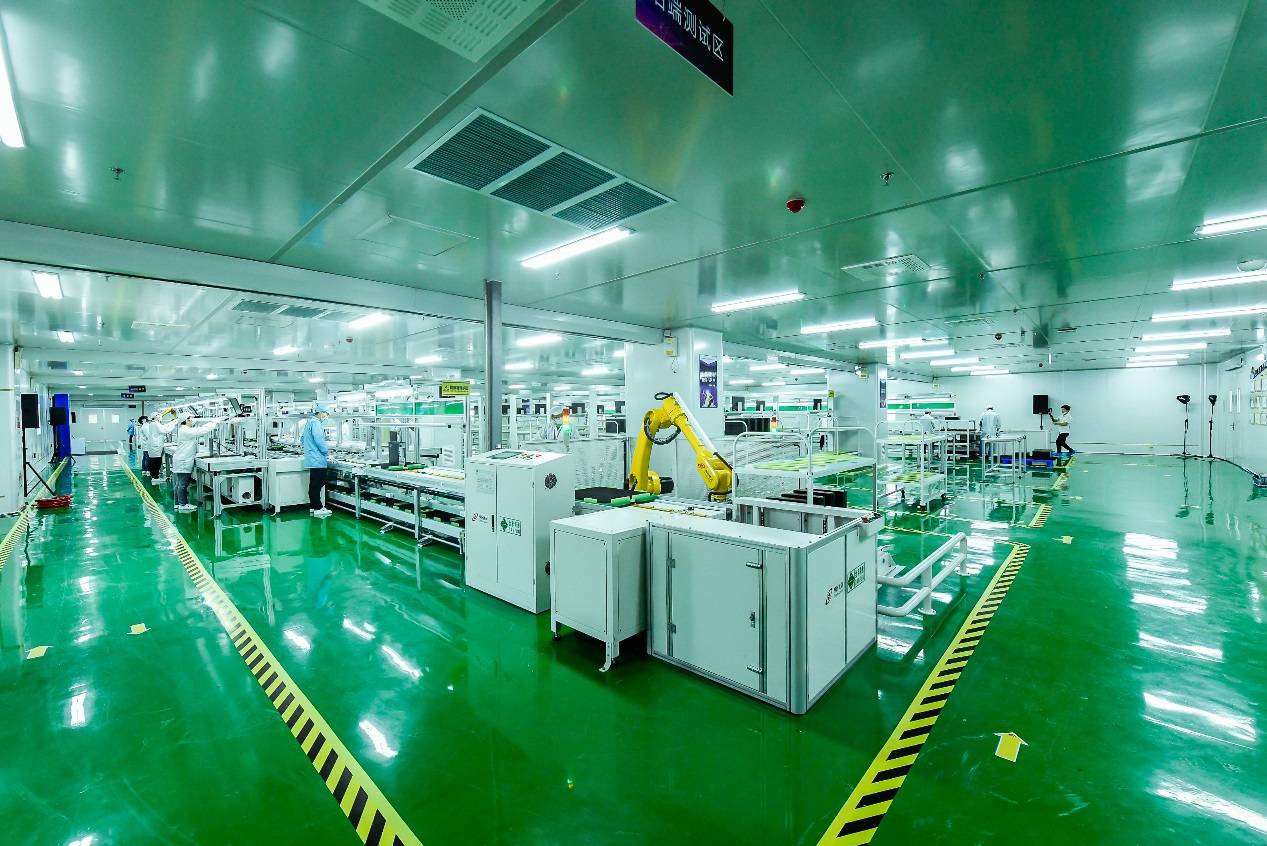
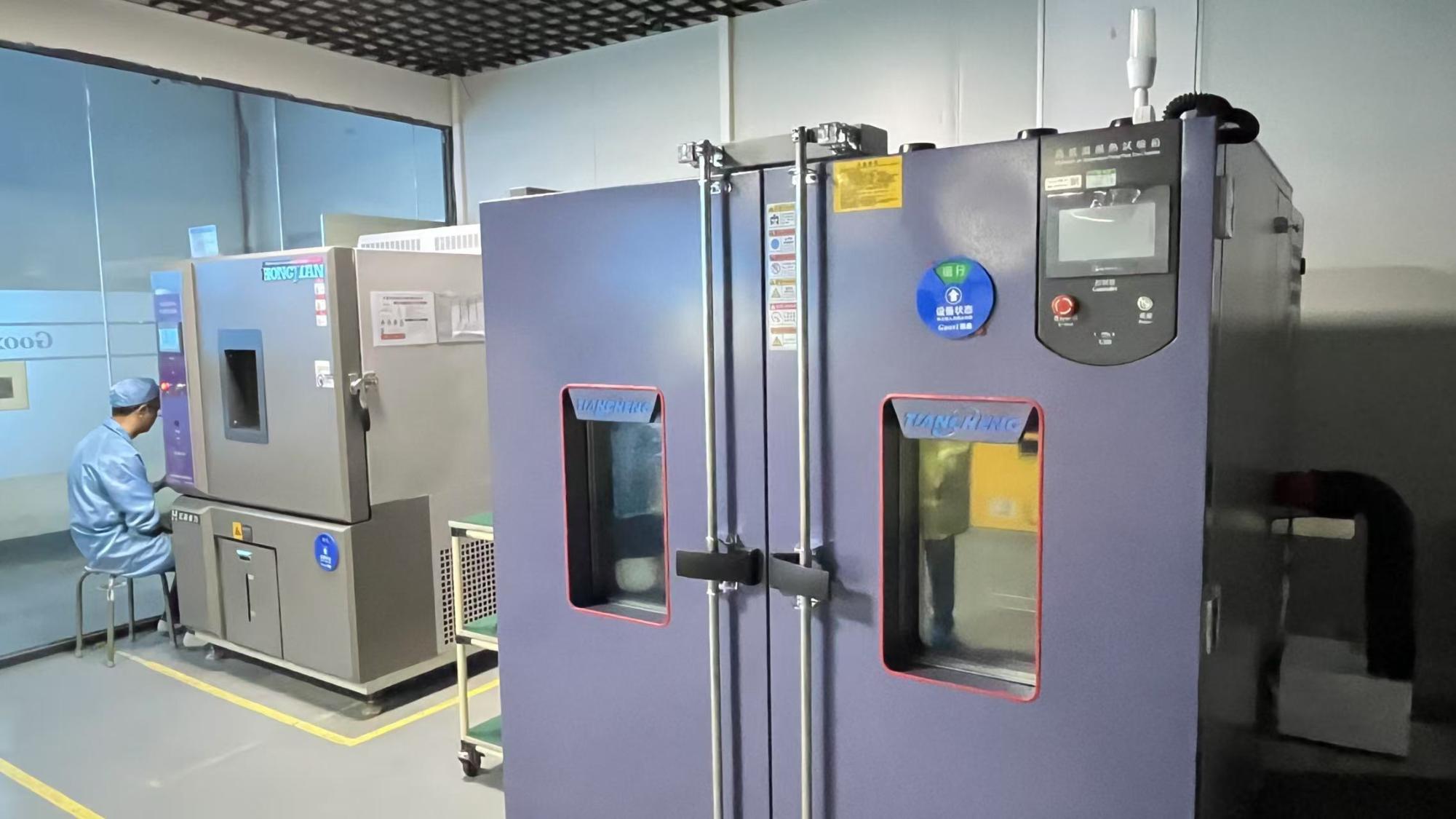
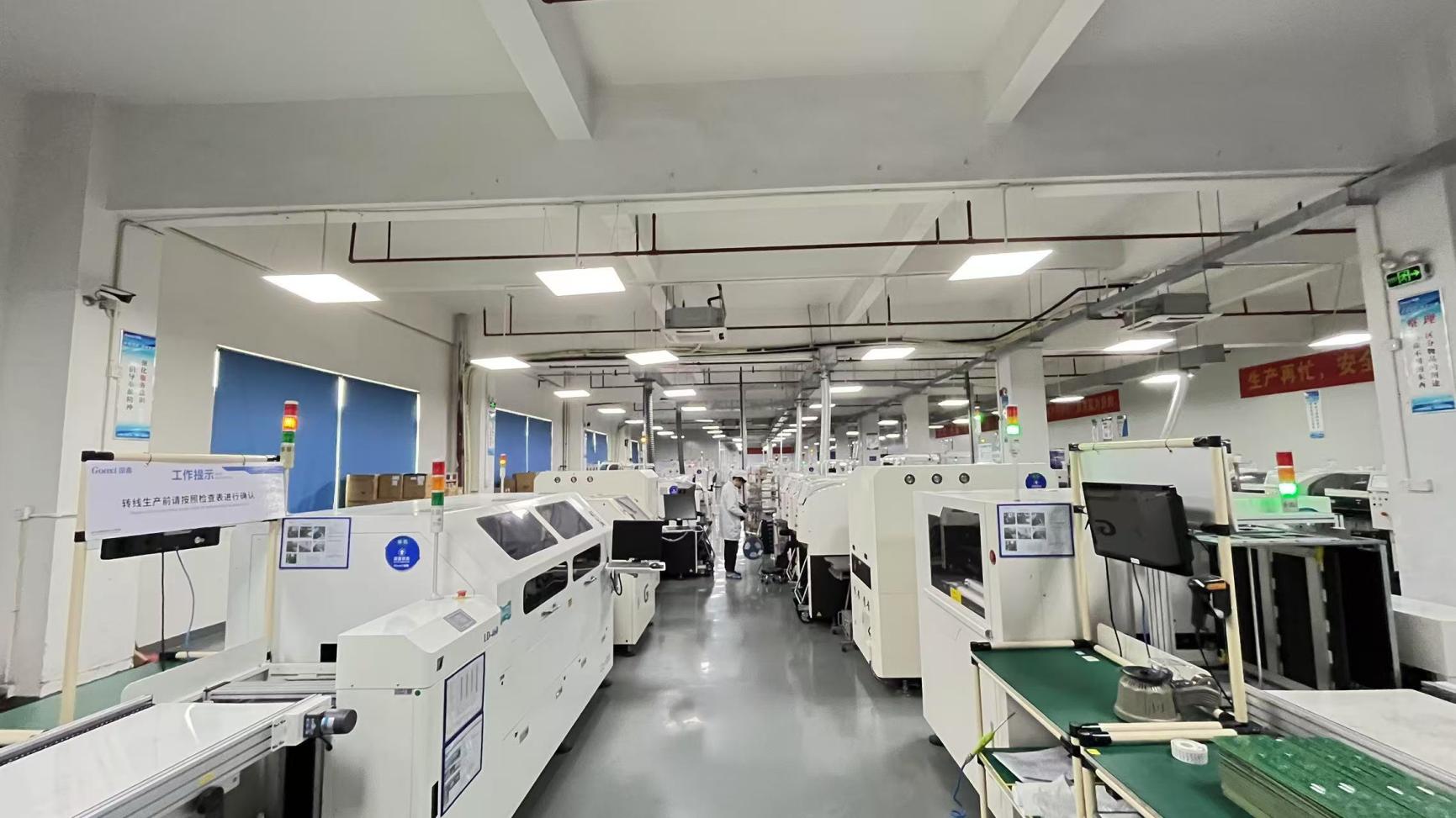
Operating from an 8,500㎡ production facility equipped with high-speed automated insert molding, terminal stamping, and automated assembly equipment, Lumetra supports high-volume manufacturing with consistent mechanical precision. Over our 11 years of industry experience and 7 years of export history, we have established distribution channels supplying customers across North America, Europe, Southeast Asia, and the Middle East.

Our engineering team focuses on customized development, including protocol matching, multi-port footprints, tailored magnetic designs, and high-frequency signal integrity. Our R&D team of 86 engineers supports customer-specific OEM/ODM designs from initial layout to mechanical prototyping and validation testing.
8,500㎡
Production Facility
$18M+
Annual Export Revenue
86
R&D Engineers
48
QA Specialists

Industrial Applications & Market Trends

SMT RJ45 connectors serve as critical physical interfaces in several key high-growth industries.

Key Application Fields

  • Industrial IoT (IIoT): Used in factory automation systems, PLCs, industrial gateways, and Ethernet-based sensors that require rugged connectivity and resistance to environmental stress.
  • Hyperscale Cloud Data Centers: High-density SMT RJ45 female connector ports provide out-of-band management and copper backup routes for main servers and top-of-rack switches.
  • Telecommunication Hardware: Vital component for 5G small cells, optical network terminals (ONTs), network switches, and optical transceiver panels.
  • Smart Home and IoT: Fits inside small-footprint consumer devices like residential gateways, camera security modules, and AV receivers.

Industry Technology Trends

1. Integration of Passive Components (Magjacks): Modern designs shift away from discrete layout components to integrated connector modules containing termination resistors, isolation transformers, and common mode chokes (integrated magnetics). This transition simplifies circuit design and reduces electrical noise.

2. Power-over-Ethernet (PoE/PoE+/PoE++): Supporting high wattage (up to 90W) directly through the RJ45 pin array is essential for powering high-definition PTZ security cameras, high-output wireless access points, and remote IoT displays.

3. Advanced Reflow Tolerance: Environmental regulations mandate lead-free reflow processes. Connectors must use advanced polymers such as PA9T, PA46, or LCP that resist thermal deformation during high-temperature baking.

Supply Chain Reliability & QC Processes

Lumetra leverages automated quality control systems and local supply networks to deliver consistent quality at competitive price points.

Our quality control protocols monitor each step of the manufacturing process. Key elements of our quality program include:

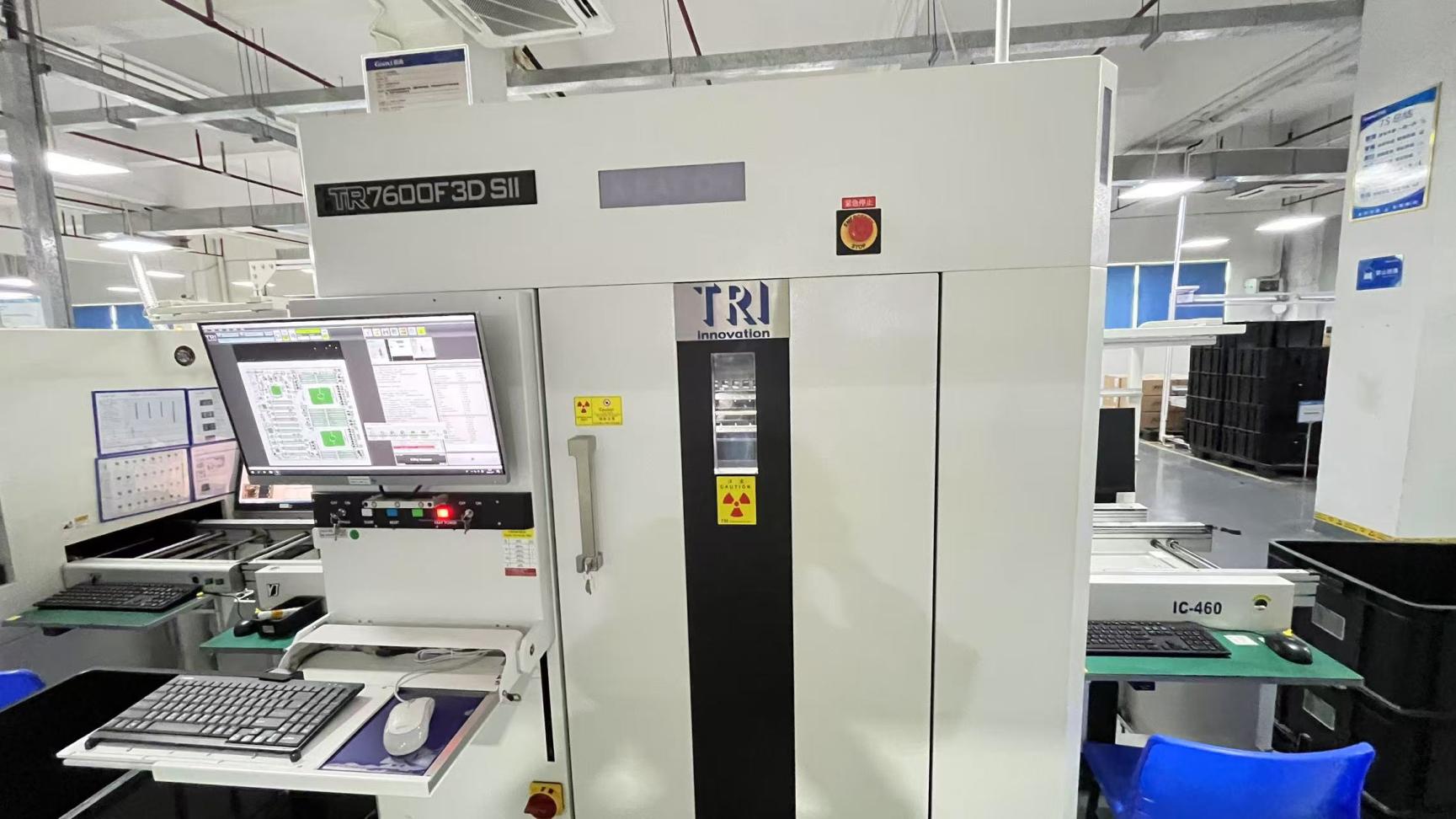
  • Automated Optical Inspection (AOI): Evaluates physical alignment, contact leg planarity, and plastic frame integrity.
  • Electrical Performance Verification: Verifies insulation resistance, contact resistance, and dielectric strength.
  • Environmental Stress Screening (ESS):subjects test batches to thermal shock, humidity cycling, and mechanical vibrations to verify long-term reliability.
  • Comprehensive Traceability: Utilizes barcode serialization from raw materials through assembly stages to simplify quality tracking.

Our strategic location in China enables access to a robust component supply chain of over 1,200 partners. This localized supply network supports raw material procurement and production flexibility. Lumetra coordinates with sub-tier partners for precision plating, copper supply, and injection molding materials, helping to control lead times even during seasonal demand fluctuations.

With 48 trained quality inspectors and our standard 100% automated electrical loop test, we maintain defect rates within strict PPM (Parts Per Million) limits. Our engineering processes are optimized for high first-pass yield in SMT board assembly.

Technical Q&A: SMT RJ45 Connectors

Detailed technical answers to common engineering and procurement inquiries regarding surface-mount connectivity solutions.
Q1: What are the primary differences between SMT and Thru-Hole (THT) RJ45 connectors?
SMT (Surface Mount Technology) connectors are soldered directly onto surface pads on the PCB without passing through the board substrate. This saves valuable space on the reverse side of the board for secondary component placement. THT (Through-Hole Technology) uses pins that pass through pre-drilled holes, offering higher mechanical anchoring force but requiring more space. SMT is preferred for automated high-density assembly, while THT is reserved for extreme mechanical stress applications.
Q2: How does Lumetra ensure proper coplanarity on SMT RJ45 leads?
Coplanarity refers to the maximum distance between the lowest and highest contact lead when the connector rests on a flat surface. Lumetra enforces a strict coplanarity threshold of <0.10mm. This is monitored through automated high-speed 3D laser scanners and advanced optical verification during the final packaging stage (tape-and-reel or tray packaging).
Q3: Can these SMT RJ45 connectors be processed in standard lead-free reflow ovens?
Yes. The housing materials (typically LCP, PA9T, or PA46) are selected for their thermal resilience, allowing the connector to withstand peak reflow temperatures of up to 260°C for 10 to 20 seconds. This is compatible with typical lead-free SAC305 profile requirements.
Q4: What is the benefit of using an Integrated RJ45 Magjack over discrete designs?
Integrated RJ45 Magjacks consolidate the ethernet transformator, common mode chokes, resistors, and high-voltage capacitors into a single shielded housing. This consolidation reduces PCB space requirements, simplifies tracing, minimizes electromagnetic interference (EMI), and improves overall signal integrity.
Q5: Do you support PoE (Power over Ethernet) compatibility for SMT connectors?
Yes, our catalog features modules engineered to support IEEE 802.3af (PoE), 802.3at (PoE+), and 802.3bt (PoE++) standards, capable of handling current levels up to 1A per pair to support remote powered devices.
Q6: How does Lumetra control electromagnetic interference (EMI) in high-speed applications?
We use copper alloy shielding panels with nickel-plating or tin-plating, integrated ground tabs, and option-specific internal EMI filters. These shielding structures block internal and external high-frequency electrical fields, keeping signal integrity within Category 5e or Category 6 limits.
Q7: What options are available for customization (OEM/ODM)?
Our 86 R&D engineers support customization, including changes to contact pin plating (e.g., 6u" to 50u" gold plating), custom LED configurations, specialized EMI grounding tabs, multi-port ganged layouts, and customized footprint configurations.
Q8: What packaging format is recommended for automated assembly?
For high-volume pick-and-place lines, we recommend Tape-and-Reel packaging conforming to EIA-481 standards, complete with vacuum caps. For low-to-medium volumes, tray packaging is available to protect lead coplanarity during transport.
Q9: How do your SMT connectors ensure mechanical stability on the board?
To offset the insertion and extraction forces during RJ45 plug engagement, our designs feature integrated mechanical locating pegs or solderable metal shield tabs (solder posts) that anchor the connector securely to the PCB surface.
Q10: What are the lead times and shipping capabilities for international markets?
Standard products have typical lead times of 2 to 4 weeks depending on order volume. Customized ODM projects require approximately 6 to 8 weeks, including tool path generation and sample validation. We export to North America, Europe, and Asia-Pacific regions, handling logistics through major ports in China.
All SMT RJ45 Connector Products