In the ever-evolving field of networking technology, the QSFP transceiver stands out as a crucial component for global buyers. This compact yet powerful device facilitates high-speed data transmission over short and long distances. Its design caters to diverse applications, from data centers to enterprise networks. The rise of cloud computing and big data has heightened the demand for efficient solutions, making QSFP transceivers essential.
As organizations seek better performance, they often overlook the advantages that QSFP transceivers offer. These devices support multiple protocols and provide flexibility. With the ability to handle various bandwidth needs, they are adaptable to changing market demands. Buyers must recognize this versatility and consider how it could enhance their network infrastructure.
The increasing need for reliability in data communication cannot be understated. High-quality QSFP transceivers help ensure stability and performance in critical operations. Buyers should critically evaluate their options, balancing cost and quality. While many vendors claim to offer reliable products, not all meet the high standards necessary for optimal performance. Choosing the right QSFP transceiver is vital for long-term success and efficiency in networking.
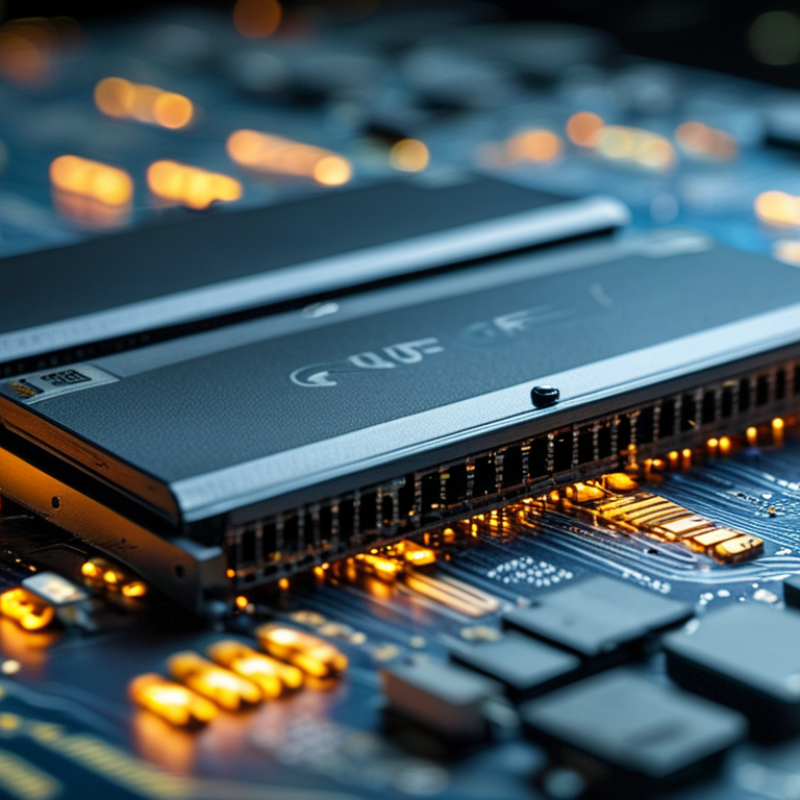
Key Features of QSFP Transceivers Beneficial for Global Buyers
QSFP transceivers have revolutionized the way we approach data communication. Their compact design and high bandwidth capabilities make them an attractive option for global buyers. These transceivers can support multiple data rates, ranging from 40 Gbps to 400 Gbps. This flexibility allows organizations to scale their networks without substantial infrastructure changes. The smaller form factor reduces space requirements, which is crucial for data centers looking to optimize their layouts.
Another key advantage lies in their energy efficiency. QSFP transceivers consume less power compared to traditional transceiver models. Lower energy consumption means reduced operating costs, which is beneficial for large-scale deployments.
However, it is essential to consider the heat dissipation aspects associated with high-density installations. Overheating can lead to performance issues if not managed properly.
Furthermore, the deployment of these transceivers promotes interoperability among various networking equipment. This adaptability can ease integration challenges across different systems. Yet, there’s a need for careful selection to ensure compatibility based on specific network requirements. Not all QSFP models are equal, and buyers should research to find the most suitable options for their use cases.
Cost-Effectiveness: How QSFP Transceivers Lower Network Expenses
QSFP transceivers provide a cost-effective solution for global buyers aiming to enhance network performance without breaking the bank. With growing demands for bandwidth, traditional transceivers may prove costly. QSFP transceivers, on the other hand, allow the transmission of multiple signals simultaneously, reducing the need for additional hardware. This can lead to significant savings over time, especially for large-scale data centers.
Beyond initial savings, QSFP transceivers offer lower long-term operational costs. They typically consume less power compared to older technologies, resulting in lower energy bills. Additionally, their compact design allows for more efficient use of rack space. This efficiency can translate into reduced cooling costs as well. However, buyers must be aware that not all QSFP transceivers are created equal. Incompatible models may lead to additional expenses in troubleshooting and integration efforts.
While QSFP transceivers present an appealing financial proposition, potential pitfalls exist. Buyers should perform due diligence when selecting the right models. Compatibility with existing infrastructure is critical. Choosing the wrong product can negate any cost benefits and lead to frustration. Therefore, understanding specific network requirements is essential for successful implementation.
Top 10 Benefits of QSFP Transceiver for Global Buyers
Scalability Advantages of QSFP Transceivers in Networking Solutions
QSFP transceivers play a crucial role in networking solutions, particularly through their scalability advantages. The demand for higher bandwidth continues to surge, driven by rapid data growth. According to a report by the International Data Corporation (IDC), global data will reach 175 zettabytes by 2025, highlighting the need for efficient data transmission solutions. QSFP transceivers provide the necessary capacity to manage this growth effectively.
These transceivers support multiple data rates, ranging from 40 Gbps to 400 Gbps. This flexibility enables organizations to scale their networking infrastructures without significant overhauls. A recent study by the Ethernet Alliance indicated that companies utilizing QSFP modules experienced a 30% reduction in networking costs while improving performance by up to 50%. Such improvements are essential for businesses looking to optimize their operations.
**Tip:** Evaluate your data transmission needs regularly. Transitioning to QSFP can future-proof your infrastructure.
Investing in QSFP technology also encourages thoughtful planning. Many organizations fall into the trap of underestimating their growth potential. Not accounting for future bandwidth needs can lead to costly upgrades. By proactively implementing QSFP transceivers, businesses can ensure they adapt to evolving demands.
**Tip:** Keep an eye on industry trends. Staying updated helps in making informed decisions about scalability.
Enhanced Data Transfer Speeds and Performance Metrics Explained
In the realm of data communication, QSFP transceivers are gaining recognition for their ability to enhance data transfer speeds significantly. These modules support data rates up to 400 Gbps, which is crucial for modern applications requiring high bandwidth. According to industry reports, organizations can reduce latency by up to 30% when utilizing these transceivers, which is vital for real-time data processing and applications.
Moreover, QSFP transceivers offer improved performance metrics through their design. They incorporate advanced technology, such as multi-mode fiber optics. This design allows for longer transmission distances without signal loss, often exceeding distances of 100 meters at high speeds. Industries handling large volumes of data, such as cloud providers, are increasingly adopting these solutions. Some studies suggest a potential 50% overall improvement in data center efficiency when implementing QSFP transceivers compared to older technologies.
Despite these advantages, it is essential to consider compatibility issues. Integrating QSFP transceivers into existing systems may require additional adjustments. Proper assessment is necessary to avoid possible network bottlenecks, especially in mixed-environment setups. Evaluating the full range of specifications and interoperability will lead to more effective network outcomes.
Compatibility and Versatility: QSFP Transceivers in Diverse Applications
QSFP transceivers have emerged as a go-to solution across various sectors. Their compatibility and versatility make them effective in diverse applications. They support multi-gigabit data rates, which is increasingly vital for high-density environments. According to a recent report by MarketsandMarkets, the QSFP market is projected to reach over $4 billion by 2026, driven by the demand for efficient data centers.
These transceivers enable seamless integration in data centers, telecommunication, and enterprise networks. They support various protocols like Ethernet, Fibre Channel, and InfiniBand. This multi-protocol support means businesses can leverage QSFP for multiple applications without needing different transceivers. It leads to cost savings and increases network efficiency.
Tip: When selecting QSFP transceivers, consider the compatibility with existing infrastructure. Ensure they align with your network’s speed and protocol requirements.
Moreover, QSFP transceivers aid in reducing power consumption. With an average power consumption of around 3-5 watts, they offer an energy-efficient solution for network operations. This reduction in energy expenditure is crucial for companies looking to enhance sustainability while lowering operational costs. Yet, some users face challenges in transitioning. Their existing setups may not fully utilize the QSFP capabilities, necessitating careful planning and adjustments.
Tip: Regularly review your network configuration. This will help you maximize the advantages offered by QSFP technologies.
FAQS
: QSFP transceivers are compact data communication devices that support high bandwidth, ranging from 40 Gbps to 400 Gbps.
Their smaller design saves space. Additionally, lower power consumption reduces energy costs, which is vital for data centers.
Lower energy consumption reduces operating costs. However, overheating can occur, causing performance issues if not managed.
Yes, they promote interoperability among systems. However, careful model selection is needed to ensure compatibility.
They allow for multiple signals without extra hardware, leading to lower initial and operational costs over time.
They enhance data transfer speeds and can reduce latency by up to 30%, benefiting real-time applications.
No, compatibility varies by model. Buyers must research specific network requirements to avoid integration issues.
It’s important to assess compatibility with existing infrastructure to avoid extra costs and troubleshooting.
Adoption may improve data center efficiency by up to 50%, but proper integration is crucial for optimal results.
Selecting incompatible models can lead to frustration and reduced cost savings, making careful selection essential.
Conclusion
QSFP transceivers have become essential components for global buyers looking to enhance their networking capabilities. These transceivers offer key features such as excellent data transfer speeds and improved performance metrics, making them ideal for a diverse range of applications. Their cost-effectiveness also dramatically lowers network expenses, aligning with the budgetary needs of various organizations.
Additionally, QSFP transceivers provide significant scalability advantages, allowing networks to grow and adapt to increasing demands without compromising performance. This versatility ensures that they can be seamlessly integrated into existing systems, thereby offering a comprehensive solution for modern networking challenges. As a result, global buyers are increasingly turning to QSFP transceivers to meet their connectivity needs efficiently and economically.
 Lumetra
