Lumetra
The future of data transmission is bright, particularly with the advent of the 200G optical transceiver. Industry expert Dr. Emily Carter has stated, “The 200G optical transceiver will redefine high-speed connectivity for global networks.” As we approach 2026, understanding the market for these devices is crucial for businesses seeking to enhance their infrastructure.
The demand for faster internet and seamless communication continues to rise. With industries transitioning to a digital-first approach, 200G optical transceivers are becoming essential. They offer higher bandwidth and reduced latency, which are vital for data centers and telecom providers. However, the saturation of options can overwhelm buyers. Evaluating specifications, performance, and reliability is key to making informed decisions.
Despite the advancements, challenges remain. Not all 200G optical transceivers are created equal. Some may fall short of longevity or compatibility. Buyers must not overlook reviews or expert opinions. Ensuring that a transceiver meets specific needs is paramount. In conclusion, the search for the best 200G optical transceiver demands careful consideration and a focus on quality.
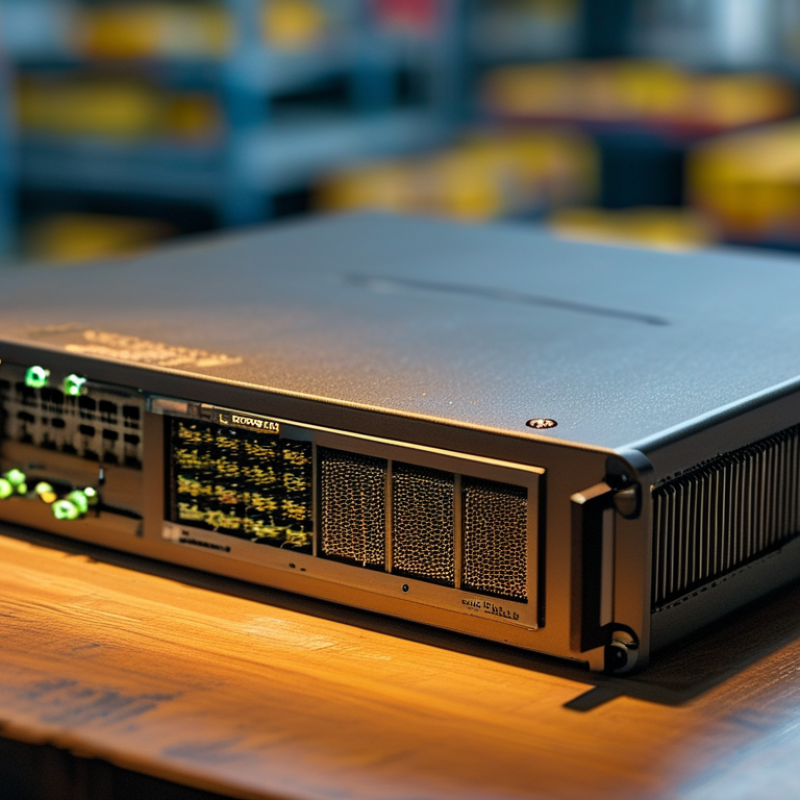
As we look towards 2026, the demand for 200G optical transceivers is expected to surge. This growth mirrors the increasing need for high-speed data transmission in various sectors. The rise of cloud computing, big data, and the Internet of Things (IoT) is driving this trend. Companies seek reliable solutions to handle vast amounts of information efficiently.
However, challenges remain. Manufacturers must innovate and enhance performance while keeping costs manageable. Sustainability is another critical factor. The industry must address energy consumption and environmental impact. Organizations are now more aware of their carbon footprint. They seek solutions that align with their green initiatives.
Experts suggest that collaboration among industry players will be vital. Sharing insights can lead to better technologies. Fostering partnerships can help address challenges more effectively. The future is promising, but it requires careful consideration. Market players must remain agile and responsive. They need to adapt to evolving demands and technological advancements.
When selecting a 200G optical transceiver, several key features warrant careful consideration. First, look into the transmission distance capabilities. Many transceivers offer varying ranges, impacting performance in different environments. For instance, a typical reach could range from 10 km to over 80 km with appropriate fiber types. The IEEE 802.3bs standard indicates that performance varies significantly depending on these features.
Another crucial aspect is the modulation format. Common formats include PAM4 and NRZ, with PAM4 providing better bandwidth efficiency. According to recent market analyses, 200G transceivers employing PAM4 are expected to dominate the market by 2026, driven by their superior performance in high-density applications.
Power consumption is also an essential factor. The average power usage of 200G transceivers has seen a reduction of nearly 20% in recent advancements. This helps reduce operational costs and environmental impact. Nonetheless, implementations can still fall short if not adequately optimized.
Compatibility with existing network infrastructure must not be overlooked. Many organizations face integration challenges, hindering deployment success. Careful planning and consideration of existing components can mitigate these issues, ensuring more effective setups.
| Model | Interface Type | Form Factor | Wavelength (nm) | Distance (km) | Max Data Rate (Gbps) | Power Consumption (W) |
|---|---|---|---|---|---|---|
| Transceiver A | QSFP28 | Hot-pluggable | 1310 | 10 | 200 | 6.5 |
| Transceiver B | QSFP56 | Caged | 1550 | 40 | 200 | 7.5 |
| Transceiver C | QSFP-DD | Compact | 850 | 100 | 200 | 5.5 |
| Transceiver D | OSFP | Plug-in | 1310 | 10 | 200 | 8.0 |
The market for 200G optical transceivers is evolving rapidly. Buyers need to choose wisely among various manufacturers. Not all options offer the same level of performance. Reliability is a crucial factor. High-quality transceivers should support extensive data rates with minimal signal loss.
Some manufacturers focus on design and efficiency. However, their products may not always deliver consistent results. Others prioritize durability and longevity. Endurance under varying conditions speaks volumes about their expertise.
Comparative reviews can help identify which brands truly stand out. These evaluations should include testing under real-world scenarios. Buyers may find discrepancies between advertised specifications and actual performance. Gathering feedback from users adds important context. Understanding the strengths and weaknesses of each brand can guide informed decisions.
In 2026, the demand for 200G optical transceivers is expected to surge. This is mainly due to the increasing need for high-speed data transmission. As online services expand, network capacity must also grow. Future trends suggest a shift towards more compact designs. Smaller transceivers can reduce energy consumption and heat output. This helps in optimizing data centers and minimizing operational costs.
Another trend is the rise of advanced modulation formats. Technologies like PAM4 can enhance data transmission rates without needing more fiber. This makes 200G transceivers more efficient in transferring data over existing infrastructure. However, there is still a challenge in integrating these new technologies with legacy systems. Upgrading networks can be costly and complex.
Furthermore, interoperability remains a critical factor. Different vendors often create transceivers with varying specifications. This can lead to compatibility issues, which complicate deployment. Ongoing discussions in the industry aim to standardize designs. It’s vital to balance innovation with practical implementation. Users may need to adapt their infrastructure to keep pace with these advancements.
The demand for 200G optical transceivers is increasing as networks evolve. However, market challenges are substantial. High manufacturing costs can limit accessibility. Moreover, the rapid pace of technology can lead to premature obsolescence. Companies may struggle to keep up with the latest innovations, impacting their competitiveness.
One challenging aspect is the integration of existing systems with 200G technology. Legacy infrastructure can pose compatibility issues. This may discourage some businesses from upgrading. The need for skilled technicians in deployment is crucial. Without the right expertise, installations can fail or create inefficiencies.
Tips: Assess the long-term potential of the 200G technology before making a decision. Understand your existing infrastructure to gauge compatibility. Engaging with experienced professionals can mitigate integration challenges. Investing in training can also prepare your team for future advancements, ensuring smoother transitions.
: Transmission distances vary significantly. Common ranges are from 10 km to over 80 km. Choose based on your environment.
Modulation formats like PAM4 and NRZ affect performance. PAM4 is more efficient, especially for high-density applications.
Recent advancements have reduced power usage by 20%. This cuts costs and lessens environmental impact.
Integration challenges can hinder successful deployments. Assess existing infrastructure to avoid major issues during setup.
Reviews provide insights on performance differences. They expose gaps between advertised specs and real-world results.
Demand will rise by 2026. Compact designs and advanced modulation will enhance efficiency but may complicate compatibility.
No, performance levels vary. Some focus on efficiency, while others prioritize durability and longevity under different conditions.
Integrating advanced technologies with legacy systems can be costly. Ongoing adaptations may be necessary for effective use.
Real user experiences provide valuable context. They highlight strengths and weaknesses that specs alone might not reveal.
Older systems may struggle with newer technologies. Upgrading can be daunting and requires careful planning to ensure success.
As the demand for high-speed data transmission continues to rise, the global market for 200G optical transceivers is expected to experience significant growth by 2026. Key features such as energy efficiency, interoperability, and compact design will be crucial considerations for buyers when selecting the best 200G optical transceivers. This article will provide a comparative review of the top manufacturers, highlighting their unique offerings and technological advancements.
Additionally, the future trends in 200G optical transceiver technology will be explored, emphasizing innovations that enhance performance and reliability. However, the market also faces challenges, including competition and technological obsolescence, presenting both obstacles and opportunities for growth. Understanding these dynamics will be essential for stakeholders looking to navigate the evolving landscape of 200G optical transceivers in the coming years.
