In the rapidly evolving telecommunications landscape, the demand for high-speed data transmission is surging. A pivotal player in this field is the "800G optical transceiver." This cutting-edge technology promises significant improvements in bandwidth and reliability. Dr. Emily Thornton, a leading expert in optical communications, emphasizes, “The future of data transmission hinges on our ability to utilize 800G optical transceivers effectively.”
As global networks expand, choosing the right 800G optical transceiver becomes critical. Buyers face numerous options, each catering to specific needs. There is a blend of pioneering manufacturers promising innovation and quality. However, not all solutions meet industry standards. Decision-makers must carefully evaluate performance metrics and compatibility with existing systems.
Despite the excitement surrounding 800G technology, challenges remain. Cost and integration complexities can be daunting. Many users overlook these factors, leading to unsatisfactory experiences. It’s vital to research thoroughly before making purchasing decisions. The right choice can propel organizations forward in this competitive market, ensuring they meet future demands.
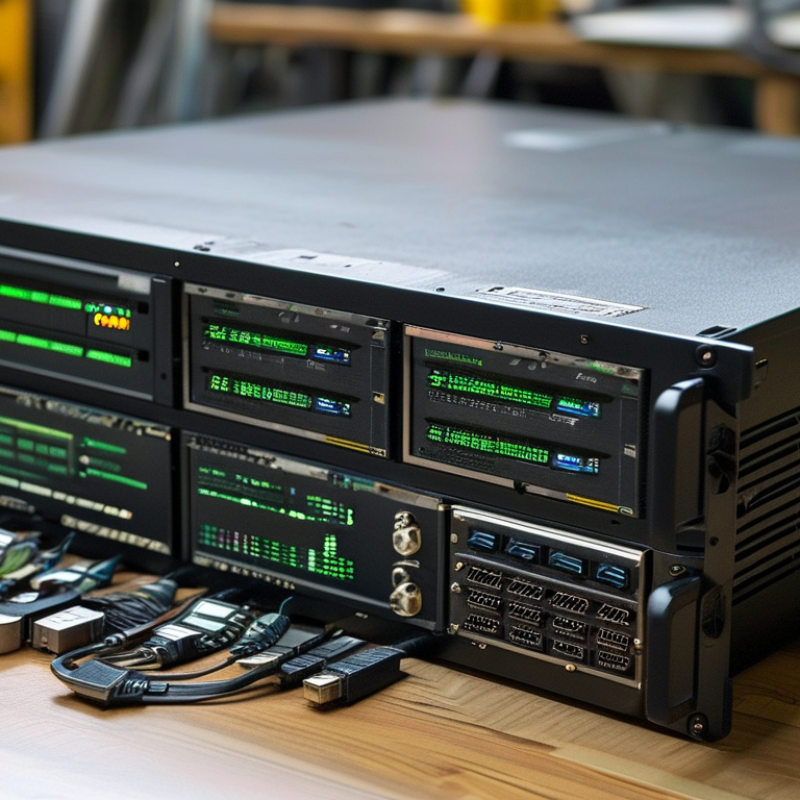
What is an 800G Optical Transceiver and Its Importance?
The 800G optical transceiver is a crucial component in modern data communication. It allows for high-speed data transmission over optical fibers, making it essential for data centers and telecommunications networks. This technology supports bandwidth-intensive applications, such as cloud computing and big data analytics. Its importance cannot be overstated, as it meets the demands of growing data traffic seamlessly.
When choosing an 800G transceiver, consider the distance and network environment. High-quality transceivers can significantly enhance signal integrity. However, the variety of options can be overwhelming. Always check for compatibility with existing infrastructure. Conduct thorough research to find reliable sources of information.
For effective deployment, ensure optimal cooling and power management within your setup. Poor thermal management may lead to performance drops. Keep track of evolving standards in optical transceiver technology. The industry is rapidly changing, and staying updated is vital. Plan for upgrades as needed, based on future bandwidth requirements. This proactive approach can save time and costs in the long run.
Key Features and Specifications of 800G Optical Transceivers
When exploring 800G optical transceivers, understanding their key features and specifications is crucial. These transceivers support high-speed data transmission, vital for modern communication networks. They often utilize advanced modulation techniques like PAM4, which allows for increased data rates without requiring additional bandwidth. This technology helps service providers meet the growing demand for data capacity.
Another important aspect is their compliance with industry standards. Reliable transceivers must adhere to specifications set by organizations like the IEEE. This ensures compatibility and performance consistency across various platforms. Furthermore, factors like power consumption and thermal performance play a significant role. Efficient designs help manage heat, providing better longevity and stability.
Despite their advantages, some challenges remain. Integration into existing systems can be complex and costly. Users may face compatibility issues with legacy equipment. These aspects highlight the need for thorough research and planning before making a purchase. Balancing speed and compatibility is essential for any organization looking to invest in 800G technology.
Top Global Manufacturers and Their Leading Products
The global market for 800G optical transceivers is expanding rapidly. According to recent industry reports, the demand for high-speed transmission is expected to grow by over 25% annually through 2025. This growth is driven by the increasing volume of data traffic and the need for faster connectivity in data centers.
Many manufacturers are focusing on 800G solutions due to their advantages in bandwidth and efficiency. For instance, key players in the market are investing significantly in research and development. Recent data indicates that R&D spending in optical communications has surged, suggesting a commitment to innovation. Businesses are looking for reliable partners with proven track records in providing state-of-the-art technology.
However, challenges remain. Not all optical transceivers meet the high expectations of quality and interoperability. Buyers should assess the performance metrics and compatibility of products before making decisions. Moreover, end-user feedback has shown concerns regarding pricing and availability. These factors highlight the importance of thorough research before selecting suppliers in this rapidly evolving industry.
Comparison of 800G Optical Transceivers for Different Applications
The demand for high-speed data transmission has made 800G optical transceivers key components in modern networking. These devices cater to diverse applications, such as data centers, telecommunications, and high-performance computing. Each application has unique requirements that dictate the optimal choice of transceiver.
In data centers, low latency and high bandwidth are prioritized. Optical transceivers with short-reach capabilities fit perfectly and provide fast connections over limited distances.
For telecommunications networks, long-range transceivers with robust error correction features are essential. They ensure reliable data transfer over vast distances and can handle various environmental conditions.
High-performance computing environments demand exceptional throughput and low power consumption. Transceivers designed for this scenario often feature advanced cooling systems and energy-efficient technologies. However, finding the right fit for specific needs can be challenging. Variations in interfaces, range, and power specifications may lead to compatibility issues. Buyers should thoroughly assess their requirements before selecting a transceiver, considering the potential need for future upgrades as data demands evolve.
Future Trends and Developments in 800G Optical Technology
The landscape of 800G optical technology is rapidly evolving. Recent advancements indicate a strong push towards higher bandwidth demands. As data centers grow, the need for faster and more efficient transmission becomes paramount. Optical transceivers are crucial in meeting this need. However, many users face challenges in selecting the right options for their specific requirements.
Current trends suggest a shift towards multi-wavelength technologies. These innovations can increase data rates without significantly increasing costs. Yet, the technology remains complex. Understanding performance capabilities and compatibility is essential. Buyers often find it difficult to navigate through various specification sheets. Simple terms and clear guidelines could aid decision-making.
Additionally, the market is witnessing an increase in demand for energy-efficient solutions. Sustainability is a hot topic in the tech industry. However, not all products on the market address this issue effectively. Buyers need to critically assess energy efficiency claims. Ultimately, while options for 800G transceivers are expanding, informed choices require careful consideration of future trends and developments in the space.
FAQS
: An 800G optical transceiver facilitates high-speed data transmission over optical fibers. It is essential for data centers.
It supports bandwidth-intensive applications. These include cloud computing and big data analytics, essential for today's data traffic.
Consider the distance and network environment. Also, check compatibility with your existing infrastructure to avoid issues.
Ensure optimal cooling and power management. Poor thermal management can lead to significant drops in performance.
There is a shift towards multi-wavelength technologies. This can increase data rates while keeping costs relatively low.
Buyers often struggle with quality and interoperability among products. Researching performance metrics is crucial before purchasing.
Sustainability is a growing concern. Buyers must assess energy efficiency claims critically to choose the best options.
Demand for high-speed transmission is projected to grow over 25% annually through 2025 due to increasing data traffic.
Not all products meet quality expectations. Thorough research can help mitigate risks associated with price and availability.
Many users find specification sheets complex. Simplified terms could greatly assist in making informed decisions.
Conclusion
The 800G optical transceiver is a critical component in modern communication systems, enabling high-speed data transmission over long distances with minimal latency. Its importance lies in supporting the increasing demand for bandwidth and connectivity in data centers, telecommunications, and cloud computing. Key features of 800G optical transceivers include advanced modulation formats, enhanced power efficiency, and robust thermal management, which collectively improve performance in various applications.
Leading manufacturers are continuously innovating, providing a range of products designed to meet diverse market needs. By comparing different 800G optical transceivers, buyers can identify the best options suited for their specific applications. Additionally, future trends in 800G optical technology indicate a shift towards more compact, cost-effective solutions that enhance the sustainability and scalability of network infrastructures. As the technology evolves, it will play a pivotal role in shaping the future of high-speed communication.
 Lumetra
