Lumetra
In today's rapidly evolving digital landscape, selecting the right data center optical transceiver is critical for performance and reliability. Experts in the field, like Dr. Emily Zhang, emphasize the importance of making informed decisions. She states, “A quality optical transceiver is the backbone of any successful data center.”
Choosing the best data center optical transceiver goes beyond specifications. It's about understanding your unique needs. Factors such as compatibility, distance requirements, and bandwidth can greatly affect performance. Yet, many overlook these elements and make hasty decisions.
Industry standards are essential, but personal needs vary. What works for one data center may not suit another. You'll often find yourself reflecting on previous choices. Each experience can shape future decisions, guiding you to better options. Embrace the complexity, and learn from the journey of selecting your ideal data center optical transceiver.
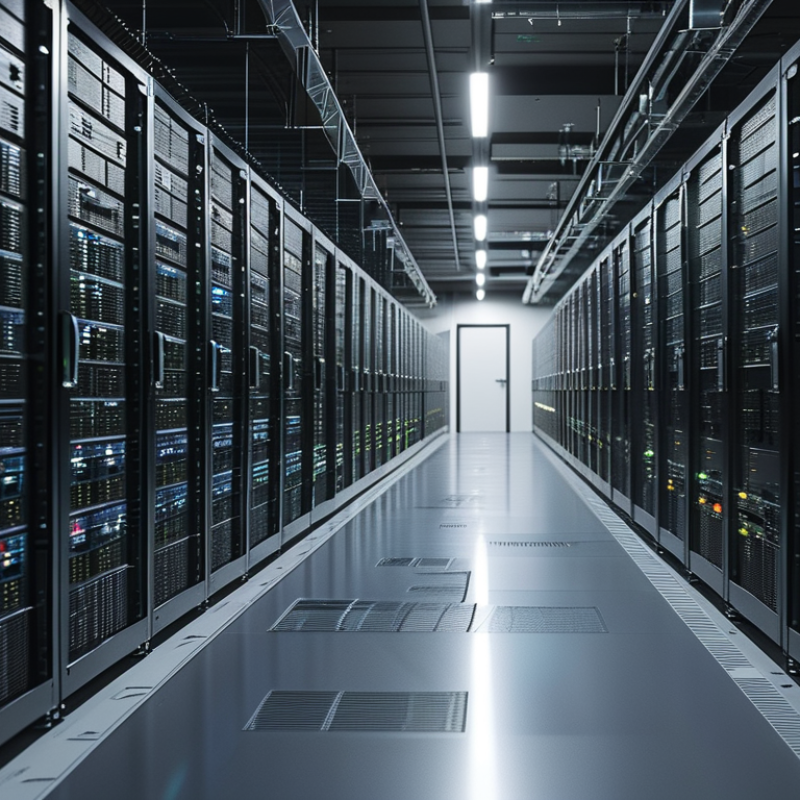
Optical transceivers play a vital role in data center operations, offering efficient data transmission between network devices. According to a recent report from the International Data Corporation (IDC), the global optical transceiver market is expected to reach USD 4.5 billion by 2025, fueled by increased data consumption and the need for high-speed connections. Understanding the different types of optical transceivers is essential for data center managers. They must evaluate factors like distance, bandwidth, and protocol compatibility.
A key consideration is the integration of transceivers into existing infrastructures. Optical transceivers can vary widely in terms of operational range. For instance, short-range transceivers excel in data centers located within the same building. Conversely, long-range models are suitable for interconnecting different geographical locations. This diversity in applications can complicate purchasing decisions. Data center operators often face challenges in navigating the specifications to ensure optimal performance.
An area for reflection is the prevalent issue of interoperability among different vendor products. Studies show that mismatches can lead to efficiency losses, ultimately impacting network performance. Operators must remain vigilant to maintain compatibility across various devices. It's essential to balance performance requirements with budget constraints. Finding the right optical transceiver is a process that demands careful consideration and ongoing assessment.
This bar chart represents the market share of different types of optical transceivers used in data centers. As seen, 400G transceivers hold the largest market share, highlighting the trend towards higher bandwidth solutions in modern data center environments.
When choosing an optical transceiver for data centers, certain key specifications should be prioritized. One important aspect is the data rate. Transceivers typically range from 1 Gbps to 400 Gbps. Higher rates enable faster data transmission, which is crucial in high-demand environments. However, selecting the right data rate depends on your specific needs and network traffic.
Another critical specification is the reach of the transceiver. This determines how far data can travel without degradation. For example, some transceivers are optimized for short-range connections, while others support long-range applications. It's essential to assess your data center layout to select a transceiver that aligns with your infrastructure.
Additionally, consider the form factor. SFP, SFP+, or QSFP modules have different compatibility and performance features. Not all transceivers fit all equipment types. A mismatch can lead to inefficiencies or failures. Focus on your current and future networking needs, keeping in mind that future expansions may require different specifications. Understanding these elements can significantly enhance your data center’s performance.
When selecting optical transceivers for data centers, understanding the different types available is crucial. There are mainly two categories: SFP (Small Form-factor Pluggable) and QSFP (Quad Small Form-factor Pluggable). SFP transceivers are compact and suitable for applications requiring speeds up to 1 Gbps. Their versatility makes them ideal for various networking setups. On the other hand, QSFP supports higher data rates, typically 40 Gbps or even 100 Gbps. They're mostly used in high-density environments where bandwidth demand is critical.
Each type serves distinct applications. For instance, SFP transceivers are commonly deployed in enterprise settings, connecting switches and routers over short distances. They can be used for both single-mode and multimode fiber. In contrast, QSFP transceivers excel in data centers where large volumes of data transfer happen, such as between servers. However, choosing the right type requires careful analysis. Overestimating requirements may lead to overspending. Meanwhile, underestimating can result in network bottlenecks. Understanding these nuances helps in making informed decisions.
When choosing the best optical transceiver for data centers, performance metrics are vital. Bandwidth, typically measured in gigabits per second, plays a crucial role. Higher bandwidth allows more data to flow simultaneously, which is essential for modern data applications. Latency is another key factor. Low latency ensures faster data transmission, improving overall efficiency.
Distance range is important too. Optical transceivers must support various distances based on the data center layout. Some transceivers are efficient for short-range connections. Others excel in long-range applications. Energy efficiency is increasingly important. More energy-efficient models can reduce operational costs over time.
Understanding these metrics isn't easy. Each data center has unique needs. What works for one may not suit another. Evaluating specific requirements can be challenging but necessary. An approach that works is to prioritize key metrics based on your data environment. This evaluation can help avoid costly mistakes down the line. Assessing transceiver performance carefully can lead to better investment decisions.
| Model | Data Rate (Gbps) | Wavelength (nm) | Distance (km) | Form Factor | Power Consumption (W) |
|---|---|---|---|---|---|
| Transceiver A | 100 | 850 | 300 | SFP28 | 3.5 |
| Transceiver B | 200 | 1310 | 10 | QSFP+ | 4.0 |
| Transceiver C | 400 | 1550 | 40 | CFP2 | 5.5 |
| Transceiver D | 10 | 850 | 100 | SFP+ | 2.0 |
When selecting optical transceivers for data centers, a cost-benefit analysis is essential. Cost-effectiveness directly impacts overall operational efficiency and ROI. According to a recent report by the International Data Corporation, businesses can save up to 30% on network expenses by choosing the right optical transceivers. This statistic highlights the significance of evaluating both upfront costs and long-term performance.
Choosing an optical transceiver involves examining several parameters. These include compatibility with existing infrastructure, data transmission speed, and distance coverage. For instance, a transceiver that performs optimally over 100G may seem more expensive, yet it can reduce latency and enhance network performance. This leads to decreased maintenance costs over time. In contrast, opting for a cheaper, lower-speed model might lead to higher operational costs due to frequent upgrades or replacements.
Additionally, reliability matters. Poor-quality transceivers can lead to network downtime, impacting revenue and reputation. A survey by Gartner indicated that network failures can cost companies an average of $5,600 per minute. Thus, investing in reliable optical transceivers may prevent potential losses. A balance must be struck between cost and quality. Understanding the trade-offs is crucial for making an informed decision that aligns with financial goals and performance needs.
: There are mainly two types: SFP and QSFP. SFP is compact, while QSFP supports higher data rates.
SFP transceivers typically support speeds up to 1 Gbps. They are versatile for various networking setups.
QSFP transceivers are used in data centers for high-density environments. They support 40 Gbps or 100 Gbps.
Performance metrics like bandwidth and latency are crucial. They ensure efficient data transmission in data centers.
Distance range varies for transceivers. Some perform well in short-range, others in long-range connections.
Overestimating requirements can lead to overspending. Underrating them can cause network bottlenecks and slow performance.
Energy-efficient models can reduce operational costs. This is significant for long-term data center management.
Prioritize key metrics based on specific needs. This helps in avoiding costly mistakes during selection.
No, it can be challenging. Each data center has unique requirements that must be evaluated carefully.
Yes, selecting the wrong type can hinder performance and increase expenses. Reflecting on choices is necessary.
In the pursuit of selecting the best data center optical transceiver, it is crucial to understand their fundamental role and functionality within data centers. Optical transceivers play an essential part in facilitating high-speed data transmission, making it necessary to consider key specifications such as transmission distance, data rate, and connector compatibility. Various types of optical transceivers are available, each tailored for specific applications, including short-range connectivity and long-haul communications.
When evaluating performance metrics, factors such as latency, power consumption, and error rates are vital to ensure optimal functionality in high-demand environments. Furthermore, conducting a cost-benefit analysis can aid in making informed decisions, balancing initial investment against long-term operational efficiency. Overall, understanding these aspects of data center optical transceivers is critical for enhancing network performance and reliability.
