Lumetra Lumetra

How to Choose the Best Fiber Optic Transceiver for Your Needs?

Time:2026-07-03 Author:Amelia
0%

Choosing the right fiber optic transceiver can be challenging. With numerous options available, understanding your specific needs is crucial. Fiber optic transceivers play a vital role in the transmission of data over long distances. They are essential for high-speed networks.

When selecting a transceiver, consider factors like compatibility. Different systems may require specific types of transceivers. Additionally, the distance you need to cover influences your choice. Whether it's a short-range or long-range application, there are various models suited for each scenario.

Many people struggle with understanding the technical specifications. This can lead to suboptimal choices. It's essential to do thorough research and possibly seek expert advice. Reflecting on your unique network demands will lead to a more informed decision. A well-chosen fiber optic transceiver enhances both performance and reliability.
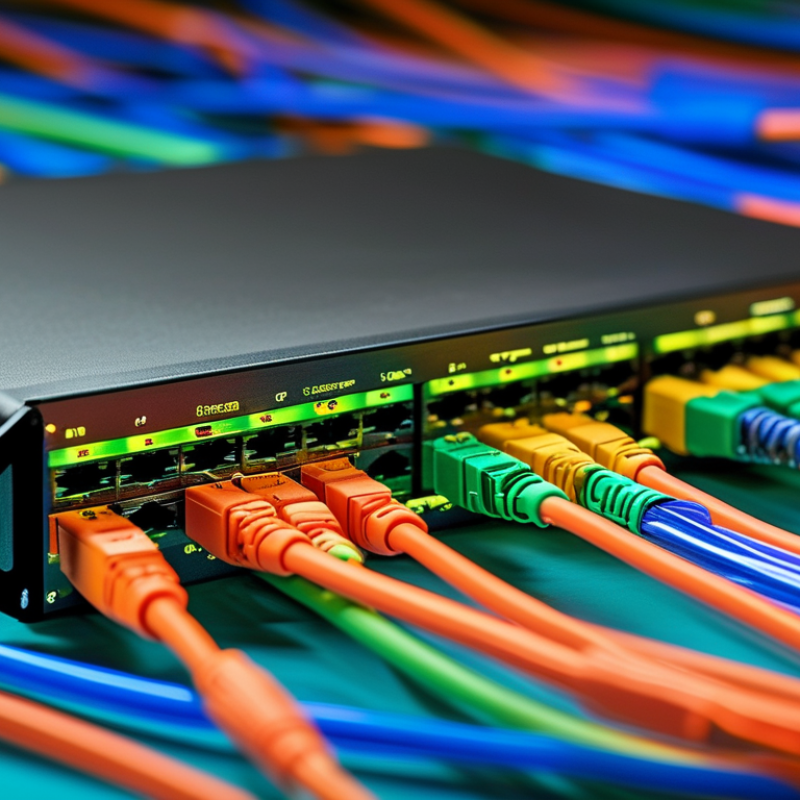
How to Choose the Best Fiber Optic Transceiver for Your Needs?

Understanding Fiber Optic Transceivers: Types and Their Applications

Fiber optic transceivers are essential components in modern communication networks. They convert electrical signals into optical signals and vice versa, facilitating high-speed data transmission. Understanding their types can help optimize your network’s performance. There are mainly two categories: short-range and long-range transceivers. Short-range modules, like SFP (Small Form-factor Pluggable), typically cover distances up to 300 meters and are ideal for data centers. Long-range variants, such as XFP, can reach over 80 kilometers, suitable for wide-area networks.

An industry report by MarketsandMarkets suggests that the global optical transceiver market is expected to grow from USD 6.01 billion in 2021 to USD 12.51 billion by 2026. This growth reflects the increasing demand for faster internet speeds and higher bandwidth. Each transceiver type serves specific applications. For instance, CWDM (Coarse Wavelength Division Multiplexing) transceivers are used in telecommunication networks for multiple data streams over a single fiber. It's crucial to carefully match these categorizations with your network’s needs.

Selecting the right transceiver is not exclusively about distance. Factors like data rate, wavelength, and environmental conditions play significant roles. Many users overlook these details, potentially compromising their network efficiency. Make sure to analyze your needs thoroughly. A well-chosen transceiver can enhance performance and mitigate long-term costs. It's worth reflecting on whether you’ve made the optimal choice for your specific applications.

Fiber Optic Transceiver Types and Their Applications

This chart illustrates the different types of fiber optic transceivers and their applications in various networking environments.

Key Specifications to Consider When Selecting a Fiber Optic Transceiver

When selecting a fiber optic transceiver, understanding key specifications is crucial. Transceivers vary significantly in data rates, distances, and connector types. Reports indicate that nearly 70% of network failures stem from improperly chosen transceivers. The right choice can enhance network performance and reliability.

Data rates are a primary factor. Most transceivers support rates from 1 Gbps to 400 Gbps. Assessing your network requirements will help determine the appropriate speed. Distance is another critical element; long-distance transceivers usually have specialized optics to maintain signal integrity. Always confirm the reach of the transceiver aligns with your network’s layout.

Tips: Look for transceivers with a range of environmental tolerances. Some models perform poorly under extreme temperatures. Additionally, verify compatibility with existing equipment. Mismatched connectors can lead to wasted resources. The industry shows that almost 30% of users neglect this aspect, leading to avoidable expenses. Whether managing small-scale or extensive networks, these considerations will inform your decision-making process.

Evaluating Compatibility: Matching Transceivers with Networking Equipment

When selecting a fiber optic transceiver, compatibility is crucial. Ensuring that your transceiver matches your existing networking equipment can prevent connectivity issues. Different equipment may use varying standards, such as SFP, SFP+, or QSFP. Understanding these standards is essential for proper integration.

One common misconception is that all transceivers are universally compatible. This is not true. For instance, certain networking devices may only support specific brands or types of transceivers. It's vital to check technical specifications before making a decision. Moreover, some setups may require additional configurations. This means that testing and validation might be required after installation.

In many cases, organizations overlook the importance of compatibility prior to purchase. This can lead to wasted time and resources. Consulting with experts can help, but be prepared for a learning curve. Getting it right often involves trial and error. Having a clear understanding of your networking requirements is essential.

Cost vs. Performance: Balancing Budget and Quality in Transceivers

Cost and performance are crucial when choosing a fiber optic transceiver. Budget constraints often shape decisions. A cheaper transceiver might save money upfront but can lead to issues later. Reliability is key. You don’t want frequent replacements.

Quality components affect performance. Low-quality transceivers may offer slower speeds or reduced range. This can disrupt communication. Invest in reliable products to avoid downtime. It’s essential to analyze long-term expenses versus initial costs. Sometimes, a higher upfront cost leads to savings in the future.

Evaluate your specific needs. Does your application require high bandwidth? Or is a moderate range sufficient? Think about future scalability, too. Transceivers should support growth without causing delays. Striking the right balance requires careful consideration. Reflect on how performance impacts your operations.

Future Trends in Fiber Optic Technology: Preparing for Upcoming Innovations

The landscape of fiber optic technology is evolving rapidly. As we look ahead, several key trends are shaping the future. One significant development is the growing demand for higher data speeds. Current transceivers must support multi-gigabit transfers. This requires advanced modulation techniques and improved design strategies to handle increased bandwidth.

Another trend lies in the miniaturization of components. Smaller transceivers enable more compact systems. This aspect is crucial for data centers seeking efficiency and space-saving solutions. However, it also presents challenges. The smaller size can lead to overheating and reduced performance if not managed properly.

Additionally, sustainability is becoming a priority. Emerging technologies focus on energy efficiency. There is pressure to decrease power consumption in fiber optic systems. Innovators are exploring greener materials and production methods. These shifts may require reflection on long-standing practices in the industry. As new solutions arise, ongoing adaptation and learning will be essential.

FAQS

: What should I consider when selecting a fiber optic transceiver?

: Key specifications include data rates, distances, and connector types. These greatly impact performance and reliability.

How do data rates affect transceiver selection?

Data rates range from 1 Gbps to 400 Gbps. Match speeds with your network requirements for optimal performance.

Why is distance important in transceivers?

Long-distance transceivers require specialized optics to maintain signal integrity. Check the transceiver's reach against your network layout.

What environmental factors should I consider?

Some transceivers perform poorly under extreme temperatures. Look for models with a range of environmental tolerances.

How do compatibility issues affect transceivers?

Mismatched connectors can waste resources. Nearly 30% of users overlook this, leading to unnecessary costs.

Why is balancing cost and performance crucial?

Cheaper options may save money initially but can lead to reliability issues. Weigh long-term expenses against upfront costs.

What impact do quality components have on performance?

Low-quality transceivers might reduce speed and range, disrupting communication. Investing in quality reduces downtime.

How should I plan for future needs?

Consider scalability. Transceivers should accommodate growth without delays to maintain efficiency and support future demands.

What’s the risk of prioritizing cost over quality?

Focusing solely on cost might lead to frequent replacements. Reflect on how such choices affect overall operations.

How can I ensure reliability in my choice?

Analyze both short-term needs and long-term goals. Reliable transceivers enhance overall performance and minimize interruptions.

Conclusion

When selecting the best fiber optic transceiver for your needs, it is essential to first understand the different types available and their specific applications. By evaluating key specifications, such as data rates, distance, and connector types, you can ensure a better fit for your networking requirements. Moreover, compatibility with existing networking equipment plays a crucial role in the selection process, helping to avoid potential issues.

Balancing cost and performance is another critical factor; an ideal fiber optic transceiver should offer quality while staying within budget. As technology advances, staying informed about future trends will also prepare you for upcoming innovations in fiber optic technology, ultimately enhancing your network's efficiency and performance. Choosing the right fiber optic transceiver can significantly impact your overall network reliability and speed.

Amelia

Amelia

Amelia is a seasoned marketing professional with a wealth of expertise in our company’s core offerings. With an unwavering passion for driving growth and innovation, she plays a pivotal role in shaping our marketing strategies and enhancing brand visibility. A key aspect of her responsibilities......