 Lumetra
Lumetra
Lumetra
In modern networking, the SFP+ transceiver plays a vital role in enhancing data transmission capabilities. According to a report by MarketsandMarkets, the global optical transceiver market is projected to reach $7.58 billion by 2025, with SFP+ transceivers being a significant contributor to this growth. These devices support high-speed data rates of up to 10 Gbps and are essential for seamless connectivity in data centers and enterprise networks.
The need for efficient data communication has never been more critical. With the increasing demand for bandwidth, SFP+ transceivers empower organizations to scale their network infrastructure effectively. Over 60% of businesses are now adopting fiber-optic solutions for long-distance communication, and SFP+ transceivers are key enablers of this trend. However, many enterprises still face challenges in selecting the right transceivers, leading to potential inefficiencies.
Understanding the SFP+ transceiver's functionality and benefits can transform network performance. It allows for flexibility in choosing different modules for various applications. Yet, misconceptions about compatibility can lead businesses to err in their investments. Therefore, delving into the specifics of SFP+ transceivers is crucial for achieving optimal network performance and reliability.
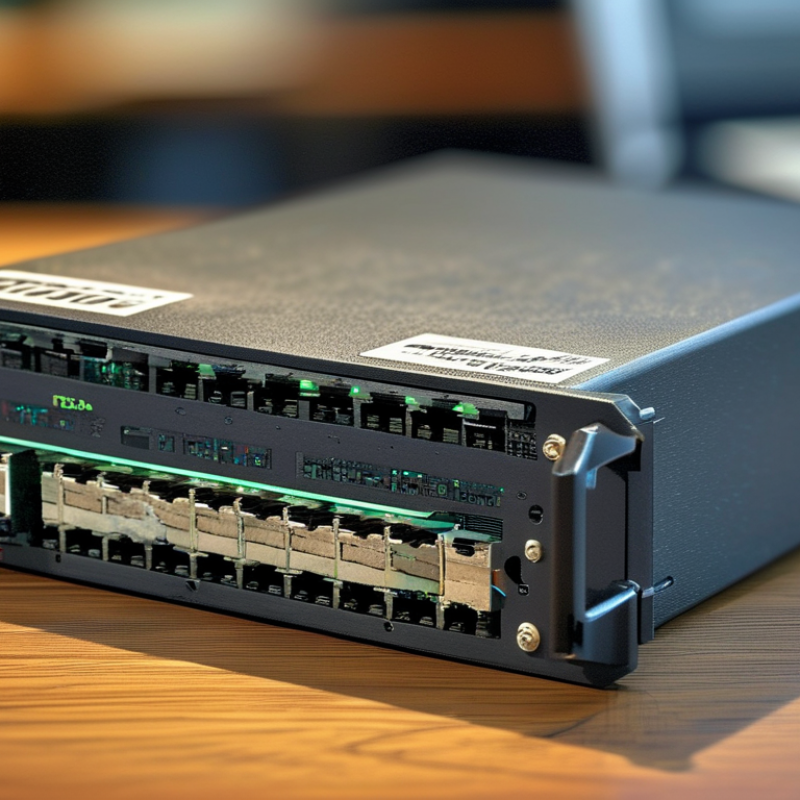
SFP+ transceivers are compact, hot-pluggable devices used in networking. They connect switches, routers, and other network equipment. This small but essential component supports high-speed data transfer, often up to 10 Gbps. Understanding their function is vital for efficient network design.
These transceivers come in various types, including multi-mode and single-mode fiber options. Multi-mode supports short distances, suitable for data centers. Single-mode is designed for longer distances, optimal for wide-area networks. Selecting the right type impacts network performance and reliability greatly.
Many users overlook compatibility issues. Not all SFP+ transceivers work with every device. Incompatible choices can lead to connectivity failures. It is crucial to check specifications carefully before making a purchase. Reflecting on these aspects can enhance your network's efficiency and longevity.
| Parameter | Description |
|---|---|
| Type | SFP+ (Small Form-factor Pluggable Plus) |
| Data Rate | Up to 10 Gbps |
| Range | Up to 300 meters (depends on the cable type) |
| Connectivity | Supports both multimode and single-mode fiber |
| Use Cases | Data centers, high-speed network links, enterprise networks |
| Advantages | Hot-swappable, compact design, supports fiber and copper |
| Compatibility | Compatible with various switches and routers |
| Cost | Generally ranges from $30 to $300 depending on specifications |
: SFP+ transceivers connect network devices for efficient data transfer, supporting speeds up to 10 Gbps.
They come in multi-mode and single-mode options, different distances for various applications.
Not all transceivers work with every device. Incompatible choices can cause connectivity issues.
Check compatibility and specifications to ensure optimal performance for your network setup.
They are hot-swappable, allowing for easy replacement without system downtime.
They typically support data transfer speeds up to 10 Gbps, crucial for high-demand environments.
Yes, they are ideal for data centers due to their high-speed and flexibility features.
Their compact size allows for more efficient use of space in networking equipment.
Reflect on compatibility to enhance network efficiency and avoid potential service disruptions.
Yes, they support both fiber optic and copper cables, providing more options for network design.
An SFP+ transceiver is a compact and versatile device used in networking to facilitate high-speed data transmission. It serves as an interface between network devices, enabling communication over various types of media, such as copper or fiber optic cables. The key features of SFP+ transceivers include their ability to support data rates up to 10 Gbps, hot-swappable design, and compatibility with various networking standards. There are different types of SFP+ transceivers tailored for various applications, such as short-range, long-range, and even specialized modules.
The benefits of using SFP+ transceivers in networking are significant, including enhanced flexibility, ease of upgrading network infrastructure, and improved performance. Choosing the right SFP+ transceiver requires consideration of factors such as distance, bandwidth requirements, and network environment. By understanding these aspects, network administrators can make informed decisions that optimize connectivity and expand their network capabilities effectively.
