Lumetra
In the rapidly evolving world of telecommunications, understanding the key players is essential. Optical transceivers play a vital role in data transmission. They enable high-speed connectivity in various applications. Choosing the right optical transceiver manufacturer can be daunting. The market is filled with companies claiming to be the best.
Each manufacturer offers different technologies and capabilities. Some are well-established, while others are emerging. A manufacturer’s reputation can directly impact your network's performance. Knowing the top manufacturers helps make informed choices. Yet, not all are equal in their offerings. Quality and reliability should be prioritized over brand familiarity.
Moreover, the options available can lead to confusion. It’s important to evaluate specific needs. Not all solutions fit every situation. A thorough analysis of each brand's strengths and weaknesses is crucial. This insight allows for better decision-making. Ultimately, understanding the landscape can enhance your optical network's efficiency.
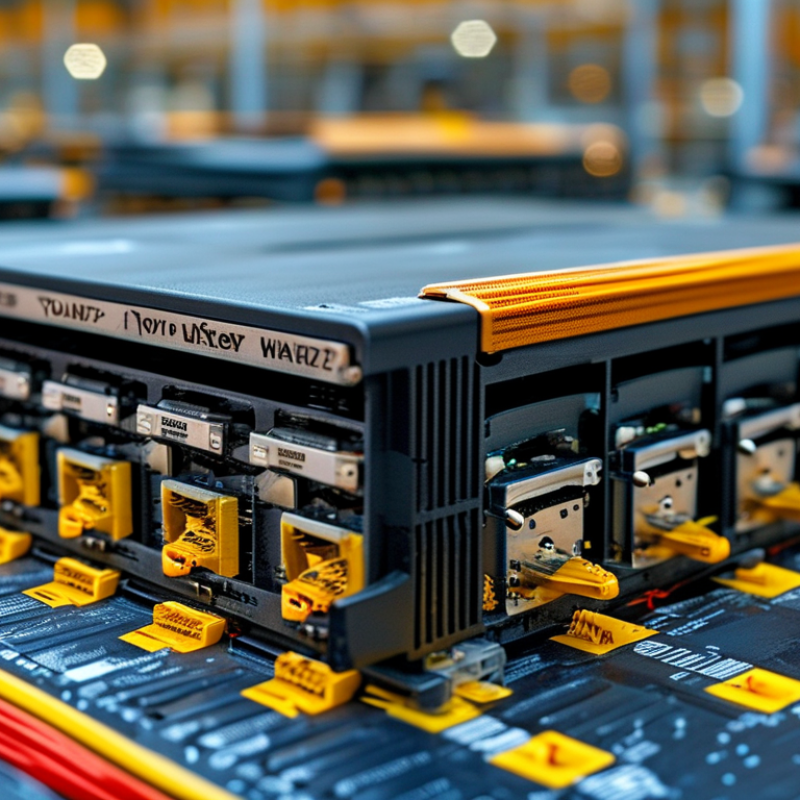
Optical transceivers are crucial components in modern communication networks. They convert electrical signals into optical signals and vice versa, enabling fast data transmission over long distances. The demand for high-speed internet drives the need for optical devices in various applications, from data centers to telecommunication systems. Their role in improving network performance cannot be overstated.
Tips: Always check the specifications before purchasing. Compatibility with your existing infrastructure is key.
Several factors impact optical transceiver performance. These include wavelength, distance, and data rate. For instance, shorter wavelengths typically allow for higher data rates. However, environmental factors can affect performance. High temperatures or humidity may reduce signal integrity. It’s wise to monitor conditions where transceivers are deployed regularly.
Tips: Regularly update your knowledge about new technologies. Stay informed about advancements in optical communication.
Choosing the right type of optical transceiver for your network can be challenging. It requires a balance of cost-effectiveness and reliability. Sometimes, opting for a less expensive model can lead to future complications. Reflecting on these choices ensures that the network remains robust and efficient.
| Manufacturer | Product Type | Data Rate (Gbps) | Distance (km) | Form Factor |
|---|---|---|---|---|
| Manufacturer A | SFP+ | 10 | 80 | SFP+ |
| Manufacturer B | QSFP+ | 40 | 150 | QSFP+ |
| Manufacturer C | SFP28 | 25 | 70 | SFP28 |
| Manufacturer D | QSFP-DD | 400 | 500 | QSFP-DD |
| Manufacturer E | CFP | 100 | 1000 | CFP |
| Manufacturer F | XFP | 10 | 40 | XFP |
| Manufacturer G | SFP | 1 | 10 | SFP |
| Manufacturer H | SFP+ | 10 | 300 | SFP+ |
| Manufacturer I | QSFP+ | 40 | 100 | QSFP+ |
| Manufacturer J | SFP28 | 25 | 300 | SFP28 |
The optical transceiver market is evolving rapidly. This development is largely driven by advancements in technology. High-speed data transmission is a key focus. Innovations in silicon photonics play a significant role. This technology integrates optics with electronics, enhancing performance and reducing costs.
Another vital aspect is the push towards higher data rates. The demand for 100G and beyond is growing. This push is propelled by the need for faster internet and cloud services. Multi-mode and single-mode fibers are also being improved. These advancements increase the overall efficiency of data networks.
However, challenges persist in this field. The integration of new technologies can be complex. Not all manufacturers successfully adapt to these trends. Additionally, thermal management remains an issue. As transceivers become faster, heat generation increases. Engineers must continually refine cooling solutions. The path to innovation requires ongoing reflection and adaptation in response to these challenges.
The optical transceiver market has seen significant growth in recent years. This growth is driven by the increasing demand for high-speed data transmission. Various manufacturers have emerged as leaders, showcasing expertise and authority in this field. They contribute innovative technologies and solutions that meet diverse customer needs.
Leadership in the optical transceiver market is a competitive space. Many manufacturers focus on advancements in technology. They strive to enhance performance and reliability. However, the rapid pace of change means some companies may fall behind. It's crucial for them to adapt quickly to market trends. Customers need reliable partners who can deliver quality products and services.
Some manufacturers excel in specific areas, such as energy efficiency or miniaturization. These specialized offerings can give certain companies a competitive edge. Yet, focusing too narrowly on one aspect might risk overall performance. Balancing innovation with functionality is key for sustained growth in this market. Each manufacturer must continually evaluate their strategies to remain relevant in this dynamic industry.
The optical transceiver market has evolved dramatically, driven by increasing data requirements. Recent data indicates the global optical transceiver market is projected to reach $8.2 billion by 2025, growing at a CAGR of 15.4%. This growth highlights the importance of manufacturers focusing on innovative solutions and diversified offerings.
Market leaders often invest heavily in R&D, enabling them to enhance performance metrics like latency, power consumption, and integration. For instance, the latest technologies emphasize 400G and 800G transceivers. Such advancements promise significant boosts in bandwidth, catering to the surging demand for data centers and telecommunications.
**Tip:** When selecting an optical transceiver, consider future scalability and compatibility with existing infrastructure.
Moreover, some manufacturers are experimenting with silicon photonics technology. This innovation can lead to reduced costs while improving speed and efficiency. However, challenges in integration persist, warranting caution when adopting these new technologies.
**Tip:** Always review third-party benchmarks to ensure the reliability of claimed performance metrics.
Developing successful products requires a balance of innovation and practicality. Not all manufacturers achieve this equilibrium, leading to variable experiences across their product lines. Evaluating the scope of offerings is essential for making informed purchasing decisions.
The manufacturing and designing of optical transceivers are rapidly evolving. One key trend is miniaturization. Smaller components reduce space requirements and improve efficiency. This can enhance performance, but it also poses challenges. Engineers must balance size with heat dissipation needs.
Another notable trend is the growing importance of sustainability. Manufacturers are increasingly focusing on eco-friendly materials. This shift reflects a broader industry commitment to environmental responsibility. Many believe this could become a significant selling point for consumers. Yet, the challenge remains in sourcing materials that meet performance demands.
AI and automation are reshaping production processes. These technologies can improve precision and reduce human error. However, relying on automation raises concerns about job losses. The balance between technological advancement and human employment remains a critical discussion in the industry. As the optical transceiver landscape changes, stakeholders must adapt to these trends thoughtfully.
: The increase in demand for high-speed data transmission fuels market growth.
They focus on advancements in technology and enhancing performance and reliability.
Companies may fall behind if they do not adapt quickly to changing market trends.
They need to balance innovation with functionality to ensure sustained growth.
It is projected to reach $8.2 billion by 2025.
Future scalability and compatibility with existing infrastructure should be considered.
Some manufacturers are focusing on silicon photonics technology to improve efficiency.
Challenges in integration persist, requiring caution during adoption.
To ensure the reliability of the claimed performance metrics of the products.
It helps customers make informed purchasing decisions and avoid variable product experiences.
Optical transceivers play a crucial role in modern communication systems, facilitating high-speed data transmission across various networks. An understanding of the key technologies that drive their development is essential for anyone interested in the telecommunications industry. This article explores the landscape of top optical transceiver manufacturers, highlighting their innovative approaches and product offerings.
Furthermore, the comparative analysis of these manufacturers sheds light on their strengths and unique technologies that set them apart in a competitive market. As we look towards the future, emerging trends in optical transceiver manufacturing and design indicate significant advancements that will shape connectivity solutions. These insights are invaluable for businesses seeking to enhance their infrastructure with cutting-edge technology from leading optical transceiver manufacturers.
