 Lumetra
Lumetra
Lumetra
In the fast-evolving world of data communication, the QSFP28 transceiver stands out as a vital component. Its adoption has surged, with a market report by Grand View Research forecasting a robust growth in demand, expected to reach USD 3.29 billion by 2025. This increase is driven by the need for higher bandwidth and faster data rates in networking equipment.
As industry expert Dr. Samantha Li, a leading analyst at TechInsights, points out, "The QSFP28 transceiver is revolutionizing connectivity with its unmatched performance and efficiency." This statement underscores the significant advantages of this technology, particularly in supporting 100G Ethernet applications. With its compact design, it enables more efficient use of space in data centers.
Despite these benefits, some challenges remain. Buyers must evaluate compatibility with existing systems and consider long-term scalability. The QSFP28 transceiver is not just about speed; it’s also about ensuring a seamless integration into diverse infrastructures. Understanding these dynamics is crucial for global buyers navigating this complex landscape.
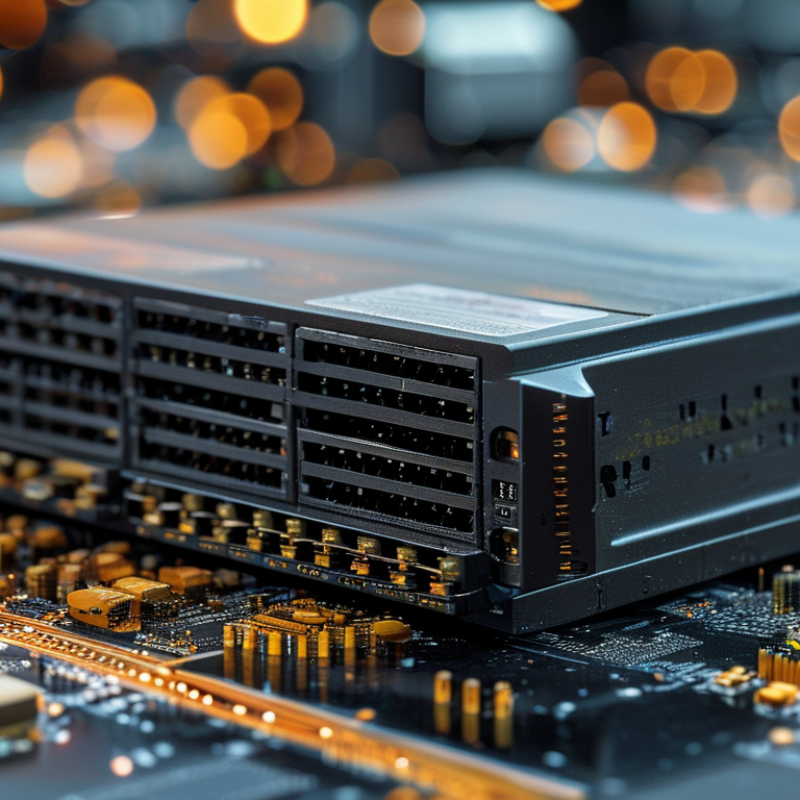
The QSFP28 (Quad Small Form-factor Pluggable 28) transceiver is a compact module providing high-speed data transmission. It supports data rates up to 100 Gbps, making it suitable for data centers. Users appreciate its small footprint and efficiency. This transceiver plays a pivotal role in bridging networks with minimal power consumption.
One significant advantage of QSFP28 is its versatility. It can support various applications, from Ethernet to optical networks. This flexibility allows buyers to invest in one type of transceiver while serving multiple needs. Additionally, the ease of installation is noteworthy. Transceivers can be plugged and unplugged without needing additional tools, which simplifies network upgrades.
However, potential buyers should consider compatibility issues. Not all systems work seamlessly with every QSFP28 module. Ensuring compatibility can be a challenge. Users may face a learning curve when integrating new technologies into existing setups. Moreover, while the performance is high, the cost can also be a concern for some organizations. Balancing performance with budget constraints is a common dilemma faced by many businesses today.
| Benefit | Description | Impact |
|---|---|---|
| High Bandwidth | Supports data rates up to 100 Gbps. | Enables faster data transmission for demanding applications. |
| Compact Design | Space-saving design suitable for dense applications. | Facilitates efficient use of physical space in data centers. |
| Energy Efficiency | Lower power consumption compared to previous generations. | Reduces operational costs and environmental impact. |
| Versatility | Compatible with various network protocols. | Supports a wide range of applications and environments. |
| Improved Latency | Optimized for low-latency performance. | Enhances performance in real-time applications. |
| Scalability | Easily scalable to meet growing network demands. | Supports future growth without extensive upgrades. |
| Enhanced Reliability | Robust design increases durability and lifespan. | Minimizes downtime and maintenance costs. |
| Simplified Installation | User-friendly design for quick deployments. | Reduces installation time and labor costs. |
| Cost-Effectiveness | Offers high performance at competitive prices. | Maximizes ROI for network investments. |
| Wide Availability | Easily sourced from numerous suppliers. | Facilitates procurement and reduces supply chain risks. |
: QSFP28 is a compact transceiver module supporting data rates up to 100 Gbps. It's efficient for data centers.
Speed enhances network performance. Faster data transmission reduces latency and improves user experiences.
Yes, it can connect both fiber and copper, making it versatile for various applications and infrastructures.
Not all systems work with every QSFP28 module. Ensuring compatibility can be complex for users.
It reduces power consumption by up to 40% compared to older models, lowering operational costs.
QSFP28 generates less heat, leading to lower cooling needs. This reduces energy costs and potential system failures.
Yes, staff training is essential for proper configuration. Adjusting to new technologies can pose challenges.
Evaluate energy profiles and seek expert guidance. This helps in making informed decisions for specific needs.
Buyers should prioritize energy efficiency. This aligns with sustainability goals and promotes responsible resource management.
Users may feel overwhelmed by options. Balancing speed, budget, and training can require careful consideration.
The QSFP28 transceiver has emerged as a game-changer in the networking industry, offering various benefits for global buyers. This high-performance module supports enhanced data rates, significantly boosting speed and efficiency in data transmission. With the ability to reach up to 100 Gbps, the QSFP28 transceiver meets the growing demands for faster networking solutions.
In addition to its speed, the QSFP28 transceiver provides notable cost efficiency, reducing overall expenditures for businesses looking to upgrade their communication infrastructure. Its improved power efficiency ensures lower energy consumption, contributing to sustainability efforts. Furthermore, the versatility and compatibility of QSFP28 transceivers make them suitable for a wide range of applications, appealing to a diverse audience in the network sector. Overall, the QSFP28 transceiver stands out as a superior choice for those seeking reliable and efficient networking solutions.
