Lumetra
In the rapidly evolving landscape of high-speed data transmission, the QSFP56 transceiver has emerged as a key player. By 2026, the demand for these transceivers is projected to surge, driven by the growing need for bandwidth in data centers and telecommunications. A report by industry analyst Eric Jones predicts that sales of QSFP56 transceivers will increase by 40% per year, reflecting the technology's critical role in achieving higher data rates.
Experts emphasize the importance of choosing reliable QSFP56 transceivers. As noted by Dr. Maria Liu, a leading researcher in optical communications, "Quality always trumps quantity in transceiver selection." This statement underscores the necessity for buyers to prioritize performance and compatibility when investing in these devices.
The market is flooded with options, yet not all transceivers meet the demanding standards of modern connectivity. Many buyers struggle to sift through specifications and brands. Some fall prey to lower-cost alternatives that compromise quality. As we explore the top 10 QSFP56 transceivers for global consumers in 2026, this discussion will focus on reputable options that ensure reliability and high performance.
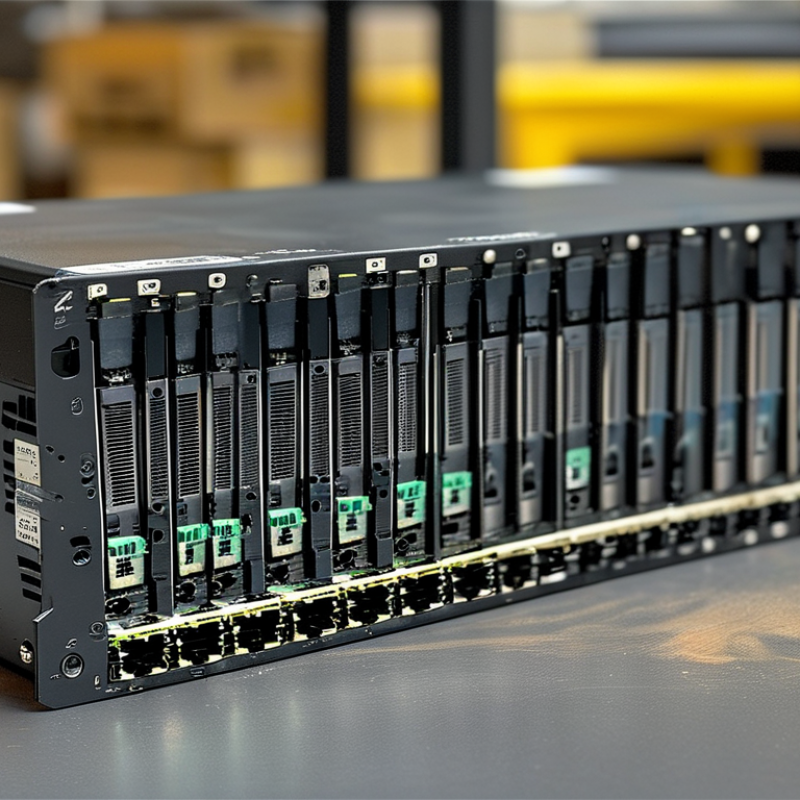
The QSFP56 transceiver has gained recognition as a pivotal component in high-speed data communication. As more industries migrate towards 400G Ethernet, understanding their importance in 2026 is essential. According to a recent market analysis, the demand for these transceivers is projected to increase by over 25% annually, propelled by the rising need for data centers to optimize bandwidth.
These transceivers support a wide range of applications. They facilitate high-capacity connections, enabling seamless data transfer over extensive distances. Their design promotes low latency and high efficiency, crucial for cloud computing and big data analytics. However, despite their advantages, the industry faces challenges. Cost fluctuations and technological compatibility issues can hinder widespread adoption.
The reliability of QSFP56 transceivers is paramount. Quality control measures are essential for ensuring consistent performance. In 2026, users will seek transceivers with proven track records. The industry must focus on innovation to meet evolving standards. While current technologies show promise, continuous improvements are necessary to address lingering concerns about interoperability and durability. Emphasizing these aspects will be vital for stakeholders in the coming years.
When selecting QSFP56 transceivers, several key features warrant careful consideration. First, the data rate is crucial. QSFP56 transceivers often support 200 Gbps, which is essential for high-speed networking applications. Ensure the transceiver matches your network speed requirements. Another aspect is the maximum reach. Different transceivers can handle varying distances. For instance, some models work well over short ranges, while others excel in long-haul setups.
Compatibility also plays a pivotal role. The transceiver must align with your current network equipment. Mismatches can lead to performance issues or even total failure. Additionally, consider the form factor. A compact design can save on space in data centers. Heat dissipation is another factor. Some models run hotter and could require additional cooling. Choose wisely based on your environment.
Finally, assess the optical specifications. Wavelength and fiber type impact performance. Single-mode fibers are ideal for longer distances, while multimode fibers can be suitable for shorter runs. Reliability matters too; look for indicators like MTBF. Investing time in these considerations will help streamline your network performance while avoiding future pitfalls. Sometimes, overlooked details can lead to unexpected challenges in network operations.
| Model | Data Rate (Gbps) | Distance (m) | Connector Type | Wavelength (nm) | Power Consumption (W) | Key Feature |
|---|---|---|---|---|---|---|
| Transceiver A | 200 | 100 | MPO | 850 | 6 | Short-Range |
| Transceiver B | 400 | 150 | LC | 1310 | 8 | Long-Range |
| Transceiver C | 200 | 70 | MPO | 850 | 5 | High Reliability |
| Transceiver D | 400 | 400 | LC | 1550 | 10 | Ultra-Long Range |
| Transceiver E | 200 | 500 | MPO | 850 | 7 | Cost-Effective |
| Transceiver F | 400 | 300 | LC | 1310 | 12 | High-Speed |
| Transceiver G | 200 | 250 | MPO | 850 | 6 | Broad Compatibility |
| Transceiver H | 400 | 600 | LC | 1550 | 9 | Robust Design |
| Transceiver I | 200 | 90 | MPO | 850 | 5 | Energy Efficient |
| Transceiver J | 400 | 800 | LC | 1550 | 11 | Versatile Use |
When choosing QSFP56 transceivers for various networking needs, it's essential to prioritize compatibility and performance. These transceivers are tailored for high-speed applications. They support 100G networks, enhancing data transfer efficiency significantly. For enterprise environments, seeking reliable connectivity is crucial. The right transceiver can minimize latency while maximizing throughput.
Consider your specific networking needs. Some scenarios require longer reach while others may focus on high-density connections. Different types of cabling, like single-mode or multi-mode fiber, will influence your choice. It's critical to match the transceiver with the correct cabling type. Incorrect combinations can lead to subpar performance.
Users may often overlook the importance of thermal management. Overheating can impact the longevity of transceivers. Properly vented enclosures help mitigate this issue. A transceiver might perform well initially but could fail under excess heat. Regular monitoring can prevent these drawbacks, aiding in sustained operation. As networks evolve, being aware of your technology's limitations is vital. This knowledge will ultimately guide you in selecting the right transceiver for your needs.
In 2026, the QSFP56 transceiver market is set to experience significant shifts. As data demands escalate, innovations in QSFP56 technology will be crucial. These transceivers, which support 200G speeds, are becoming essential in data centers. Improvements in energy efficiency and thermal management will lead the way in performance upgrades.
Manufacturers must focus on creating reliable products. Reducing latency and increasing bandwidth will be vital for applications in cloud computing and AI. The rise of multi-vendor ecosystems will also encourage the development of more flexible solutions. Buyers should be aware of standards compliance to ensure compatibility.
Tips: Always consider thermal performance when selecting a transceiver. This can prevent overheating and extend the product's lifespan. Evaluate the total cost of ownership; sometimes, higher initial costs lead to better long-term savings. Keep an eye on emerging technologies that may redefine data transmission standards.
Selecting the right QSFP56 transceiver can be challenging due to various factors. First, buyers must consider the speed requirements. QSFP56 transceivers typically support 200G, making them suitable for high-demand applications. Understanding your data center's bandwidth needs is crucial.
Another key point is compatibility. Ensure that the transceiver you choose aligns with your existing equipment. Mismatched hardware can lead to suboptimal performance. Additionally, it’s advisable to look into the operating distance. Different transceivers offer various reach capabilities. Measure your setup accurately to avoid connectivity issues.
Concerning reliability, always check for certifications. Certifications can signal quality, but they aren’t infallible. Not all reliable products are certified. Read user reviews to gauge real-world performance. Pay attention to feedback regarding durability. Imperfections in manufacturing can lead to failures, which may reflect on performance. Evaluating these aspects will put you in a better position.
: They are essential for high-speed data communication, supporting 400G Ethernet and optimizing bandwidth in data centers.
The demand is projected to increase by over 25% annually due to rising data transfer needs.
The main challenges include cost fluctuations and compatibility issues that can hinder widespread adoption.
Reliability ensures consistent performance, and users prefer transceivers with proven track records for their operations.
Consider speed requirements, compatibility with existing equipment, and the specific reach capabilities needed for your setup.
Overheating can affect a transceiver's lifespan, making proper cooling essential for sustained performance.
Certifications signal quality but aren't foolproof. Always read user reviews for real-world insights on durability.
The type of cabling, compatibility with hardware, and thermal management significantly affect performance levels.
Yes, using incompatible hardware can lead to suboptimal performance and connectivity issues.
Regular monitoring of temperature and operational conditions can help prevent overheating and ensure longevity.
The article titled "Top 10 QSFP56 Transceivers for Global Buyers in 2026" provides a comprehensive overview of QSFP56 transceivers, highlighting their increasing significance in modern networking environments. As data demands rise, these transceivers emerge as essential components due to their high speed and efficiency, making them critical for supporting advanced data transmission protocols.
In addition to listing the top ten QSFP56 transceivers suited for various networking needs, the article emphasizes key features to consider when selecting a transceiver, such as bandwidth, compatibility, and power consumption. It also explores market trends and innovations projected for 2026, guiding buyers on how to make informed decisions when choosing the right QSFP56 transceiver to meet their specific requirements. This insightful guide aims to equip businesses and tech professionals with the necessary knowledge to navigate the evolving landscape of data transmission technology efficiently.
