Lumetra
Lumetra
Lumetra
Engineered for signal integrity, thermal dissipation, and long-term transmission reliability
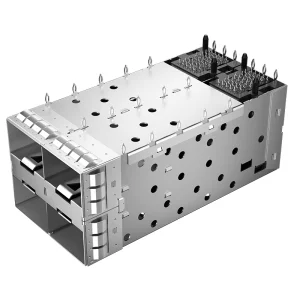
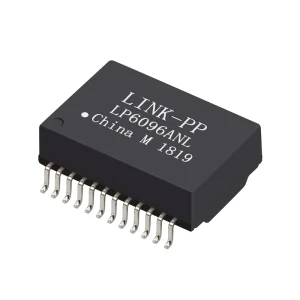
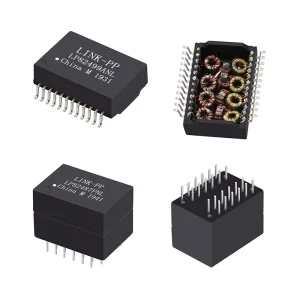
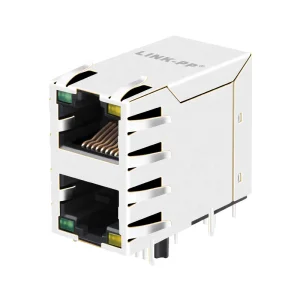
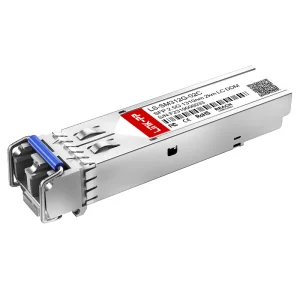
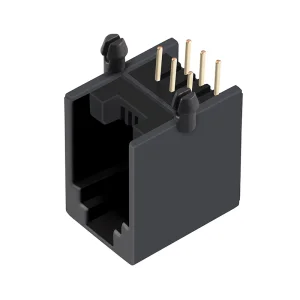
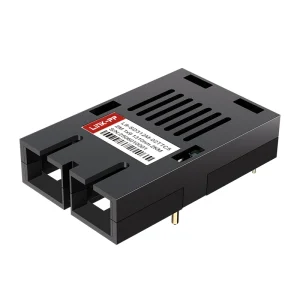
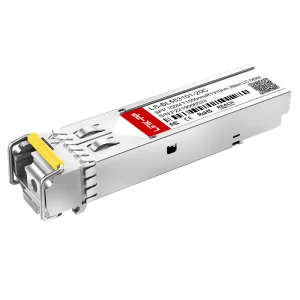
In modern hyper-converged architectures, the demand on the physical layer (PHY) of network nodes is growing exponentially. Ethernet adapters—traditionally simple interface controller cards—have evolved into complex structural systems where optical transceiver modules, magnetic modular connectors (RJ45 with integrated magnetics/integrated connector modules), and cage structures work in synergy to process massive data flows.
The global move toward higher speeds like 2.5GbE, 10GbE, and the optical backbones of 25GbE/100GbE has shifted procurement focus. Buyers are no longer just looking at standalone components; they require interconnected ecosystems. High-speed signal integrity, thermal dissipation, electromagnetic interference (EMI) protection, and multi-gigabit compatibility are now the main benchmarks of a quality manufacturer.
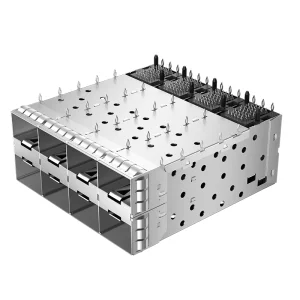
Advanced shielding technologies in SFP+ cages prevent radiation leakage in multi-port line cards, preserving signal stability at high frequencies.
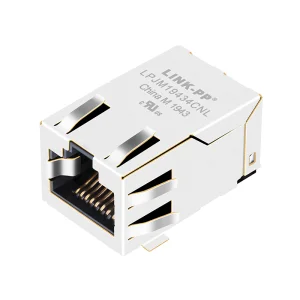
Integrated PoE/PoE+ magnetics supply DC current up to 30W/60W directly through structured cabling to power edge devices efficiently.
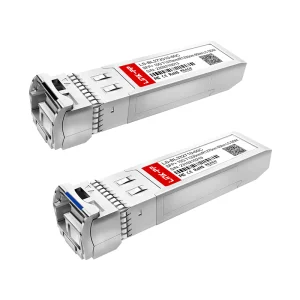
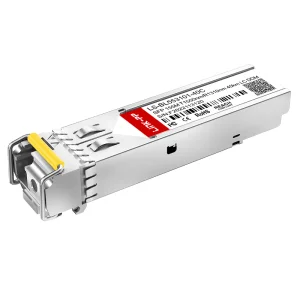
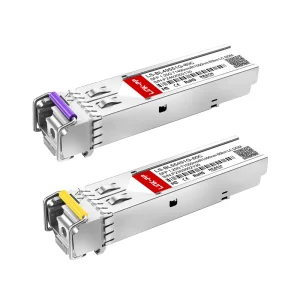
Bidi transceivers use simplex LC configurations to double fiber capacity through single-fiber wavelength division multiplexing (WDM).
A premier global partner in high-speed optical transceivers and interconnect systems
Lumetra Optoelectronics Technologies Co., Ltd. is a professional manufacturer specializing in high-speed optical transceivers and fiber optic communication solutions for datacom, telecom, and cloud infrastructure applications. Founded in 2016, the company has developed into a reliable supplier with strong engineering capabilities and global export experience.
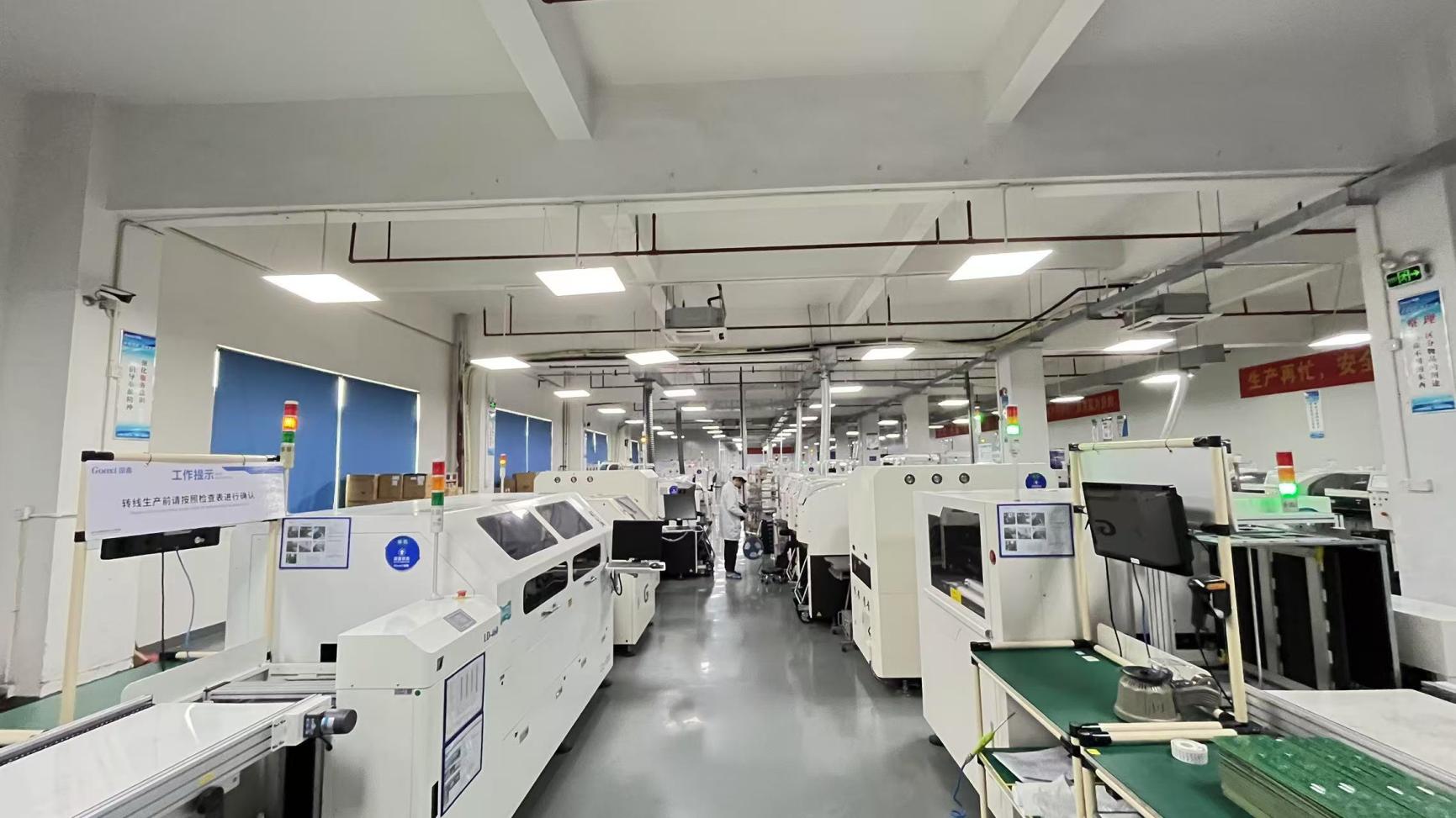
The company operates a production facility covering approximately 8,500㎡, supporting efficient manufacturing and quality-controlled assembly processes. With annual export revenue reaching around USD 18 million, Lumetra has built stable international business channels and accumulated 7 years of export experience, backed by 11 years of overall industry expertise.
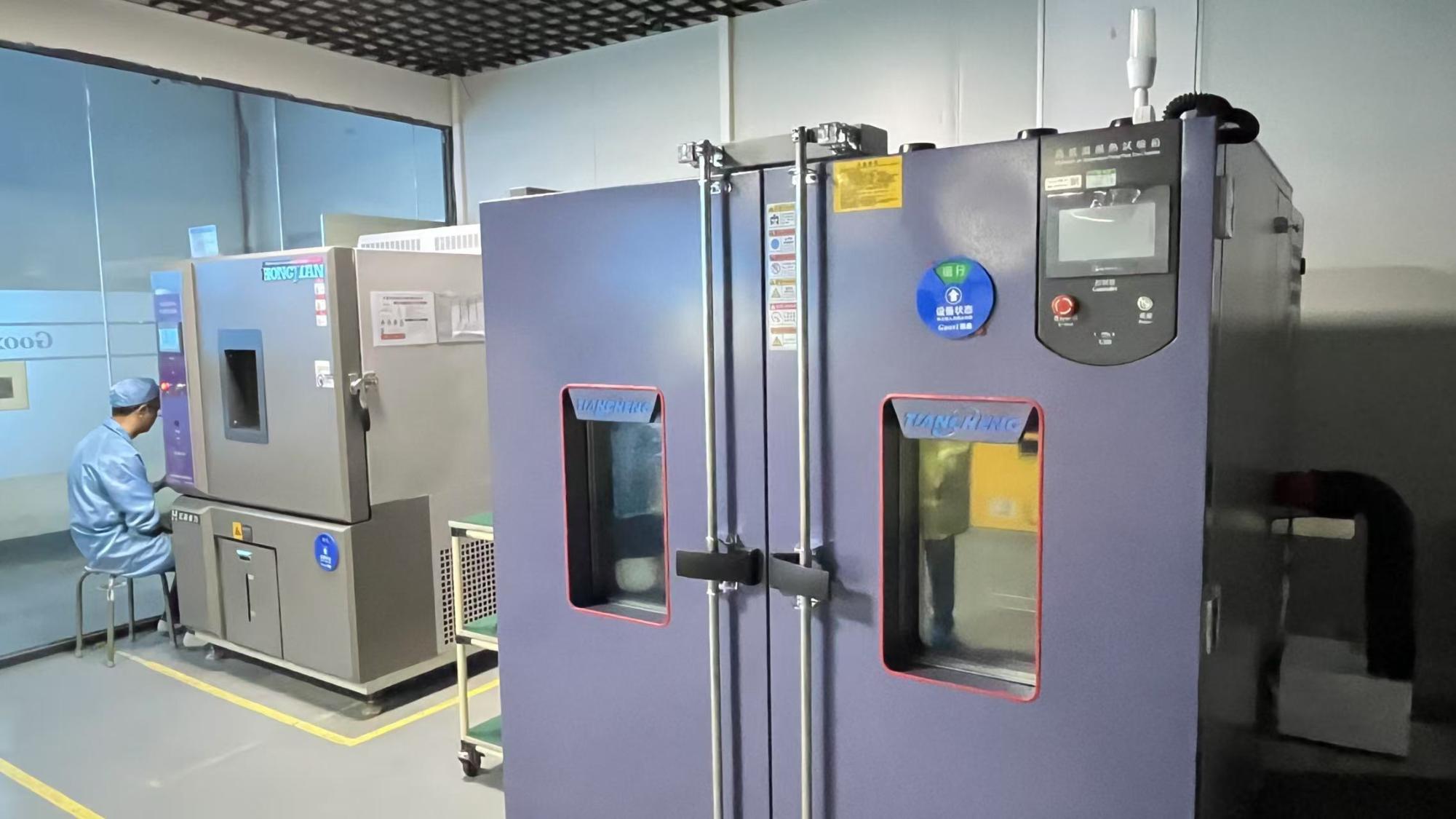
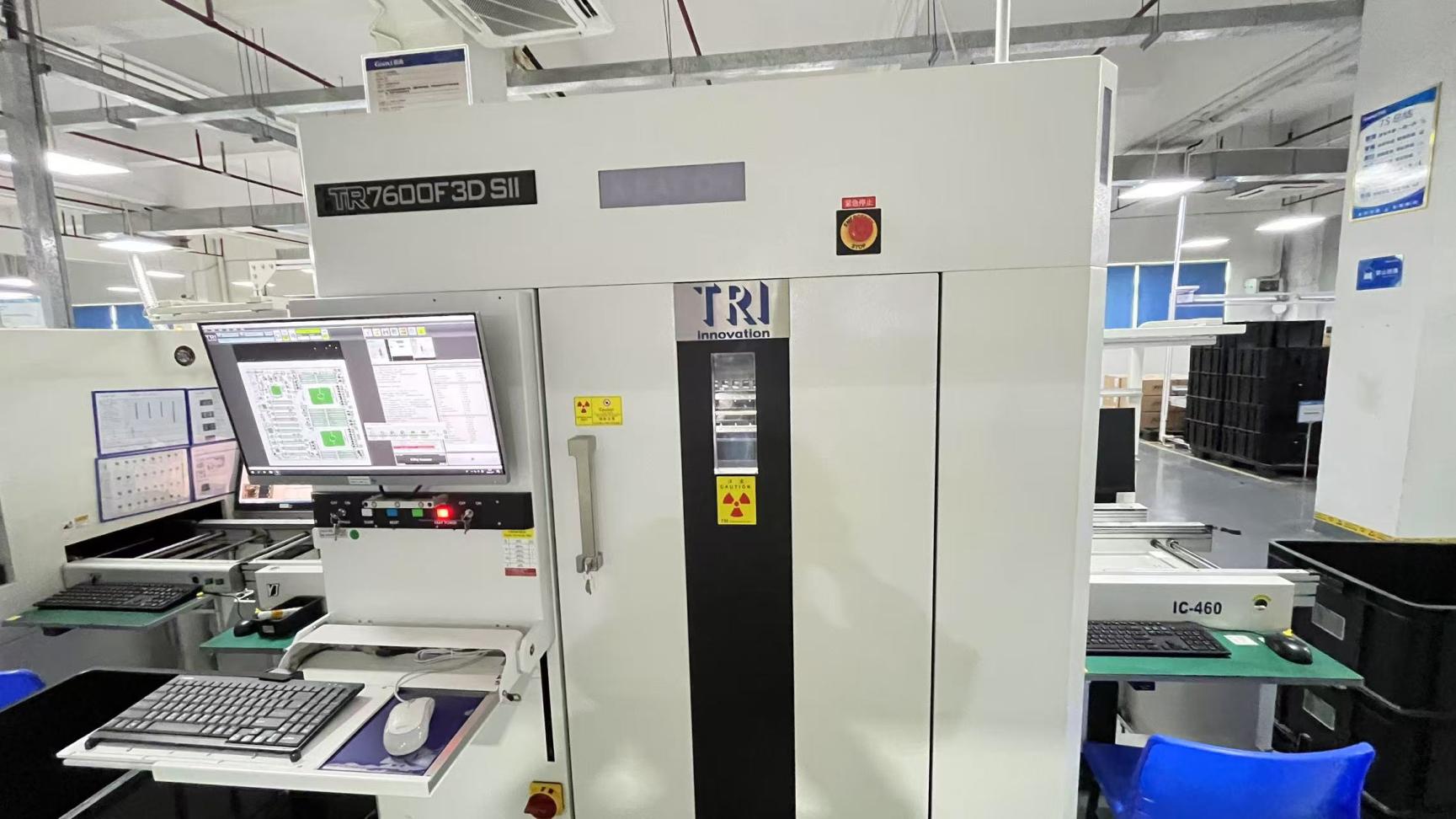
Quality assurance is maintained through a combination of automated optical performance testing, environmental stress screening, and manual inspection processes. The quality control team consists of 48 trained inspectors ensuring strict compliance with international standards.
Lumetra maintains a diversified trade background with strong presence in OEM and ODM markets. Its primary markets include North America, Europe, Southeast Asia, and the Middle East, serving telecom operators, data center integrators, and network equipment distributors. Collaborating with over 1,200 supply chain partners, Lumetra ensures stable component sourcing and manufacturing efficiency.
With strong R&D capability, Lumetra supports advanced customization including protocol compatibility, wavelength tuning, form factor adaptation, and power optimization. The company employs 86 R&D engineers focused on optical design, hardware development, and signal integrity optimization. In the past year, Lumetra launched approximately 220 new products, reflecting its continuous innovation in high-speed optical communication technologies.

Procurement requirements for Ethernet adapters and fiber connectivity products have shifted focus toward durability and integration. Multi-gigabit migration and edge computing require components that can withstand demanding physical and thermal environments.
System integrators require comprehensive component designs to solve integration issues. Below are three typical macro-level architectural designs where physical-layer connectors and transceivers play a vital role.
To scale from 10G to 100G, platforms use SFP+ cages with custom wavelengths, such as 10G BiDi modules over 60km. This allows high-throughput optical connections with reliable heat dissipation.
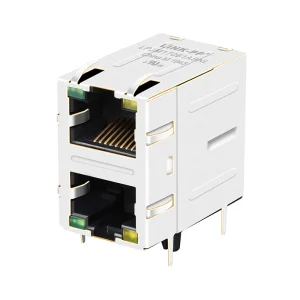
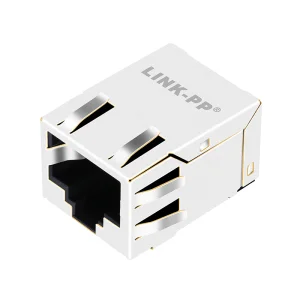
By pairing high-speed RJ45 magnetic connectors (such as the XRJD-S series) with PoE+ modules, systems power smart cameras, remote PLCs, and distributed sensors directly through data lines.
Using simplex optical transceivers over long distances (such as 155M and 1.25G modules rated up to 80km) helps telecom operators deliver fiber-to-the-home and fiber-to-the-curb services cost-effectively.
As Ethernet communication continues to evolve, standard connectivity form factors are undergoing significant upgrades to meet modern data demands:
Standard SFP/SFP+ designs (1G/10G) are shifting toward SFP28 (25G), QSFP28 (100G), and OSFP (400G/800G). Future optical adapters will use Co-Packaged Optics (CPO) architectures, placing the optical engine directly on the main ASIC substrate to bypass copper trace attenuation.
Traditional RJ45 connectors are pushing past their typical limits. Cat8 cabling allows bandwidths up to 2GHz, enabling 25G and 40G Base-T transfers over short distances. This requires precise internal magnetics with high-frequency common-mode chokes to maintain low return loss.
Modern transceiver design focuses heavily on thermal and energy efficiency. Using low-power digital signal processors (DSPs) and optical components can reduce the power consumption of a typical 10G optical module to under 1.0W, helping data center operators lower their carbon footprints.
Essential insights for connectivity engineers and global procurement managers
Press-fit cages (such as TE Replacement models) use mechanical insertion pins that establish stable contact with the board without soldering. This avoids thermal shock to the PCB, prevents solder bridging, and allows easy replacement in the field.
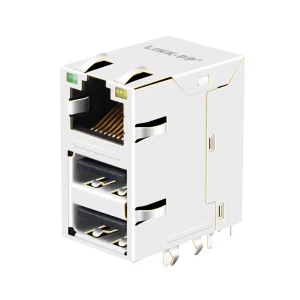
ICMs integrate isolation transformers, common-mode chokes, and status LEDs inside the metal-shielded connector housing. This layout isolates high-voltage transients, minimizes electromagnetic interference (EMI), and reduces the copper trace lengths on the PCB to maintain clean signal paths.
BiDi modules use two different wavelengths (e.g., 1270nm and 1330nm) on a single physical optical fiber to transmit and receive data simultaneously. This doubles the usable capacity of the existing fiber network, reducing cabling overheads by 50%.
With 86 R&D engineers, Lumetra provides complete custom modifications, including EEPROM configuration for router and switch system compatibility, specific center wavelength tuning, custom pin assignments, and optimized thermal designs for high-density setups.
Carrier-grade components engineered for high speed, long distances, and reliable optical links