Lumetra
Lumetra
Lumetra
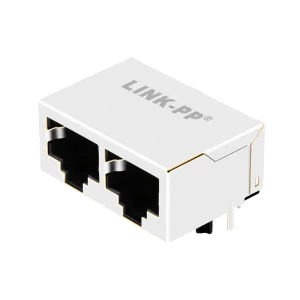
Explore our foundational inventory, integrating standard RJ45 connectors, advanced Ethernet magnetics, and Multi-Source Agreement (MSA) compliant transceivers designed for high-density applications.
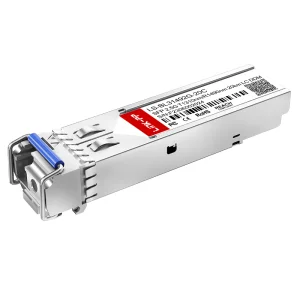
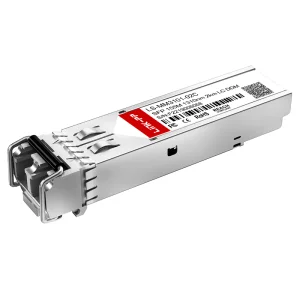
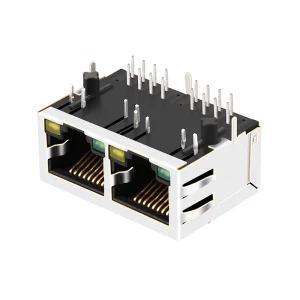
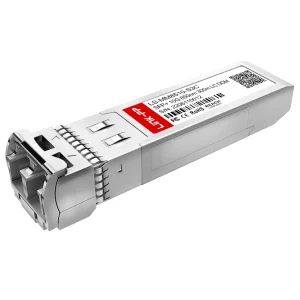
Operating at the convergence of micro-precision copper wiring and advanced optical data transmission, we ensure our global partners achieve minimal attenuation and unmatched reliability.
By collaborating with over 1,200 verified supply chain partners, Lumetra maintains production resilience that mitigates global raw material volatility. Our quality assurance framework relies on automated optical testing, environmental stress testing, and real-time network protocol validation.
From raw alloy molding of EMI-shielded SFP cages to Gold-plating thickness inspection of RJ45 modular contacts (from flash to 50 micro-inches), our 48 dedicated QC inspectors implement multi-stage quality checkpoints to achieve compliance with international telecom standards.
With a massive R&D department staffed by 86 design engineers, we translate specific mechanical tolerances and electrical profiles into ready-to-scale components. We support layout optimization, signal integrity tuning, thermal mapping for SFP cages, and custom PCB pinouts.
Over the past calendar year, Lumetra designed, prototyped, and released approximately 220 new products, demonstrating our alignment with high-speed transmission standards such as 10G, 25G, and advanced 100G architectures.
An in-depth look at critical engineering considerations and procurement criteria driving the international data cabling market.
Global procurement offices evaluating RJ45 exporters focus on physical layer integrity. Key metrics include:
Modern networking relies on hybrid copper-fiber topologies. Integrated magnetics (Magjacks) address key issues:
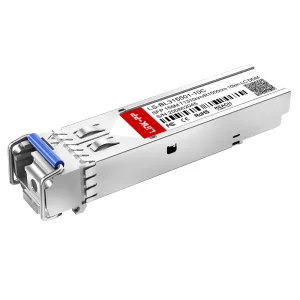
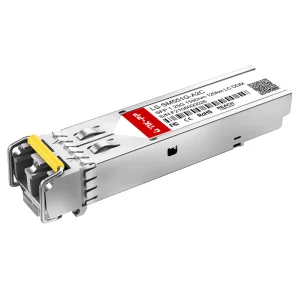
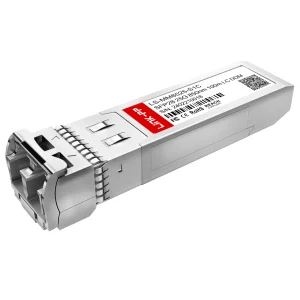
For operations beyond copper boundaries, procurement teams rely on Lumetra for SFP transceivers that feature:
How Lumetra’s component engineering satisfies demanding requirements across enterprise datacenters and industrial IoT projects.
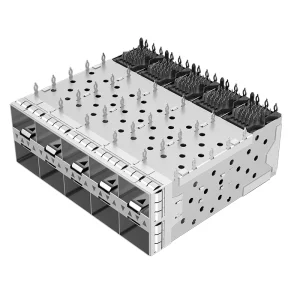
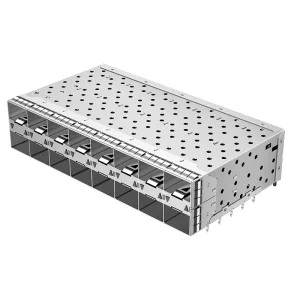
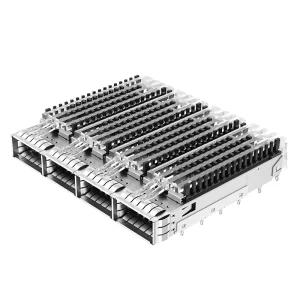
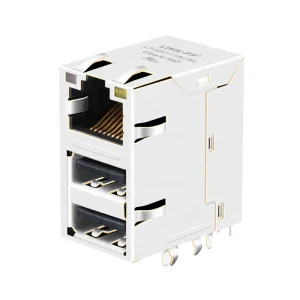
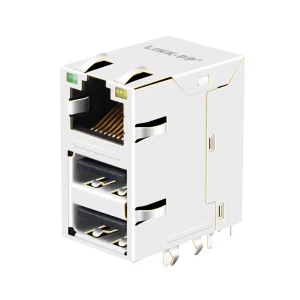
Modern datacenters require high-density chassis systems where heat dissipation and signal interference are critical challenges. Lumetra's TE-compatible EMI-shielded SFP+ cages and multi-port integrated RJ45 connectors are designed for dense line cards, providing robust grounding and heat dissipation.
Outdoor smart grids and industrial processing plants are exposed to wide temperature swings, dust, and electrical transients. Our tab-up/tab-down low-profile connectors feature ruggedized structural shells and high-durability solder terminals, maintaining physical connection stability under vibration and mechanical shock.
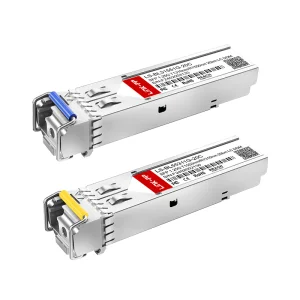
Broadband delivery requires single-mode fiber (SMF) linkages that span long distances without signal degradation. Lumetra’s Bidi SFP transceivers utilize wavelength-division multiplexing (WDM) to transmit and receive data on a single optical strand. This reduces installation costs for carriers and network operators.
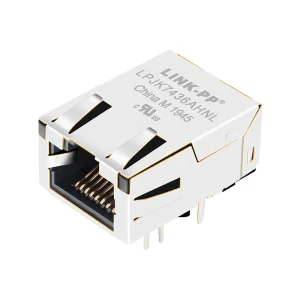
Corporate LANs deploy Power over Ethernet (PoE) to run IP cameras, access points, and VoIP phones over network cabling. Lumetra’s range of RJ45 magnetic connectors prevents signal degradation and voltage surges in high-power PoE systems.
A projection of how physical interfaces and transceivers adapt to rising data demands and higher frequency specifications.
As transmission frequencies rise from 250 MHz (Cat6) to 500 MHz (Cat6A) and 2000 MHz (Cat8), minimizing near-end crosstalk (NEXT) becomes critical. Lumetra is designing specialized internal pin layouts and shielding configurations to meet these demanding parameters.
We are engineering integrated RJ45 connectors with specialized magnetics to support 10GBASE-T and 25GBASE-T copper networks over shorter runs. This provides data centers with cost-effective alternatives to optical transceivers.
Future transceivers utilize silicon photonics to integrate optical components onto silicon substrates. Lumetra is investing in this technology to manufacture compact transceivers with higher bandwidth capabilities.
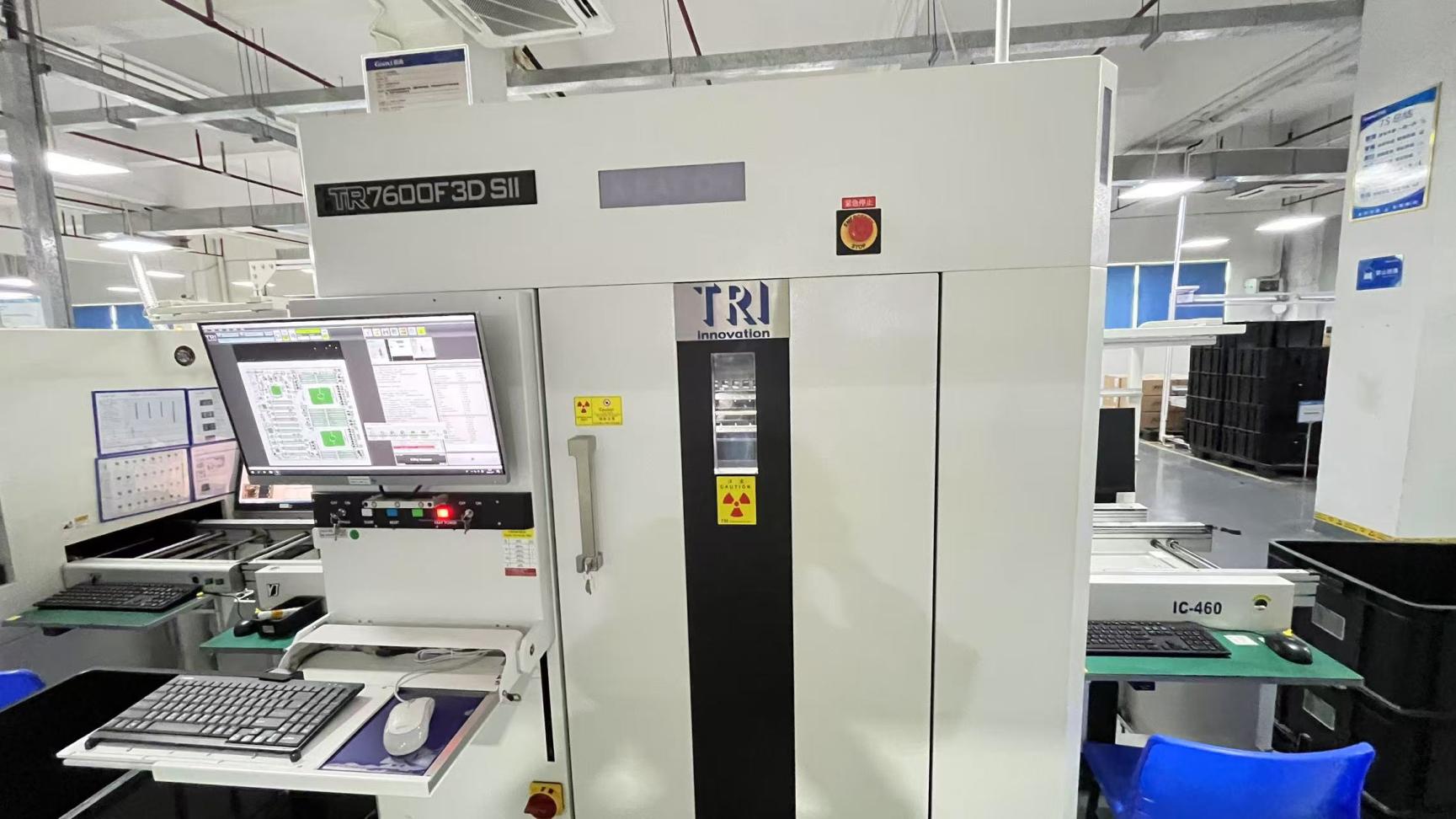
Every SFP transceiver and RJ45 connector undergoes rigorous testing in our production facility. We employ high-performance automated testing equipment to analyze return loss, insertion loss, eye diagrams, and bit error rates (BERT).
All Lumetra products comply with standard global regulatory directives, including CE, FCC, RoHS, and REACH. This ensures easy import integration for customers in North America, Europe, Southeast Asia, and the Middle East.
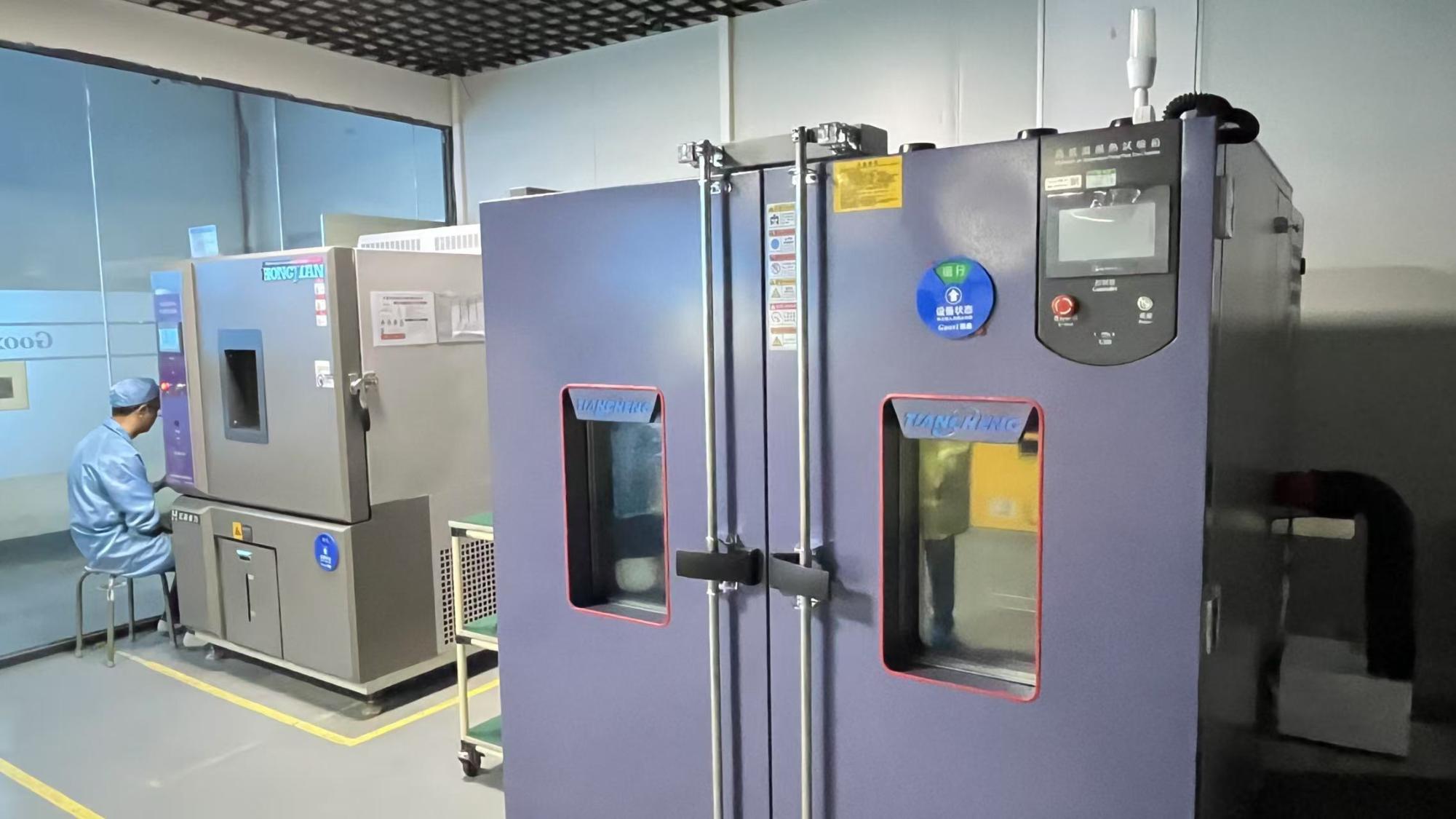
Our environmental testing labs subject connectors to temperature extremes, humidity chambers, salt spray tests, and physical insertion stress tests. This ensures our components deliver reliable long-term performance.


Detailed technical explanations covering common queries related to RJ45 design, SFP modules, and signal isolation.
RJ45 connectors with integrated magnetics (Magjacks) feature built-in isolation transformers and common mode chokes. These components filter electromagnetic interference, suppress common-mode noise, and protect internal physical layer (PHY) chips from electrical surges. Connectors without integrated magnetics require external magnetics on the system board, which increases overall board space requirements.
Gold-plating thickness determines the durability and corrosion resistance of the connection pins. For enterprise and industrial networking, 50 micro-inches (50μ") of gold plating is recommended. It prevents contact deterioration over multiple mating cycles and maintains reliable conductivity in harsh or humid conditions.
Most network switch brands (like Cisco, Juniper, Aruba, and Hirschmann) execute software locks that recognize non-proprietary transceivers by reading their internal EEPROM chips. Lumetra designs SFP firmware to match these vendor identification structures, enabling seamless plug-and-play operation in multi-vendor hardware environments.
Standard transceivers require two optical fibers—one for transmitting and one for receiving. BiDi SFP modules utilize Wavelength Division Multiplexing (WDM) to transmit and receive signals at different wavelengths (such as 1310nm and 1550nm) over a single optical fiber. This allows operators to double their network capacity without running additional optical lines.
High-speed optical modules generate significant thermal energy. Cages with integrated heat sinks draw heat away from the SFP module to maintain optimal component temperatures. Integrated light pipes channel board-level LED signals to the front panel, providing clear port-status indicators for network operators.
Explore our selection of shielded cages, single-mode optical transceivers, and low-profile connectors designed for modern hardware architectures.