 Lumetra
Lumetra
Lumetra
Primary selections optimized for Austrian municipal backbones, campus LAN networks, and direct-attach fiber links.
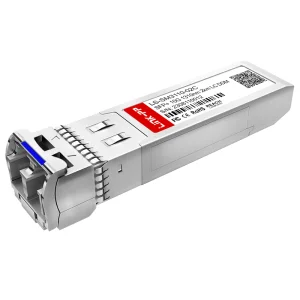
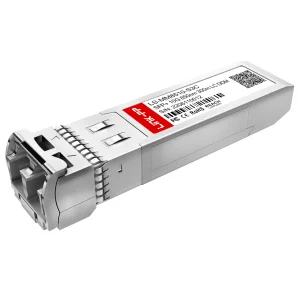
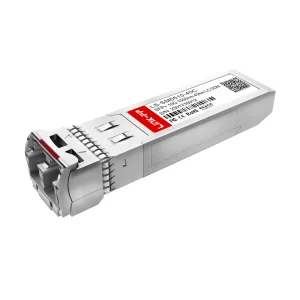
As a central node in the European single market, Austria is undergoing a massive digitalization wave, spurred by the federal government’s "Broadband Austria 2030" strategy. From the cloud centers in the Vienna Metropolitan Area to high-output industrial clusters in Upper Austria and Styria, the requirement for high-speed, reliable fiber optic transceivers has escalated dramatically.
Traditional networks are migrating rapidly toward fiber infrastructures built on high-density switches and routers. This transition demands high-efficiency 10G SFP+ and 16G Fibre Channel (FC) modules to link storage area networks (SANs) and support enterprise local loops.
At Lumetra Optoelectronics, we bridge this gap by delivering enterprise-tier optical solutions that match Austria's strict technical parameters. Whether connecting smart manufacturing sites in Linz or hosting service providers in Vienna's Interxion campus, our transceivers guarantee low latency, robust signal integrity, and exceptional physical compatibility.
Engineering state-of-the-art optical interfaces for telecommunication carriers, hyperscalers, and key global system integrators.
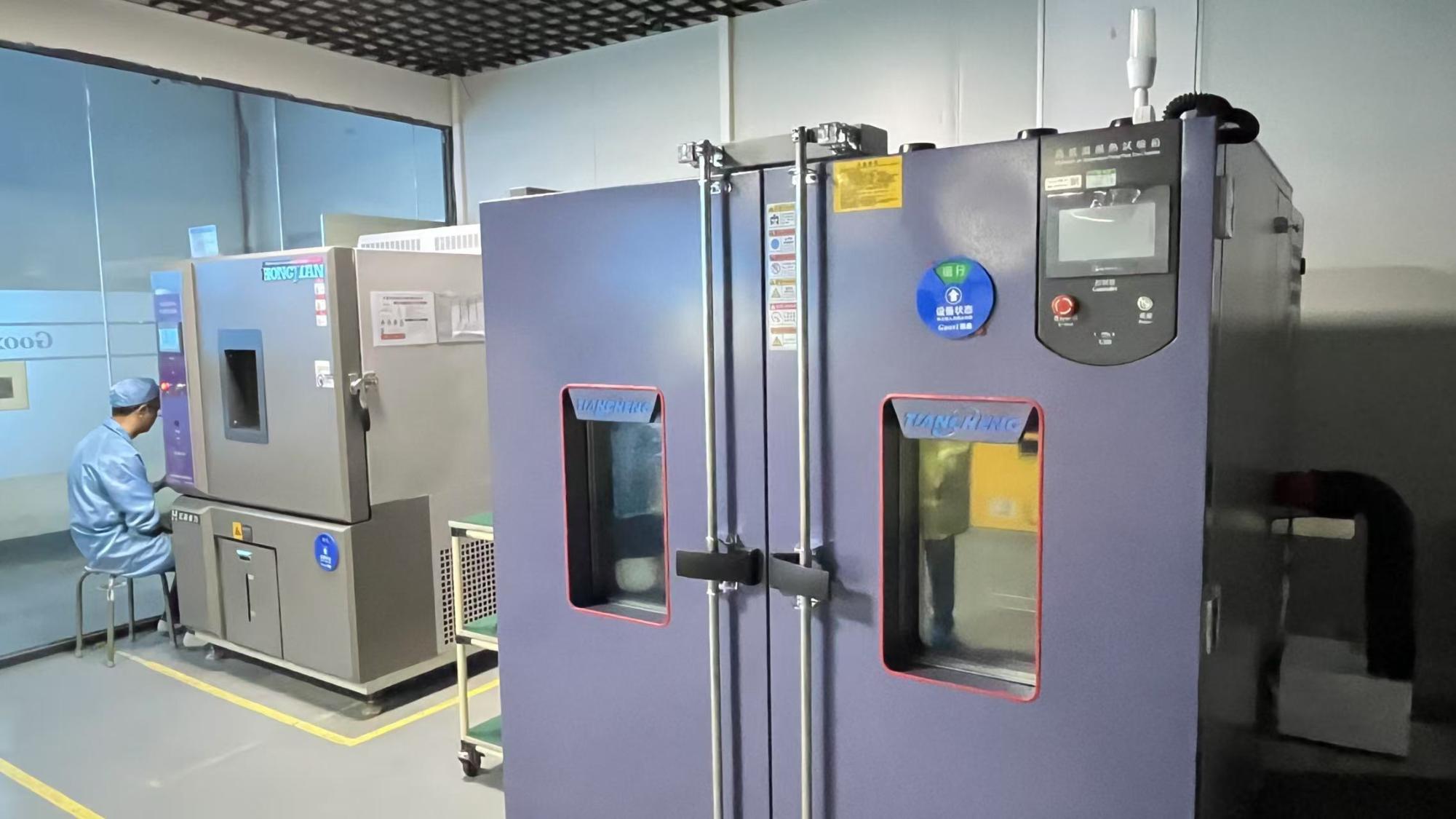
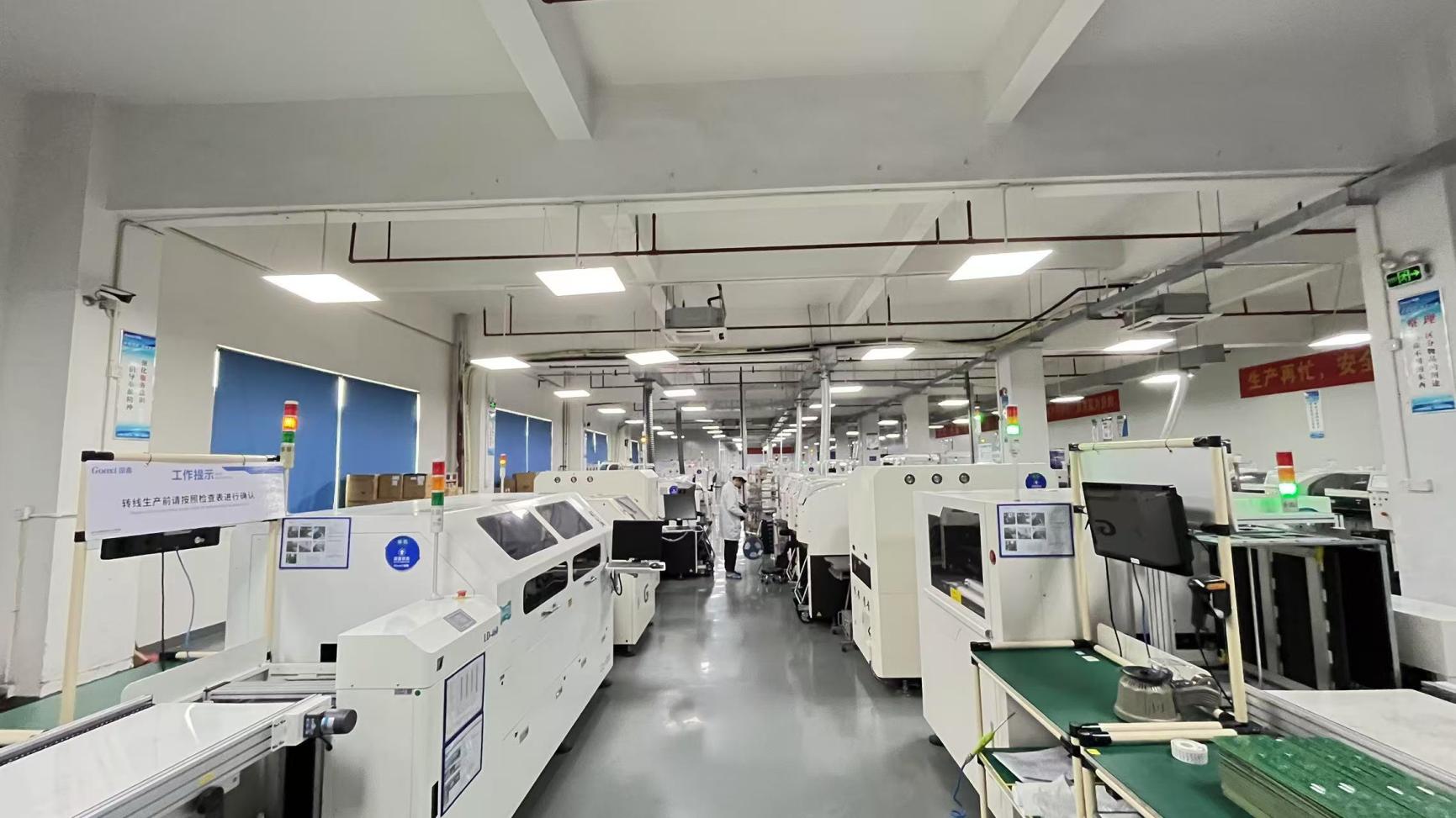
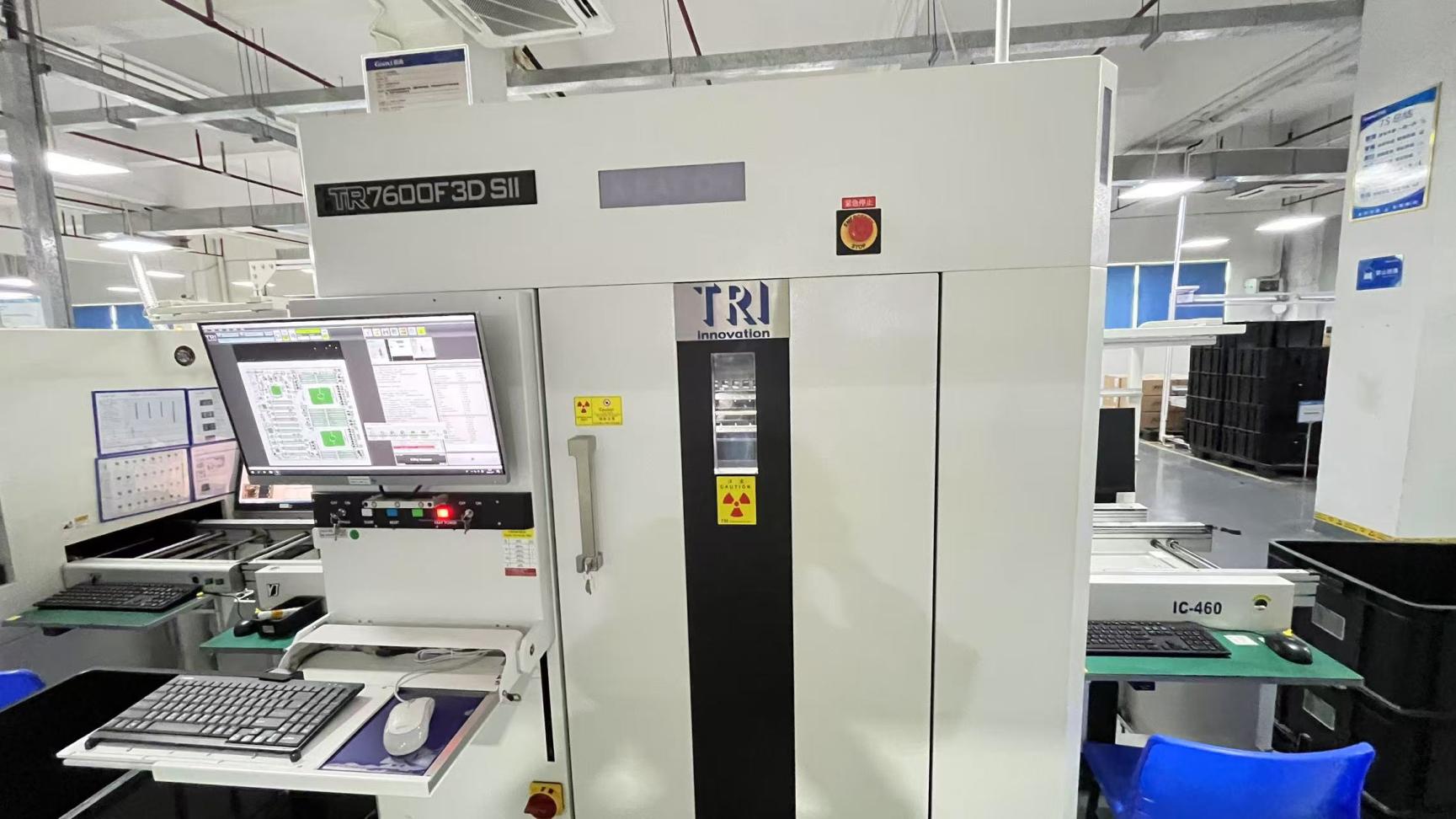

Lumetra Optoelectronics Technologies Co., Ltd. operates a 8,500m² state-of-the-art production facility engineered to meet high-performance telecommunication needs. Since our founding in 2016, we have established stable partnerships with over 1,200 supply chain associates globally, providing custom engineering services directly to system integrators, distributors, and cloud network operations.
With an annual export revenue of roughly USD 18 million, our global operations back more than 7 years of pure export logistics and 11 years of deep-seated optoelectronics R&D experience. Quality control is managed by a team of 48 dedicated inspectors utilizing fully automated optical verification platforms, spectrum analyzers, and dynamic loopback testing.
Our in-house design labs host 86 R&D engineers focused on solving complex challenges: signal attenuation compensation, temperature stabilization, and Multi-Source Agreement (MSA) EEPROM customization. In the past fiscal year alone, Lumetra introduced over 220 new specialized modules, addressing the requirements of modern network evolution.
Customized with EEPROM configurations compatible with local European regional networks.
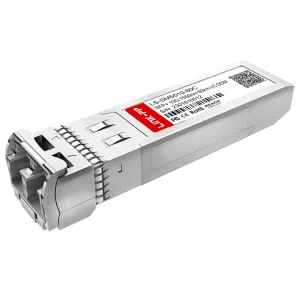
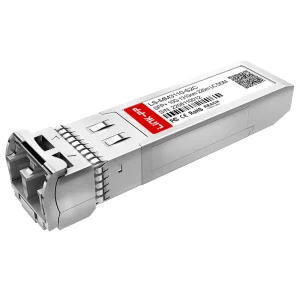
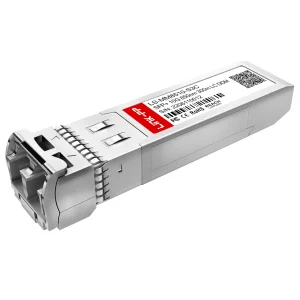
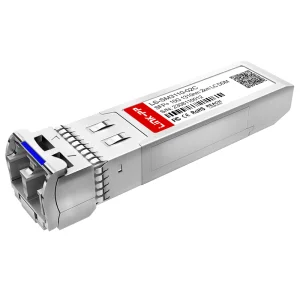
Addressing localized engineering challenges across Austria's main economic and technological sectors.
Vienna serves as a central connectivity gateway to Eastern Europe. With dense carrier hotels and hyper-scale installations, colocation operators demand 10GBASE-SR and LR modules for optical links up to 10km. Dynamic digital monitoring (DOM/DDM) is vital for real-time diagnostic telemetry, ensuring minimal downtime for high-traffic environments.
The heavy industries in Linz, Graz, and Steyr utilize Industrial Ethernet structures to coordinate robotic welding, steel casting, and high-precision CNC processes. These environments present heavy electromagnetic interference (EMI). Lumetra’s SFP+ modules are built with robust shielding and industrial temperature grades (-40°C to +85°C) to operate reliably in these demanding settings.
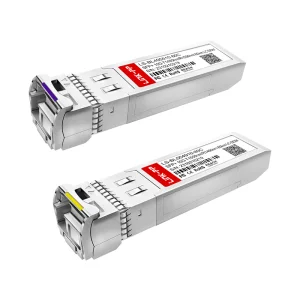
Austrian municipal utilities (Stadtwerke) deploy regional fiber loops to deliver reliable broadband to alpine regions. Our 10GBASE-ZR (80km reach) and BiDi (Bidirectional) single-fiber modules reduce the physical optical fiber requirements while maintaining stable data channels across challenging geographical routes.
Austria's leading banking groups and healthcare systems require rapid, secure data backups across separate physical locations. 16G SFP+ Fibre Channel transceivers provide the throughput needed for high-capacity storage area networks (SAN), ensuring low-latency replication of critical databases.
We code transceivers for compatibility with Cisco, Juniper, HP, Huawei, Allied Telesis, and other core switches deployed by Austrian telecommunication teams.
Ensuring direct adherence to EU directives and strict national telecommunications guidelines.
Austrian enterprise networks operate under strict regulatory policies. Lumetra ensures all optical modules conform to local and European requirements:
Multi-vendor compatible transceivers for mission-critical core architectures, edge systems, and high-performance networks.
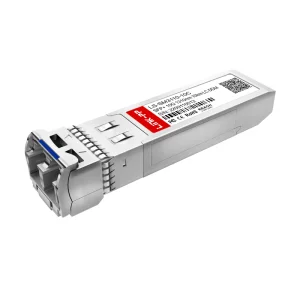
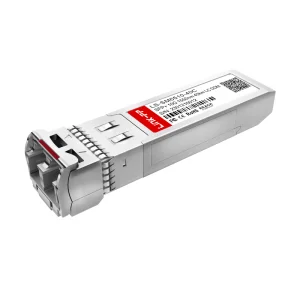
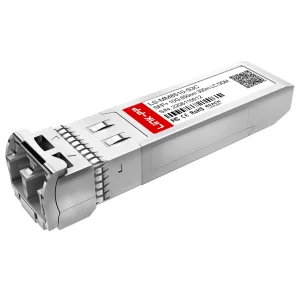
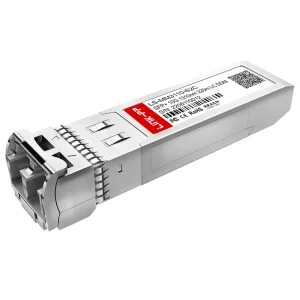
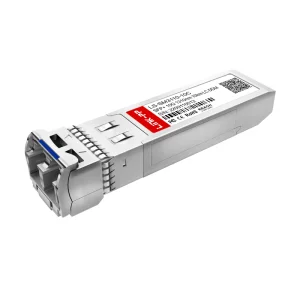
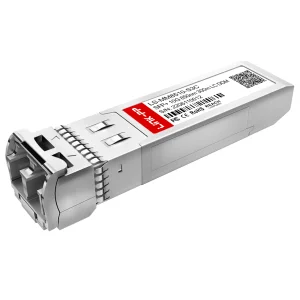
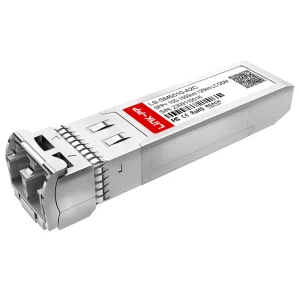
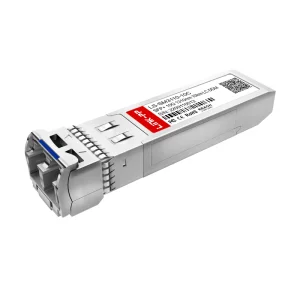
Answering technical engineering questions regarding SFP+ modules, network design, and performance metrics.
We use a multi-vendor compatibility verification environment in our R&D labs. Our 86 design engineers customize the transceivers' EEPROM/microcontroller code using vendor-specific configuration files. This ensures full functional alignment with platforms from Cisco, Juniper, HP, Huawei, and Allied Telesis. This prevents software locked-port warnings and guarantees error-free DOM (Digital Optical Monitoring) readouts.
While physically using the same SFP+ form factor, their underlying signaling protocols differ. 10G SFP+ modules are built for Ethernet (IEEE 802.3ae standard), which carries packetized network traffic. 16G Fibre Channel modules are optimized for storage area networks (FC-PI-5 standards), delivering low-latency, lossless block storage transmission. Choosing the correct configuration is vital for Austrian financial institutions or healthcare database replication networks.
Standard commercial-grade SFP+ modules operate from 0°C to 70°C. In manufacturing environments, temperatures can fluctuate. Our industrial-grade transceivers use hardened internal lasers (DML or EML) and advanced photo-detectors rated for -40°C to +85°C. These components mitigate wavelength drift and link loss caused by high ambient heat and physical vibration.
DOM (per SFF-8472 standards) allows network engineers to monitor real-time operating metrics: optical input/output power, module temperature, laser bias current, and supply voltage. In colocation hubs, DOM telemetry helps identify fiber degradation, micro-bends, or laser wear before a complete link outage occurs, maintaining strict SLA targets.
For distances up to 300 meters, 850nm multi-mode (MMF) fiber systems using OM3 or OM4 cabling are cost-effective options. For links exceeding 300 meters, 1310nm single-mode (SMF) transceivers (supporting up to 10km or 20km) are recommended. Choosing single-mode fiber prevents modal dispersion over longer distances, providing a direct upgrade path for future 25G/100G networks.
With over 7 years of global trade experience, Lumetra manages customs clearance for all EU shipments. Our logistics team handles import paperwork to ensure fast delivery to Vienna, Linz, Graz, and other Austrian business hubs. We package products with electrostatic protection and trackable air freight services to minimize delivery delays.