Lumetra
Lumetra
Lumetra
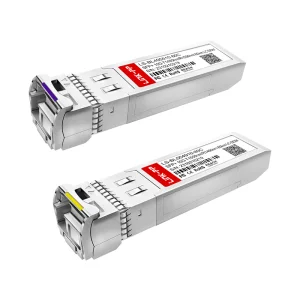
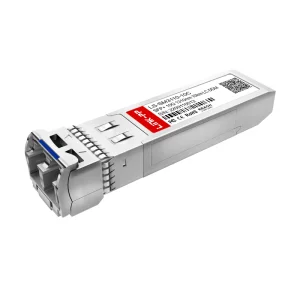
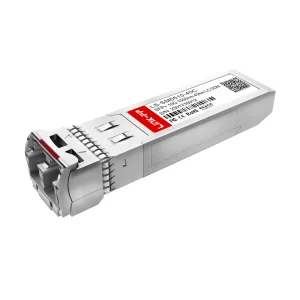
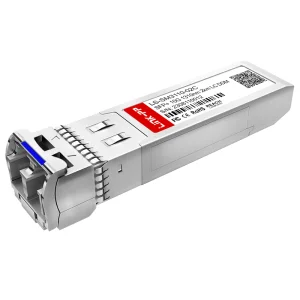
Explore our primary 10G SFP+ optical transceivers, designed to satisfy the rigorous data rates and performance standards demanded by Uzbekistan’s changing network grids.
The telecommunications and optical communications landscape in Uzbekistan is undergoing an unprecedented paradigm shift. Under the overarching presidential decree "Digital Uzbekistan 2030" (Raqamli O‘zbekiston - 2030), the government of Uzbekistan is heavily investing in upgrading its national network backbones, urban FTTH (Fiber-to-the-Home) networks, and regional cloud data facilities. As key metropolitan zones like Tashkent, Samarkand, and Bukhara rapidly transform into digital services hubs, operators like Uztelecom, Coscom (Ucell), Mobiuz, and Beeline Uzbekistan are under continuous pressure to expand their bandwidth capacities.
Historically, Central Asian communications infrastructure suffered from excessive latency and limited path diversity. Today, local service providers are utilizing high-speed transceivers, particularly 10G SFP+ and 16G SFP+ models, to construct long-haul DWDM transport networks and metro-ethernet infrastructures. 10G and 16G transceivers are critical transition elements that bridge legacy GPON systems with high-throughput 25G/100G cores, providing a stable, cost-efficient, and highly scalable data transfer mechanism.
Uzbekistan's continental climate places exceptional stresses on optical networking components. In regions like the Kyzylkum desert and industrial clusters of Navoi and Zarafshan, ambient temperatures range from -20°C in winter to well over 45°C during peak summer months. Standard commercial-grade (-5°C to 70°C) transceivers often experience high thermal failures under these conditions. Consequently, industrial-grade 10G/16G SFP+ transceivers featuring hardier optical chips, advanced thermal dissipation casing, and digital monitoring systems are increasingly demanded for utility sub-stations, mining complexes, and railway communication systems managed by O‘zbekiston Temir Yo‘llari.
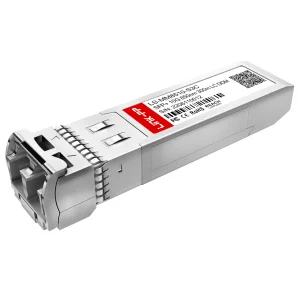
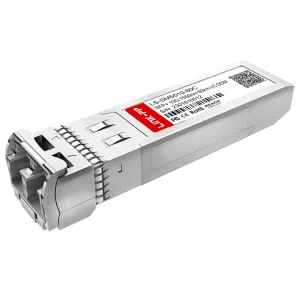
The 10G/16G SFP+ (Small Form-factor Pluggable Plus) interface represents the dominant standard for high-density, high-speed optical transceivers. Our manufacturing portfolio adheres rigorously to the SFF-8431, SFF-8432, and SFF-8472 Multi-Source Agreements (MSAs), ensuring absolute electrical and physical compatibility with all major network hardware platforms worldwide.
Enables real-time tracking of critical operating factors: optical input/output power, module temperature, laser bias current, and supply voltage. Vital for predictive maintenance in remote Uzbek network stations.
Backward-compatible design supporting 16G Fibre Channel (14.025 Gb/s) and 8G/4G systems. Ideal for low-latency enterprise storage arrays, high-frequency banking hubs, and virtualized computing grids.
Precision-engineered VCSEL, DFB, and EML transmitter options spanning 850nm, 1310nm, and 1550nm bands, guaranteeing low dispersion and signal degradation over links up to 120km.
As storage area networks (SAN) upgrade globally, the 16G SFP+ module acts as a critical link. It satisfies the strict timing demands of FC-PI-5 standards, providing double the throughput of standard 8G Fibre Channel while maintaining exact footprint compatibility. This enables banks and telecommunication networks across Uzbekistan to maximize density and utilize existing LC duplex fiber routing configurations, minimizing overall capital and operational expenditure (CAPEX/OPEX).
Production Facility
QC Specialists & Inspectors
Supply Chain Partners
Dedicated R&D Engineers
In the current geopolitical climate, global supply chain resilience is a critical factor for network procurement. Lumetra Optoelectronics Technologies Co., Ltd. is a professional manufacturer specializing in high-speed optical transceivers and fiber optic communication solutions for datacom, telecom, and cloud infrastructure applications. Founded in 2016, the company has developed into a reliable supplier with strong engineering capabilities and global export experience.
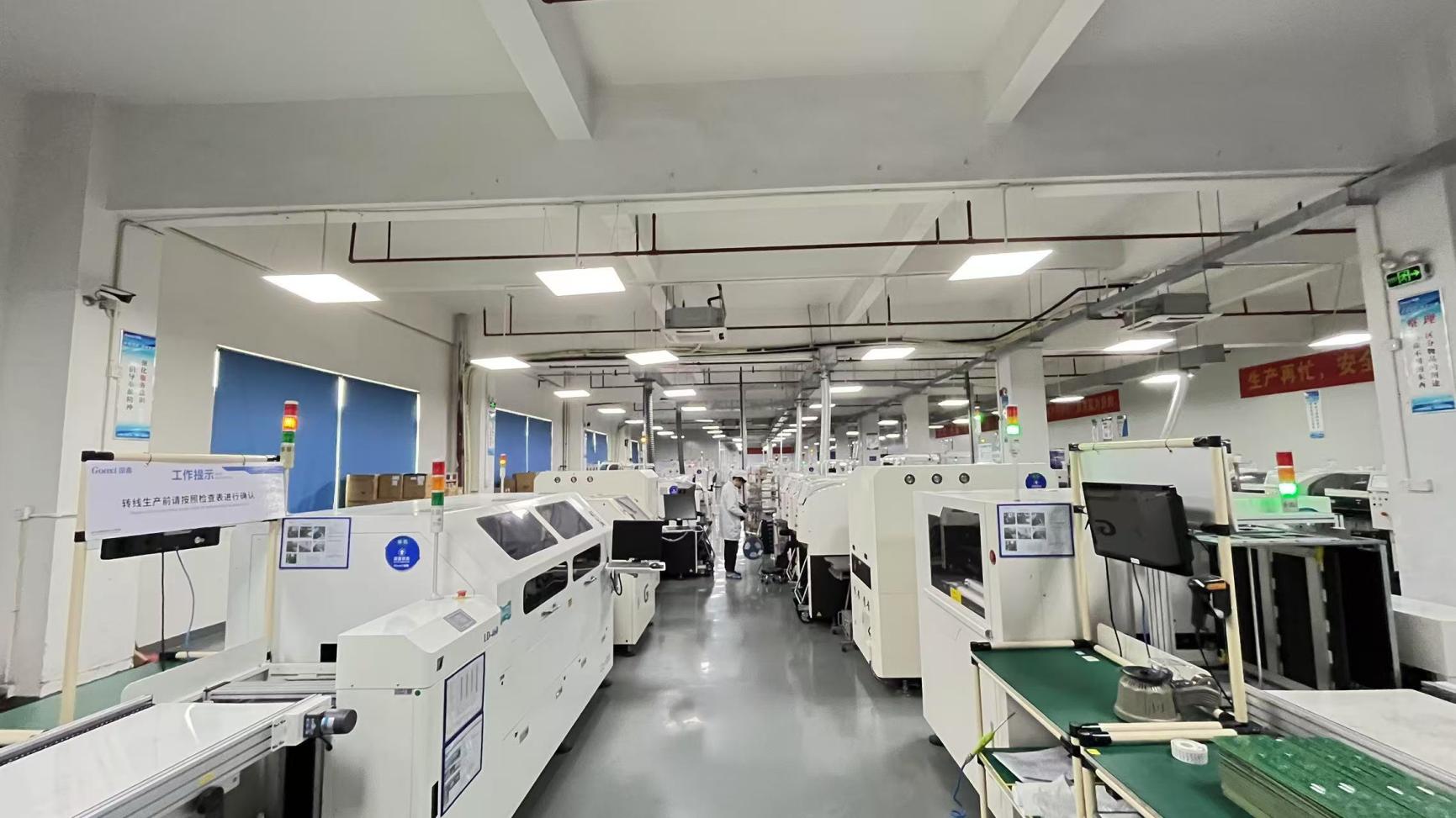
Operating a state-of-the-art production facility covering approximately 8,500㎡, Lumetra supports highly efficient manufacturing and quality-controlled assembly processes. With annual export revenue reaching around USD 18 million, Lumetra has built stable international business channels, accumulating 7 years of export experience backed by 11 years of overall optical manufacturing expertise.
Quality assurance is maintained through a combination of automated optical performance testing, environmental stress screening, and manual inspection processes. Our quality control team consists of 48 trained inspectors ensuring strict compliance with international standards, helping system integrators in Europe, North America, Southeast Asia, and the Middle East keep network downtime close to zero.
Lumetra maintains a diversified trade background with a strong presence in OEM and ODM markets. We collaborate with over 1,200 supply chain partners to ensure stable component sourcing and manufacturing efficiency, avoiding the component shortages that often delay infrastructure deployments in Central Asia. Our customer base mainly includes telecom carriers, hyperscale data centers, system integrators, and optical network equipment brands.
With strong R&D capability, Lumetra supports advanced customization including protocol compatibility, wavelength tuning, form factor adaptation, and power optimization. The company employs 86 R&D engineers focused on optical design, hardware development, and signal integrity optimization. In the past year alone, Lumetra launched approximately 220 new products, keeping pace with the rapid advancement of modern optical networking technologies.
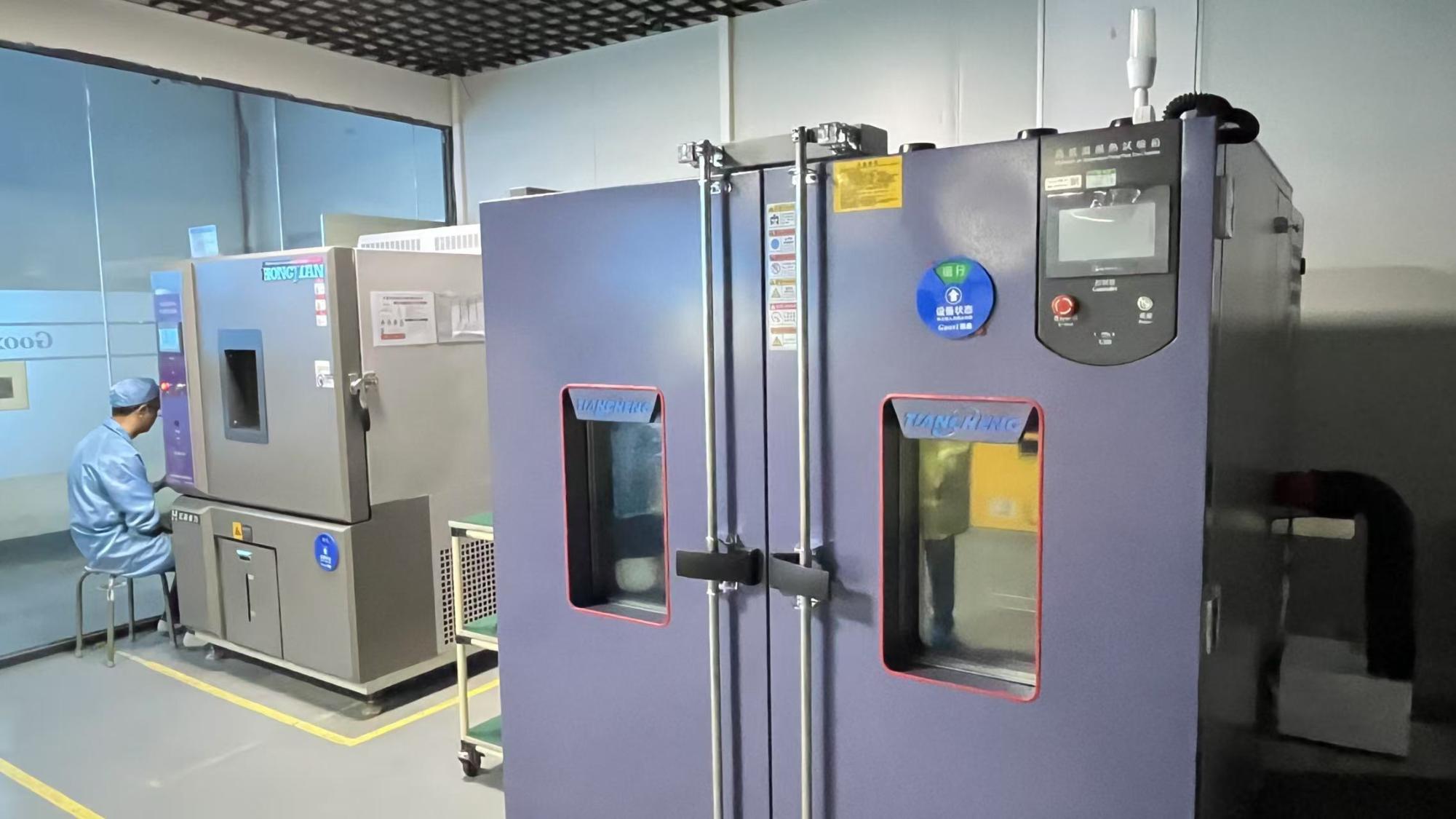
Every 10G/16G SFP+ transceiver manufactured by Lumetra undergoes a sequence of rigorous testing protocols before export. This includes optical eye-pattern verification, Bit Error Rate (BER) analysis, and thermal chambers testing simulating severe continental climates (ranging from -40°C to +85°C). For the Uzbek market, this guarantees that transceivers destined for outdoor fiber access terminals or industrial railway boxes operate continuously without packet loss.


Review our full range of 10G SFP+ optical transceivers, matching standard and customized network infrastructure requirements in Uzbekistan.
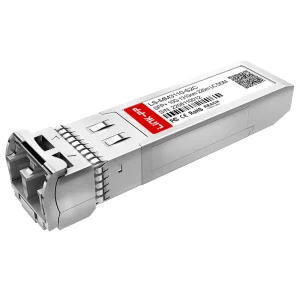
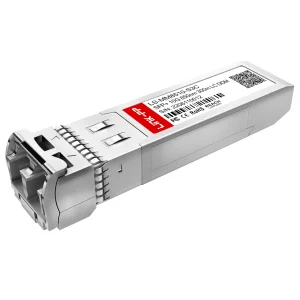
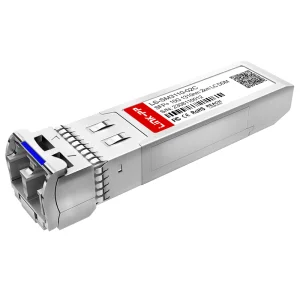
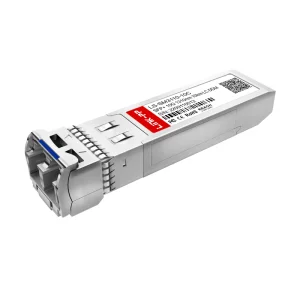
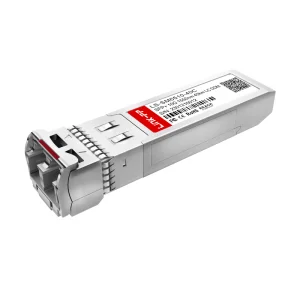
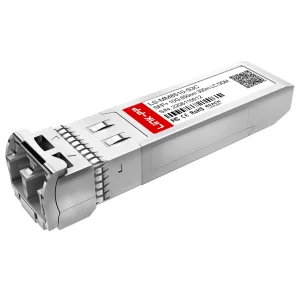
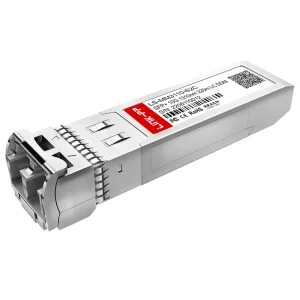
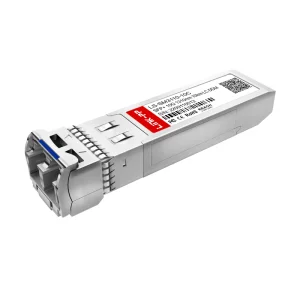
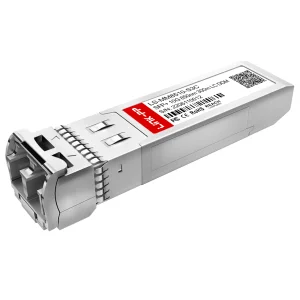
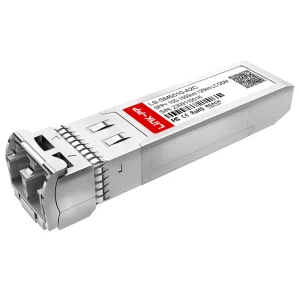
Deploying hardware in Uzbekistan’s telecommunication systems requires navigating complex vendor ecosystems. Network architectures in Uzbekistan typically mix European, Chinese, and North American networking devices. It is common to find Cisco routers in cores, Huawei OLTs at distribution layers, and MikroTik or Juniper switches at access points.
Because of this diverse ecosystem, generic optical modules often fail to establish links due to vendor-locked EEPROM key requirements. Lumetra addresses this through advanced software emulation. In our clean room facility, we load customized configuration scripts onto transceivers' micro-controllers, ensuring seamless compatibility with Cisco, Huawei, Juniper, HP, Mikrotik, and generic white-box vendors. This helps operators achieve interoperability without paying premium prices for original brand labels.
We supply all necessary documents, including RoHS, CE, FCC, and origin certificates, to streamline customs clearance and technical compliance evaluations required by the agency Uzstandart.
By leveraging stable shipping corridors from Shenzhen/Guangzhou to Tashkent via Khorgos, Lumetra ensures predictable lead times, minimizing delays for urgent network installations and repairs.
Contact our application engineering team today to receive detailed technical datasheets, compatibility confirmation, and direct factory price quotes for your fiber project.
Send Inquiry Now