Lumetra Lumetra

1xN (Ganged Ports) Factories & Exporters in the Sri Lanka Market

High-Density Optical Transceiver Cage Solutions & Press-Fit Interconnect Systems for Colombo's Digital Backbone

The Sri Lankan Telecommunications & Digital Infrastructure Landscape

Sri Lanka's digital economy is witnessing an unprecedented transformation, driven by national initiatives like the "Digital Sri Lanka" roadmap and major private-sector network expansions. In metropolitan hubs like Colombo, the Sri Lankan government is actively promoting the development of the Colombo Port City as a world-class smart financial district. This requires robust, low-latency, and high-density computing infrastructure. Major network operators, including SLT-Mobitel and Dialog Axiata, are aggressively upgrading their core infrastructures to support 5G mobile deployments, Fiber-To-The-Home (FTTH) connections, and high-performance cloud data architectures.

As transmission speeds scale from 10G to 25G, and upwards to 100G and 400G, the demand for reliable physical-layer interconnect systems has surged. Inside Sri Lanka’s data centers and base stations, high-density optical transceivers rely heavily on 1xN (Ganged) SFP/SFP+ cage systems. These metallic enclosures are critical components that house optical modules, providing the necessary mechanical guidance, thermal heat dissipation pathways, and electromagnetic interference (EMI) containment. Procuring sub-standard SFP cages poses a catastrophic risk to network uptime, causing optical signal drops, packet loss from thermal throttling, and regulatory compliance issues with local institutions like the Telecommunications Regulatory Commission of Sri Lanka (TRCSL).

Understanding 1xN (Ganged) Architecture: Signal Integrity & EMI Containment

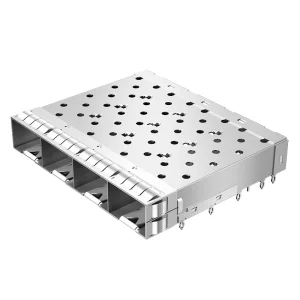
A "1xN Ganged Port" design configuration places multiple transceiver cages side-by-side in a single row on the Printed Circuit Board (PCB). Typical configurations include 1x2, 1x3, 1x4, 1x6, and 1x8 port layouts. This spatial arrangement dramatically increases port density per unit of rack space, but it introduces major electrical and thermal engineering challenges:

  • Electromagnetic Interference (EMI) Mitigation: High-speed optical data channels operating above 10 Gbps act as miniature transmitters. A ganged structure must feature integrated EMI spring fingers or elastomeric gaskets along the panel bezel interfaces to prevent high-frequency electromagnetic radiation leakage. Without precise EMI shielding, adjacent ports will suffer from severe crosstalk, degrading the Bit Error Rate (BER).
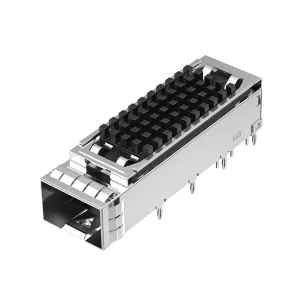
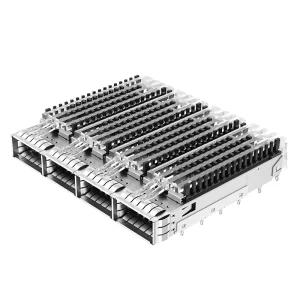
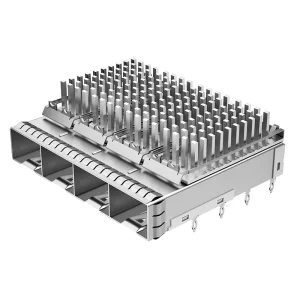
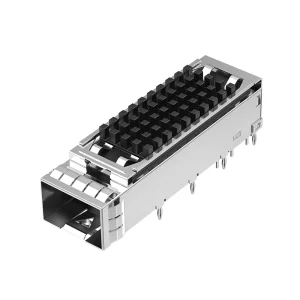
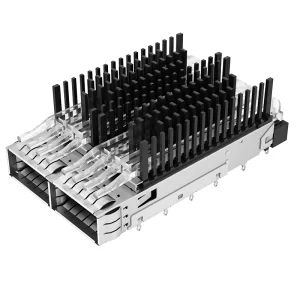
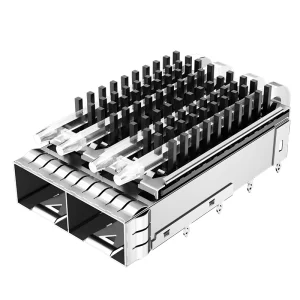
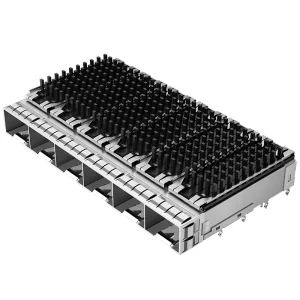
  • Thermal Management Under Load: SFP+ transceivers (especially active optical cables and long-reach DWDM transceivers) generate significant localized heat. High-quality 1xN cages incorporate integrated copper or aluminum heatsinks (pin-fin or round-fin profiles) clipped directly to the cage top, drawing heat away from the sensitive transceiver laser diode.
  • Mechanical Board Assembly Precision: Press-fit (Compliant Pin) structures are widely preferred over Through-Hole Solder (THT) designs for multi-port layouts. Press-fit pins eliminate the thermal stress of wave soldering on multi-layer PCBs, but they require extreme mechanical precision during manufacturing to avoid pin buckling or damage to the plated-through holes on the motherboard.

China to Sri Lanka Supply Chain Synergy: Lumetra's Manufacturing Capabilities

As Sri Lankan telecommunication integrators and developers look to source high-grade network parts, partnering directly with experienced Chinese manufacturers offers the ultimate balance between cost efficiency, customized engineering, and volume production. Lumetra Optoelectronics Technologies Co., Ltd. represents the pinnacle of this supply chain synergy. Founded in 2016, Lumetra has built an extensive engineering and production footprint optimized for international exports.

8,500㎡
Production Facility
$18M
Annual Export Value
86
R&D Engineers
1,200+
Supply Chain Partners

Lumetra's state-of-the-art facility utilizes high-speed stamping presses and precision assembly lines to guarantee tight tolerances. With a strong engineering team of 86 R&D professionals, Lumetra is capable of reverse-engineering and manufacturing reliable equivalents for major western connector brands (such as TE Connectivity and Amphenol). By maintaining an inventory of over 1,200 supply chain partners, Lumetra ensures stable lead times and continuous production even during global raw material shortages, providing Sri Lankan buyers with a secure source of custom ODM/OEM hardware.

1xN Ganged Port Reference and Compatibility Matrix

The following technical reference table details the specifications and cross-compatibility of popular ganged transceiver cages deployed in modern networking hardware across South Asia.

Part Number Reference Configuration (1xN) Pin Mounting Type EMI Shielding Method Thermal Dissipation Type Compatible Standards
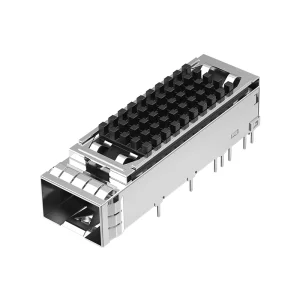
2198226-2 (TE Equiv.) 1x2 Ports (SFP+) Press-Fit Spring Fingers Integrated Finned Heatsink SFF-8431, SFF-8071
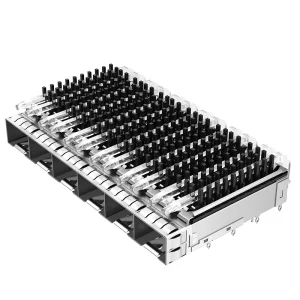
2198235-1 (TE Equiv.) 1x6 Ports (SFP+) Press-Fit Shield Gasket / Springs High-Profile Pin Heatsink IEEE 802.3ae, SFF-8431
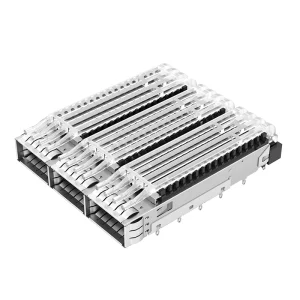
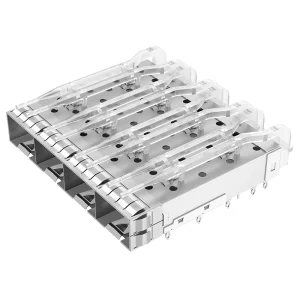
2110069-1 (TE Equiv.) 1x4 Ports (SFP+) Press-Fit Bezel Gasket Dual LED Light Pipes SFF-8432, MSA Standard
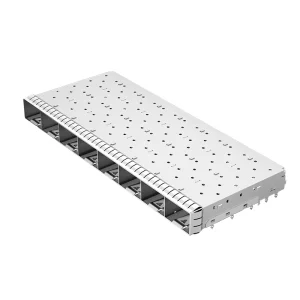
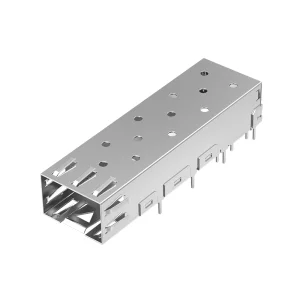
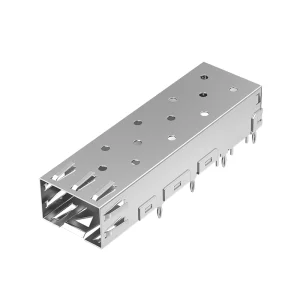
2294408-2 (TE Equiv.) 1x8 Ports (SFP) Press-Fit Elastomer Gasket Standard Passive Ventilation SFP MSA Compliance
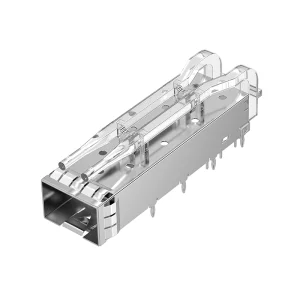
U77-E16D3-3001 (Amphenol Equiv.) Single Port (SFP+) Through Hole (THT) Solder Bezel Grounding Clips Custom Ride-On Heatsink SFF-8431, RoHS Compliant

Localized Application Scenarios Across Sri Lanka's Modern Networks

Modern connectivity needs in Sri Lanka are not uniform; they demand customized hardware engineering to handle diverse environmental and workload constraints. Key industrial application areas for 1xN SFP/SFP+ cages include:

  • Colombo Port City Smart Financial Hub: High-density banking nodes and trading floors require high-density, low-latency architectures. 1x8 ganged port SFP+ cages allow fiber-optic network cards to feed high-throughput streams into centralized data storage units.
  • Katunayake and Biyagama Export Processing Zones (EPZs): Industrial IoT infrastructure linking automated textile and electronic factories requires rugged components. Press-fit, EMI-shielded SFP+ cages prevent electromagnetic interference generated by heavy manufacturing machinery from corrupting vital logistics data feeds.
  • Hambantota Port logistics and Cargo Tracking Systems: Maritime tracking hubs operating in hot, coastal climates require specialized SFP+ cages featuring high-efficiency copper heatsinks. This prevents thermal degradation from humidity and high ambient ocean temperatures, ensuring uninterrupted network performance.
  • Subsea Cable Landing Stations (Mount Lavinia & Matara): Massive data streams arriving via SEA-ME-WE subsea cables need distribution through network routers utilizing multi-port 1xN SFP cages. Here, the use of gold or high-grade nickel plating is critical to withstand the highly corrosive marine atmosphere.

Full Catalog of High-Performance Ganged Cage Systems

Explore our full selection of high-durability replacement and custom ganged cages. Fully compliant with international MSA specifications and ideal for telecommunication distribution frames throughout Sri Lanka.
Advanced Manufacturing facility & Strict Quality Assurance Protocols

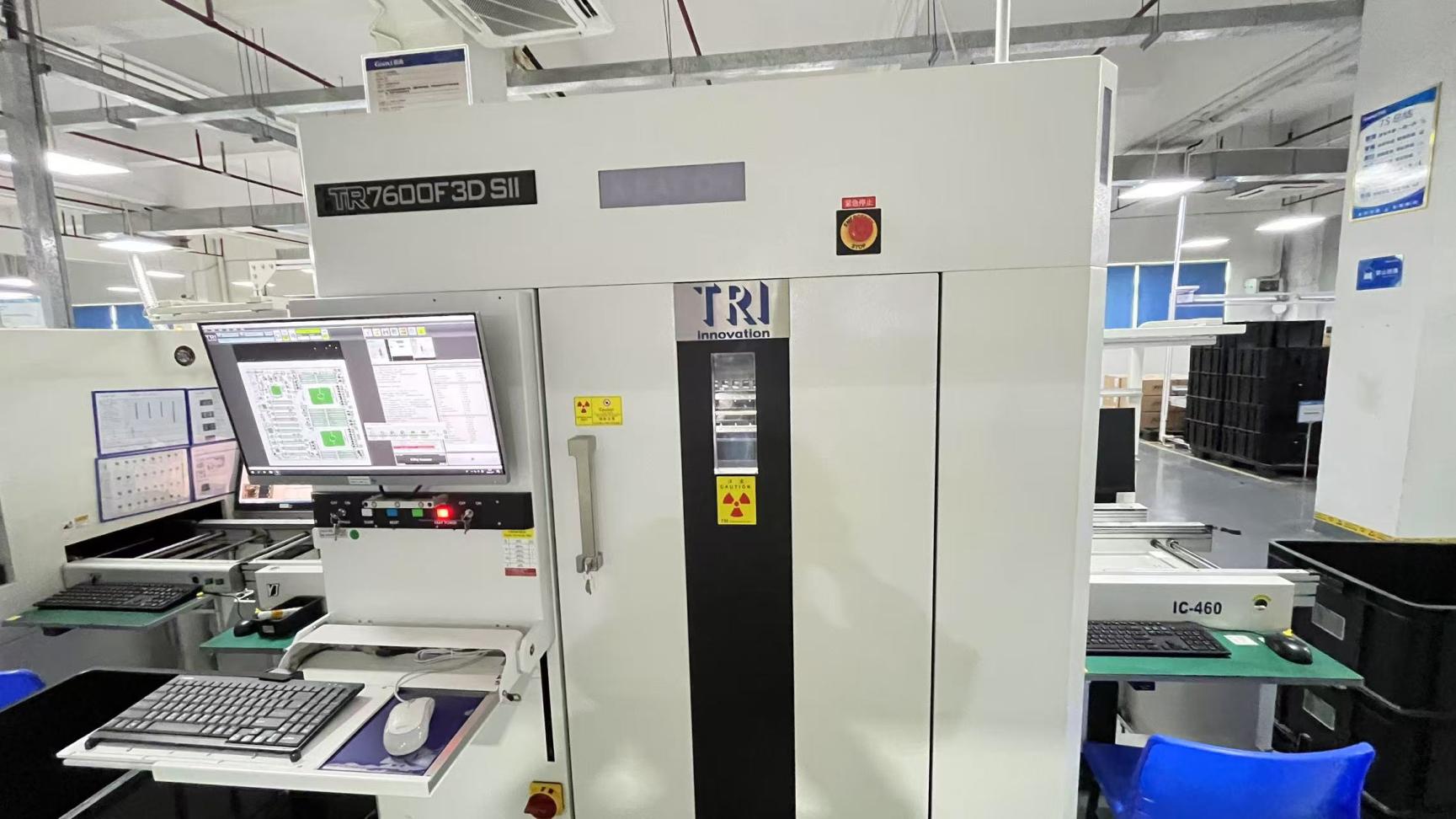
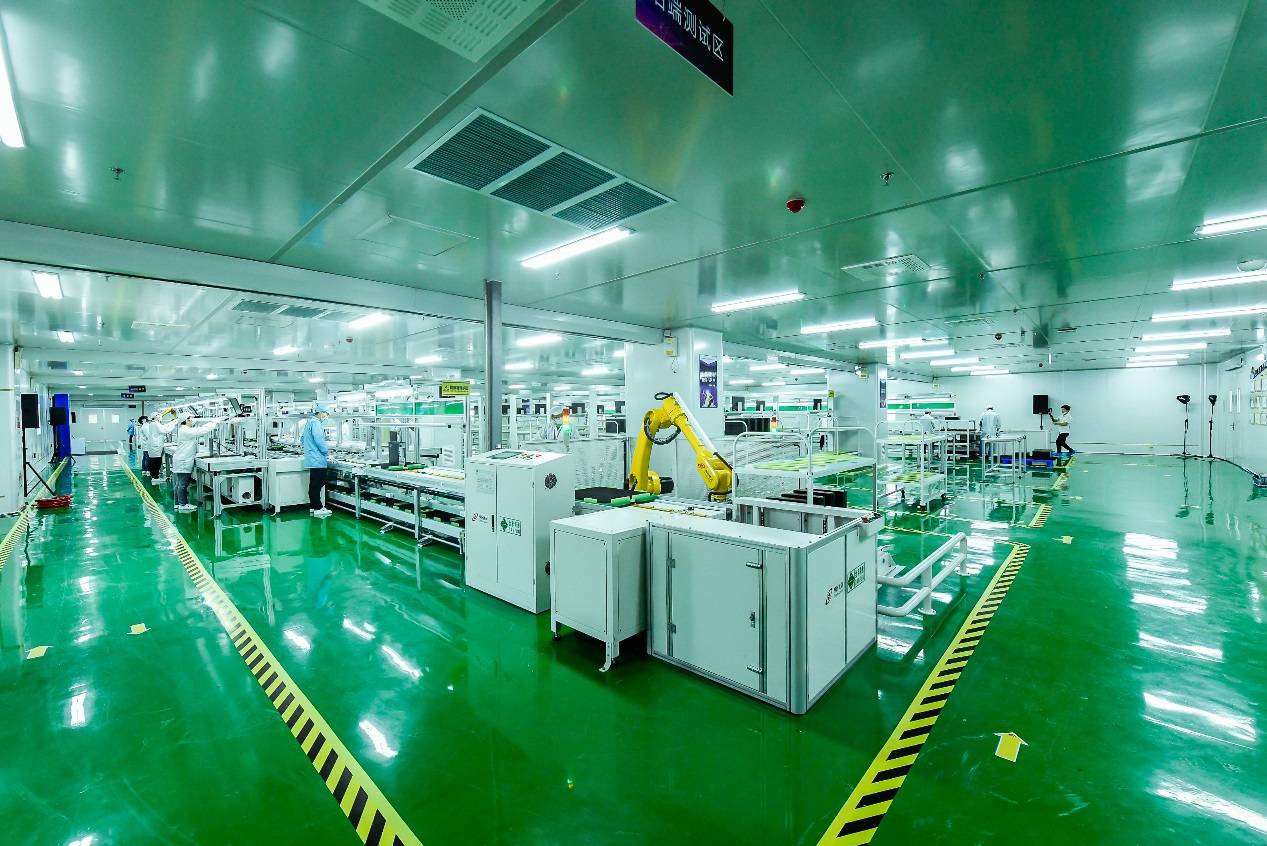
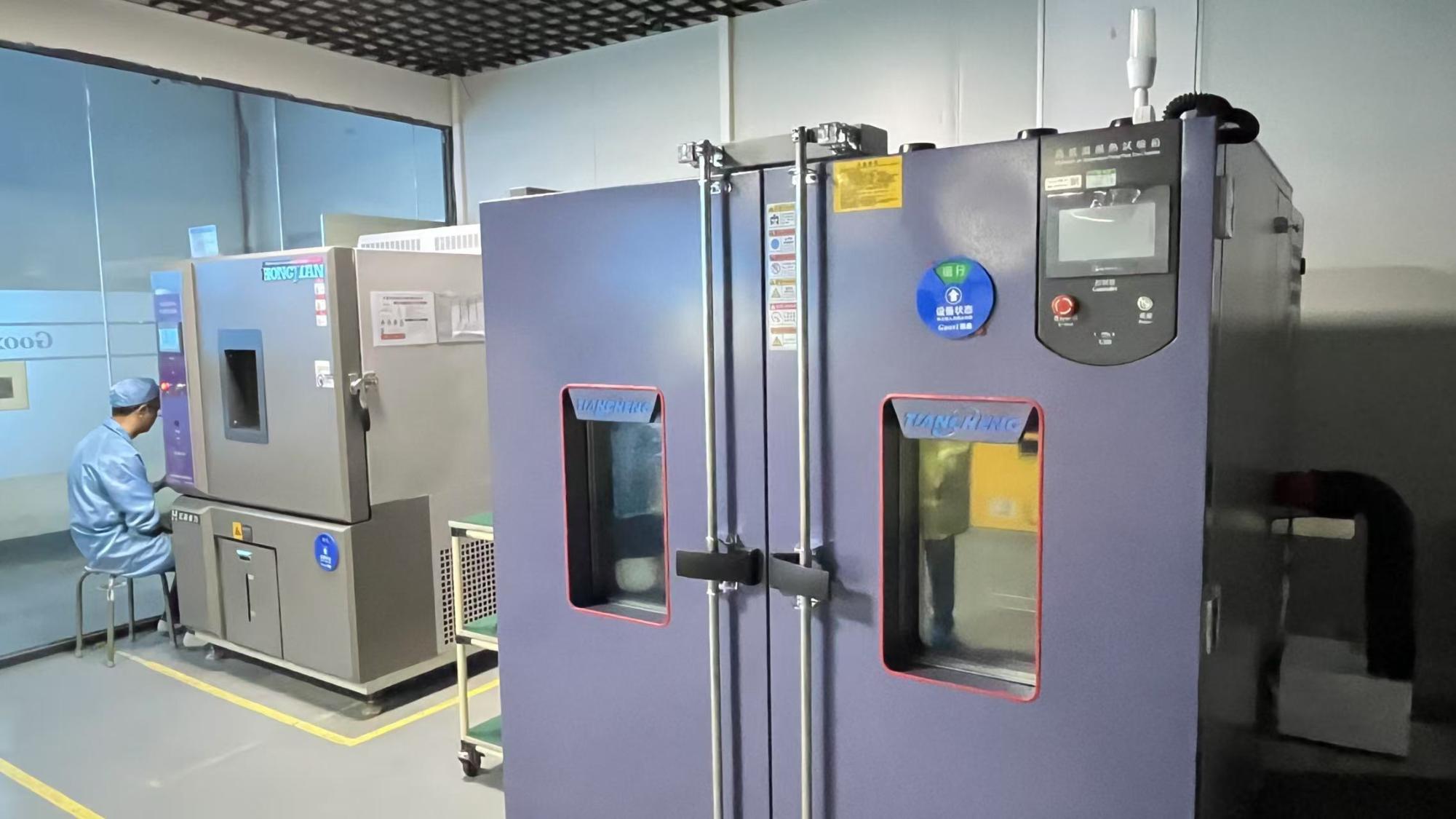
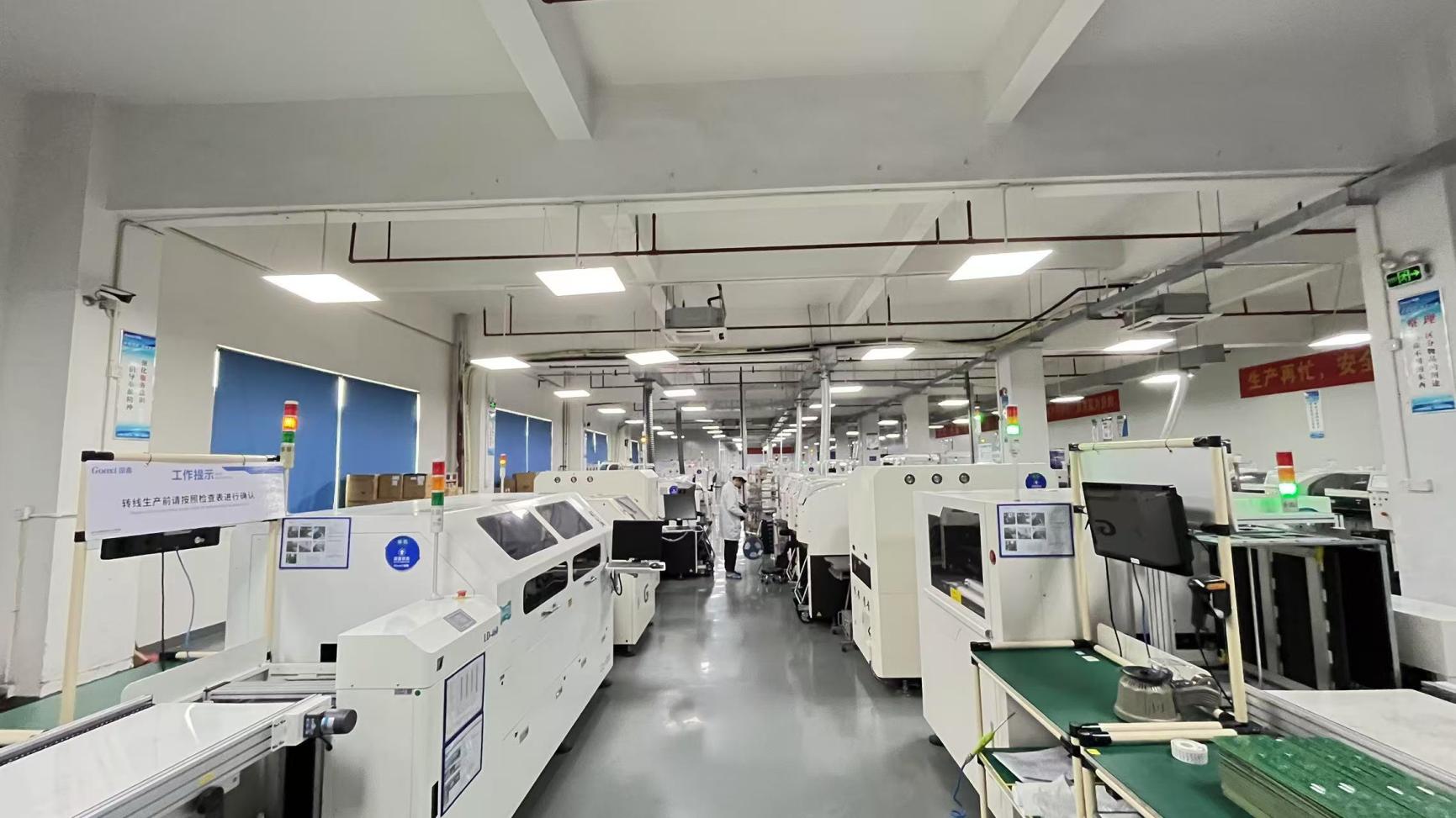
Lumetra’s manufacturing center features high-speed precision stamping machines, automatic cleaning machines, and state-of-the-art insertion equipment. To maintain stable transmission metrics at speeds of 10G, 25G, and 56G PAM4, Lumetra subjects all finished cages to multi-stage electrical, mechanical, and environmental testing. The quality control organization includes 48 certified inspectors who test products under accelerated aging and thermal stress conditions, simulating hot and humid tropical climates typical of Sri Lanka. Below is a window into the operations at Lumetra:
Technical FAQ: 1xN Ganged Cages in the Sri Lankan Market

Read through detailed engineering explanations addressing component compatibility, thermal stability, and procurement processes for Sri Lankan telecommunication projects.

1. What are the key benefits of using 1xN (Ganged) cages over multiple single-port SFP+ cages?
1xN (Ganged) cages place multiple ports adjacent to each other in a unified metal enclosure. This structure provides three main advantages: First, it maximizes panel port density, saving valuable faceplate and PCB space on enterprise routers and switches. Second, the unified housing ensures better electrical grounding consistency across ports. Third, installing a single 1xN structure is much faster than positioning and soldering multiple single-port cages, which reduces manufacturing and assembly costs for large-scale hardware deployments.
2. How does Lumetra guarantee compatibility with established brands like TE Connectivity and Amphenol?
All SFP/SFP+ products are designed in strict accordance with Multi-Source Agreements (MSAs) such as SFF-8431, SFF-8432, and SFF-8071. These standards govern electrical interface layouts, outer mechanical tolerances, and connector footprints. Lumetra's R&D department utilizes advanced solid modeling and signal integrity simulations to ensure that replacements for popular components (such as TE 2198235-1 or Amphenol U77-E16D3-3001) share identical footprints, contact positioning, and panel clearances. They can be placed directly onto existing PCB designs without board layout changes.
3. Why is EMI shielding critical for high-density networks in Smart Cities like Colombo Port City?
High-speed optical switches operate at very high frequencies, generating stray electromagnetic fields. If these fields leak, they can interfere with adjacent telecommunication equipment and cause signal distortion, data packet loss, and high bit-error rates. Colombo Port City's financial networks handle sensitive data that cannot tolerate interference. Lumetra’s cages use comprehensive EMI shielding, including elastic metallic spring fingers and specialized conductive gaskets, to seal gaps between the cage housing and the panel faceplate, keeping EMI leakage well below standard international limits.
4. What thermal solutions are recommended for deploying 1xN cages in Sri Lanka's tropical climate?
Sri Lanka experiences high ambient temperatures and humidity levels year-round, which makes thermal dissipation a top priority. Transceiver cages housing active optical modules must use integrated heatsinks. Lumetra offers multiple heatsink profiles (such as 4.2mm, 6.5mm, and 13.5mm heights) in both pin-fin and round-fin geometries. Pin-fin designs are highly recommended for applications with forced airflow, as they provide multi-directional heat dissipation. This ensures that the internal optical modules stay within their safe operating temperatures, preventing thermal shutdown and extending component lifespan.
5. What is the difference between Press-Fit and Through-Hole (THT) soldering for 1xN SFP cages?
Through-Hole THT solder cages use pins designed to be wave-soldered onto the motherboard. This provides a strong mechanical bond, but the intense heat of soldering can stress multi-layer telecom PCBs. Press-Fit (compliant pin) designs use elastic, eye-of-the-needle pins that are pressed directly into plated-through holes on the PCB. Press-fit connections avoid thermal processing, allow for easier component replacement, and provide excellent signal integrity. This makes them the standard choice for modern high-speed 25G and 100G networking switches.

Optimize Your Fiber Optic Network Hardware Today

Consult with our engineering experts to select, customize, or procure high-performance 1xN Ganged SFP/SFP+ cage solutions tailored for the Sri Lankan market.

Send Inquiry Now