Lumetra
Lumetra
Lumetra
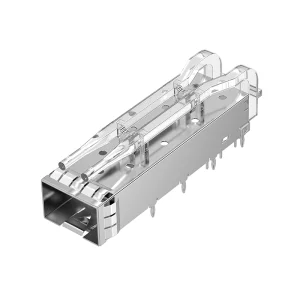
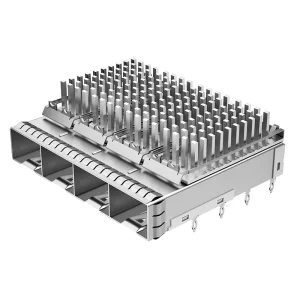
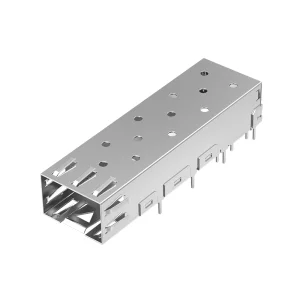
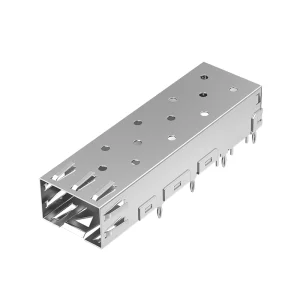
Engineered for next-generation network hardware interfaces in Luxembourg’s expanding digital backbone. These modular 1xN SFP/SFP+ cage assemblies are fully compatible with industry-standard transceivers and designed for optimized insertion loss, EMI suppression, and thermal dissipation.
Luxembourg has firmly established itself as Europe's premier financial center and a leading digital nation. Home to the European High-Performance Computing Joint Undertaking (EuroHPC JU) and the MeluXina supercomputer in Bissen, the Grand Duchy requires some of the most advanced digital networking equipment in the world. As financial organizations, cloud providers, and satellite operators expand their architectures within Luxembourg's borders, the physical infrastructure supporting these networks must scale concurrently.
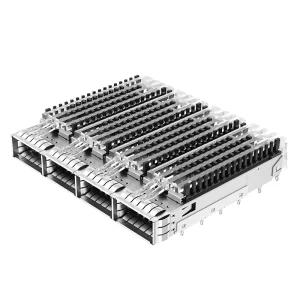
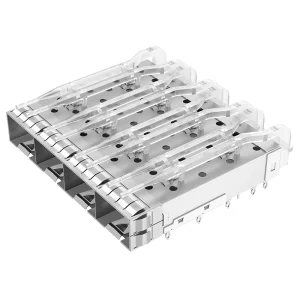
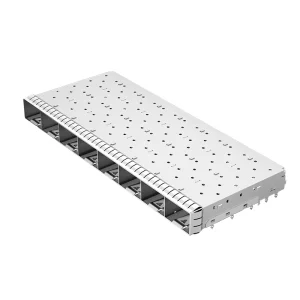
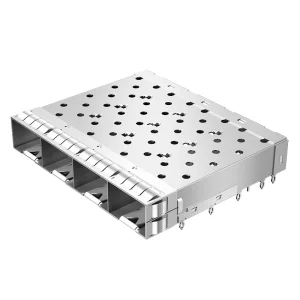
A key aspect of this scaling is the optimization of printed circuit board (PCB) real estate. High-density Ethernet switches, routers, and host adapters rely heavily on 1xN ganged SFP+ cages. "Ganged" or 1xN port configurations group multiple optical modules into a single mechanical structure. This reduces space requirements, minimizes signal path complexity, and coordinates thermal dissipation. Whether in the secure banking data vaults of Kirchberg, the satellite hubs of Betzdorf, or the industrial clusters of Esch-sur-Alzette, these passive interconnect cages serve as the physical gateway for optical communications, operating at speeds of 10Gb/s, 25Gb/s, and beyond.
With Luxembourg hosting the MeluXina supercomputer, which achieves a petascale performance of over 18 petaflops, standard networking configurations are insufficient. Supercomputing clusters require low latency and high port density. The choice of 1xN ganged ports, specifically configurations utilizing 1x4, 1x6, and 1x8 cages, allows hardware designers to place transceiver interfaces closely together. This layout minimizes path lengths to the PHY silicon and keeps signal transmission integrity within strict tolerances. When processing large data sets across high-performance computing nodes, keeping EMI (Electromagnetic Interference) leakage minimal at the front panel is critical. This is where specialized press-fit and THT (Through-Hole Technology) cages equipped with elastomeric gaskets or metal spring fingers prove vital.
| Application Scenario | Common Cage Interface | Speed Requirements | Critical Engineering Metric |
|---|---|---|---|
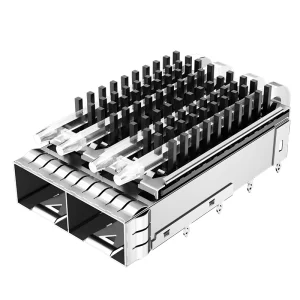
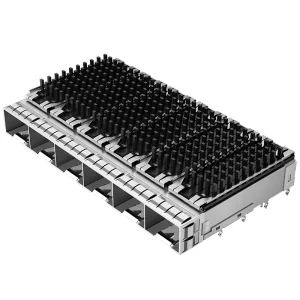
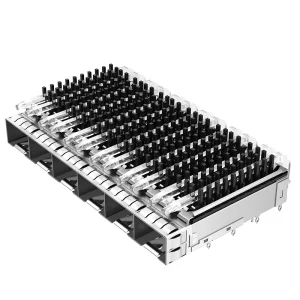
| Luxembourg Financial Cloud Datacenters | 1x4 SFP+ Ganged Cages with Integrated Heatsinks | 10G / 25G Ethernet | Zero-downtime Insertion Lifetime > 100 Cycles |
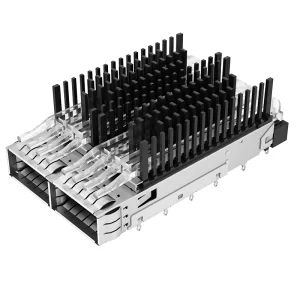
| Bissen MeluXina Supercomputer Nodes | 1x8 SFP+ / QSFP Cages with Specialized Pin-Fin Heatsinks | Infiniband / High-Speed Datacom | EMI Shielding Effectiveness > 35dB at 15 GHz |
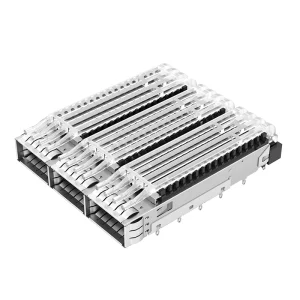
| Betzdorf Satellite Ground Groundstations | 1x2 & 1x3 Ports Press-Fit Cages with Light Pipes | Multi-rate Optical Transceivers | Vibration Resistance & Board Level Co-planarity |
| EU Sovereign Data Infrastructure (Esch-sur-Alzette) | 1x6 Ports EMI Shielded Assemblies | High-Density Edge Nodes | RoHS / REACH Compliant Alloys & Gold Plating |
For high-frequency systems operating in dense environments, EMI is a primary threat to signal integrity. The SFP cage design must act as a Faraday cage to prevent radiative emissions from escaping the chassis cutout. Standard 1xN ganged ports utilize two main methods to bridge the gap between the cage structure and the host bezel panel:
In Luxembourg's strictly regulated financial and government computing installations, emissions must comply with CISPR 32/EN 55032 Class B limits. High-speed network interfaces require cages with robust grounding features, including multiple PCB ground pins (compliant press-fit tails) distributed along the ganged cage structure to route return currents back to the system ground plane.
Providing advanced optical transceiver hardware and passive cage components designed to withstand the highest performance criteria of European networking projects.
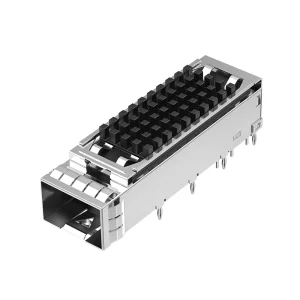
As networks scale to 10G/25G SFP+ and higher form factors like QSFP-DD, the thermal footprint of optical transceivers increases. A single SFP+ transceiver can generate between 1.0W and 2.5W of heat. When multiple modules are configured in a 1x4, 1x6, or 1x8 ganged configuration, the localized thermal load on the PCB increases significantly. Without adequate heat dissipation, transceiver lasers can overheat, resulting in wavelength drift, elevated bit error rates (BER), and reduced operational life.
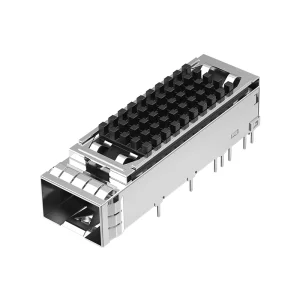
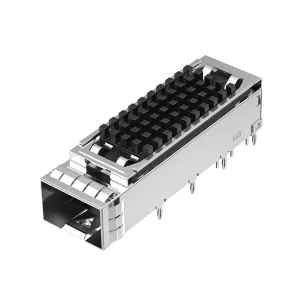
To mitigate these thermal risks, Lumetra designs its ganged port cages with integrated heat sinks. These heat sinks are held in place by low-profile clips that maintain direct contact with the transceiver’s metal casing through a thermal interface material (TIM). We offer several heat sink options designed for specific airflow directions:
When selecting a 1xN ganged SFP+ cage, mechanical engineers must choose between press-fit (compliant pin) and traditional wave solder (THT) attachment styles. The selection depends on the design criteria of the host PCB assembly:
Press-Fit (Compliant Pin): Press-fit pins are designed to deform elastically during insertion into plated through-holes (PTH) in the PCB. This creates a gas-tight electrical and mechanical connection without the need for solder. Press-fit technology prevents thermal shock to high-density multilayer PCBs and simplifies the rework or replacement of damaged cages. It also eliminates solder bridging risks underneath the connector body.
Through-Hole Solder (THT): THT solder joints provide high mechanical retention force, making them suitable for applications subjected to rugged environments, high vibration, or physical pull forces. However, wave soldering requires precise thermal profiles to ensure complete solder wetting without overheating the adjacent surface-mount technology (SMT) components.
Browse our range of SFP+ interconnect cages. These products are manufactured with high-precision copper alloys, optimized for performance and long-term durability. They are fully compatible with industry-standard form factors, serving datacom deployments in Luxembourg and globally.
For procurement professionals and system integrators operating in Europe, sourcing optical hardware requires balancing cost-efficiency with compliance. Electrical components used in European data infrastructure must meet strict environmental and technical standards. Importing parts into the EU, particularly for government-affiliated organizations or financial institutions in Luxembourg, requires compliance with multiple certifications.
All products shipped by Lumetra are fully compliant with RoHS (Restriction of Hazardous Substances) and REACH (Registration, Evaluation, Authorisation and Restriction of Chemicals) directives. Our manufacturing process ensures that hazardous substances, including lead, mercury, cadmium, and polybrominated biphenyls (PBBs), are excluded from our components. Instead, we use lead-free solder alloys and compatible plating materials like nickel, gold, or tin-lead-free options. This ensures long-term reliability and compliance with European Union environmental mandates.
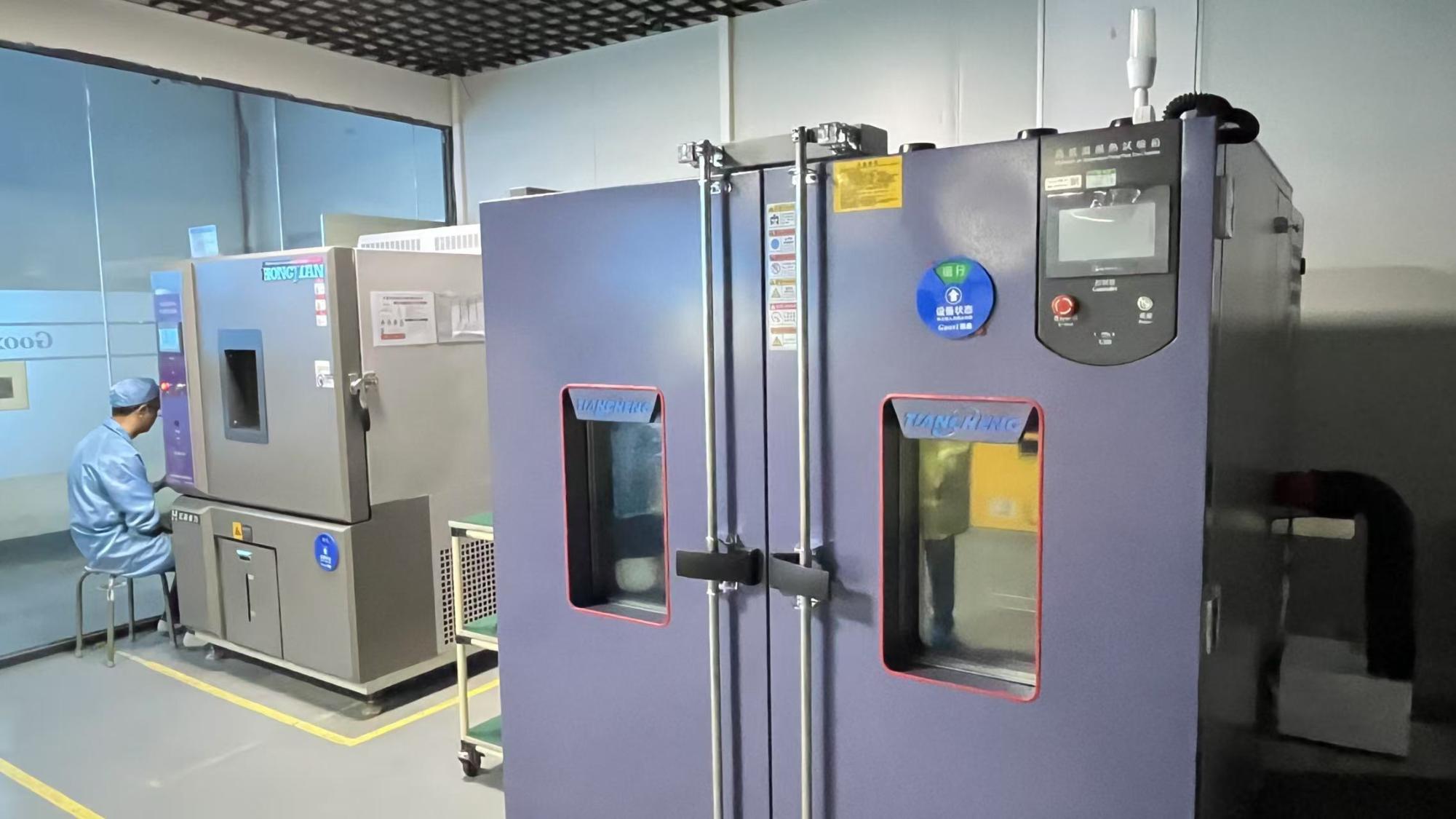
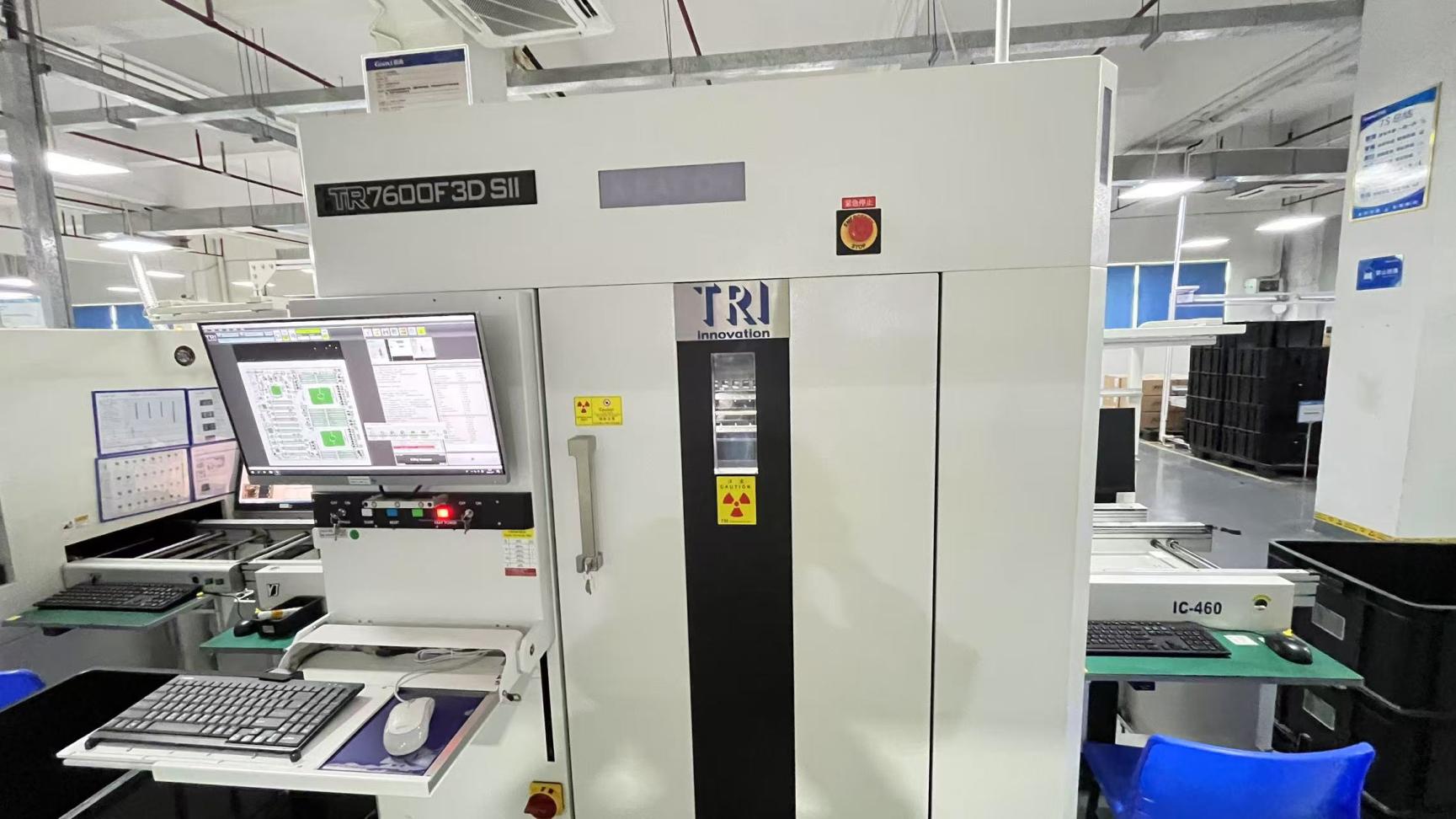
At Lumetra, quality assurance is maintained throughout our manufacturing workflow. Every batch of 1xN ganged port cages undergoes rigorous inspections, including:
Lumetra Optoelectronics Technologies Co., Ltd. is a professional manufacturer specializing in high-speed optical transceivers and fiber optic communication solutions for datacom, telecom, and cloud infrastructure applications. Founded in 2016, the company has developed into a reliable supplier with strong engineering capabilities and global export experience.
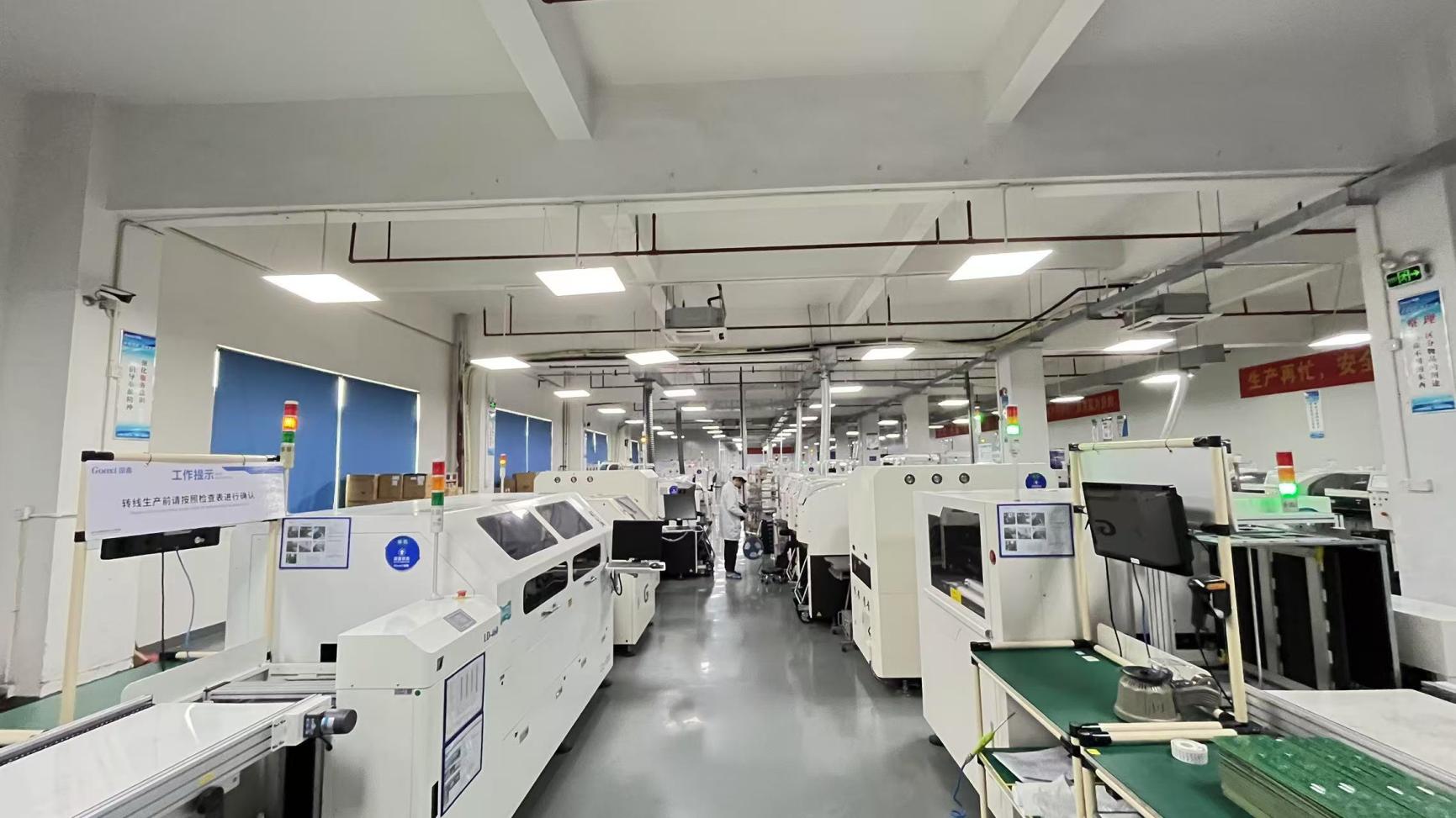
The company operates a production facility covering approximately 8,500㎡, supporting efficient manufacturing and quality-controlled assembly processes. With annual export revenue reaching around USD 18 million, Lumetra has built stable international business channels and accumulated 7 years of export experience, backed by 11 years of overall industry expertise.
Quality assurance is maintained through a combination of automated optical performance testing, environmental stress screening, and manual inspection processes. The quality control team consists of 48 trained inspectors ensuring strict compliance with international standards.
Lumetra maintains a diversified trade background with strong presence in OEM and ODM markets. Its primary markets include North America, Europe, Southeast Asia, and the Middle East, serving telecom operators, data center integrators, and network equipment distributors.
The company collaborates with over 1,200 supply chain partners to ensure stable component sourcing and manufacturing efficiency. Its customer base mainly includes telecom carriers, hyperscale data centers, system integrators, and optical network equipment brands.
With strong R&D capability, Lumetra supports advanced customization including protocol compatibility, wavelength tuning, form factor adaptation, and power optimization. The company employs 86 R&D engineers focused on optical design, hardware development, and signal integrity optimization.
In the past year, Lumetra launched approximately 220 new products, reflecting its continuous innovation in high-speed optical communication technologies.