Lumetra
Lumetra
Lumetra
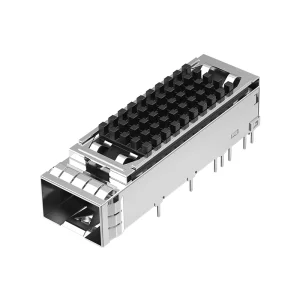
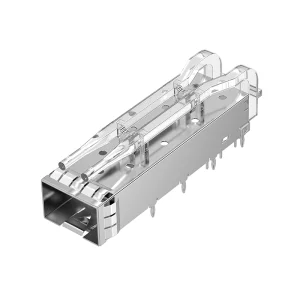
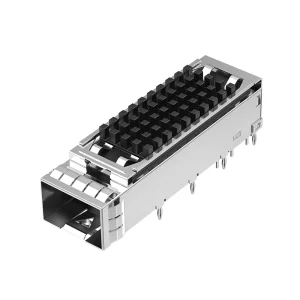
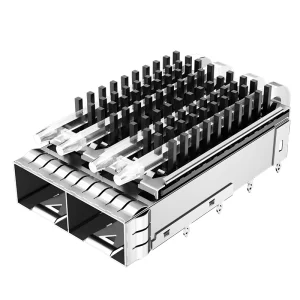
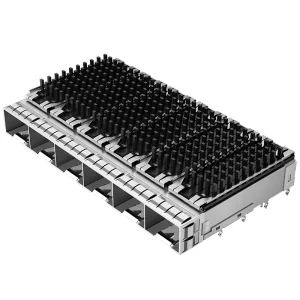
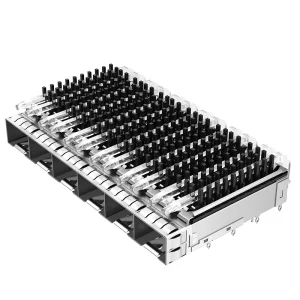
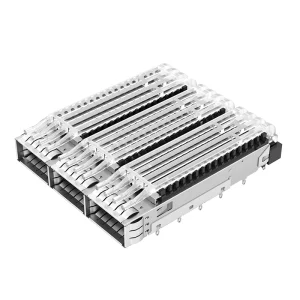
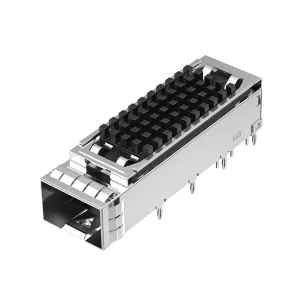
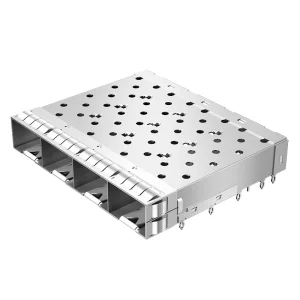
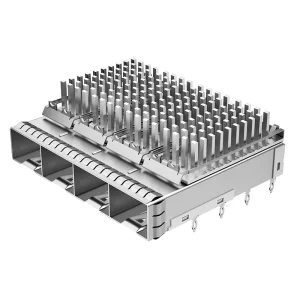
Deploy high-integrity SFP+ assemblies configured explicitly for high-humidity urban switching nodes and localized low-latency network setups. The selection below supports dual-sided heat dissipation profiles suitable for high ambient environments.
The Federal Territory of Kuala Lumpur, encompassing major adjacent technological corridors such as Cyberjaya and Shah Alam, has experienced a tectonic shift in enterprise digital demands. With global cloud operators aggressively scaling hyperscale sites in Malaysia, the demand for underlying physical networks has surged. High-speed networking nodes, core routers, and cloud access aggregation layers require reliable 1xN (Ganged Ports) high-speed SFP/SFP+ transceiver cages to sustain multi-gigabit workloads without signal degradation or heat accumulation.
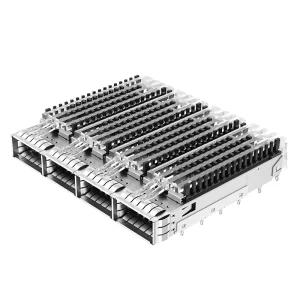
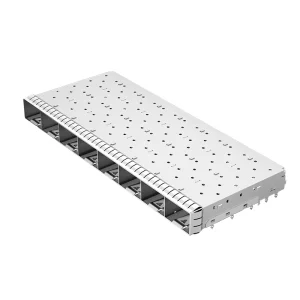
Operating under Malaysia's tropical climate poses specialized challenges. Ambient temperatures inside edge nodes can spike, requiring network architectures to possess highly customized EMI-shielding cages integrated with premium thermal-dissipation heatsinks. Our 1xN architectures (spanning 1x2, 1x4, 1x6, and 1x8 multiport configurations) optimize board space on density-constrained system boards. They allow system integrators across the Klang Valley region to pack maximum port numbers in 1U switch assemblies, facilitating the roll-out of high-density GPON/EPON terminals, base stations, and high-frequency trading networks in KL Sentral.
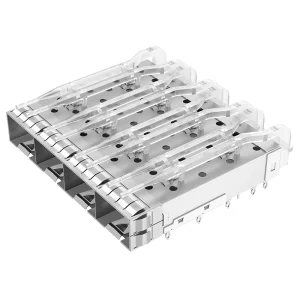
In optical and datacom systems, 1xN ganged ports describe the placement of multiple SFP/SFP+ cage compartments in a single, continuous metal chassis layout. This architecture minimizes structural spacing between ports compared to discrete individual layouts, significantly lowering PCB space consumption. Lumetra’s mechanical and optical engineers work tirelessly to counter the side effects of this spacing compression: Electromagnetic Interference (EMI) leakage and localized heat stagnation.
EMI Containment: Under speeds of 10Gbps to 28Gbps (SFP28), standard signal harmonics generate high-frequency electromagnetic radiation. To prevent inter-port crosstalk and system board errors, our 1xN configurations utilize advanced metal spring fingers and conductive elastomeric gasket materials. They seal any gap between the module and the cage walls, keeping EMI emissions compliant with CISPR 32 Class B limits.
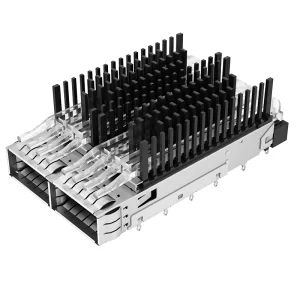
Thermal Management: Higher data density outputs more power per cubic millimeter. Our ganged configurations feature integrated heatsink assemblies, ranging from traditional aluminum fins to high-efficiency custom geometries. Secured by robust spring clips, these heatsinks optimize passive convection, drawing heat away from transceiver microcontrollers and optical diodes. They are essential for continuous operation in the high-humidity, high-heat conditions of Malaysian datacenters.
Choosing the correct physical cage structure depends on port budget, spacing, and system power constraints. This matrix outlines performance metrics across standard configurations.
| Configuration Type | Common Port Counts | EMI Mitigation Level | Thermal Efficiency Rating | Ideal Application Case |
|---|---|---|---|---|
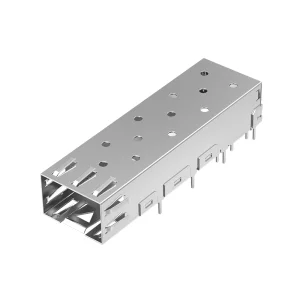
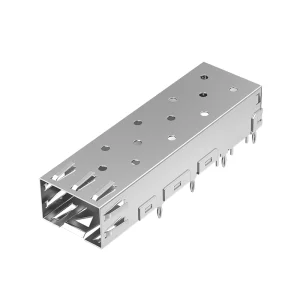
| Single Port (1x1) | 1 Port (e.g. U77-E16E8-2001) | Excellent (Isolated Shielding) | High (Independent Heatsink) | Sub-nodes, Media Converters, Local NICs |
| Dual Port Ganged (1x2) | 2 Ports (e.g. 2198226-2) | Very High | Medium-High | High-Availability Enterprise Routers |
| Quad Port Ganged (1x4) | 4 Ports (e.g. 2110069-1) | High (Gasket & Spring Finger) | Medium (Requires active fan cooling) | Top-of-Rack Switches, Local aggregation nodes |
| Hex/Octal Ganged (1x6 / 1x8) | 6 & 8 Ports (e.g. 2294408-2) | Optimized (Full spring cage) | Coordinated (Advanced Pin-fin thermal sinks) | Hyperscale Backbone Switching Core (KL Centralized) |
Across industrialized areas in Kuala Lumpur, Selangor, and the wider MSC (Multimedia Super Corridor) region, the mechanical selection of connector components directly influences operational uptime. The primary application scenarios for our 1xN (Ganged) cages in this local ecosystem include:
Lumetra Optoelectronics Technologies Co., Ltd. is a professional manufacturer specializing in high-speed optical transceivers and fiber optic communication solutions for datacom, telecom, and cloud infrastructure applications. Founded in 2016, the company has developed into a reliable supplier with strong engineering capabilities and global export experience.
Our facility spans approximately 8,500 square meters, utilizing automated precision assembly systems to ensure the mechanical alignment of every press-fit pin and spring finger contact. Underpinned by 7 years of global export experience and 11 years of deep optical industry expertise, we understand how international standards translate into board-level reliability.
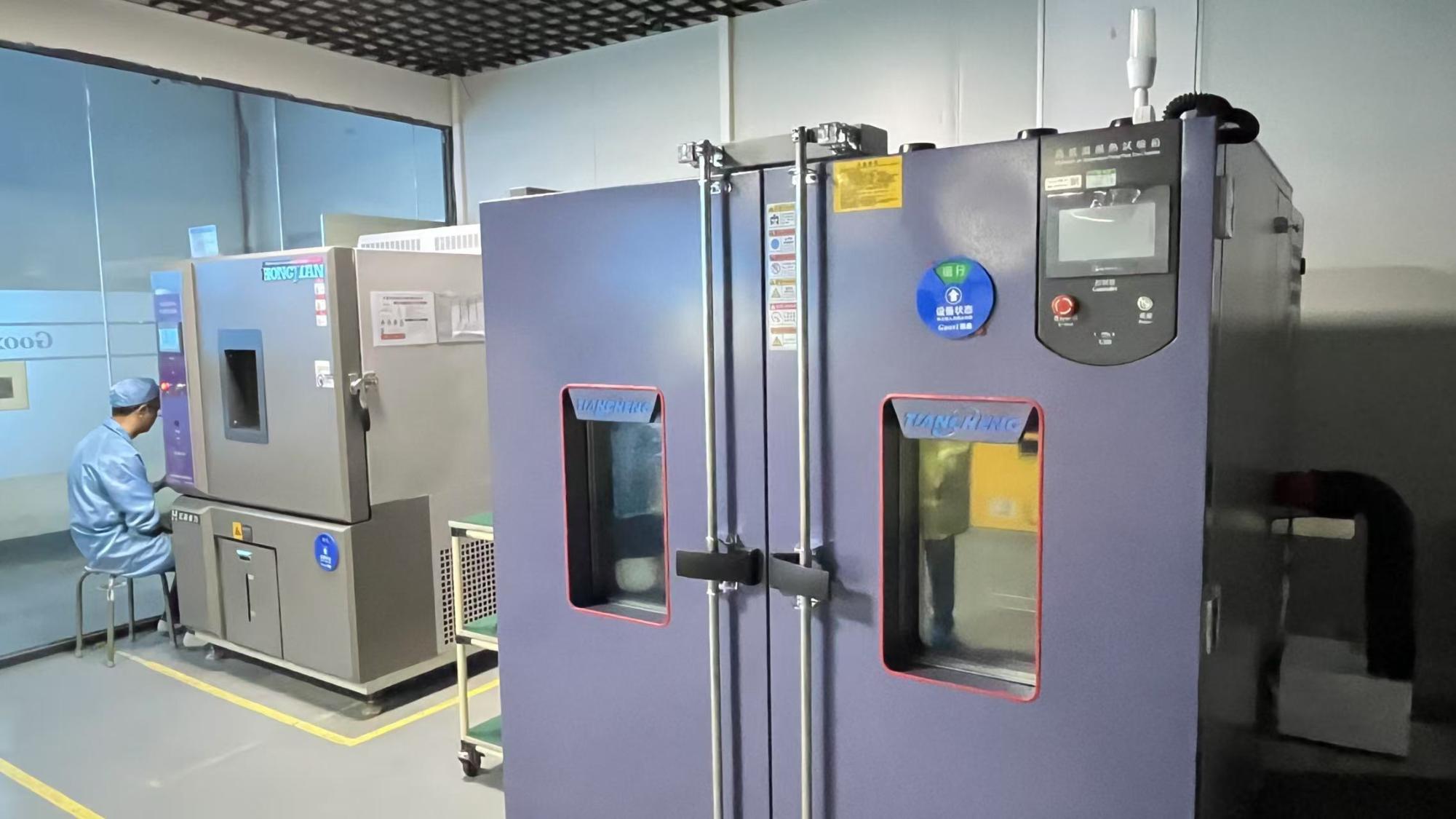
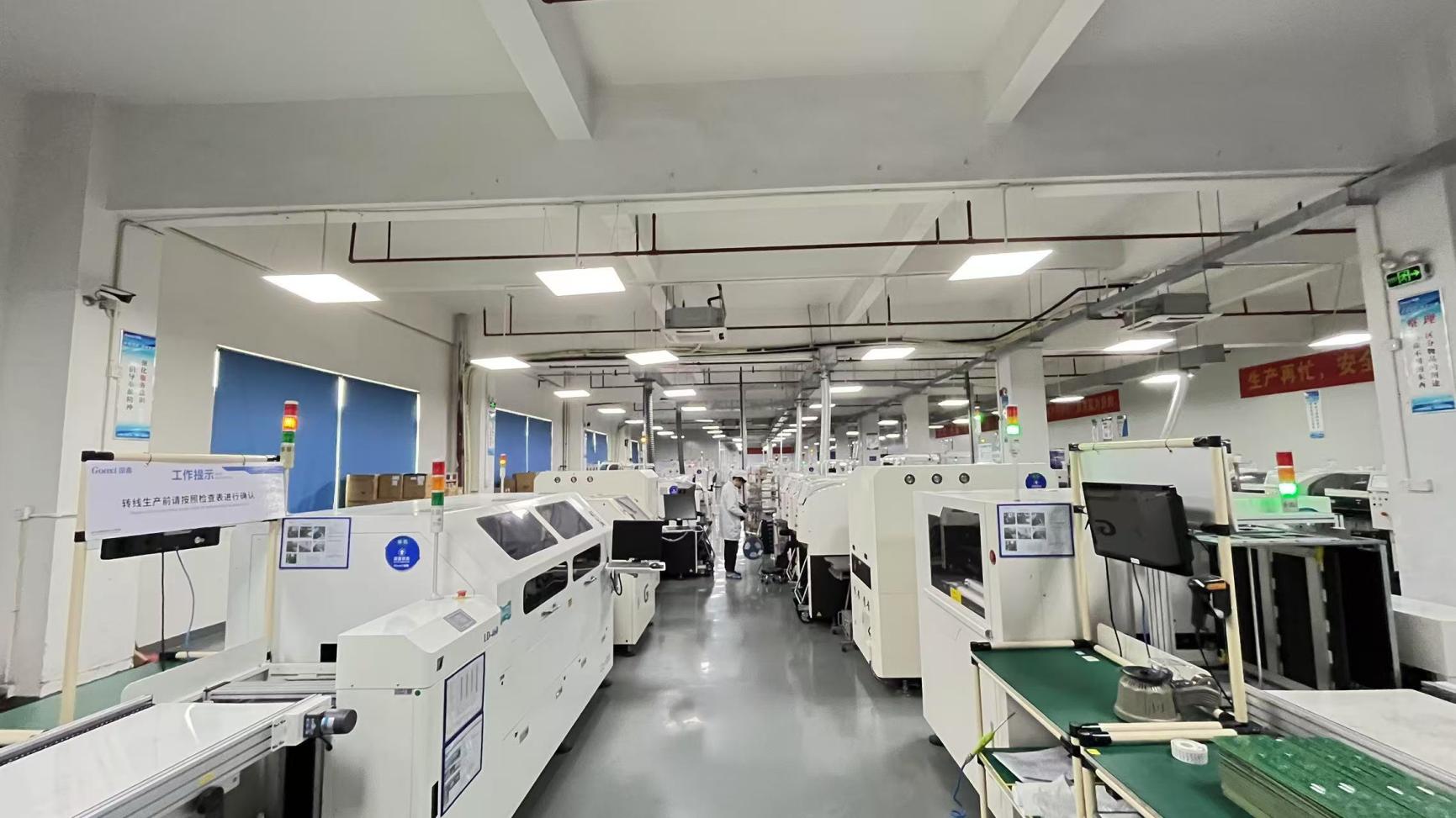
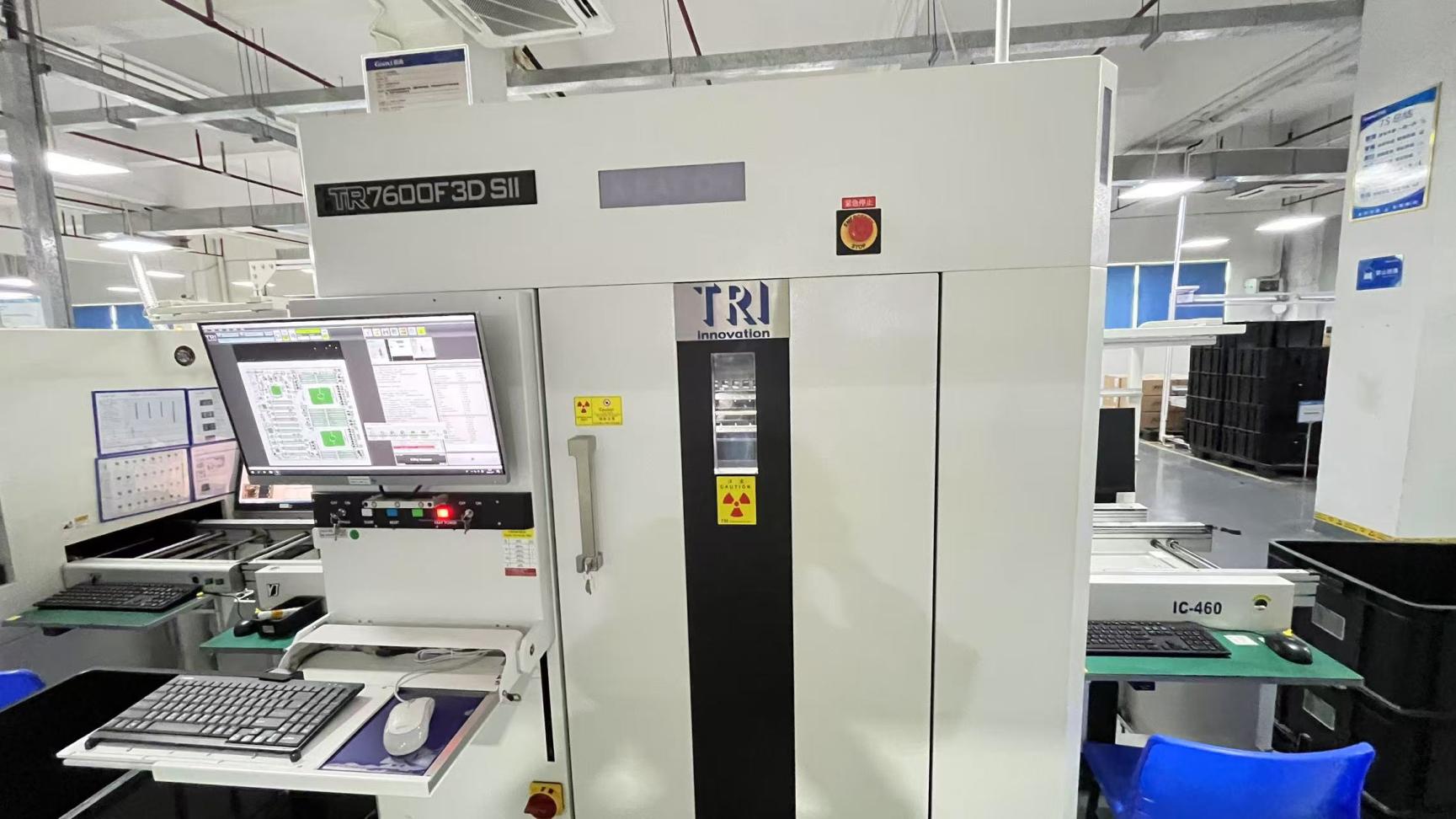
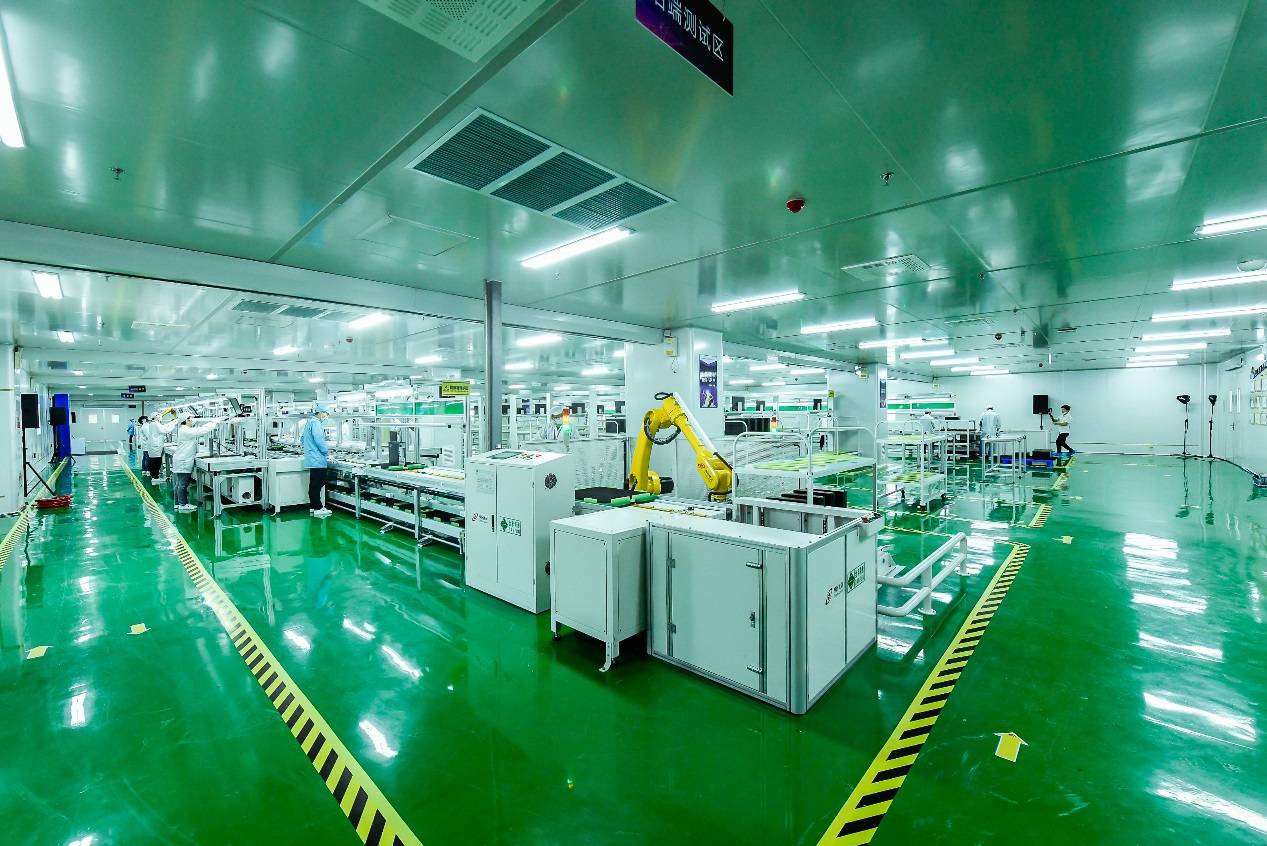
Quality assurance is maintained through a combination of automated optical performance testing, environmental stress screening, and manual inspection processes. Our dedicated quality control team consists of 48 trained inspectors ensuring strict compliance with international standards. Additionally, our 86 R&D engineers design customized cages for custom thermal envelopes, signal paths, and layout heights.
As hardware moves from SFP+ (10G) and SFP28 (25G) toward SFP56 (50G) and SFP-DD (Double Density), interconnect cages must adapt to increasingly tight mechanical tolerance demands. High-density ganged configurations require optimized pin-outs to control return loss, insertion loss, and near-end crosstalk (NEXT).
At 112G and 224G PAM4 transmission speeds, standard PCB tracks act like antennas. System architectures must transition to press-fit cages with improved ground-pin layouts that stabilize the electrical path between the module and host. Our R&D team works closely with partner developers to supply compatible components that fit seamlessly into upgrade roadmaps without necessitating complete motherboard re-designs.
Our comprehensive inventory supports legacy through-hole soldering systems as well as modern solderless press-fit architectures. Ensure high mechanical stability with the specifications detailed below:
Understanding the mechanical and environmental tolerances of multiport interconnects is crucial to maintaining network reliability. Here are detailed responses to common technical questions asked by system integrators.