 Lumetra
Lumetra
Lumetra
Explore our high-performance single-port and ganged multi-port cages, optimized for heat dissipation and electromagnetic shielding parameters within high-density server environments in Western Washington.
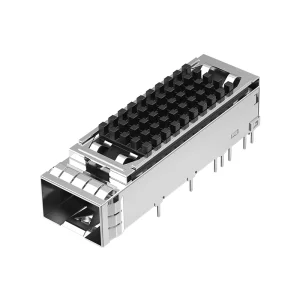
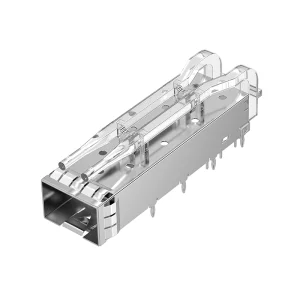
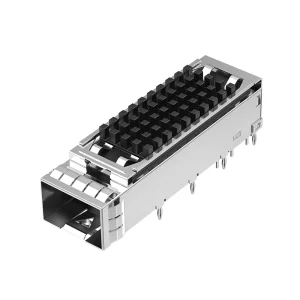
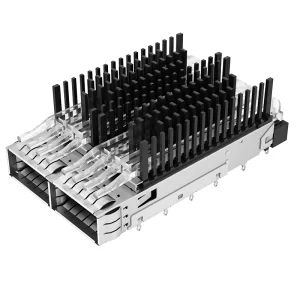
Seattle, Washington stands as one of the preeminent global capitals for cloud computing, advanced software engineering, and regional high-speed networking nodes. Home to the world's largest cloud service providers (CSPs) and the hyper-connected Westin Building Carrier Hotel, the Pacific Northwest infrastructure demands hardware components capable of handling high bandwidth density with zero-fault tolerances.
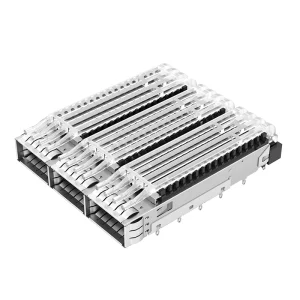
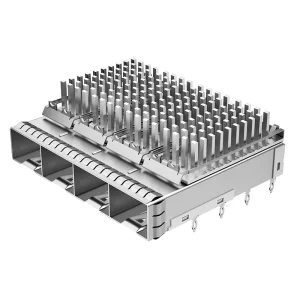
As networks evolve from 10G to 25G and up to 100G per lane, physical interface design becomes a major bottleneck for signal integrity (SI) and thermal dispersion. The 1xN (Ganged Ports) SFP+ and SFP cage layout is critical to resolving these physical layer limitations. By grouping multiple optical transceiver modules into a single, unified metal housing (such as 1x2, 1x4, 1x6, or 1x8 arrays), telecom equipment design engineers can increase port density on networking switch and router system PCBs by up to 80% compared to individual single-port layouts.
1xN (Ganged) cages enable tight port pitches, minimizing PCB edge real estate. This is vital for modern Seattle data centers where rack space costs are premium and high port density directly translates to higher ROI.
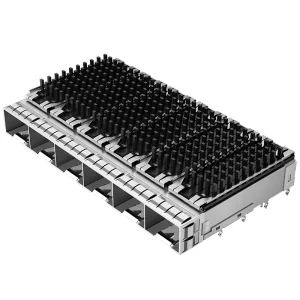
Integrating multi-port configurations requires sophisticated thermal heatsink options (matrix, pin, or fin styles). Lumetra's design ensures optimal airflow across all 1xN channels, eliminating hotspot accumulation in dense fiber switches.
EMI elastomeric gaskets and metallic spring fingers are deployed inside the ganged port architecture to isolate crosstalk between adjacent channels and prevent RF pollution within complex datacenter racks.
As telecommunications standards progress from SFP+ (10G/25G) to SFP28, QSFP, and the latest SFP-DD configurations, hardware designers face complex layout challenges. A critical engineering tradeoff exists between Through-Hole Solder Technology (THT) and Press-Fit (Elastic Pin) designs:
Press-fit connection technology utilizes an elastic, "eye-of-the-needle" pin geometry that establishes a mechanically sound, cold-welded electrical interface when pressed into the plated through-holes of a multilayer PCB. This technology bypasses the thermal shock associated with wave or reflow soldering, facilitating easy assembly, rework, and field maintenance without damaging the circuit card. Conversely, Through-Hole Solder (THT) cages remain highly sought after in ruggedized applications, such as Seattle's aerospace telemetry and marine communications, where high mechanical vibration requires the extreme structural integrity of a solid solder joint.
With transceivers consuming up to 3.5W or more per port, 1xN ganged ports face severe thermal load issues. Modern layout specifications integrate custom heatsinks directly mounted onto the SFP cage frame using clip mechanisms. Lumetra’s design options provide optimized airflow channels that utilize localized system cooling fans, keeping junction temperatures below the 70°C threshold for standard optical transceivers.
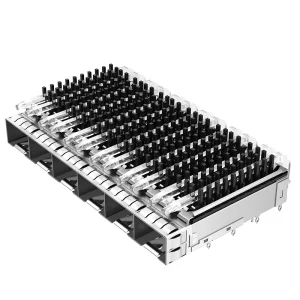
Managing localized status indicators is simplified using integrated PMMA (poly-methyl methacrylate) optical light pipes. By routing the LED status from the host PCB surface to the front bezel profile of the SFP cage, system operators in Seattle enterprise racks can verify link statuses immediately without requiring additional front panel wiring assemblies.
Our 1xN ganged SFP/SFP+ ports are deployed in various industries throughout the Pacific Northwest. Here is where and why local businesses rely on these high-spec interconnect hardware products:
Location: Seattle South / Tukwila / Kent Valley corridor.
Application: Fast deployment of SFP+ and SFP28 1x4 and 1x6 port cages on primary top-of-rack (ToR) switches to route fiber traffic back into the local metro optical ring.
Location: Renton & Everett Manufacturing Hubs.
Application: Heavy-duty THT ganged cages featuring thick metal EMI spring fingers and custom rugged mounting brackets to withstand extreme vibration conditions.
Location: Port of Seattle & Puget Sound Naval Yards.
Application: Corrosion-resistant, nickel-plated cooper alloy SFP cages designed to operate under marine telemetry protocols and high-humidity salt-spray environments.
Lumetra Optoelectronics Technologies Co., Ltd. is an established manufacturer specializing in high-speed optical transceivers, SFP/SFP+ cage hardware assemblies, and custom fiber optic interconnect components. Since our founding in 2016, we have grown to support global OEM/ODM clients with a dedicated facility, deep technical engineering, and extensive export experience.
With 11 years of overall industry expertise and 7 years of global export experience, Lumetra manages an advanced 8,500m² manufacturing facility. We achieve an annual export revenue of approximately USD 18 million. Our manufacturing infrastructure is backed by 86 R&D engineers focused on high-speed hardware architecture, mechanical tolerances, optical modeling, and signal integrity testing.
Quality control is managed at every step of production. Our 48 professional quality inspectors verify dimensional tolerances using automatic optical inspectors (AOI), execute environmental stress screenings (ESS), and perform high-frequency network analyzer measurements. Over the past year alone, Lumetra has released approximately 220 new products, highlighting our commitment to high-speed optical hardware innovation.
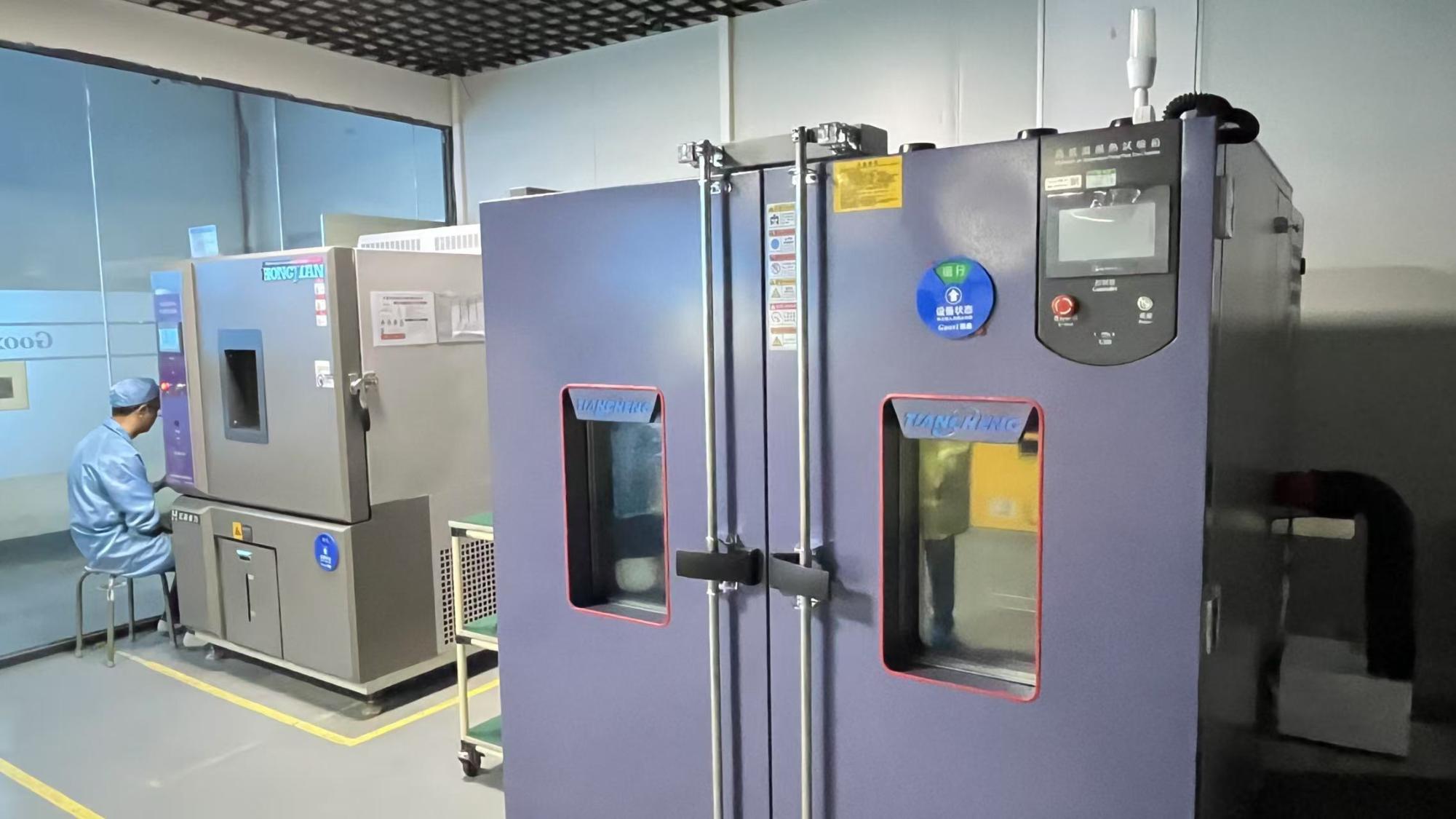
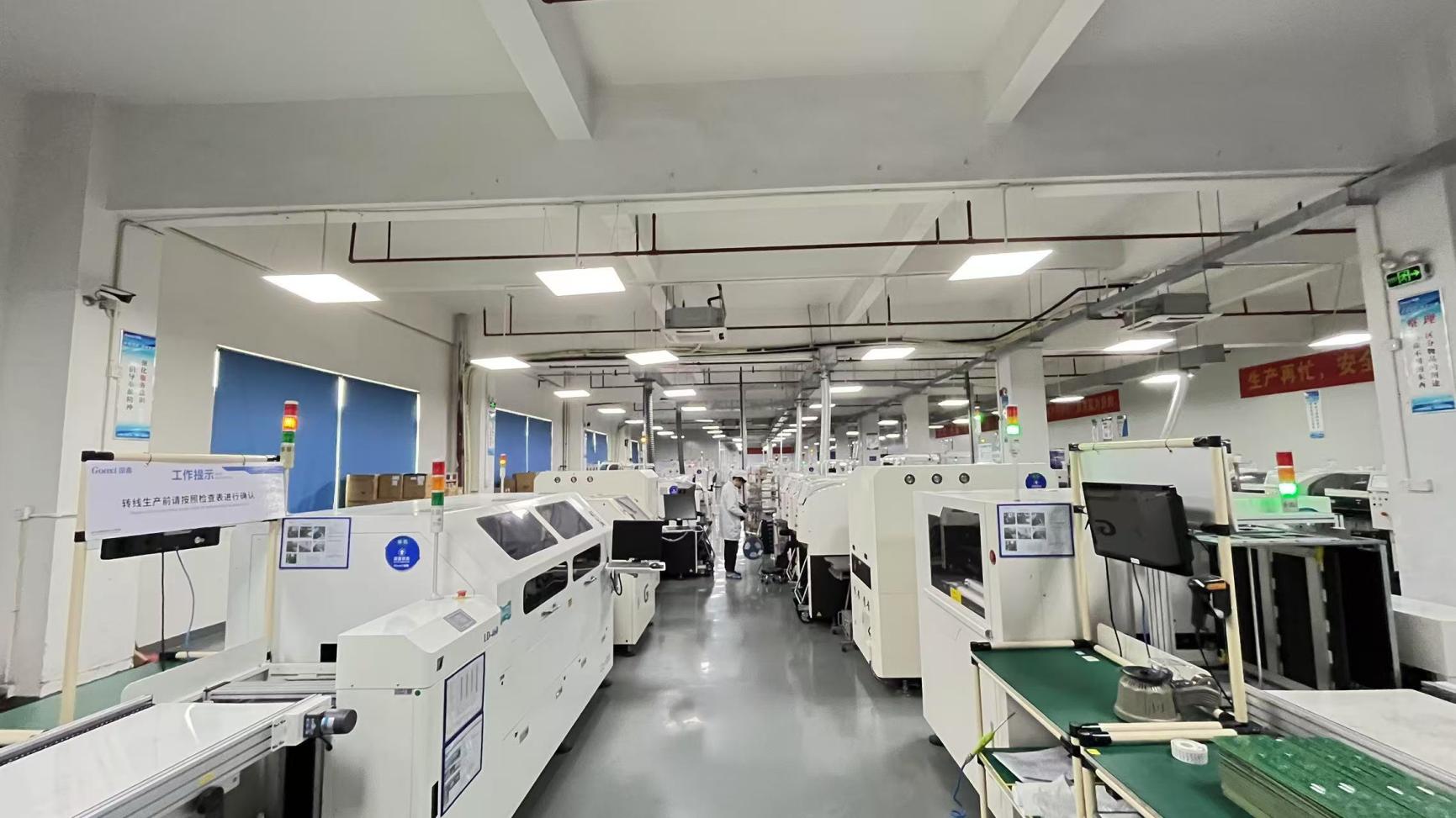
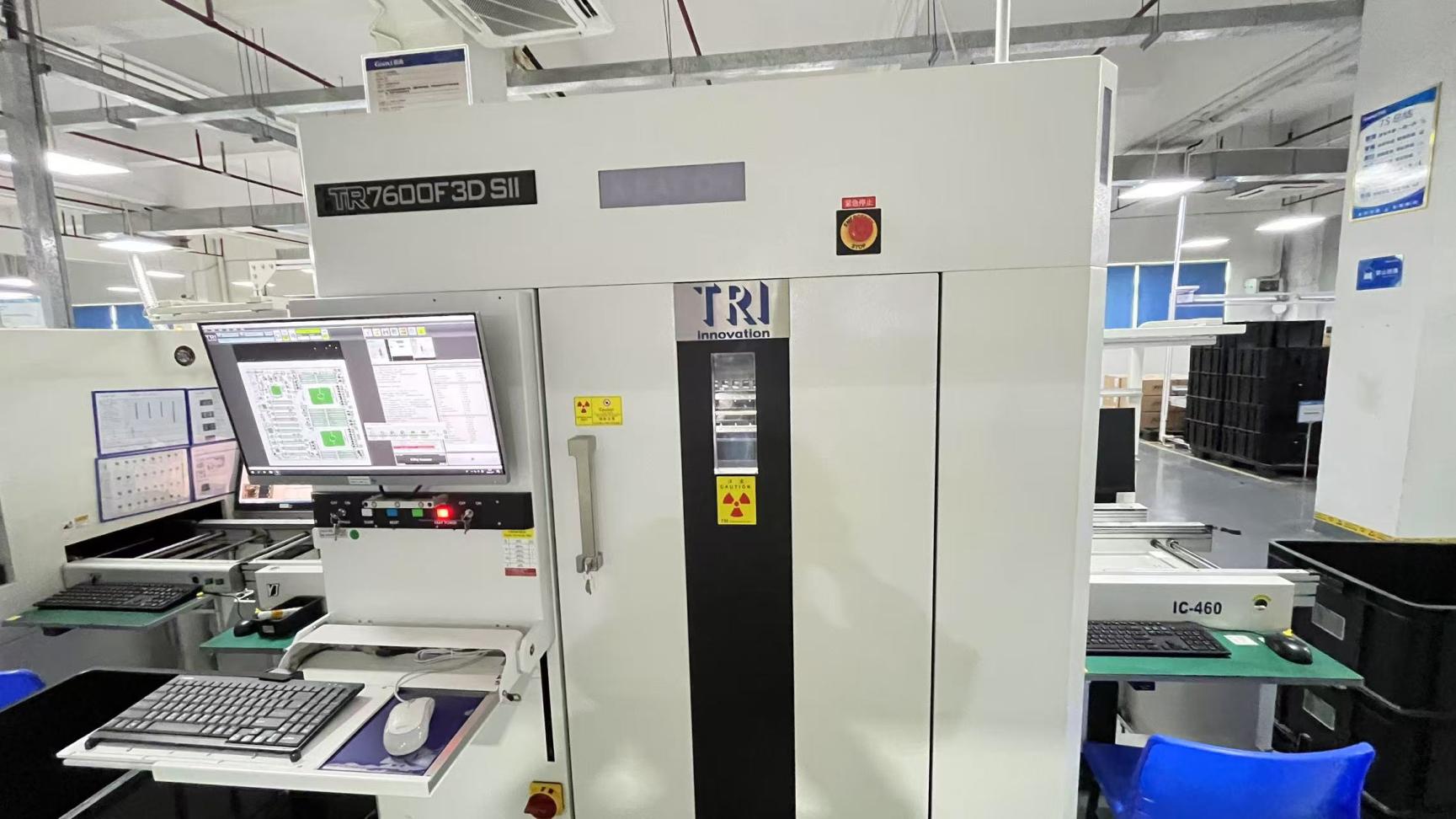

The global logistics landscape requires robust planning, raw material safety stocks, and rapid prototyping capabilities. Lumetra maintains strategic partnerships with over 1,200 supply chain partners within our local production ecosystems. This allows us to source copper alloys, custom heatsink assemblies, and specialized plastics quickly, ensuring stable pricing and reliable delivery.
For our buyers in Seattle and the broader North American market, this localized supply network offers distinct advantages:
Our products are designed, tested, and manufactured in compliance with international telecom standards to ensure seamless integration into Seattle's complex network ecosystems:
Ensuring environmental compatibility, flame retardancy, and lead-free electrical contact surfaces.
Guaranteed mechanical dimensions and electrical parameters for full compatibility with global transceiver brands.
Remote technical support, 3D CAD modeling checks, and crosstalk analysis for Washington-based engineering teams.
Our multi-port SFP/SFP+ solutions feature integrated EMI shielding, light pipe configurations, and optimized thermal performance. Select a model to access detailed engineering drawings and documentation:
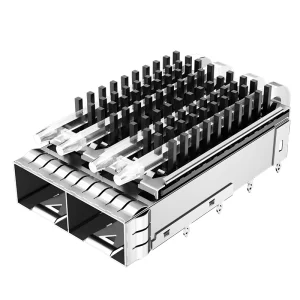
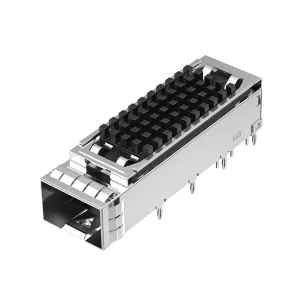
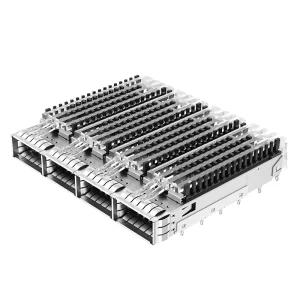
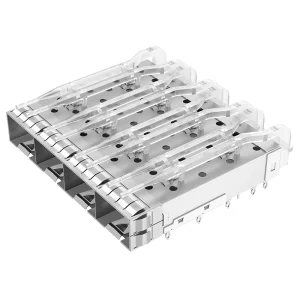
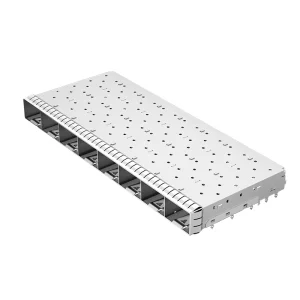
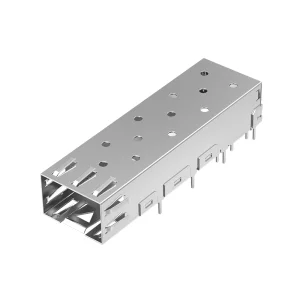
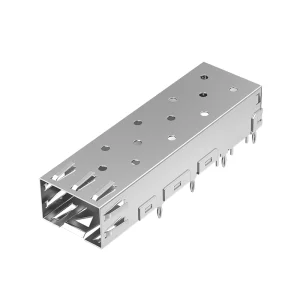
To ensure complete network design versatility across all legacy and specialized hardware deployments, we maintain active production on these single-port SFP cage models. These are fully compatible with industry-standard form factors:
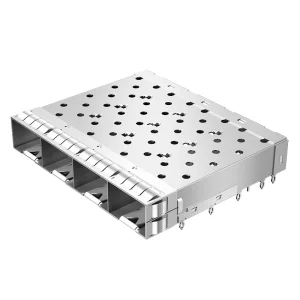
Technical guidance on selecting, implementing, and deploying 1xN ganged ports SFP+ cages inside modern network switch architectures.