Lumetra
Lumetra
Lumetra
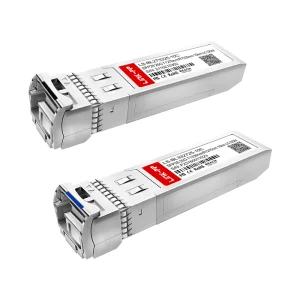
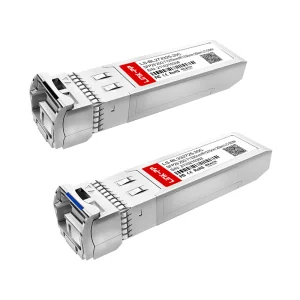
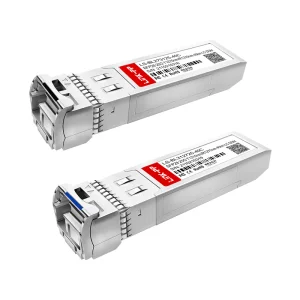
High-performance 25G SFP28 optical modules compatible with major OEMs, optimized for telecommunication and corporate cloud infrastructures across Colombia.
A Whitepaper on Colombia's Transition to High-Bandwidth Optical Infrastructure
Colombia has emerged as one of the fastest-growing telecommunication markets and digital hubs in the Latin American region. Spearheaded by the Ministry of Information Technologies and Communications (MinTIC) and fueled by aggressive infrastructure investments, the country is undergoing a profound digital transformation. The completion of the 5G spectrum auction in late 2023 unlocked a massive wave of infrastructure expansion. Operators like Claro, Movistar, Tigo, and WOM are rapidly deploying new 5G base stations, requiring a robust optical fiber backbone capable of supporting high-speed, low-latency data transmission.
Bogota and Medellin have become primary hotbeds for hyperscale and colocation data center deployments, driven by international providers looking to serve the Andean region. Modern digital workloads—ranging from cloud storage, fintech operations (such as Bancolombia and Banco de Bogotá core systems), to AI-driven industrial analytics—have pushed traditional 10G networks to their absolute physical limits. The shift towards 25G and 32G SFP28 optical modules is no longer optional; it is the fundamental technological step needed to avoid bandwidth bottlenecks in both metropolitan area networks (MANs) and enterprise data environments.
The network architecture of optical transceivers is evolving to optimize cost, power consumption, and port density. The 25G SFP28 (Small Form-factor Pluggable 28) transceiver is designed based on the 100G (4x25Gbps) technology model. It provides a direct path to higher speeds by utilizing a single-lane 25Gbps physical channel, bypassing the complex and expensive multi-lane structures of older modules. For Colombian telecom operators, SFP28 represents a significant reduction in CAPEX and OPEX compared to aggregating multiple 10G SFP+ lines.
Concurrently, the banking and financial sectors in Colombia are standardizing their storage area networks (SAN) around 32G Fibre Channel (FC) SFP28 technology. 32G FC SFP28 modules support backward compatibility with 16G and 8G FC protocols, providing a seamless upgrade path for enterprise servers and SAN switches. This technology ensures zero-packet-loss storage replication and low-latency database access, which is crucial for transactional integrity in high-frequency banking applications.
Global supply chain predictability has become a priority for procurement teams. Chinese manufacturing centers have transitioned from high-volume assembly to automated "Factory 4.0" systems. Lumetra Optoelectronics leads this transition by integrating advanced automation throughout its production line. Automated optical alignment, real-time bit error rate (BER) monitoring, and digital tracking systems ensure that every 25G/32G SFP28 module is calibrated to meet rigorous performance standards.
Lumetra operates an 8,500㎡ manufacturing facility designed to minimize production variations. Quality control is integrated into every stage of production, supported by 48 quality control inspectors and a dedicated team of 86 R&D engineers. By sourcing directly from a vertically integrated manufacturer, Colombian system integrators and telecommunication firms can bypass intermediaries, secure stable lead times, and access highly customized OEM/ODM options. These include customized firmware configurations for compatibility with Cisco, Juniper, Huawei, and Mikrotik equipment, as well as specific wavelength tuning for CWDM/DWDM systems.
Colombia's diverse geography presents unique challenges for optical networking hardware. The high altitude of Bogota (2,640 meters) affects heat dissipation, requiring modules with low power consumption and high thermal efficiency to prevent overheating. In contrast, coastal regions like Barranquilla and Cartagena present high humidity and salinity levels, which can accelerate the corrosion of exposed electronic components.
Our 25G/32G SFP28 modules are designed with these harsh conditions in mind. We offer industrial temperature grade transceivers (-40°C to 85°C) constructed with anti-corrosion gold-plated pins and hermetically sealed optical sub-assemblies (TOSA/ROSA). These features ensure stable performance for key deployments in Colombia:
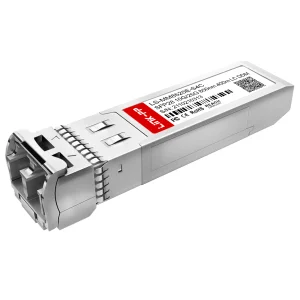
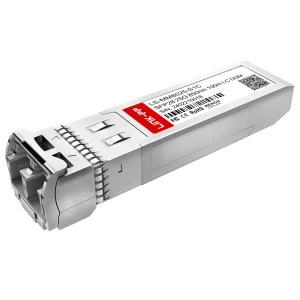
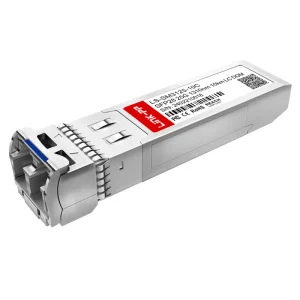
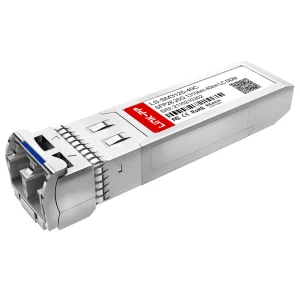
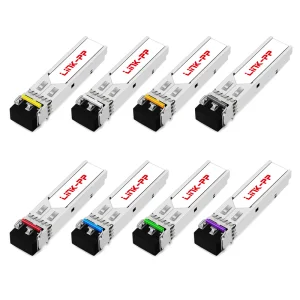
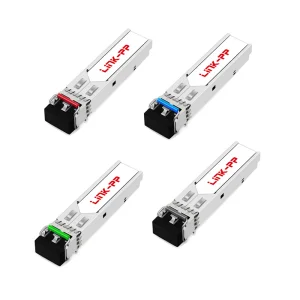
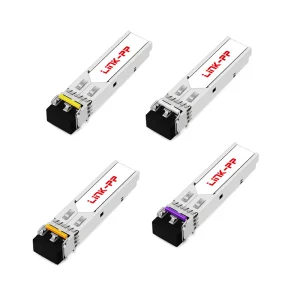
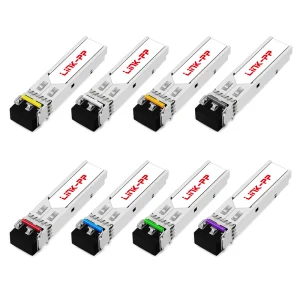
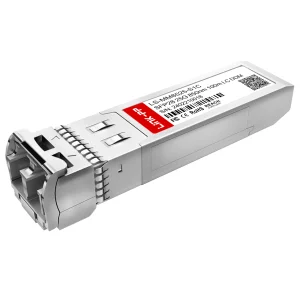
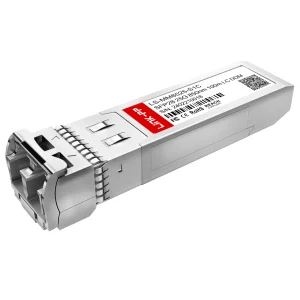
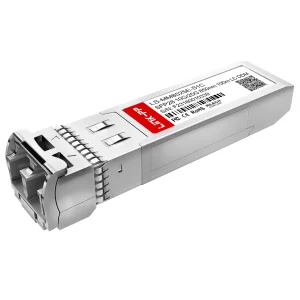
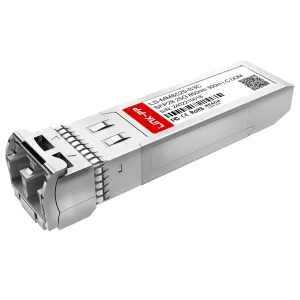
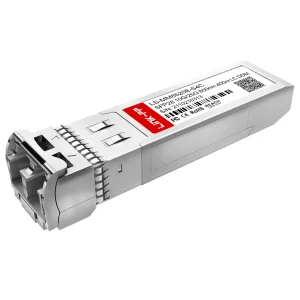
The complete selection of standard, CWDM, DWDM, and dual-rate SFP28 modules, ready for integration into Colombian networks.
A look into our manufacturing operations, engineering standards, and international logistics services.
Lumetra Optoelectronics Technologies Co., Ltd. is a specialized manufacturer of high-speed optical transceivers and fiber optic communication components for telecom networks, cloud infrastructures, and enterprise data environments. Since our founding in 2016, we have grown into a global supplier with deep technical engineering experience and international export capabilities.
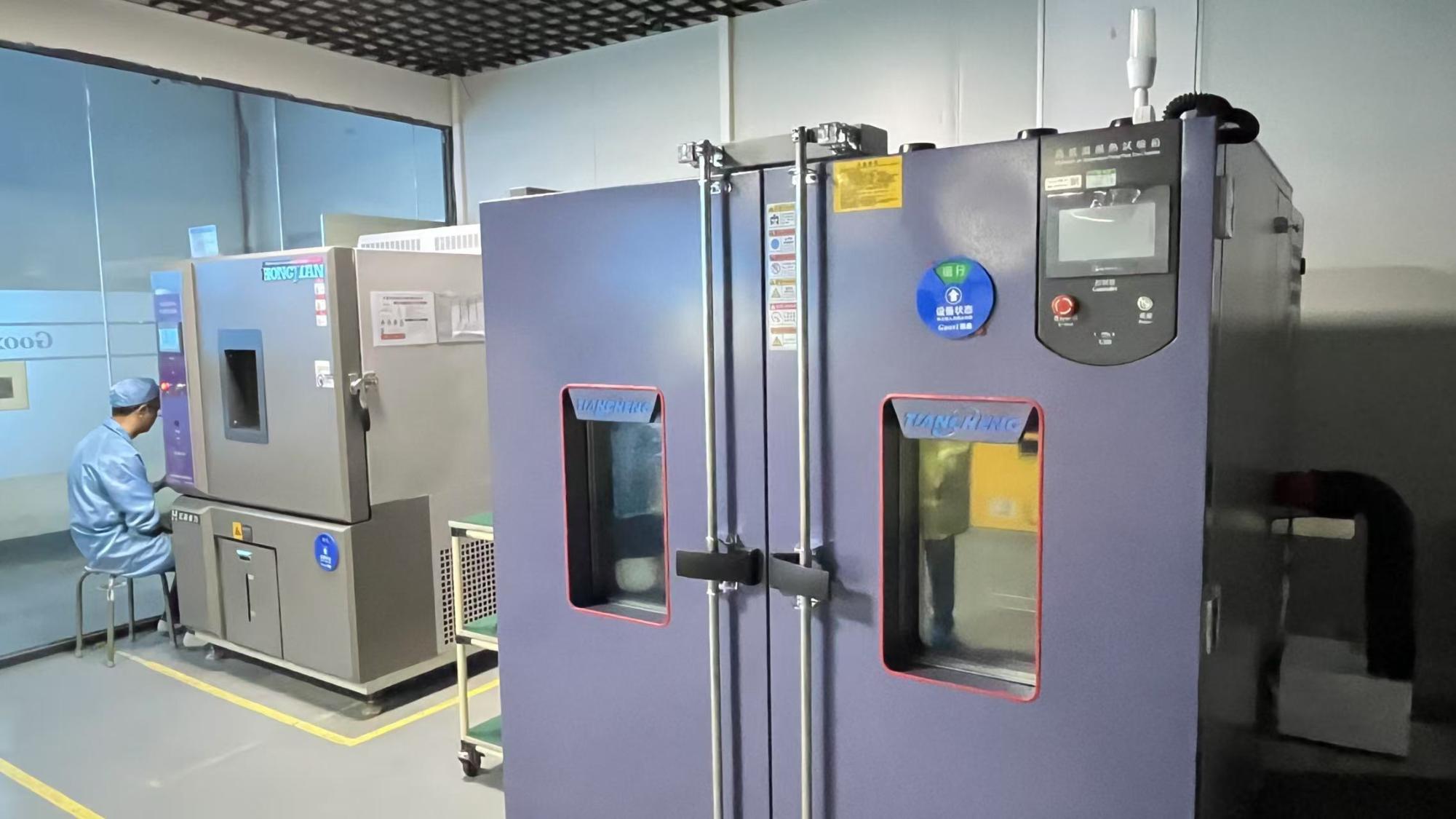
Our manufacturing operations are based in an 8,500㎡ facility equipped with automated production and testing lines. Backed by 11 years of industry experience and 7 years of export history, we generate approximately USD 18 million in annual export revenue. Our team of 48 quality control inspectors manages testing protocols, including automated optical characterization and temperature cycle testing.
With a research group of 86 R&D engineers, we support specialized customization requests for clients in North America, Europe, Southeast Asia, and South America, including Colombia. We provide custom configurations for specific wavelengths, transmission distances, and physical interface standards to meet the requirements of modern network projects.



Contact our sales and engineering team today to request data sheets, custom coding options, and bulk pricing structured for Latin American telecom operators and system integrators.