Lumetra
Lumetra
Lumetra
Engineered for full compatibility with Cisco, Juniper, and regional Japanese network topologies.
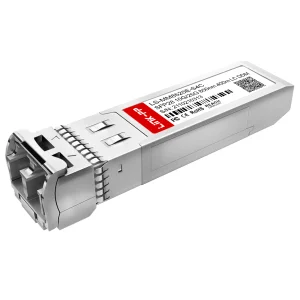
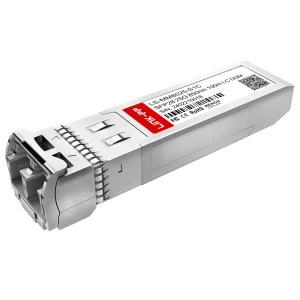
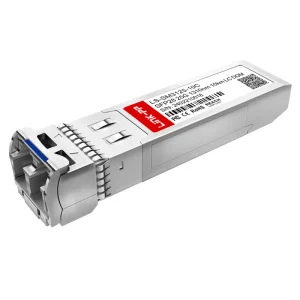
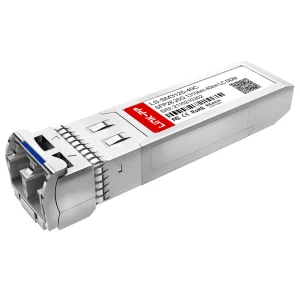
The Tokyo Metropolitan Area stands as one of the world's most dense digital corridors. With hyperscale data center clusters expanding rapidly across Chiba (Inzai Area), Kanagawa, and the downtown financial hubs of Otemachi and Nihonbashi, network architects are facing an unprecedented challenge: scaling bandwidth while reducing physical footprint and energy overhead. The deployment of 25G SFP28 and 32G SFP28 optical modules has transitionally replaced legacy 10G SFP+ links, becoming the backbone interface standard for modern server access layers.
In Tokyo's financial networks, particularly those operating near the Tokyo Stock Exchange (TSE), microseconds translate to millions of yen. Our 25G SFP28 transceivers are configured with optimized silicon photonic architectures that minimize packet propagation latency. Furthermore, under Japan's energy efficiency mandates, data centers must lower PUE (Power Usage Effectiveness) ratings. Lumetra’s 25G SFP28 series operate efficiently under 1.0W per port, directly assisting enterprise IT infrastructures in meeting green standards.
Globally, the optical communications market is transitioning rapidly toward 100G, 200G, and 400G spine-leaf architectures. In this scheme, 25G SFP28 acts as the pivotal endpoint connection (server-to-ToR switch), leveraging a single-lane 25Gbps SerDes path. Unlike legacy systems that bundle four 10G lanes to achieve high speeds, a single-lane 25G link significantly reduces system power requirements, routing complexity, and cost. For storage area networks (SANs), the 32G SFP28 (operating at 28.05 Gbps Fibre Channel speeds) provides the necessary bandwidth for high-throughput flash storage and solid-state arrays, guaranteeing seamless database access in enterprise systems.
Understanding the distinction between 25G Ethernet standards and 32G Fibre Channel applications is critical for correct procurement decisions. Below is the compatibility and hardware mapping reference engineered by our R&D team:
| Module Type | Protocol / Standard | Max Data Rate | Laser Source | Typical Reach | Primary Application |
|---|---|---|---|---|---|
| 25G SFP28 SR | IEEE 802.3by / 25GBASE-SR | 25.78 Gbps | 850nm VCSEL | 100m (OM4 MMF) | Intra-rack server-to-switch connectivity |
| 25G SFP28 LR | IEEE 802.3cc / 25GBASE-LR | 25.78 Gbps | 1310nm DFB | 10km (SMF) | Tokyo metro rings, local enterprise backbones |
| 25G SFP28 BiDi | IEEE 802.3cc / SFF-8402 | 25.78 Gbps | 1270nm/1330nm Tx/Rx | 10km - 40km (SMF) | 5G Open-RAN fronthaul fiber optimization |
| 32G SFP28 FC | INCITS 28GFC / 32GFC | 28.05 Gbps | 850nm / 1310nm | Up to 10km | Storage Area Networks (SAN), NVMe-over-Fabrics |
Under Japan's digital plan, major telecommunication carriers like NTT Docomo, KDDI, SoftBank, and Rakuten Mobile are expanding their 5G Open-RAN networks. SFP28 BiDi (Bidirectional) modules are central to these infrastructures. By transmitting and receiving over a single strand of fiber, Tokyo’s metropolitan telecom networks can double their fiber capacity instantly without incurring civil engineering expenses for new conduit runs. Our modules are designed to sustain operation under broad industrial temperatures (-40°C to +85°C), making them ideal for outdoor pole-mounted remote radio units (RRUs).
Providing direct answers to essential engineering and logistical questions for Japanese system integrators.
Our transceivers undergo rigorous EEPROM configuration and real-world system testing. We maintain a database of original host systems (including Cisco, Juniper, NEC, and Fujitsu hardware) at our R&D lab to verify that our optical transceivers report matching vendor IDs and DDM/DOM parameters. This ensures seamless initialization without warning flags.
All our SFP28 modules undergo a multi-stage quality assurance protocol. This includes automated optical performance testing, dynamic temperature stress testing, and signal integrity evaluation on high-frequency oscilloscopes to guarantee low jitter. Our focus on physical layer performance prevents bit errors that can cause link drops or latency spikes.
Yes, all products comply with RoHS, CE, FCC, and regional Japanese VCCI standards. We utilize lead-free components and low-power chipsets to support sustainability standards in green data center facilities.
Lumetra employs 86 R&D engineers specialized in optical design and firmware development. We offer OEM/ODM services, including customized EEPROM programming, protocol tuning, wavelength mapping, and thermal dissipation upgrades to match unique custom network requirements.
Delivering high-speed optical transceivers and fiber optic communication solutions globally since 2016.
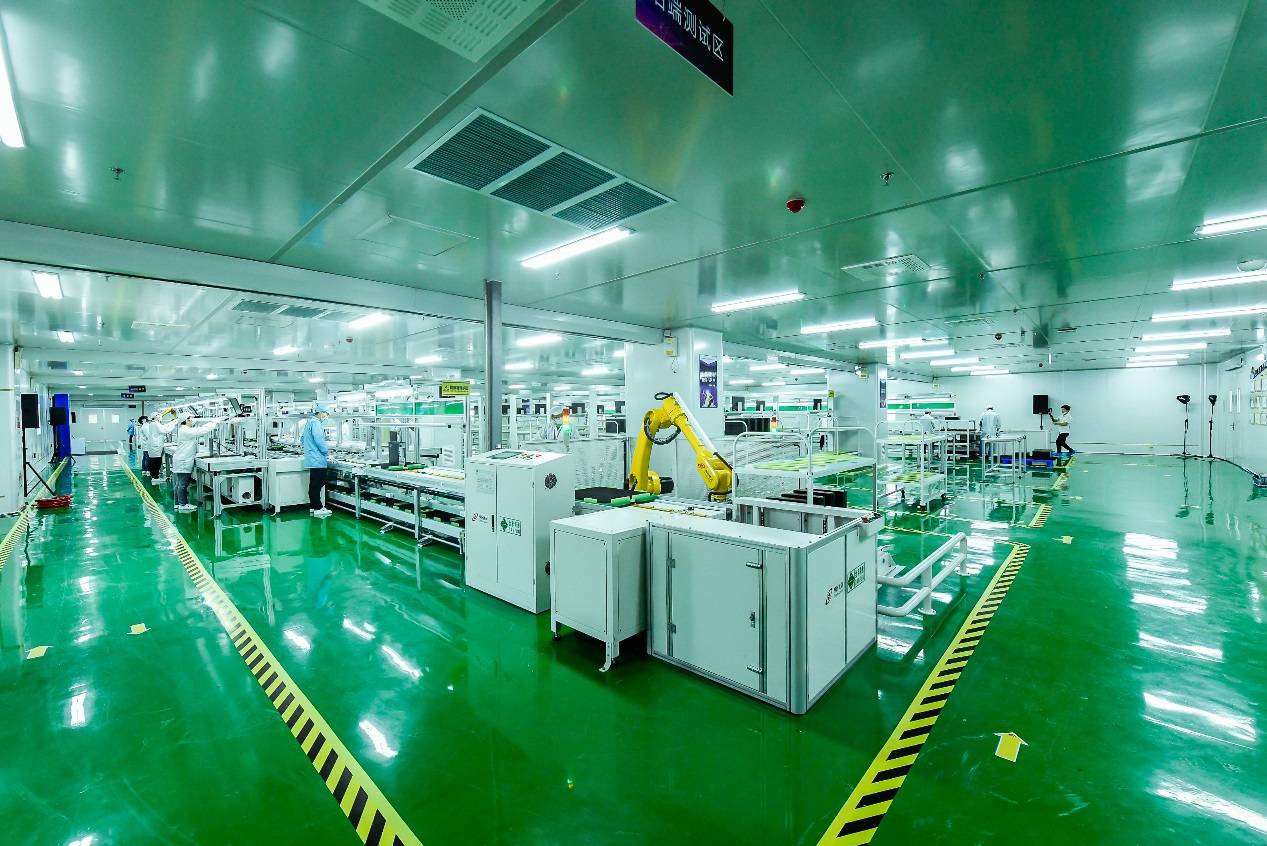
Lumetra Optoelectronics Technologies Co., Ltd. operates a high-standard manufacturing facility covering 8,500㎡. Utilizing advanced automated optical testing and environmental stress screening, our quality assurance team of 48 inspectors ensures every module conforms to enterprise requirements before dispatch. With over 7 years of export history and a strong network of 1,200 supply chain partners, we provide reliable component sourcing and production stability to meet critical B2B deployment schedules.
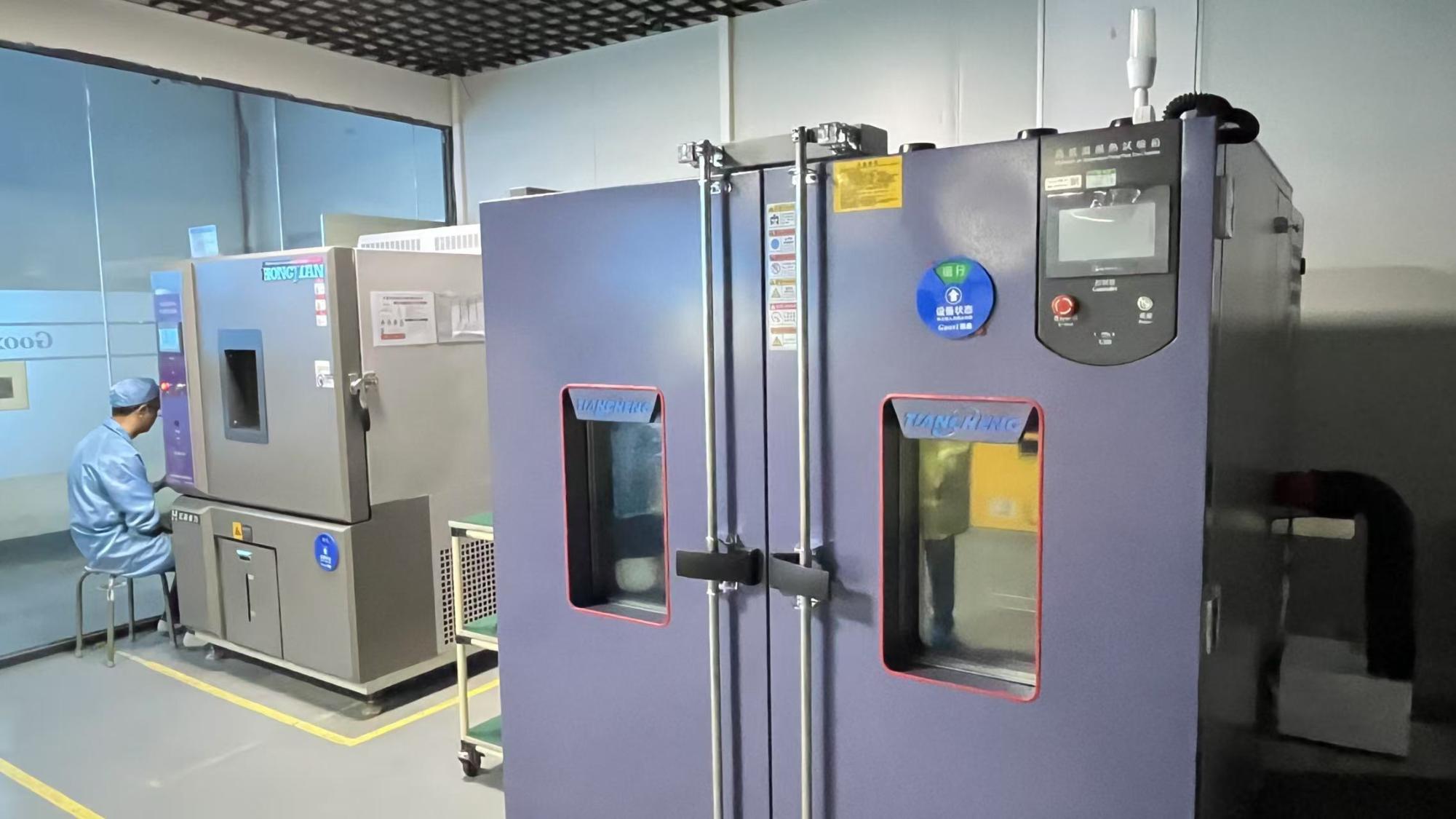
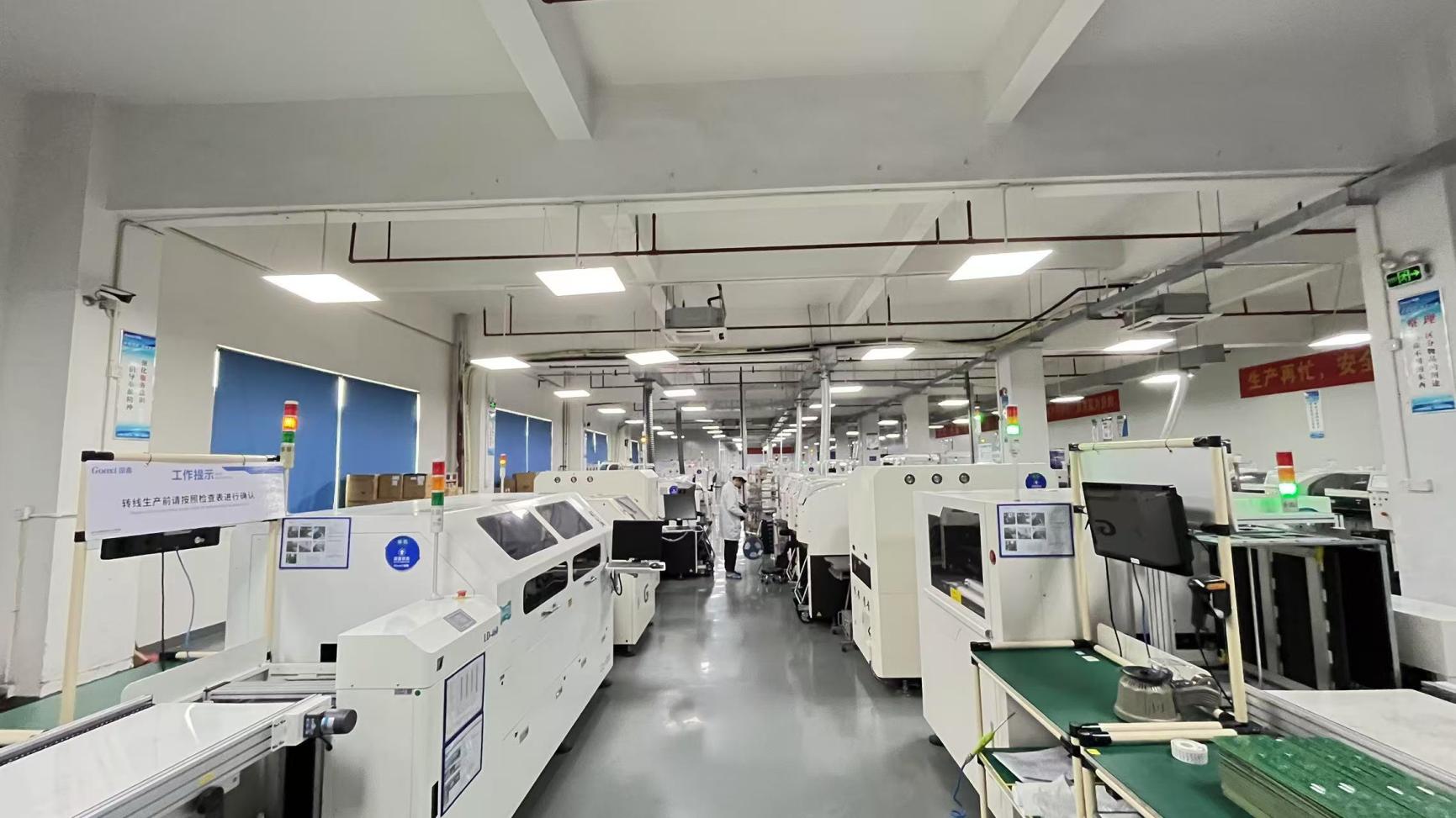
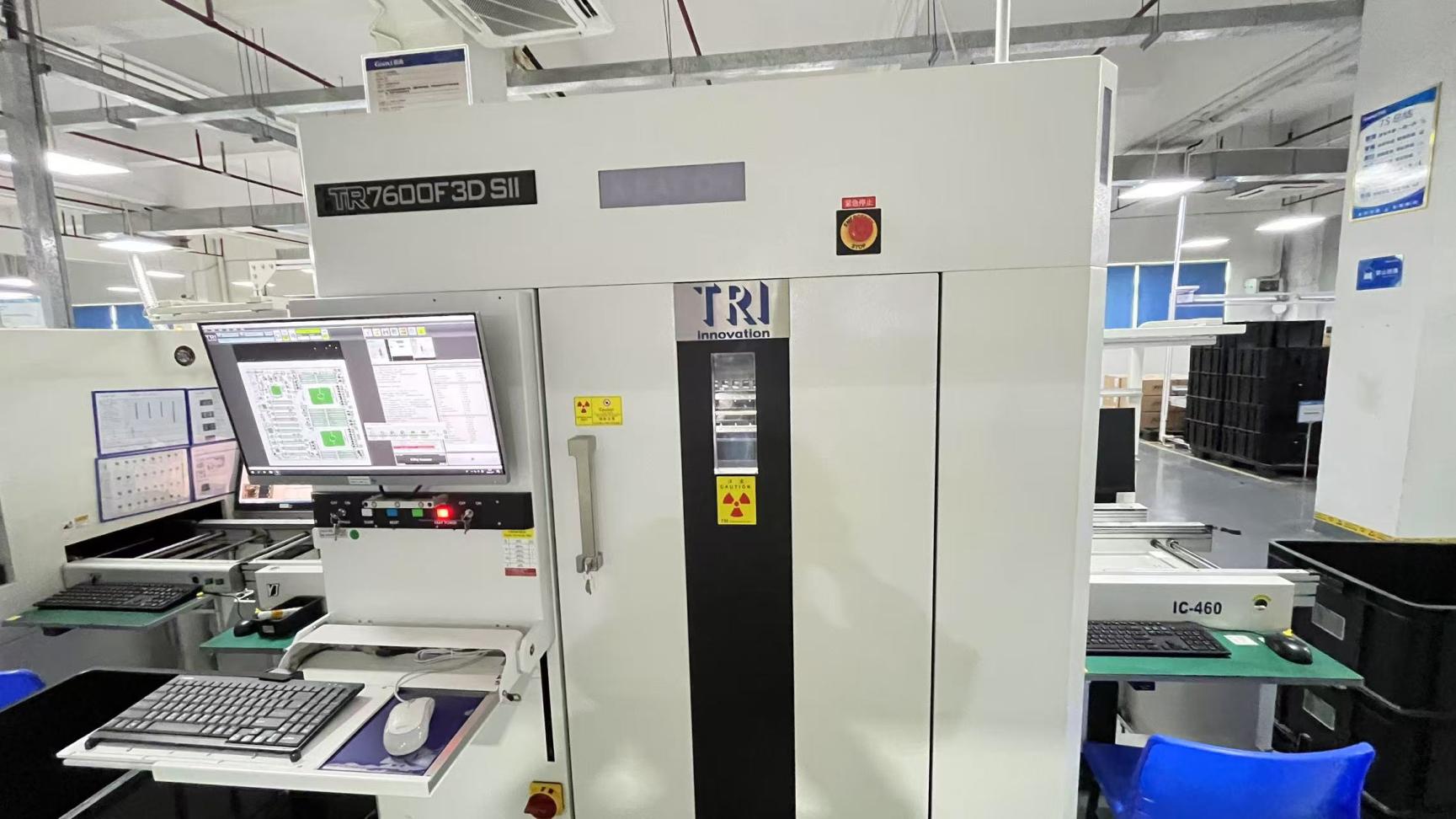
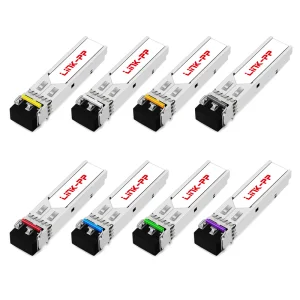
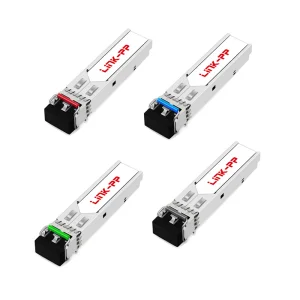
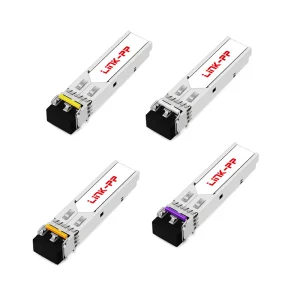
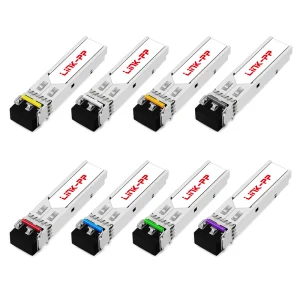
A comprehensive catalog of Single-Mode, Multi-Mode, BiDi, CWDM, and DWDM solutions for the Tokyo enterprise market.
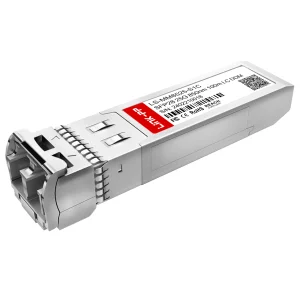
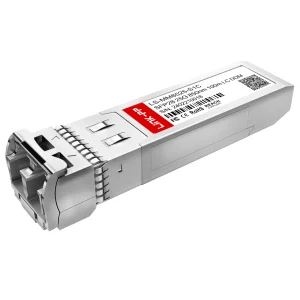
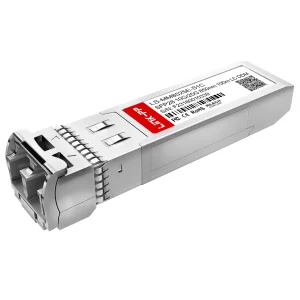
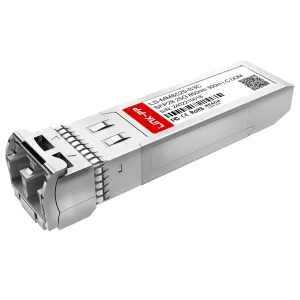
Optimize your infrastructure performance. Request detailed specifications, compatibility matrices, and enterprise pricing for Japanese deployments.
Send Inquiry Now