Lumetra
Lumetra
Lumetra
Engineered for high-density routing cards and low-latency switches. These configurations are deployed across Chicago's primary hyperscale and enterprise interconnect nodes.
As transmission data rates accelerate from 10G/25G to 100G and beyond, system designers face a critical spatial bottleneck on the line card. High-density telecommunication systems require robust, high-performance connectors that maximize port density without compromising signal integrity.
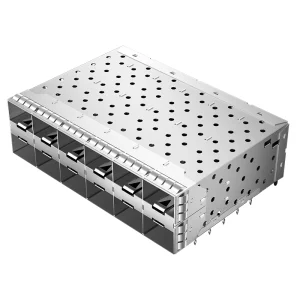
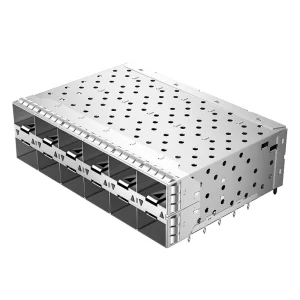
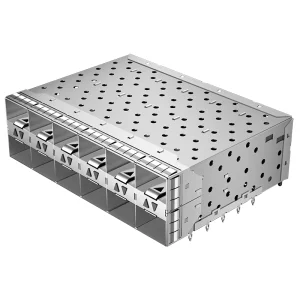
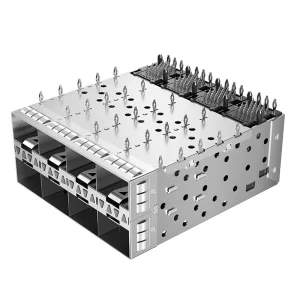
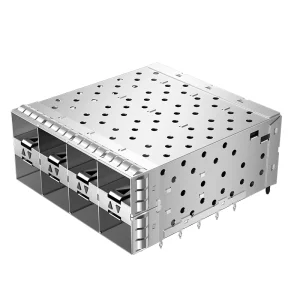
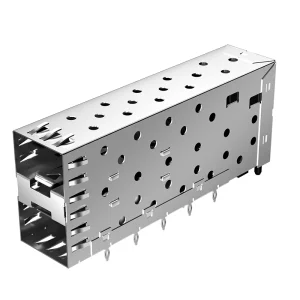
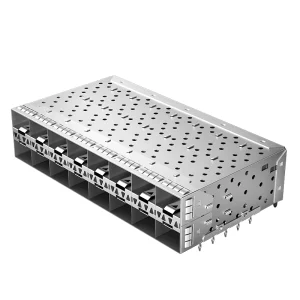
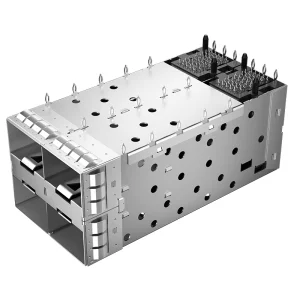
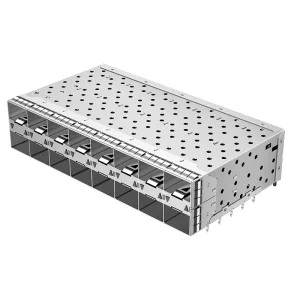
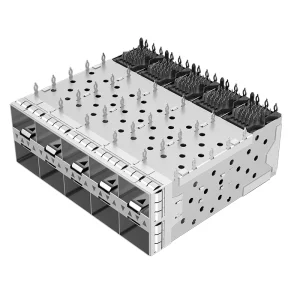
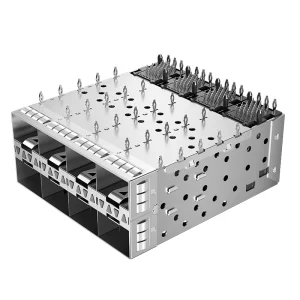
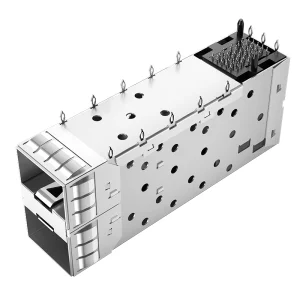
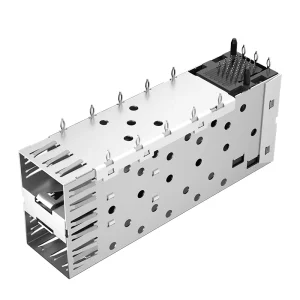
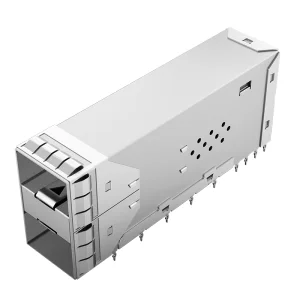
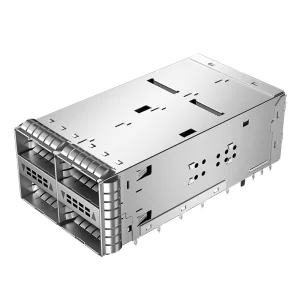
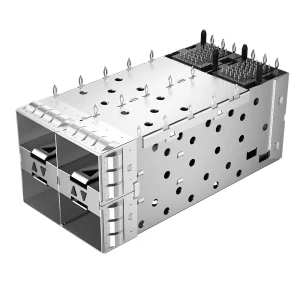
Stacked 2xN (e.g., 2x1, 2x4, 2x6, 2x8) configurations solve this by vertical nesting. Instead of placing SFP or QSFP cages in a single horizontal row on the PCB, a stacked structure integrates an upper and a lower port into a single mechanical housing. This doubles the port density on the front panel profile.
In addition, stacked assemblies trap heat between the upper and lower channels. By integrating low-loss optical light pipes and customizable heatsink heat paths, our cages allow airflow-driven thermal management directly through the card’s front plate. This maintains structural reliability in high-temperature environments.
Featuring precision-engineered resonance damping and optimized impedance matching (100Ω ±10% differential paths) to support NRZ and PAM4 modulations with clean eye diagrams.
Utilizes elastomer or copper alloy EMI fingers to establish multi-point contact with the bezel cutout, sealing RF leakage and ensuring FCC Part 15 and CISPR 32 compliance.
Serving the strategic data center hubs of Northern Illinois, from downtown financial centers to the Elk Grove Village corridors.
Chicago is home to some of the world's largest derivatives exchanges (e.g., CME Group). Ultra-low-latency financial networks rely on optimized high-speed transceivers and interconnects. Every microsecond saved by minimizing connector return loss in 2xN SFP28/zSFP+ stacked ports yields a measurable competitive edge in high-frequency trading applications.
With hundreds of megawatts of active colocation space, Chicago data corridors demand maximum density per rack unit. Stacked 2x6 and 2x8 SFP/QSFP configurations allow deployment of 48-port and 96-port switches in compact 1RU systems, drastically lowering physical cabinet footprint and operating expenses.
As a critical logistics hub, Chicago's smart warehousing and manufacturing facilities rely on rugged edge servers. Our press-fit, vibration-resistant 2xN SFP cages operate across wide temperature variations (-40°C to +85°C), ensuring network reliability in harsh industrial environments.
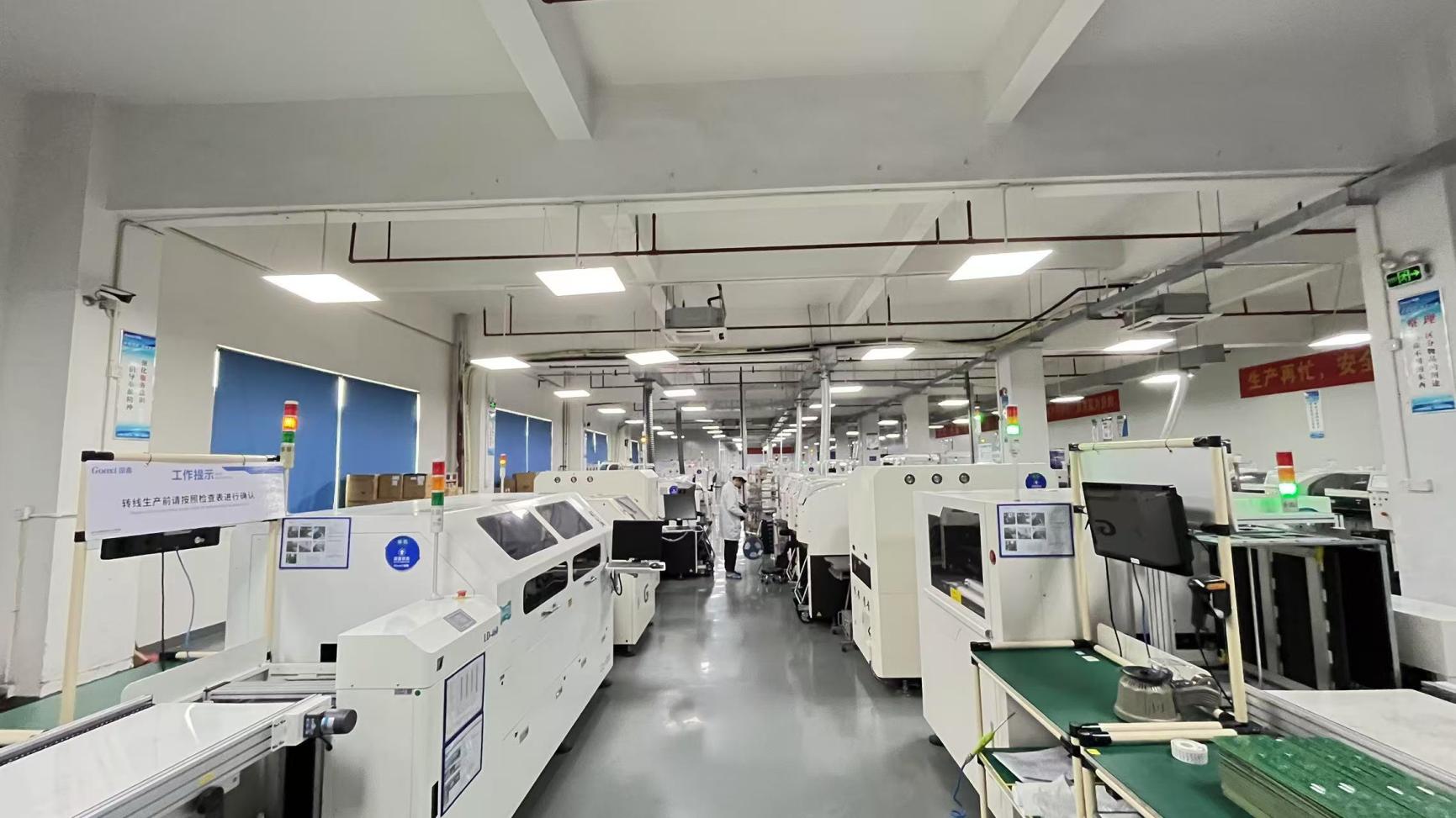
Managing high-volume network rollouts in Chicago requires a resilient supply chain that matches scale with precision engineering. Lumetra Optoelectronics Technologies Co., Ltd. operates a modern manufacturing facility that bridges high-volume production with custom prototyping.
By integrating stamping, injection molding, press-fit assembly, and testing under one roof, we streamline raw material procurement and deliver consistent tolerances. This keeps project schedules on track and simplifies global logistics for large-scale Midwest deployments.
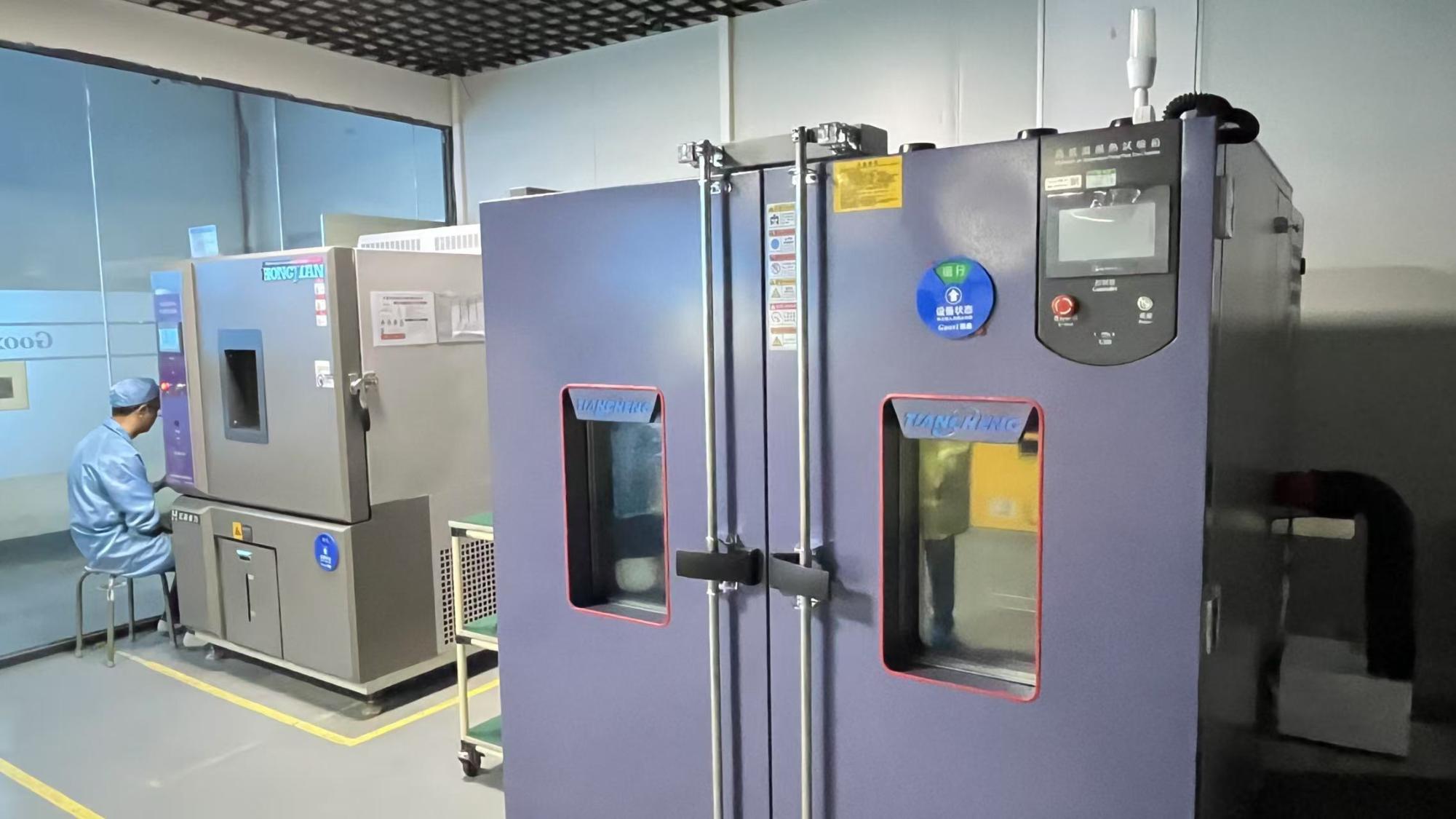
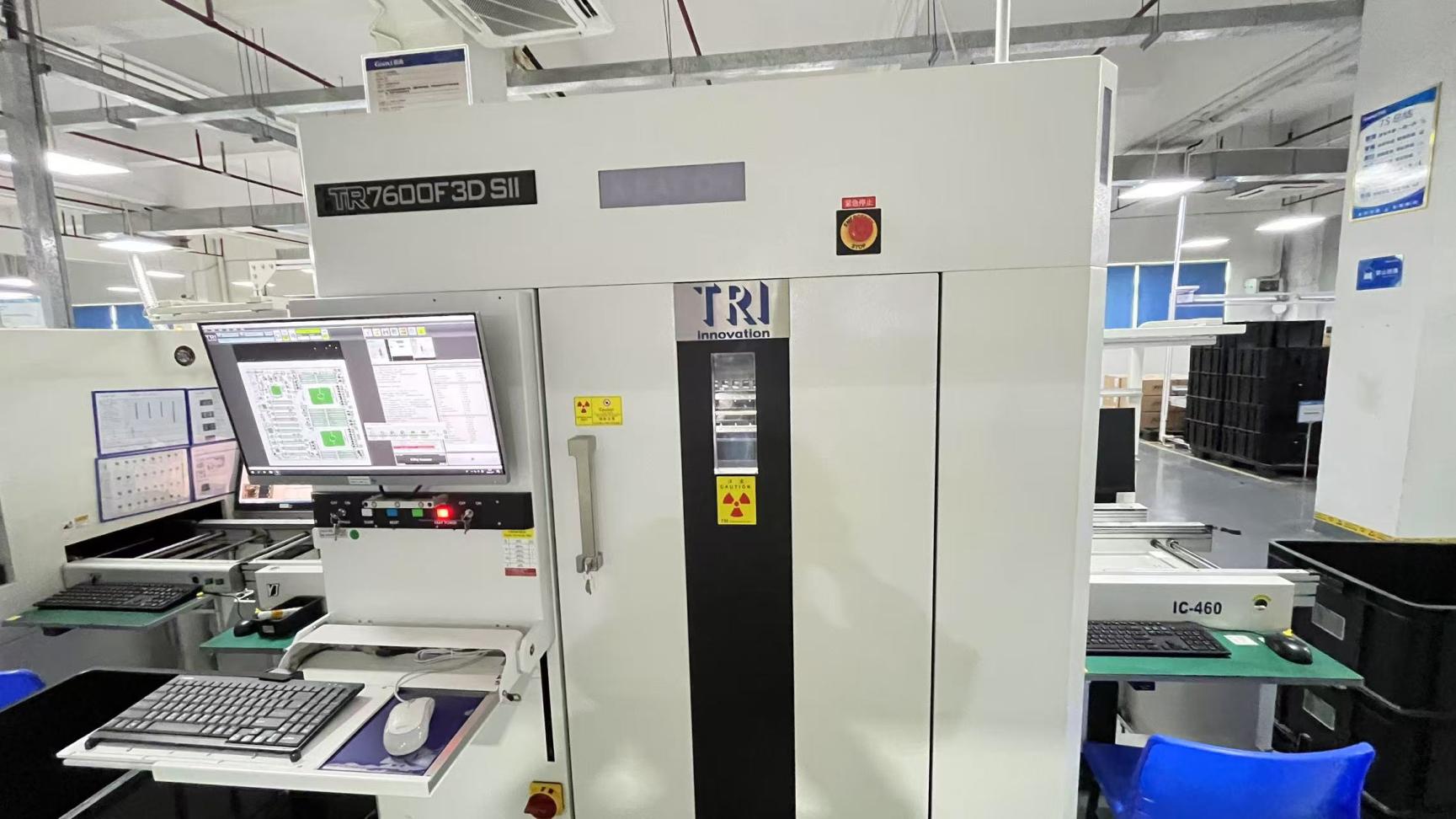
Our dedicated quality control team conducts detailed examinations of all 2xN stacked port connectors. This process checks pin compliance, mechanical insert force, and includes automated optical inspection (AOI) alongside rigorous environmental testing.
Supported by our engineering team, we provide customized layouts, variable press-fit pin lengths, unique lightpipe positions, and specialized heat sinks tailored to the design requirements of Chicago OEM developers and enterprise builders.

Providing robust performance in high-speed, space-constrained environments.
Ideal for Top-of-Rack (ToR) and Leaf switches in Chicago enterprise clouds, enabling high concentration of SFP28 (25G) or QSFP28 (100G) channels in standard rack chassis.
Supports central office routers and 5G cellular hub aggregators requiring high port density, strong EMI isolation, and low insertion loss.
Maintains stable optical data pathways for multi-channel video distribution systems and high-throughput security networks, operating reliably under continuous load.
Explore our full range of stacked cage assemblies featuring integrated connectors, EMI shielding options, and light pipes, fully compatible with industry-standard form factors.
Find answers to common technical, design, and logistics questions regarding 2xN stacked cages.
Speak directly with our engineering team to request customized sample units, verify pin layouts, or obtain high-volume quotes for your next Chicago area infrastructure project.
Send Inquiry Now