Lumetra
Lumetra
Lumetra
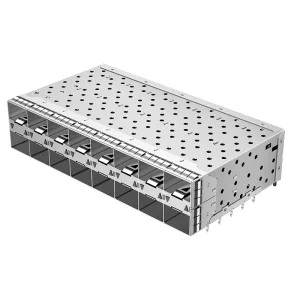
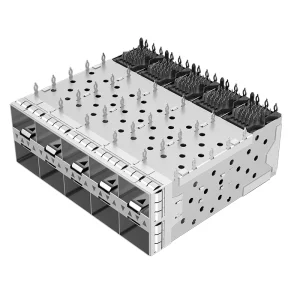
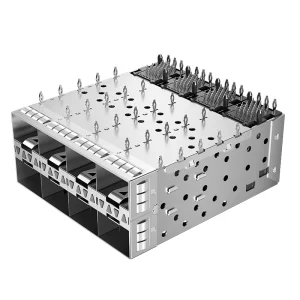
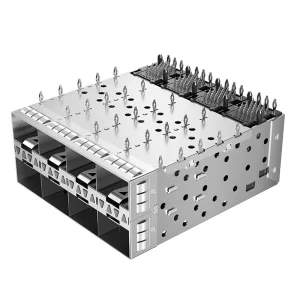
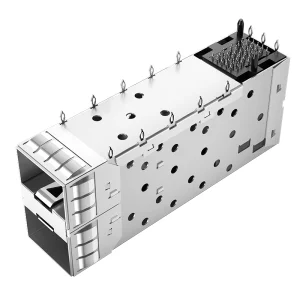
High-Density Multi-Port SFP+/SFP28 Interconnect Architectures Configured for Next-Generation Hyper-Scale Datacom, Telecom, and Edge Networks in Muharraq and the Greater GCC Region.
Send Inquiry NowEngineered for high-frequency signal integrity, our top-tier SFP+ and SFP28 stacked configurations meet the strict design rules of enterprise-grade core switches and telecom routers operating within the Muharraq infrastructure zone.
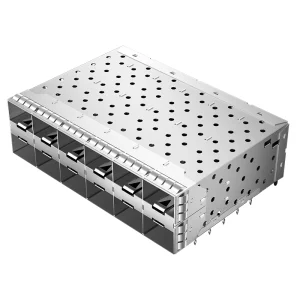
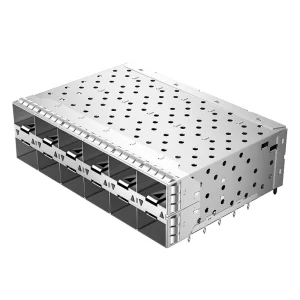
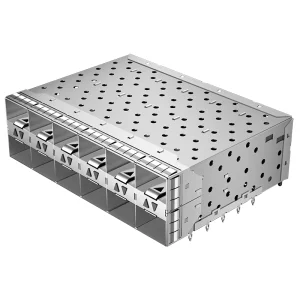
Muharraq, historically known as a pearl trading capital and now serving as a primary transport and logistics hub hosting the Bahrain International Airport and adjacent to Khalifa Bin Salman Port, is undergoing a profound digital transformation. Under Bahrain’s national "Cloud-First" policy, local industrial enterprises, smart port operators, and national telecommunication entities (such as BNET) are accelerating their migration to edge-compute architectures and private hyperscale cloud storage hubs.
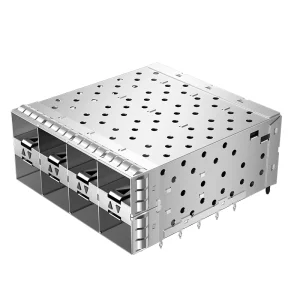
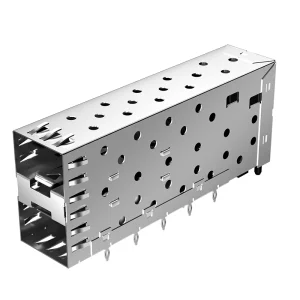
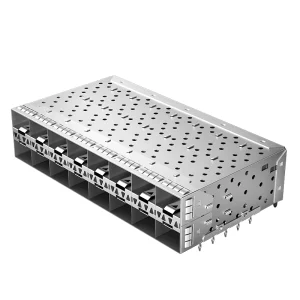
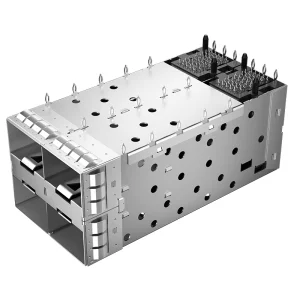
This localized deployment of cloud resources demands massive density improvements at the physical hardware layer. Edge-computing data centers, containerized server pods, and automated shipping hub control systems require compact 1RU and 2RU network switches with the highest possible throughput. Our 2xN (Stacked Ports) connector line, ranging from 2x1 to 2x8 configurations, addresses this immediate density need by allowing system architects to place twice as many SFP+ (10Gbps/16Gbps) or SFP28 (25Gbps/28Gbps) transceiver channels within the same front-panel horizontal footprint.
From 10G SFP+ to 56G PAM4 zSFP+ architectures: how mechanical and electromagnetic designs are adapting to high-frequency and thermal realities.
At higher frequencies (e.g., 28GHz for SFP28/zSFP+), electromagnetic radiation and port-to-port crosstalk pose critical signal challenges. Our stacked cages feature a continuous sheet-metal outer casing with advanced EMI finger designs and elastomeric gaskets. By utilizing custom grounding tab configurations, resonance frequencies are shifted outside the operational band, ensuring clean eye-diagrams.
The physical layering in 2xN stacked structures blocks lateral airflow around the bottom row. To circumvent local hotspots, our factories design integrated airflow channels and custom light pipes. These elements sit between the upper and lower connector modules, and can be integrated with customized passive or active heat-sink pins on the top surface.
Compared to Surface Mount Technology (SMT), our press-fit tail layout ensures mechanical robustness against frequent transcevier mating forces. Solderless, cold-weld press-fit pins allow multi-layer PCB boards (up to 30 layers) to be populated efficiently, preventing thermal stress to the substrate while maintaining standard impedance controls at 100 ohms.
Lumetra Optoelectronics Technologies Co., Ltd. integrates high-precision injection molding, automated stamping, and vector-network analysis to deliver compliant telecommunication components directly to Muharraq and international integration hubs.
Established in 2016, Lumetra is a technology-focused developer of optical transceiver interconnects and fiber optic communication systems. Our 11 years of deep industry expertise, combined with 7 years of export history, allows us to maintain strict standards of compliance, providing reliable drop-in replacements for TE Connectivity, Pulse Electronics, and Molex form factors.
We collaborate with over 1,200 supply-chain partners to ensure raw materials—ranging from high-performance liquid crystal polymers (LCP) to copper-alloy contacts and nickel/gold plating compounds—remain resilient in the face of supply issues. This extensive supply network enables a continuous production cadence, guaranteeing that shipments of custom-pitch 2x4 SFP+ or 2x8 SFP28 stacked cages arrive on schedule at the Muharraq customs terminals or Khalifa Bin Salman Port.
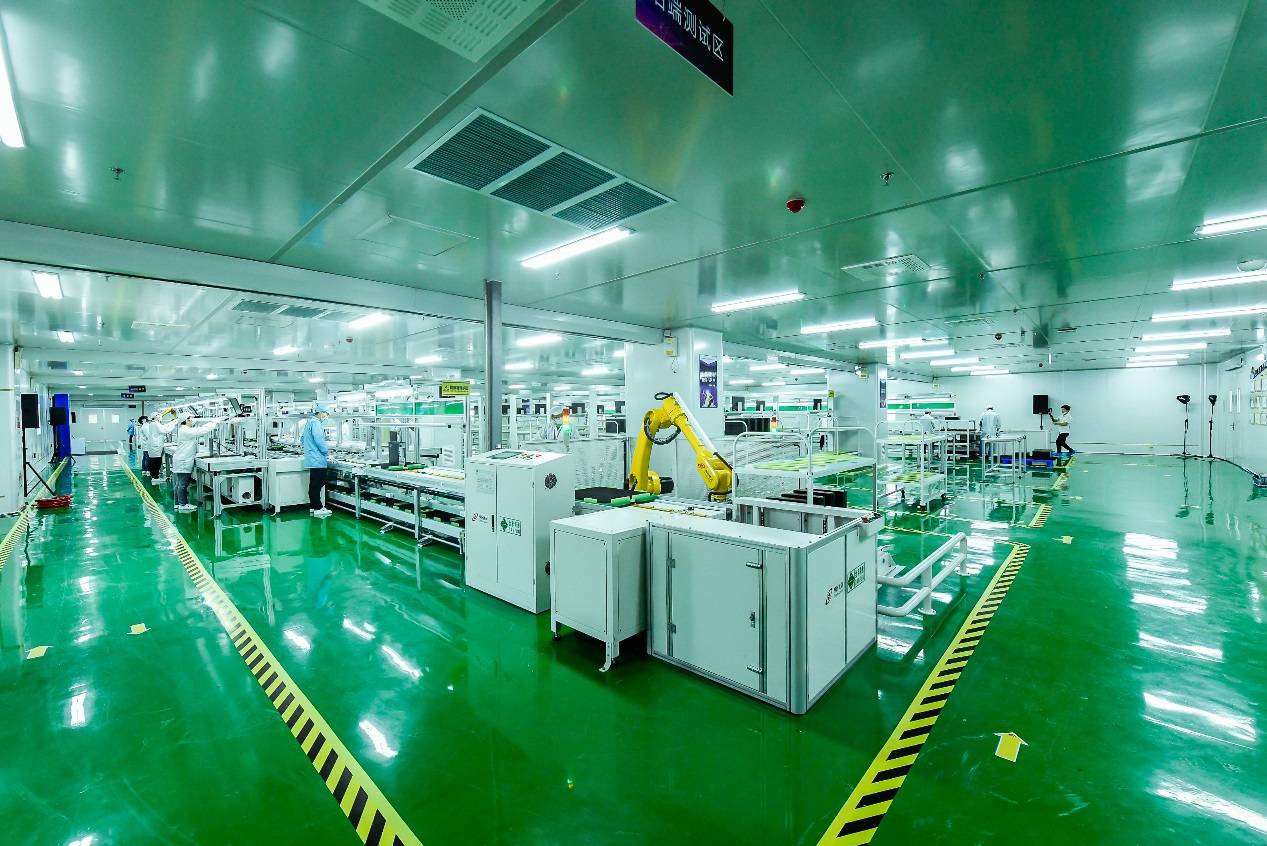
Every production batch undergoes automated optical inspection (AOI), 3D coordinate-measuring inspection to verify exact pin coplanarity within a 0.1mm tolerance, and mechanical insertion force testing. We also execute environmental stress screening (ESS) to guarantee that components can endure prolonged operation in warm climates, ensuring consistent reliability for local installations in Muharraq.
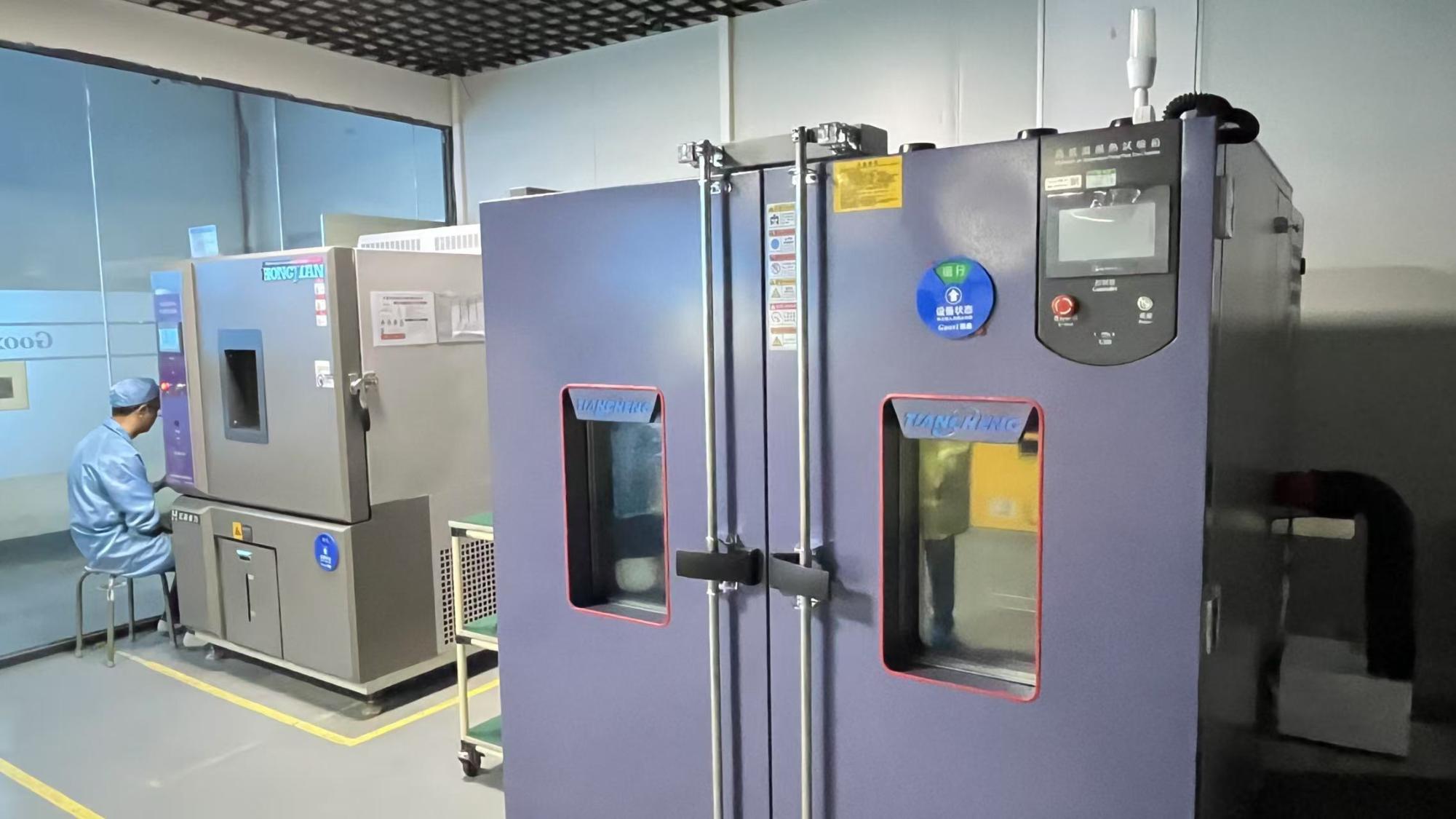
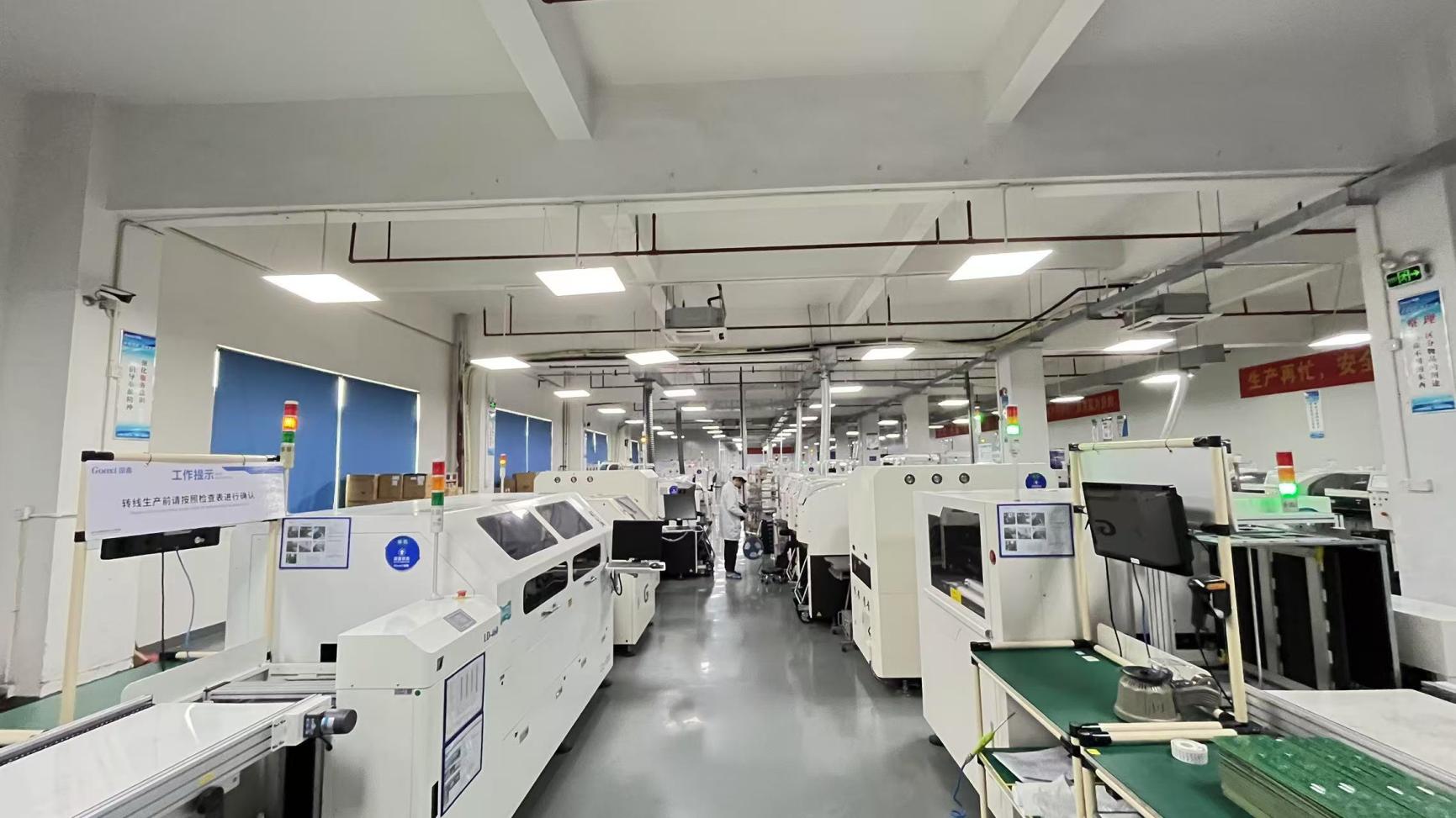
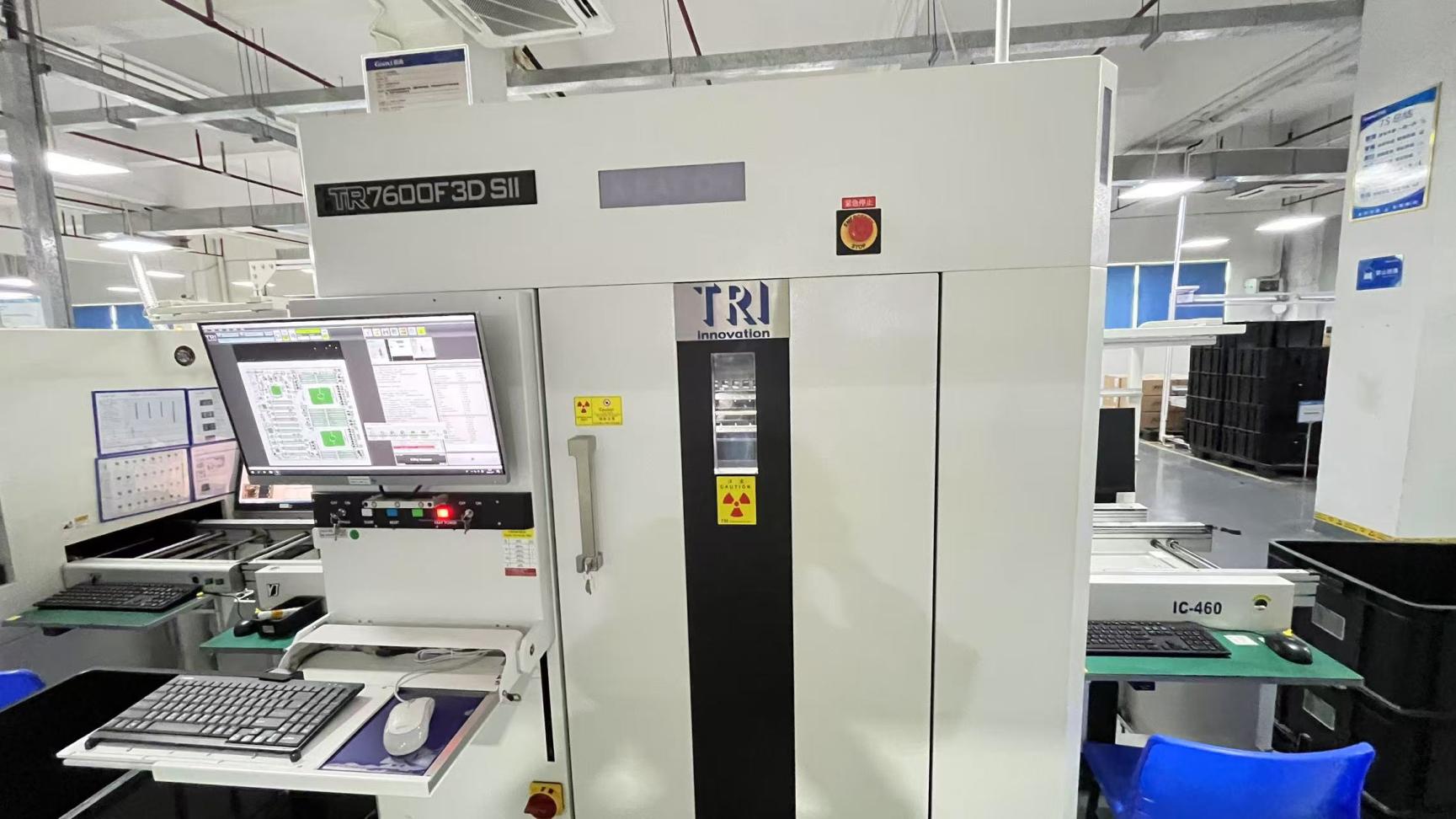
Our stacked connector products bridge the gap between high system densities and reliable signal paths in critical infrastructural deployments.
With the rapid rollout of regional 5G, micro-data centers operating near local base stations need hardware that fits into compact formats. Our 2x1, 2x2, and 2x4 stacked SFP+ cages offer localized density configurations, minimizing layout space requirements on the host PCB. This enables multi-access edge computing (MEC) servers to operate directly at the network periphery.
Industrial switches deployed in environments like the Khalifa Bin Salman Port terminal require resistance to dust, high moisture, and constant vibration. Our press-fit, EMI-shielded stacked cages feature ruggedized solderless pins that create solid gas-tight connections. These connections are highly resistant to structural vibrations and mechanical stresses, ensuring uninterrupted telemetry flow.
Modern high-performance computing (HPC) nodes operating in large cloud zones utilize high-speed transceivers running SFP28/zSFP+ interfaces. Stacked 2x6 and 2x8 port arrays maximize back-plane port density. When paired with high-efficiency light pipes, system administrators can instantly verify port status, which simplifies troubleshooting and routine maintenance inside dense server aisles.
Get direct technical insights into the mechanical, thermal, and electrical integration of 2xN stacked port connectors.
Explore our full selection of stacked configurations, from dense 2x8 SFP+ interfaces to specialized 2x1 and 2x2 zQSFP+ modules, optimized for high-density, low-loss connections.