 Lumetra
Lumetra
Lumetra
A selective display of our top-tier active transceivers and modular interfaces, optimized for immediate deployment within British telecommunication and server architectures.
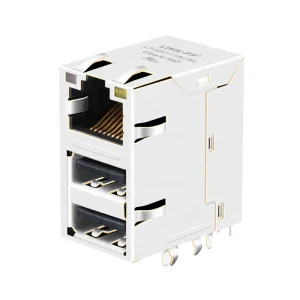
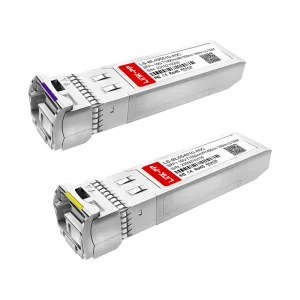
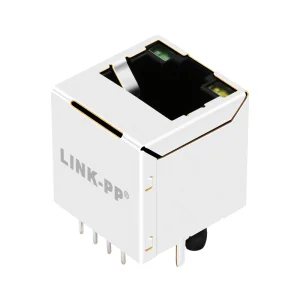
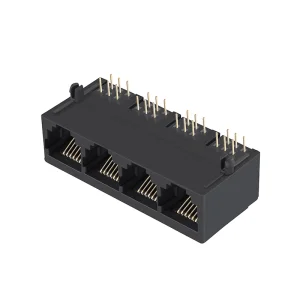
As the preeminent data center hub of Europe, Greater London—spanning major availability zones from Slough in the west to the Docklands (Telehouse, Equinix LD8) in the east—demands an unprecedented density of network interconnects. The rapid expansion of enterprise cloud nodes, high-frequency trading networks, and colocation spaces requires hardware that delivers absolute signal integrity at optical scale.
Within these facilities, the SFP cage serves as the critical mechanical and electromagnetic interface between high-speed transceiver modules and the system PCB. As data rates climb from 10G to 400G and 800G, standard configurations are replaced by advanced QSFP-DD, OSFP, and high-density SFP-DD configurations. London's colocation providers are increasingly mandating cages with advanced thermal dissipation mechanisms and robust EMI (electromagnetic interference) shielding to prevent packet loss in high-frequency trading (HFT) suites.
Furthermore, the UK's regulatory alignment under the UKCA and CE marking schemes pushes engineering teams to source only components that adhere to strict environmental standards. Sourcing directly from an established SFP cage manufacturer ensures that physical properties, thermal conductivity, and compliance profiles align with strict European regulations.
In the City of London, latency is measured in nanoseconds. SFP cages engineered with premium copper alloys minimize signal attenuation and internal resistance, preventing packet degradation.
With density packing in London server farms reaching peak heights, integrated elastomeric gaskets and custom heat-sink geometries are essential to control heat dissipation.
The standard SFP cage has progressed through several generations of refinement. Today, the focus spans mechanical tolerances, signal integrity, and systemic durability. Below are key engineering metrics shaping the market:
Modern cages utilize copper alloys, specifically phosphor bronze or nickel silver. These alloys balance mechanical strength, elasticity, and electrical conductivity. The application of a nickel or tin underplate provides a barrier to oxidation, ensuring steady grounding over a 15-year operating lifespan.
EMI containment is achieved using integrated metal spring fingers or conductive elastomeric gaskets that seal the bezel opening. This prevents high-frequency electromagnetic leakage, ensuring compliance with EN 55032 and FCC Part 15 standards in dense server environments.
Solderless press-fit technology allows for clean, fast installation and replacement without thermal stress to the motherboard. Precision manufacturing processes ensure the compliance pins maintain consistent retention forces while tolerating minor PCB hole deviations.
For design engineers specifying hardware in the UK market, the selection of the right SFP cage geometry (1x1 single port, 1x4 ganged, or 2x6 stacked configurations) is guided by thermal simulations. In high-density environments, adding thermal ride-on heat sinks directly to the cage helps draw heat away from the transceiver ASIC, preventing thermal throttling.
Lumetra Optoelectronics Technologies Co., Ltd. is a professional manufacturer specializing in high-speed optical transceivers and fiber optic communication solutions for datacom, telecom, and cloud infrastructure applications. Founded in 2016, the company has developed into a reliable supplier with strong engineering capabilities and global export experience.
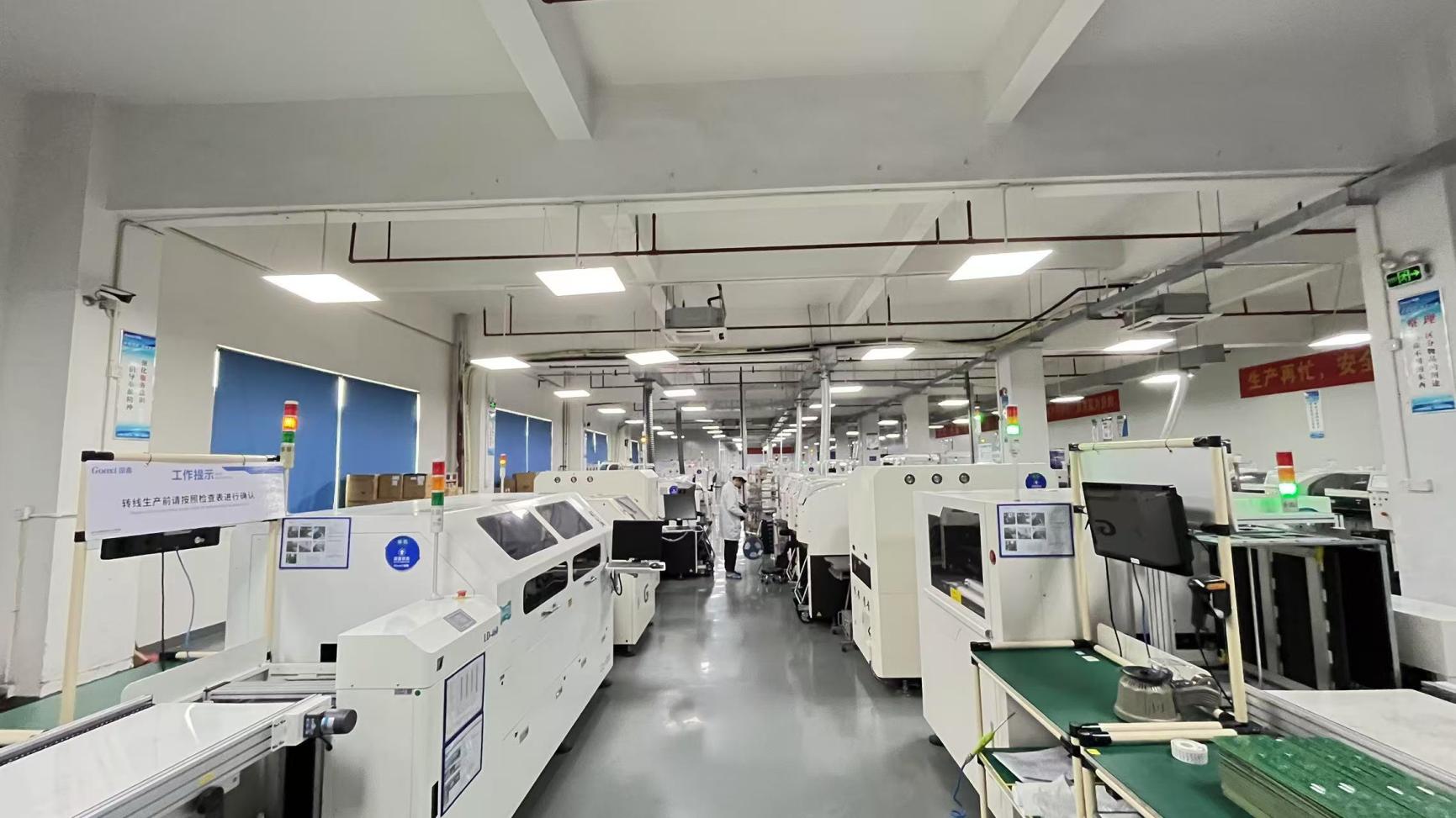
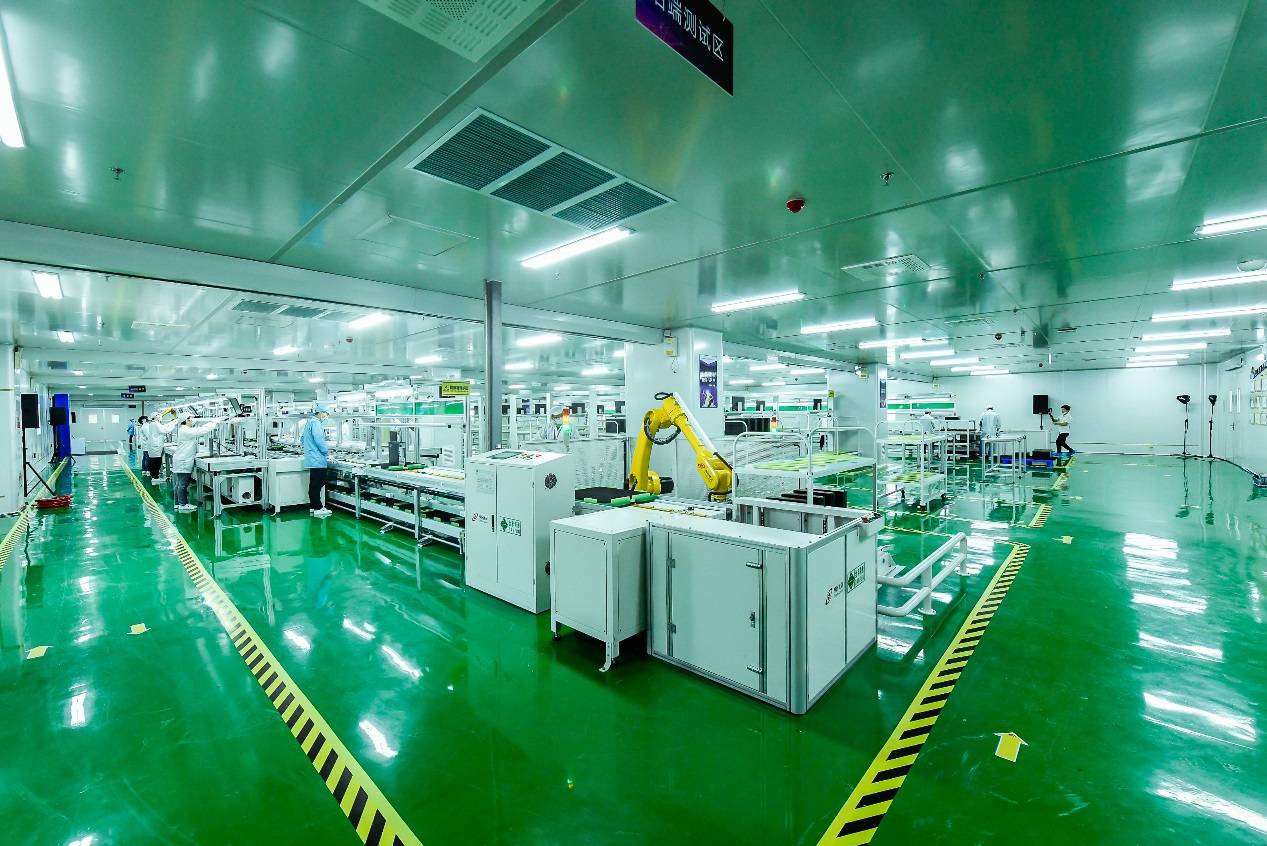
The company operates a production facility covering approximately 8,500㎡, supporting efficient manufacturing and quality-controlled assembly processes. With annual export revenue reaching around USD 18 million, Lumetra has built stable international business channels and accumulated 7 years of export experience, backed by 11 years of overall industry expertise.
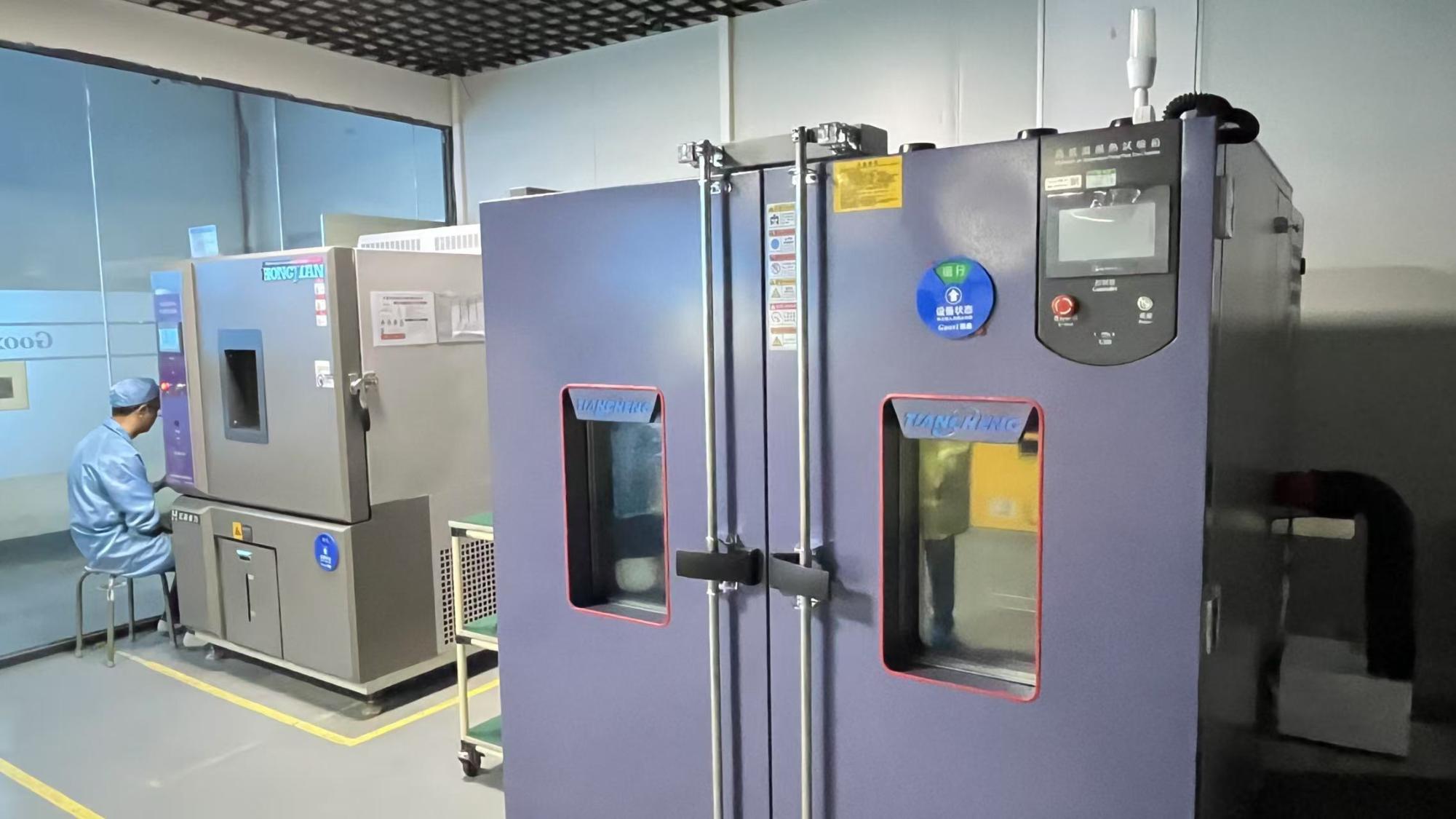
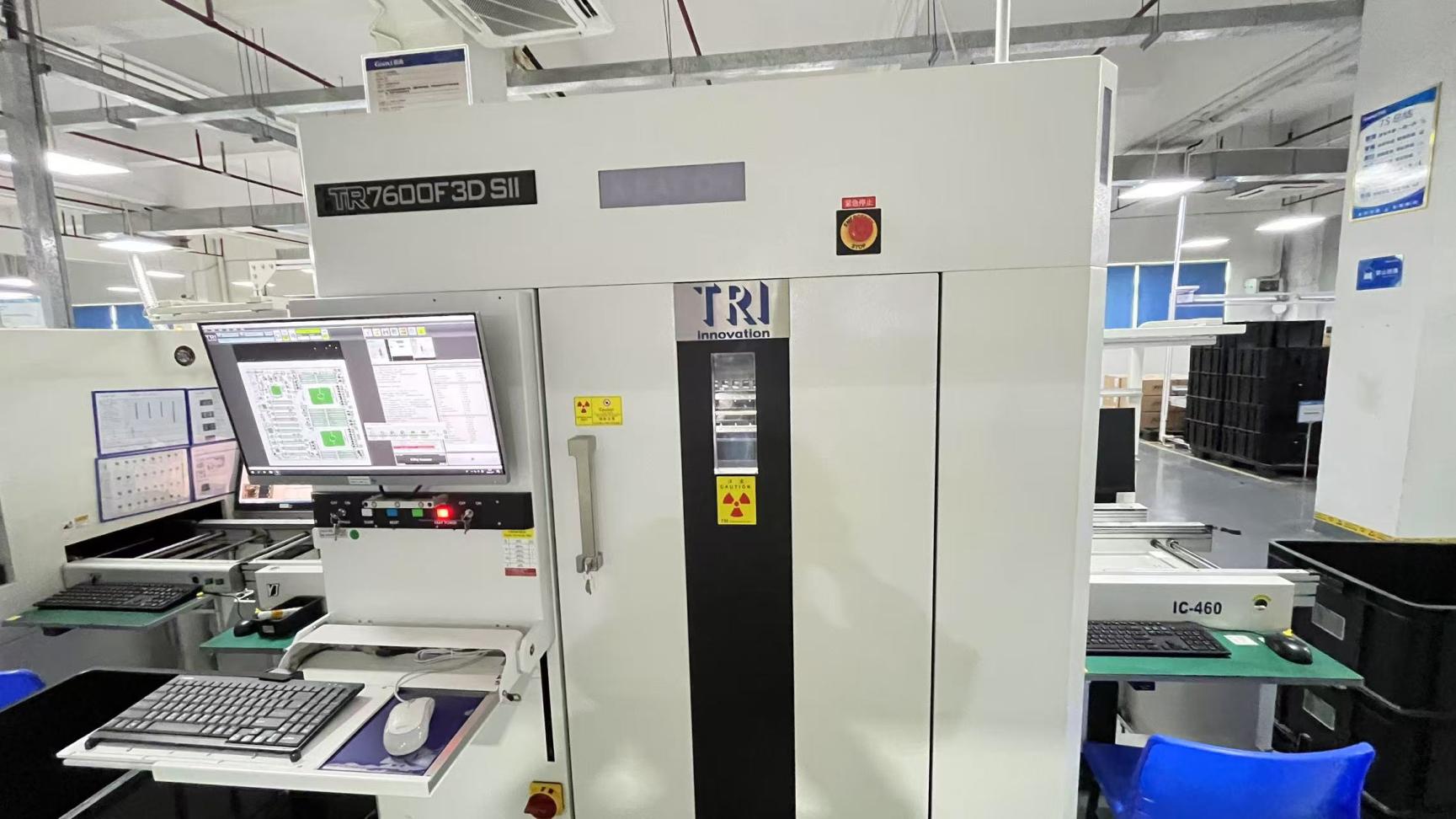
Quality assurance is maintained through a combination of automated optical performance testing, environmental stress screening, and manual inspection processes. Our quality control team consists of 48 trained inspectors ensuring strict compliance with international standards. We collaborate with over 1,200 supply chain partners to ensure stable component sourcing and manufacturing efficiency. With strong R&D capability, Lumetra supports advanced customization including protocol compatibility, wavelength tuning, form factor adaptation, and power optimization.
Our primary markets include North America, Europe, Southeast Asia, and the Middle East, serving telecom operators, data center integrators, and network equipment distributors. In the past year alone, Lumetra launched approximately 220 new products, reflecting our continuous innovation in high-speed optical communication technologies.
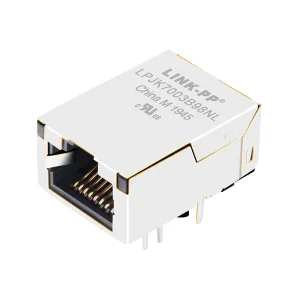
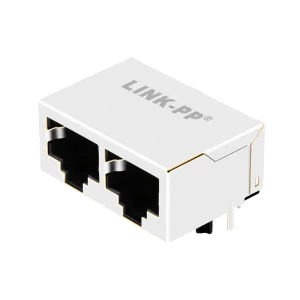
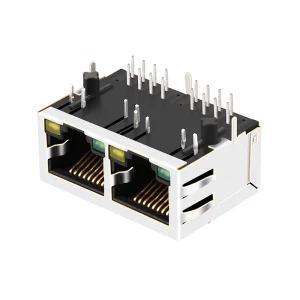
Precision board-level adapters and low-profile components optimized for enterprise network switches, router integration, and compact system configurations.
We deliver structured cabling, connector assemblies, and high-frequency optical transceivers to address the demands of major London industries:
Providing high-performance 10G/25G transceivers and durable SFP cages to upgrade fiber networks connecting the City of London with Canary Wharf and key regional sub-hubs.
Equipping London availability zones with 100G and 200G/400G QSFP28/QSFP-DD enclosures, utilizing automated performance validation and robust thermal management.
Supporting ruggedized, low-profile RJ45 modular jacks and SFP cages for signaling and communications systems along the Elizabeth Line and the London Underground.
Our macro-industry solutions extend to large-scale procurement services for UK systems integrators, streamlining the supply of network transceivers and PCB interfaces to reduce complexity and installation errors.
Procuring network components for deployment in the UK requires a balance of high-volume efficiency and rigorous quality compliance. To ensure seamless integration, enterprise buyers look for several key attributes in their manufacturing partners:
Our ODM and OEM services support customization to meet these requirements. We provide tailored modifications to cage design, including specialized EMI gaskets, custom thermal ride-on heat sinks, and unique press-fit pin layouts. This engineering flexibility helps UK enterprises optimize network hardware for specific data center environments.
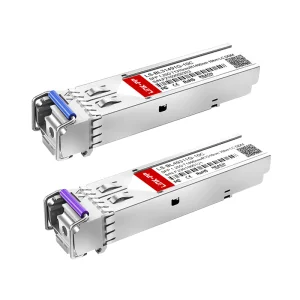
A comprehensive collection of active optical transceivers and modular physical-layer connectors, designed for deployment across UK network infrastructures.
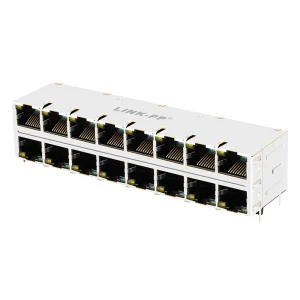
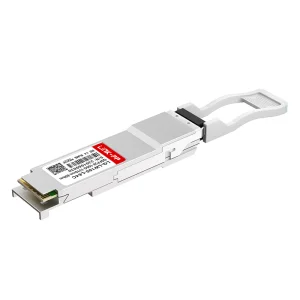
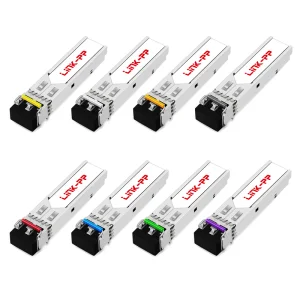
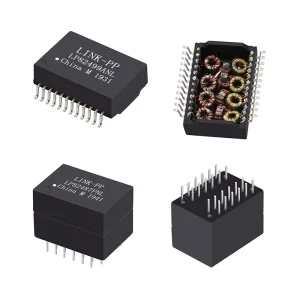
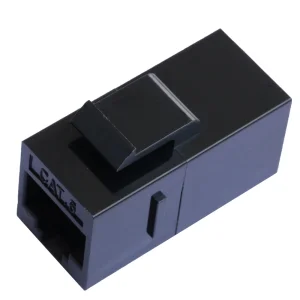
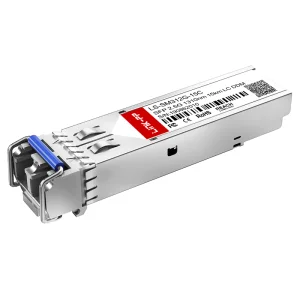
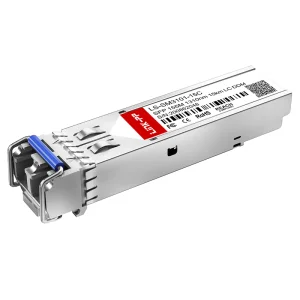
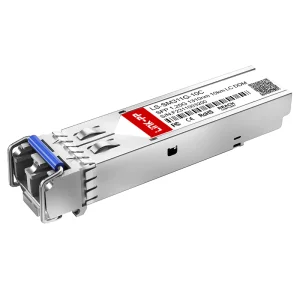
Detailed technical information for network architects, system designers, and procurement managers sourcing components for UK networks.
1. How do your SFP cages handle Electromagnetic Interference (EMI) in high-density data centers?
Our SFP cages utilize integrated stainless-steel spring fingers or conductive elastomeric gaskets that form a continuous ground path with the chassis panel bezel. This design blocks high-frequency emissions and improves system shielding, ensuring compliance with EN 55032 Class B limits for electromagnetic compatibility (EMC).
2. Which materials and platings are used for SFP cages deployed in the UK?
We manufacture cages from premium copper alloys, such as phosphor bronze or nickel silver. These materials balance spring elasticity with mechanical strength. They receive a 50-microinch nickel underplate followed by selective gold or tin plating to ensure durable ground connections and corrosion resistance over a long operating lifetime.
3. What configurations and options are available for higher-speed modules like SFP28, QSFP28, and QSFP-DD?
We manufacture cages to meet several standards: SFP28 (25Gbps), QSFP28 (100Gbps), and QSFP-DD (400Gbps). Options include 1x1, 1x4, and 1x6 ganged configurations, as well as 2x1 to 2x6 stacked configurations. These cages can be equipped with custom heatsinks, thermal interface materials, and lightpipe integrations to suit diverse system designs.
4. Do your products comply with European environmental regulations and UKCA requirements?
Yes. All cages, connectors, and optical transceivers are fully compliant with RoHS 2.0 (Directive 2011/65/EU) and REACH (EC 1907/2006) standards. We maintain complete material documentation to assist UK and EU buyers with compliance verification.
5. What is the typical lead time for custom OEM/ODM orders shipped to London?
Standard catalog products ship within 1 to 2 weeks. Custom OEM/ODM designs—including custom heatsinks, modified press-fit footprints, or specialized ground contacts—typically require 4 to 6 weeks for tooling and qualification, followed by air or ocean transport to major UK logistics hubs.
6. How are physical compatibility and signal integrity validated for transceiver modules?
Every optical transceiver undergoes automated testing to measure receiver sensitivity, optical output power, eye diagrams, and bit error rates (BER). Physical interfaces are inspected to verify compliance with SFF-8431, SFF-8432, and SFF-8472 multi-source agreements (MSAs).
Get in touch with our engineering team for detailed technical datasheets, 3D CAD files, or custom volume quotes tailored for your project in London.
Send Inquiry Now