Lumetra
Lumetra
Lumetra
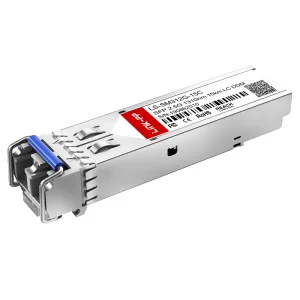
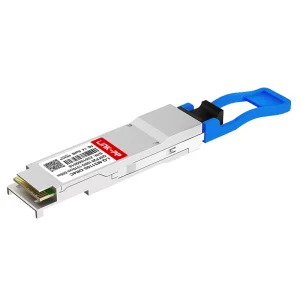
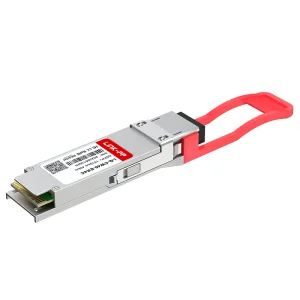
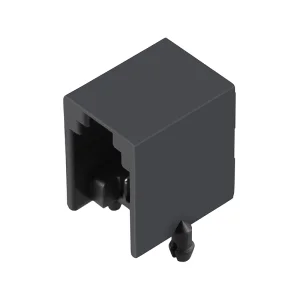
In the era of hyper-scale cloud deployments, autonomous factory systems, and the relentless march toward Edge Artificial Intelligence (Edge AI), the standard RJ45 connector remains the bedrock of physical network interfaces. However, the legacy physical footprint of standard modular jacks is no longer compatible with the extreme space limitations of modern PCBs. This tension has driven the rise of the Compact RJ45 Connector—an engineered interconnect class specifically designed to reduce volumetric footprints by up to 40% while preserving mechanical integrity and electrical performance under heavy Category-rated payloads (Cat5e, Cat6, Cat6A, and emerging Cat8 standards).
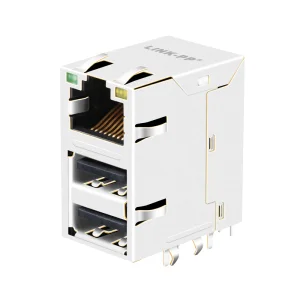
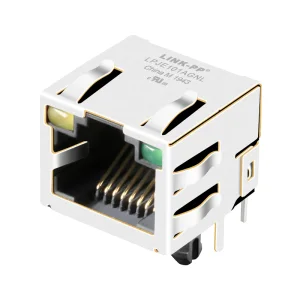
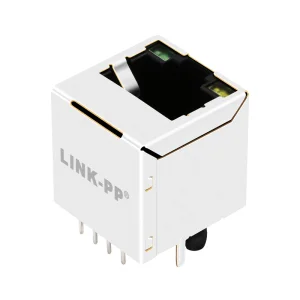
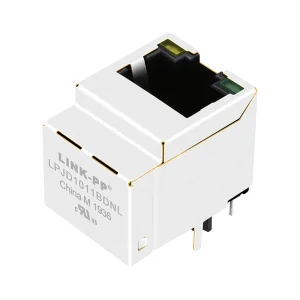
Globally, the market for compact RJ45 connectors has transitioned from a specialized niche into a multi-billion dollar industrial imperative. In traditional telecom layouts, system architects were forced to choose between the reliability of copper Ethernet and the density of fiber channels. Compact RJ45 configurations, such as low-profile, right-angle, and integrated magnetics (MagJack) architectures, have resolved this dilemma. They allow high-density multi-port switches, micro-routers, and industrial programmable logic controllers (PLCs) to incorporate high-reliability physical layers directly into tighter vertical and horizontal clearance spaces.
From an international distribution and supply chain perspective, China has established itself as the global epicenter for precision manufacturing of these components. Chinese factories utilize automated assembly, ultra-fine SMT line spacing, and rigorous automated optical inspection (AOI) to meet the strict cost-to-performance metrics demanded by international OEMs and ODMs. Manufacturers like Lumetra Optoelectronics lead the charge by aligning optical fiber transceivers and advanced copper interconnect components to build unified, end-to-end transceiver and connector portfolios.
SEO Insight & Market Reality: Google's search intent analysis demonstrates that engineering teams and procurement directors search for "China Compact RJ45 Connector Manufacturers" not merely to find low-cost factories, but to locate technical partners capable of delivering custom modifications—such as specific tab layouts, shielding, integrated magnetics, and advanced environmental tolerances.
To understand why miniaturization is critical, one must analyze the physical space constraints inside high-speed network switches and industrial IoT nodes. A traditional RJ45 jack requires substantial volume on both the vertical axis and the depth profile of the PCB. The Compact RJ45 Connector solves these constraints through three primary engineering paths:
| Parameter Class | Legacy RJ45 Connectors | Compact / Low-Profile RJ45s | System Impact & Advantage |
|---|---|---|---|
| Vertical Height | 16.5mm - 18.5mm | 11.5mm - 13.5mm | Enables 1U server chassis and slim IoT casing integration. |
| PCB Footprint Depth | 22.0mm - 25.0mm | 15.0mm - 18.0mm | Frees up valuable host board routing channels for active ICs. |
| Integrated Magnetics | Typically external discrete components | Fully integrated within the shield body | Reduces external component counts and enhances signal integrity. |
| PoE/PoE++/PoE+++ Support | Limited by thermal constraints | Engineered thermal dissipators up to 100W | Safely powers remote surveillance, Wi-Fi 6E/7 APs, and industrial actuators. |
Different vertical markets demand customized mechanical configurations of compact RJ45 connectors. The physical environment dictates the electrical and physical specifications:
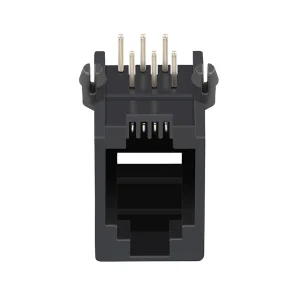
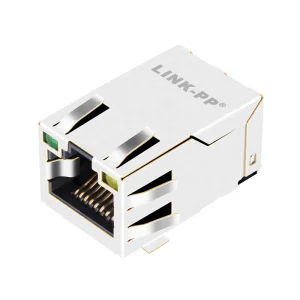
In smart factory environments, controllers (such as DIN-rail mounted PLCs) must process sensor data with microsecond latencies. These environments present heavy EMI from motors, Variable Frequency Drives (VFDs), and high-voltage cabling. Here, compact right-angle RJ45 connectors with integrated industrial-grade transformers (supporting -40°C to +85°C operating ranges) are critical. The small form factor allows dual-port, daisy-chained Ethernet connections on small, modular fieldbus devices.
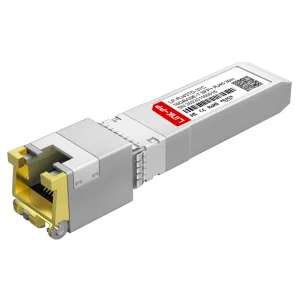
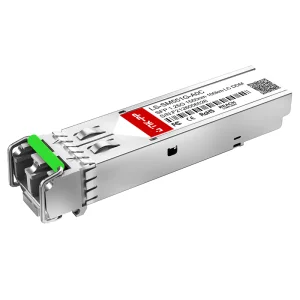
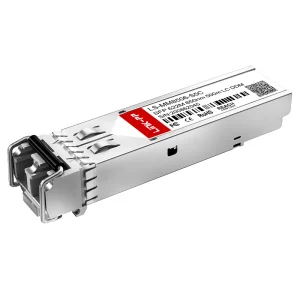
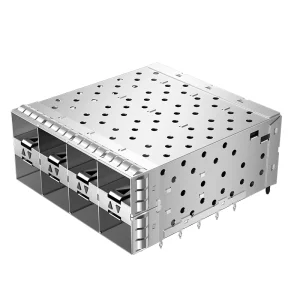
Within server racks, space is measured in fractions of millimeters. Designers utilize stacked 2x4 SFP+ cages alongside high-density multi-port low-profile RJ45 jacks to build hybrid optical-copper architectures. By combining optical transceivers (for long-reach backbone routing) and compact copper RJ45 interfaces (for short-reach, high-speed IPMI management ports), datacenters balance optical throughput with low-cost copper infrastructure.
Connected vehicles and mobile AI compute engines rely heavily on localized camera feeds. Compact, ruggedized RJ45 connectors with specialized strain reliefs and surface-mount (SMT) or press-fit anchor points ensure that constant vibration does not lead to physical contact disengagement or micro-interruptions in data transmission.
Under the microscope: How one of China's premier high-speed networking factories designs, validates, and exports high-reliability interface hardware globally.
Founded in 2016, Lumetra Optoelectronics Technologies Co., Ltd. stands as a professional manufacturer specializing in high-speed optical transceivers, fiber optic communication solutions, and hybrid physical interconnect interfaces for global datacom, telecom, and cloud infrastructure applications. By combining 11 years of deep industry expertise with modern manufacturing methodologies, the company has positioned itself as a reliable partner for global engineering teams seeking customized, zero-defect connectivity products.
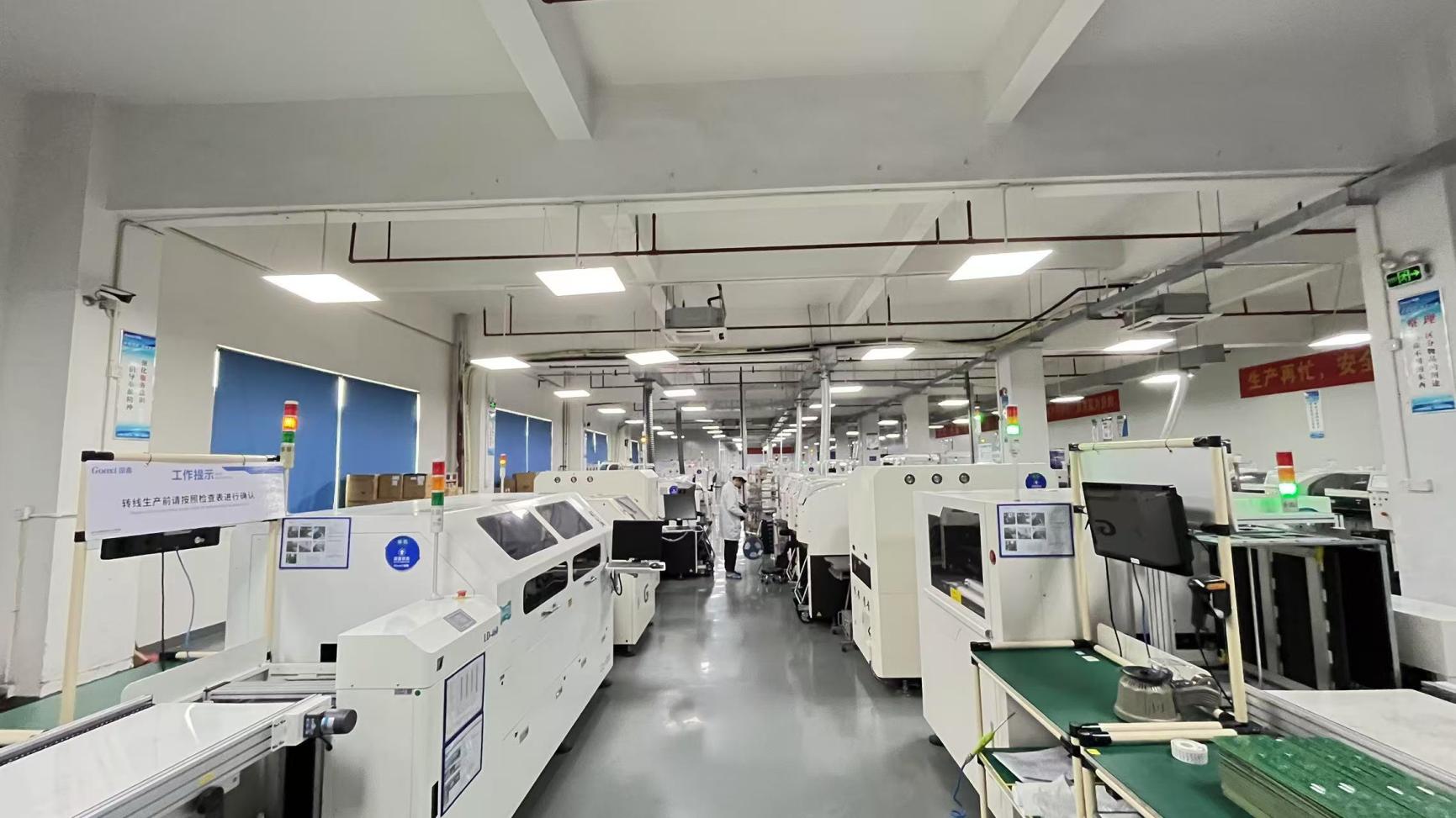
Lumetra operates a state-of-the-art production facility covering approximately 8,500㎡. This facility supports automated SMT placement, high-density optical coupling, automated performance testing, and rigorous environmental stress screening (ESS). The company's stable supply chain network consists of over 1,200 partners. This robust framework allows Lumetra to secure premium raw components and maintain production scheduling, even during global component volatility. Lumetra maintains an annual export revenue of roughly USD 18 million, serving critical clients in North America, Europe, Southeast Asia, and the Middle East.
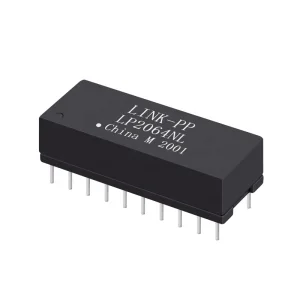
Technical Innovation & OEM/ODM Capability: Supported by a dedicated R&D team of 86 engineers, Lumetra provides complete design integration. Whether adaptively modifying standard optical transceivers, designing stacked SFP+ cages with custom light pipes, or creating low-profile RJ45 copper connections with integrated LAN magnetics, the engineering team handles protocol compatibility, power optimization, and signal integrity testing in-house.
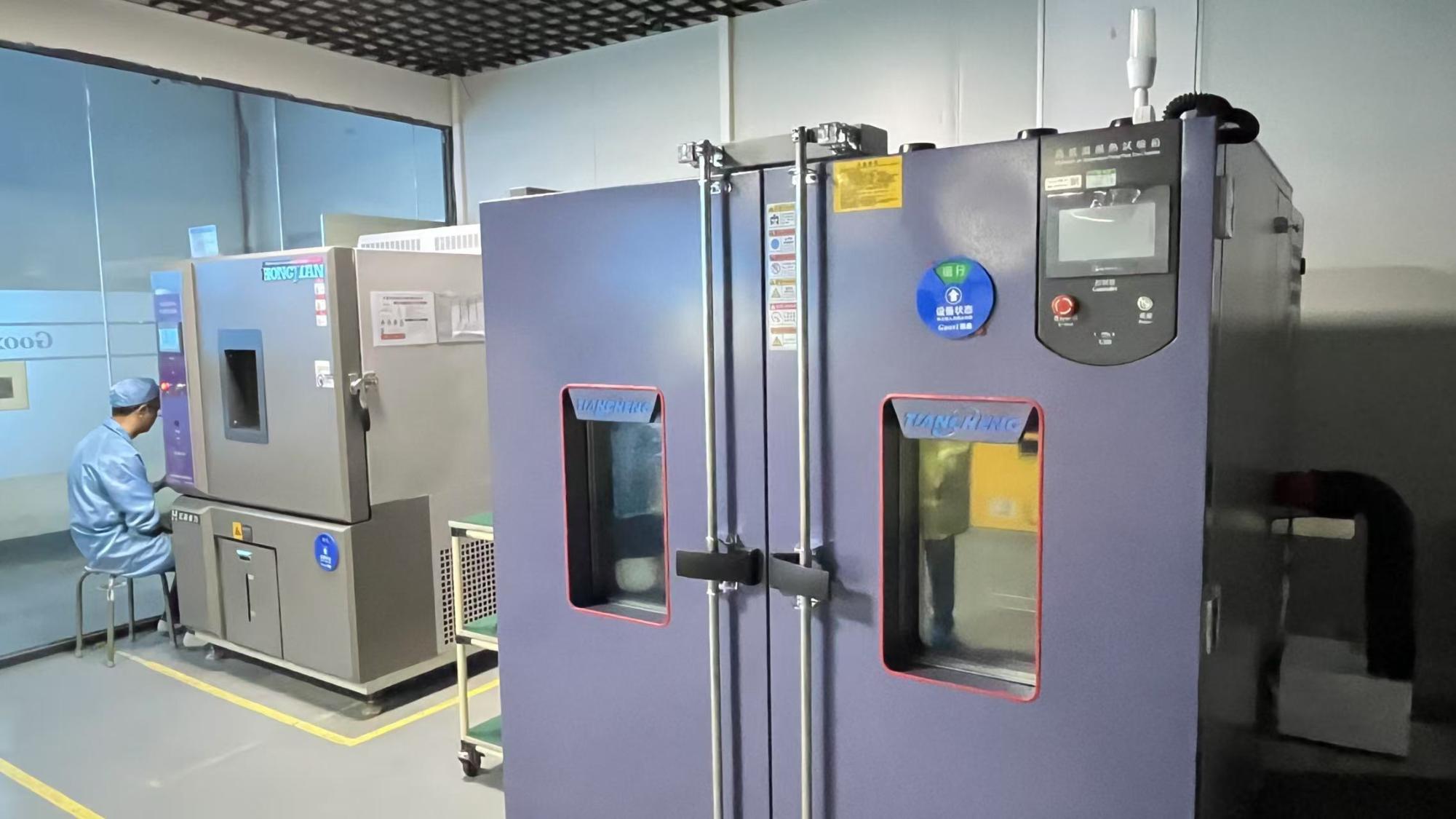
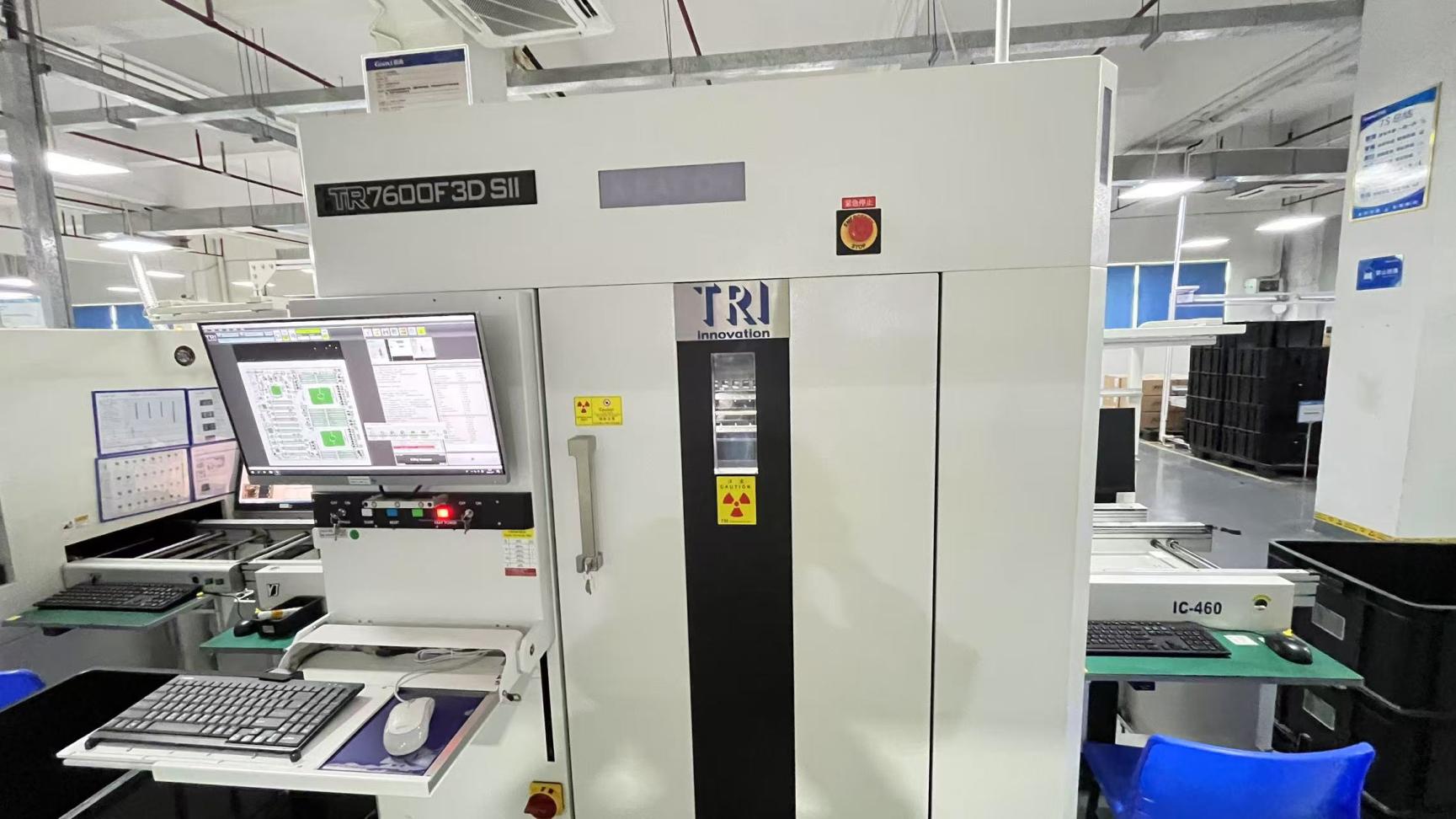
To ensure reliability under the most demanding E-E-A-T manufacturing standards, Lumetra employs 48 dedicated QC inspectors. The QA workflow includes:

As speeds scale toward 10Gbps over copper and beyond, the design of compact RJ45 physical layers is evolving. Our R&D division has mapped out the following developmental trajectories:
In IoT and automotive sectors, the focus is shifting toward Single Pair Ethernet (IEEE 802.3cg/802.3bw). Instead of 4 twisted pairs, SPE utilizes a single pair of copper wires to transmit data and deliver power (PoDL). This enables even smaller connectors, potentially replacing classic RJ45 outlines with sub-miniature, locking SPE interfaces that cut component weight and volume by over 60%.
Higher frequencies make internal crosstalk (NEXT and FEXT) more pronounced. Next-generation designs use isolated contact chambers, selective gold plating on contacts, and integrated shielding wraps between adjacent ports to preserve signal-to-noise ratios (SNR).
Future compact connectors will incorporate low-power micro-controllers and LEDs that communicate directly with system boards. This allows for real-time link status monitoring, temperature tracking, and cable fault identification at the port level.
Answers to technical challenges faced by system designers and procurement leads.