Lumetra
Lumetra
Lumetra
Engineered to deliver exceptional insertion loss profiles, maximum data throughput, and high-performance network reliability.
Within passive optical network (PON) systems, the optical splitter plays an indispensable role by dividing light beams into multiple channels to establish point-to-multipoint (P2MP) structures. Modern telecom infrastructures depend heavily on two key splitting architectures: Planar Lightwave Circuit (PLC) splitters and Fused Biconical Taper (FBT) splitters. As telecom carriers migrate from GPON and EPON to 10G-PON (XG-PON, XGS-PON) and next-generation NG-PON2, standardizing on premium optical splitters becomes highly critical. Choosing splitters with low insertion loss, minimal polarization-dependent loss (PDL), and excellent environmental stability is essential to protect long-term capital investments.
For B2B procurement managers, network architects, and global system integrators, selecting a Chinese fiber optic splitter factory is no longer just about searching for the lowest price. Instead, it is about securing strategic supply partnerships that combine sub-micron alignment precision, strict Telcordia validation, and deep material-level research and development.
Planar Lightwave Circuit (PLC) Splitters: Manufactured using photolithography techniques on a silica glass substrate, PLC splitters ensure a highly precise and uniform optical split across the entire operating wavelength range (1260nm to 1650nm). They deliver predictable attenuation profiles and are ideal for high-density splits (up to 1:64 or 1:128) in standard FTTH environments.
Fused Biconical Taper (FBT) Splitters: Created by fusing and tapering two or more optical fibers together, FBT splitters are ideal for smaller split ratios (e.g., 1:2, 1:4) or custom asymmetric splitting splits (like 90/10 or 70/30). They represent a cost-effective choice for wavelength-specific configurations within local CATV networks and localized data loops.
Unlocking unparalleled supply chain efficiency, material-level vertical integration, and advanced quality assurance standards.
Chinese manufacturers sit at the center of the world's most concentrated optical communications clusters. This allows direct, raw-material access to premium silica substrates, high-precision V-groove arrays, ceramic ferrules, and silicon chips, drastically reducing supply lead times and unit-level costs.
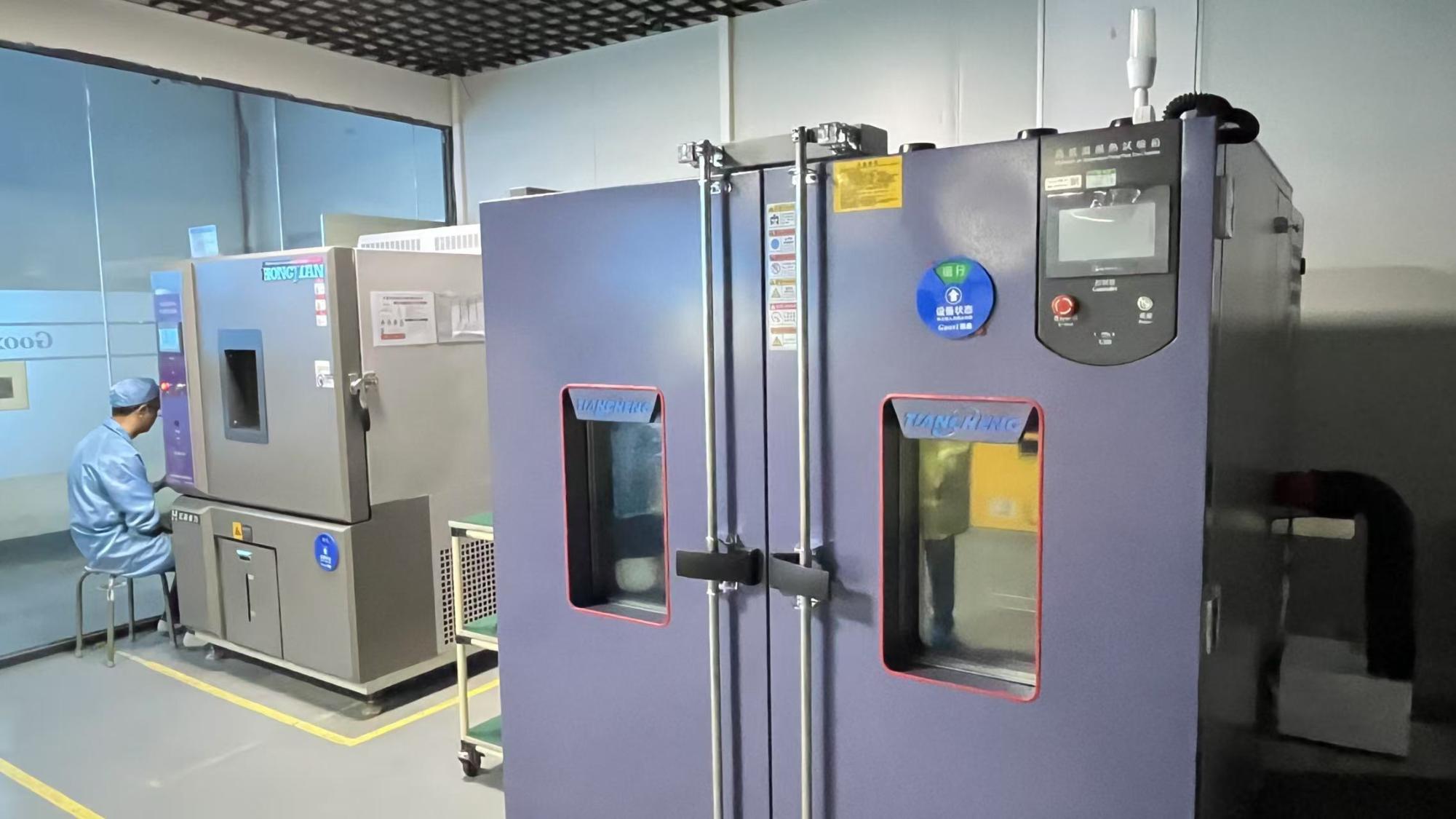
Premium Chinese suppliers build their reputations on global compliance. Our factories enforce multi-stage quality assurance programs matching Telcordia GR-1209-CORE and GR-1221-CORE guidelines. Optical components are tested for damp heat, low/high temperature cycles, and mechanical vibration to ensure stable operation over a 25-year design life.
Understanding that one size does not fit all, we support advanced customizations. From custom fiber lengths (0.5m to 2.0m), custom connector variants (LC/UPC, LC/APC, SC/UPC, SC/APC), and specialized packaging configurations (steel tube, ABS box, LGX cassette, 19-inch rack-mount chassis) to custom split ratios, we adapt products to fit your exact architecture.
When calculating link budgets for optical distribution networks (ODN), optical performance metrics dictate the max range and stability of network configurations. A high-quality fiber optic splitter must maintain low Insertion Loss (IL) and minimal Polarization Dependent Loss (PDL) across different environmental conditions. If a splitter fails on uniformity or exhibits excessive reflection, it will directly degrade signal performance for downstream optical network units (ONUs).
Always request a factory's batch-level testing data for Polarization Dependent Loss (PDL). High PDL values indicate internal stress variations within the waveguide alignment, which can lead to random signal drops as the optical polarization changes over time.
| Parameters | 1×4 Splitter | 1×8 Splitter | 1×16 Splitter | 1×32 Splitter |
|---|---|---|---|---|
| Operating Wavelength (nm) | 1260 ~ 1650 | |||
| Max Insertion Loss (dB) | ≤ 7.2 | ≤ 10.5 | ≤ 13.8 | ≤ 17.0 |
| Loss Uniformity (dB) | ≤ 0.6 | ≤ 0.8 | ≤ 1.2 | ≤ 1.5 |
| Polarization Dependent Loss (dB) | ≤ 0.2 | ≤ 0.2 | ≤ 0.25 | ≤ 0.3 |
| Min Return Loss (dB) (APC/UPC) | 55 / 50 | |||
From fiber-to-the-premises deployments to dense cloud data centers, our passive optical splitters power global connectivity hubs.
For FTTx and PON systems, PLC splitters act as the backbone for distributing gigabit broadband services from the central office to subscriber premises. Installed in fiber distribution boxes or splice closures, they allow a single OLT port to connect with up to 128 end-users, lowering deployment costs and optimizing fiber utilization.
Within cloud data centers and high-density computing spaces, optical splitters facilitate real-time traffic monitoring, link aggregation, and network security testing. The splitters allow network tools to monitor optical data streams without interrupting the primary transmission paths, ensuring high availability and seamless load balancing.
As mobile networks shift toward centralized radio access network (C-RAN) topologies, optical splitters help split dark fiber resources between baseband units (BBU) and remote radio heads (RRH). This optimization helps telecommunication providers accelerate 5G deployments while containing civil infrastructure budgets.
Founded in 2016, Lumetra Optoelectronics Technologies Co., Ltd. is a professional manufacturer specializing in high-speed optical transceivers and fiber optic communication solutions for datacom, telecom, and cloud infrastructure applications. Over years of focused engineering, the company has developed into a reliable supplier with strong engineering capabilities and global export experience.
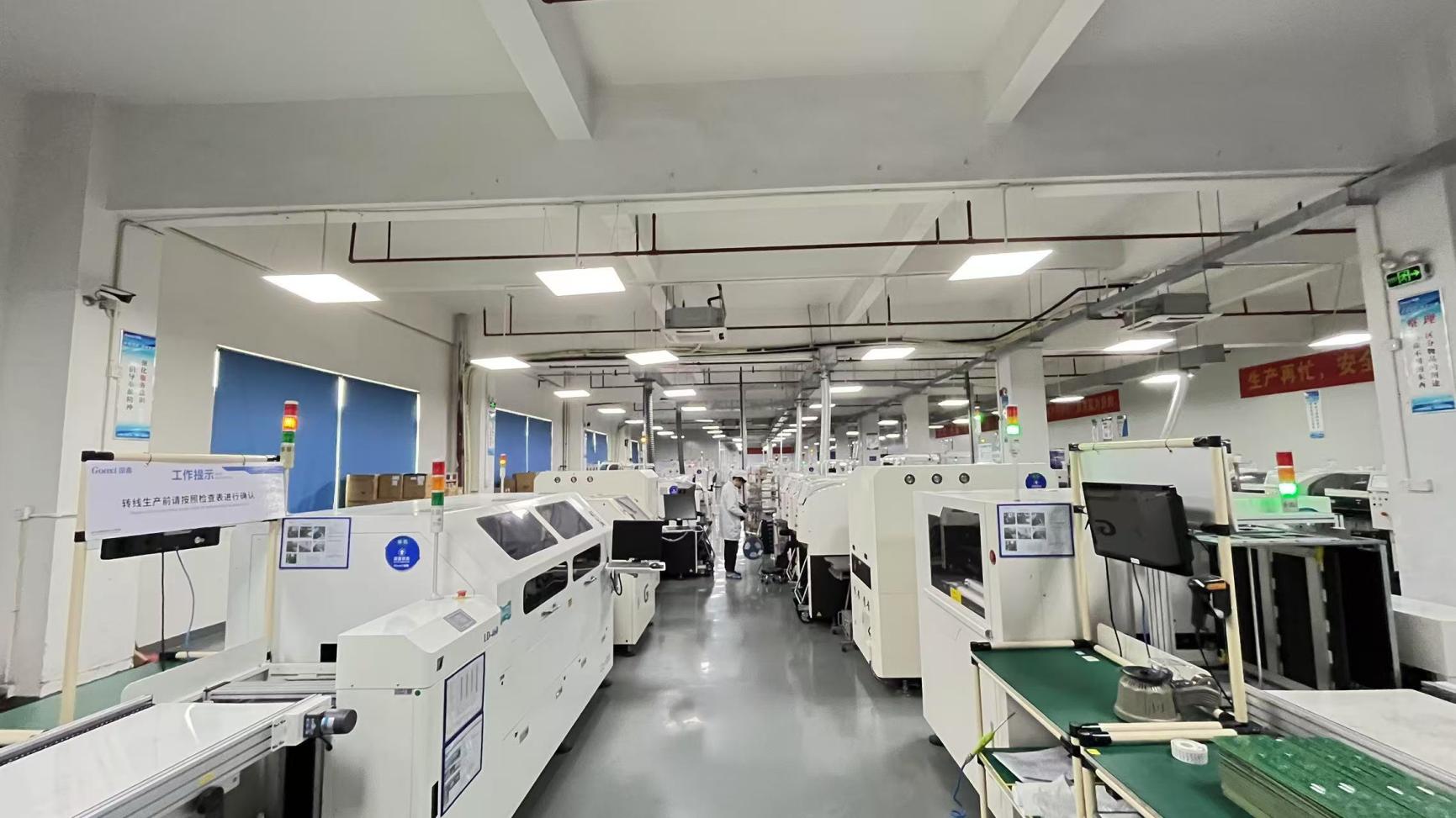
The company operates a production facility covering approximately 8,500㎡, supporting efficient manufacturing and quality-controlled assembly processes. With annual export revenue reaching around USD 18 million, Lumetra has built stable international business channels and accumulated 7 years of export experience, backed by 11 years of overall industry expertise.
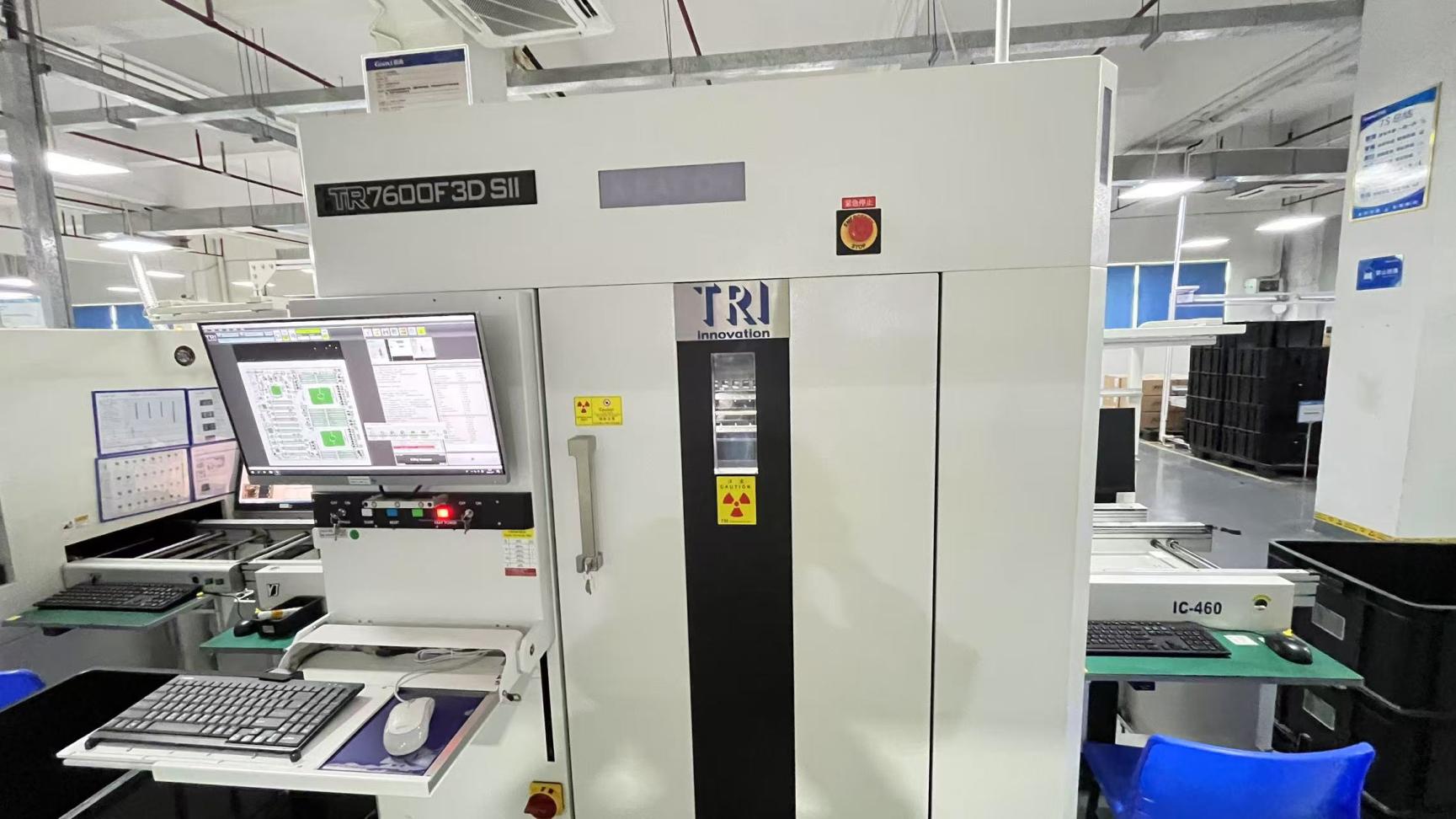
Quality assurance is maintained through a combination of automated optical performance testing, environmental stress screening, and manual inspection processes. The quality control team consists of 48 trained inspectors ensuring strict compliance with international standards. Lumetra maintains a diversified trade background with strong presence in OEM and ODM markets. Its primary markets include North America, Europe, Southeast Asia, and the Middle East, serving telecom operators, data center integrators, and network equipment distributors.
The company collaborates with over 1,200 supply chain partners to ensure stable component sourcing and manufacturing efficiency. Its customer base mainly includes telecom carriers, hyperscale data centers, system integrators, and optical network equipment brands.
With strong R&D capability, Lumetra supports advanced customization including protocol compatibility, wavelength tuning, form factor adaptation, and power optimization. The company employs 86 R&D engineers focused on optical design, hardware development, and signal integrity optimization. In the past year, Lumetra launched approximately 220 new products, reflecting its continuous innovation in high-speed optical communication technologies.

Expert technical answers to key sourcing and design queries on passive fiber optic components.
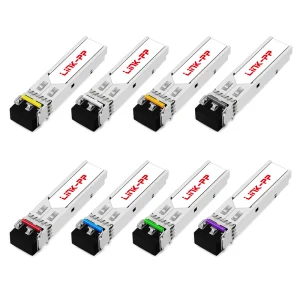
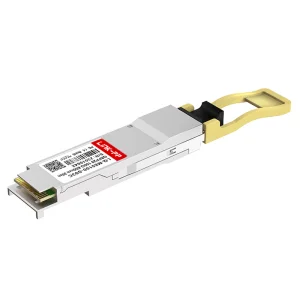
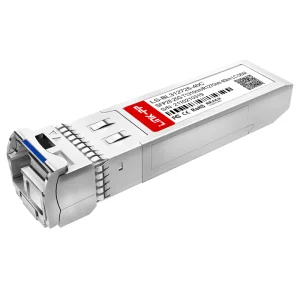
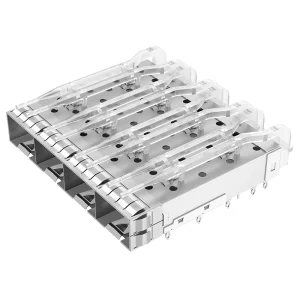
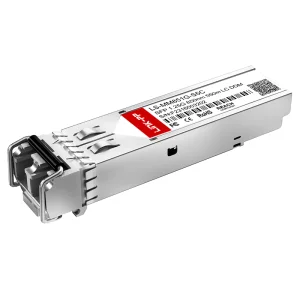
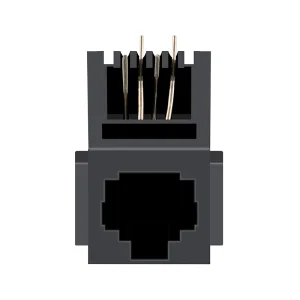
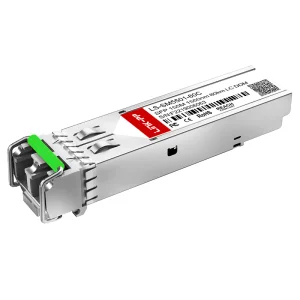
Explore our expanded selection of SFP, SFP28, and advanced modular connection solutions built to keep networks running smoothly.