Lumetra
Lumetra
Lumetra
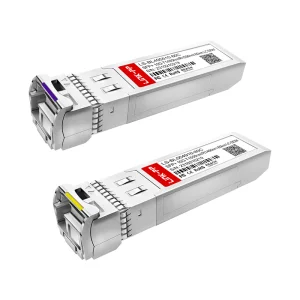
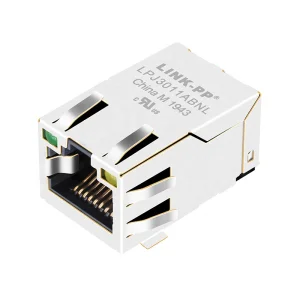
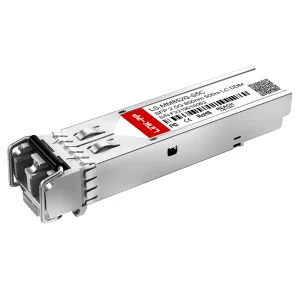
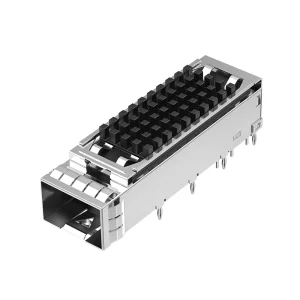
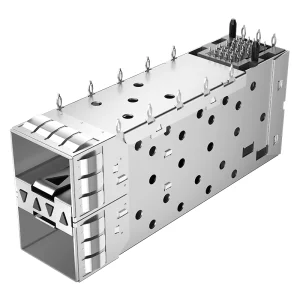
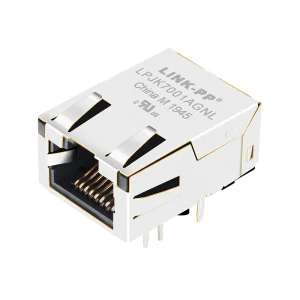
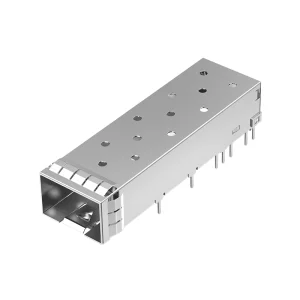
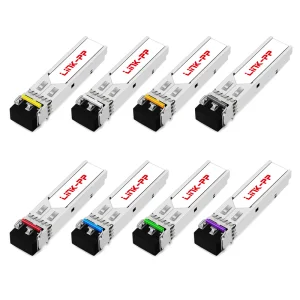
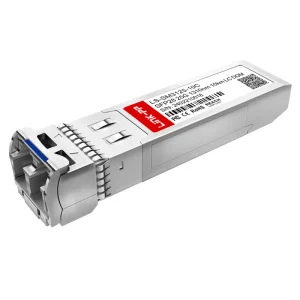
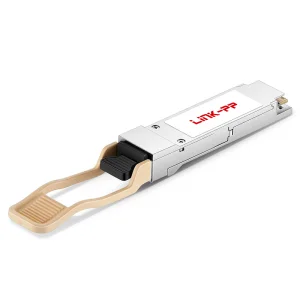
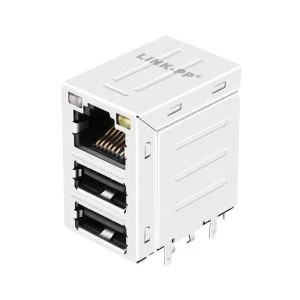
Explore our leading line of ultra-low profile RJ45 connectors, optical transceivers, and SFP+ cages designed for low-clearance architectures.
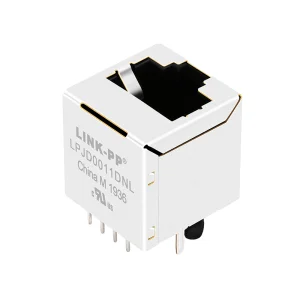
As cloud infrastructures, hyperscale data centers, and advanced Internet of Things (IoT) systems experience exponential scaling, physical hardware designers face a dual constraint: maximizing port density while systematically reducing physical clearance. Low profile Ethernet jacks (typically featuring heights below 11.5 mm, down to ultra-low profile configurations of under 9.5 mm) have evolved from niche mechanical solutions into foundational building blocks of contemporary physical layer designs.
Standard RJ45 profiles restrict card stacking in multi-board blade servers and compact routers. Low profile connectors enable vertical stacking configurations that compress physical shelf-height in telecom racks, maximizing throughput per cubic meter.
Bringing the signal path closer to the PCB plane alters circuit inductance and capacitance. Advanced magnetic integrations (MagJacks) incorporate localized filtering, common-mode chokes, and specialized shielding to ensure 10G and 25G Ethernet compliance without external footprints.
Modern low-profile implementations must address physical stability. Surface Mount Technology (SMT) and Mid-Mount (sink-type) configurations require high coplanarity tolerances (often ≤ 0.1mm) to prevent solder joint failures under mechanical stress. By optimizing the contact design with gold-alloy platings (e.g., 50 micro-inches of gold over nickel), top-tier manufacturers achieve long-term reliable interfaces capable of withstanding hundreds of mating cycles under harsh environmental conditions.
How Lumetra Optoelectronics Technologies Co., Ltd. delivers high-speed hardware globally.
Founded in 2016, Lumetra Optoelectronics Technologies Co., Ltd. stands as a premier specialized manufacturer of high-speed optical transceivers, fiber optic communication sub-assemblies, and high-density networking interconnect elements. Operating from our state-of-the-art 8,500 square meter facility, we integrate structural design, mechanical engineering, signal-integrity modeling, and high-precision injection molding into a singular production pipeline.
Our export operations—which generate roughly USD 18 million annually—serve critical infrastructure providers across North America, Europe, Southeast Asia, and the Middle East. Backed by 11 years of industry experience and 7 years of specialized global logistics experience, we possess the institutional knowledge required to navigate rigorous compliance landscapes, including RoHS, REACH, CE, and FCC regulatory frameworks.
Our design capability is sustained by a dedicated engineering force of 86 R&D professionals. Focusing on optical design, high-frequency PCB layouts, and multi-gigabit signal simulation, this team enabled the launch of approximately 220 new products over the past 12 months, maintaining Lumetra's position at the forefront of interconnect innovation.
Why top-tier global network integrators source low profile RJ45 and SFP platforms from our localized ecosystem.
Our strategic partnerships with over 1,200 supply chain providers grant us instant, high-volume access to premium engineering plastics (like LCP and PPS), high-conductivity copper alloys, and high-precision electroplating services. This prevents supply bottlenecks.
Quality control is overseen by 48 professional inspectors. We conduct advanced automated optical performance tests, environmental stress screening (ESS), salt spray corrosion evaluations, and multi-axis mechanical durability profiles to guarantee zero-defect shipments.
From custom footprint adaptations and varying tab orientations (tab-up vs. tab-down) to integrated LED configurations and application-specific optical transceiver designs, our tooling facilities support rapid prototyping cycles.
Where low-profile interconnect designs actively drive structural performance improvements.
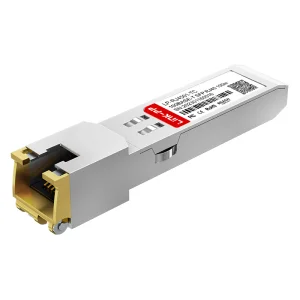
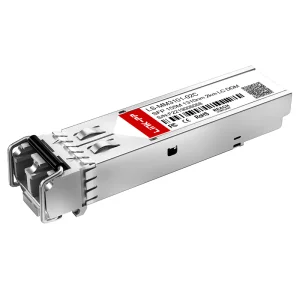
In modern rack-scale systems, space optimization dictates overall processing density. Low profile SMT RJ45 connectors and ultra-dense SFP/SFP+ cages with integrated heat sinks allow designers to build slimmer network switch blades. This directly improves cold-aisle air circulation profiles while maximizing the number of physical ports on front panels.
Edge gateways, smart manufacturing controllers, and outdoor telecom nodes are subject to severe vibration, moisture, and extreme temperature cycling. Lumetra's low profile jacks incorporate robust through-hole reflow (THR) or press-fit mountings that resist physical vibration, coupled with advanced copper shielding configurations to block industrial electromagnetic interference.
Inside Lumetra's advanced 8,500㎡ facility, where quality control and high-volume output align.
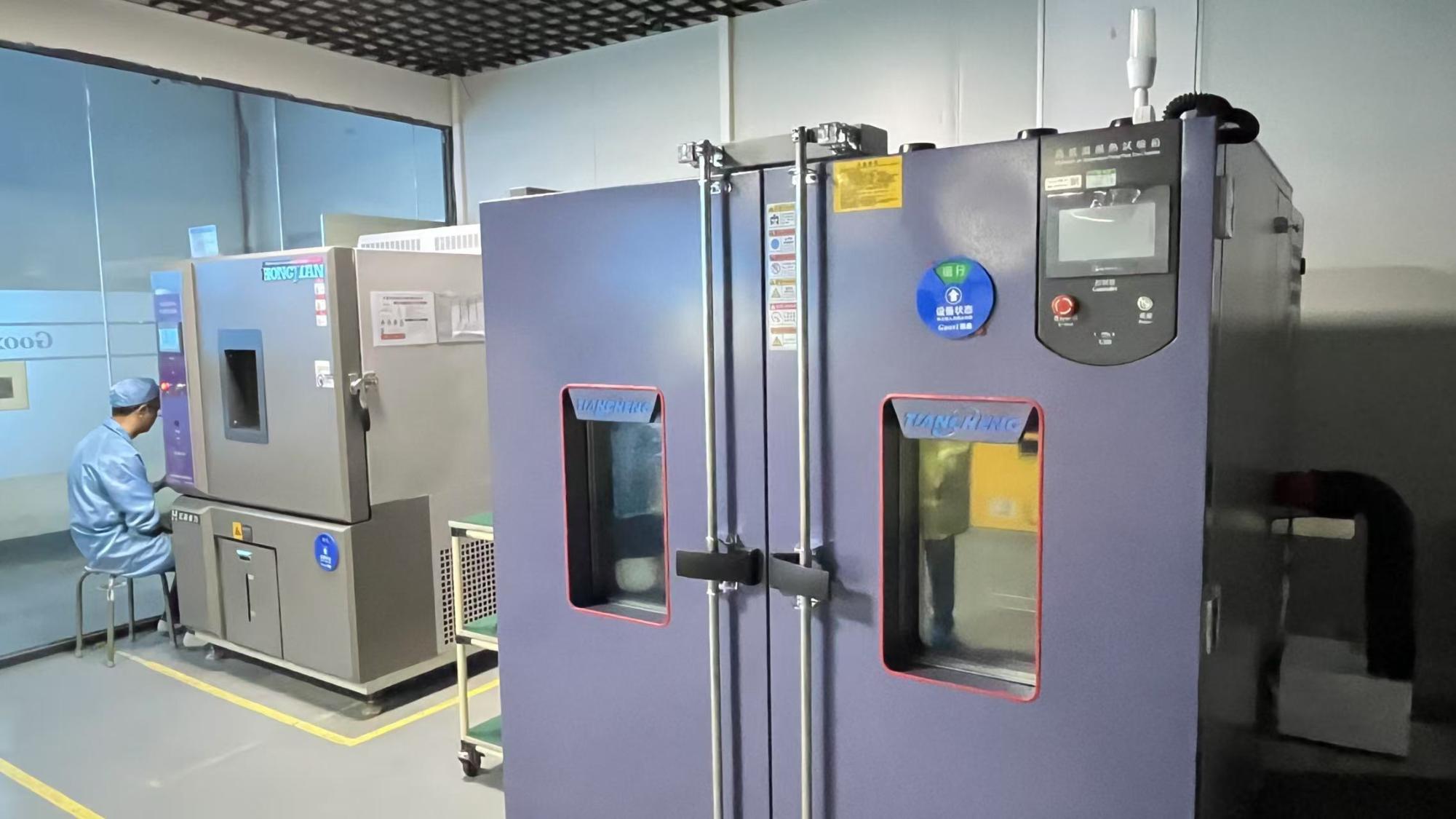
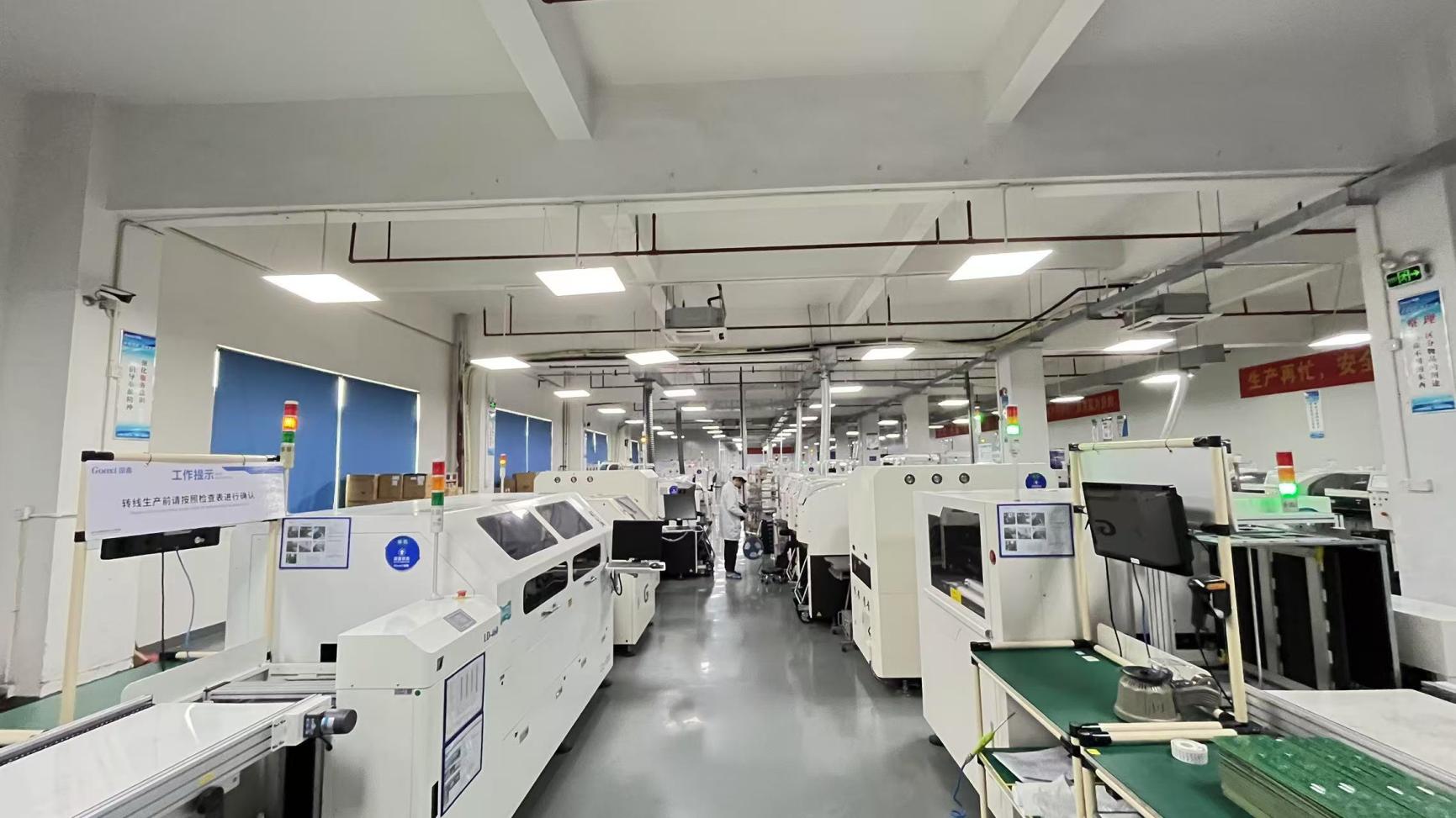
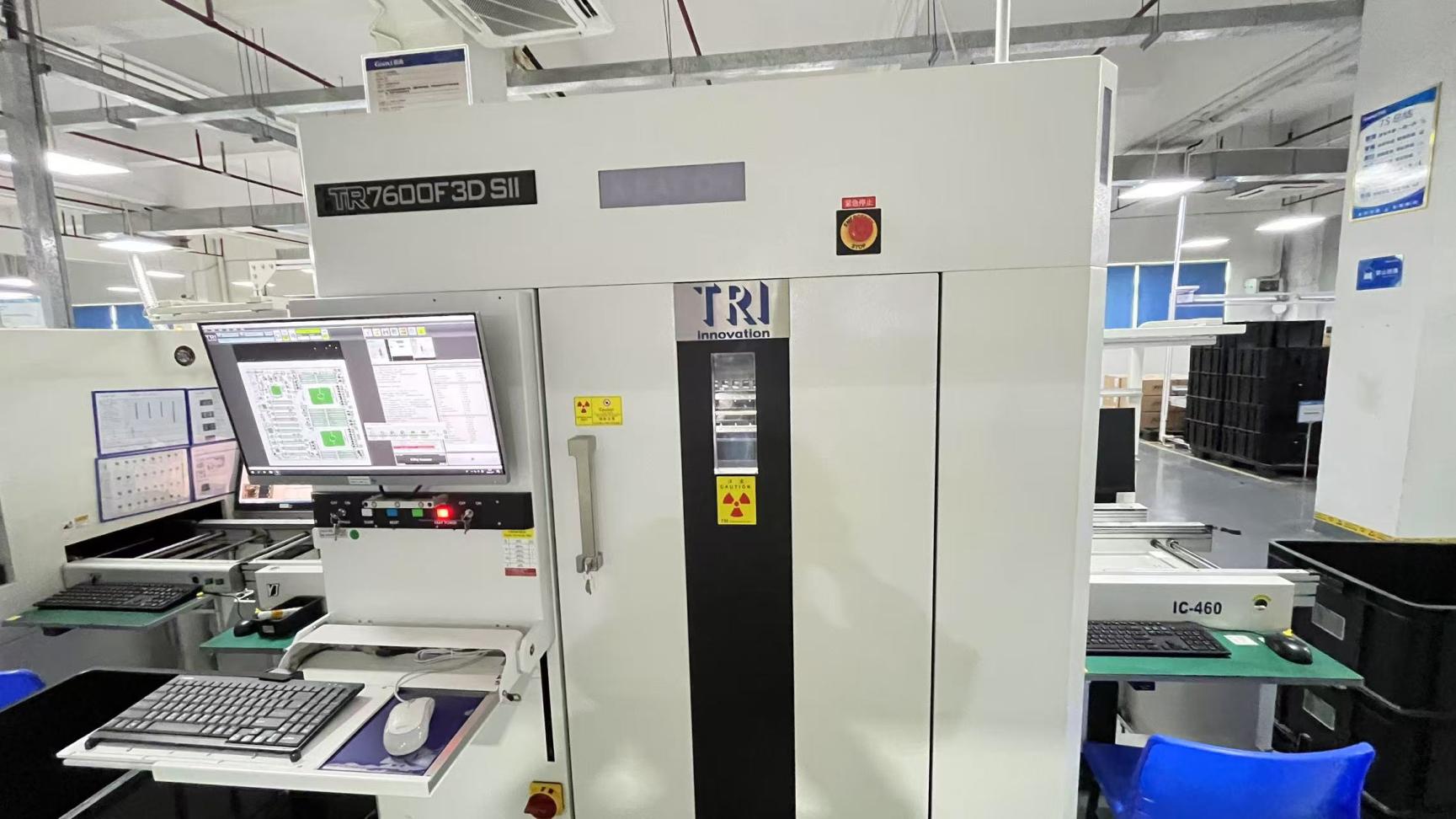

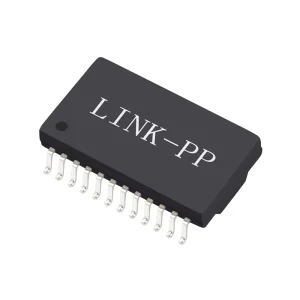
Our comprehensive portfolio supports multi-gigabit copper, fiber, and EMI shield containment.
As multi-gigabit and high-frequency systems scale, physical RJ45 technologies must adapt. Three primary technological trends are dictating the future trajectory of low profile connectivity components:
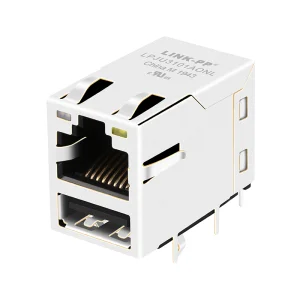
Standard connectors require discrete magnetics on the system board, occupying valuable surface real estate. Integrated Magnetic Jack (IMJ) designs pack transformers, filters, and resistors inside the shielding of the low-profile connector itself, shortening physical paths and isolating high-frequency noise close to the entry point.
With industrial systems standardizing on lead-free reflow profiles, the thermoplastic housings must handle temperatures up to 260°C without mechanical warping or losing structural coplanarity. This requires utilizing high-grade Liquid Crystal Polymers (LCP).
While standard 10/100 Base-T jacks historically dominated, localized networks demand transitions toward 2.5G, 5G, and 10G speeds over copper infrastructure. Achieving this requires precision wire spacing inside the jack to mitigate near-end crosstalk (NEXT) and return loss.
Technical clarifications on low profile Ethernet jacks, customization options, and supply capabilities.