Lumetra
Lumetra
Lumetra
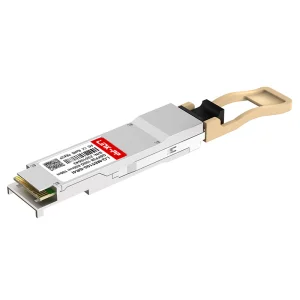
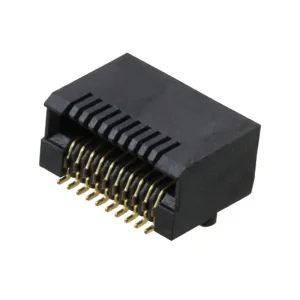
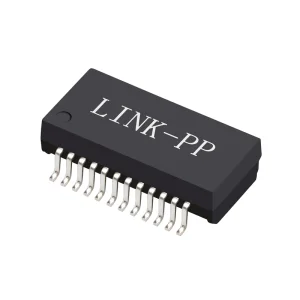
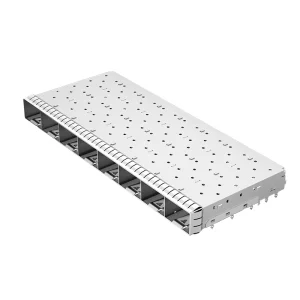
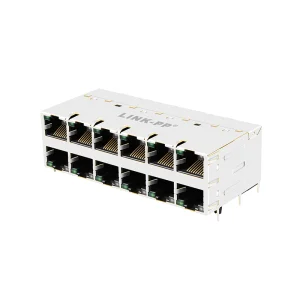
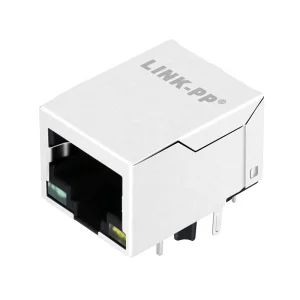
Deploying enterprise network infrastructure requires physical interfaces engineered for low insertion loss, robust EMI shielding, and high-frequency signal stability. Explore our first suite of specialized physical connectivity modules designed for high-density architectures:
In the modern digital landscape, the performance of data processing engines is heavily gated by optical interconnect bandwidth and network card design. The transition from legacy Gigabit Ethernet solutions to high-capacity 100G, 400G, and 800G fabrics has necessitated fundamental breakthroughs in Physical Layer (PHY) components, signal conditioning, and heat dispersion designs.
A Network Interface Card (NIC) functions as the hardware bridge translating high-level bus architecture cycles (such as PCIe Gen 4/5/6 lanes) into serialized optical or copper electrical impulses transmitted across physical media. Optical transceivers, shielding cages, and high-frequency connectors (like vertical press-fit assemblies) constitute the critical path. If signal attenuation, electromagnetic interference (EMI), or thermal thresholds are compromised at this physical interface layer, packet loss escalates, driving up latency and reducing transmission efficiency.
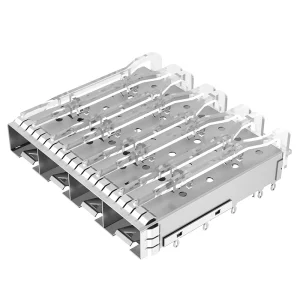
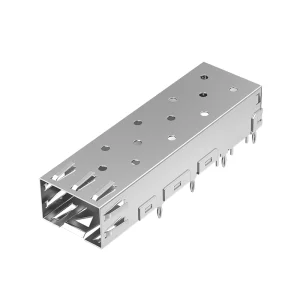
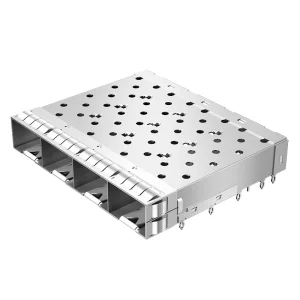
Multi-port press-fit cages with grounding tabs block high-frequency electromagnetic leakage, ensuring pristine signal path integrity in dense multi-gigabit hardware configurations.
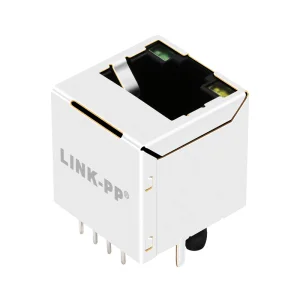
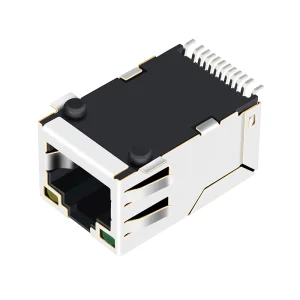
Integrated magnetic modules inside SMT RJ45 connectors provide common-mode rejection and DC isolation, filtering switching noise out of high-speed differential signal pairs.
Modern zSFP+ and QSFP-DD structures integrate thermal heat sinks and optical light pipes directly onto cages to manage dissipation from power-dense high-bandwidth transceivers.
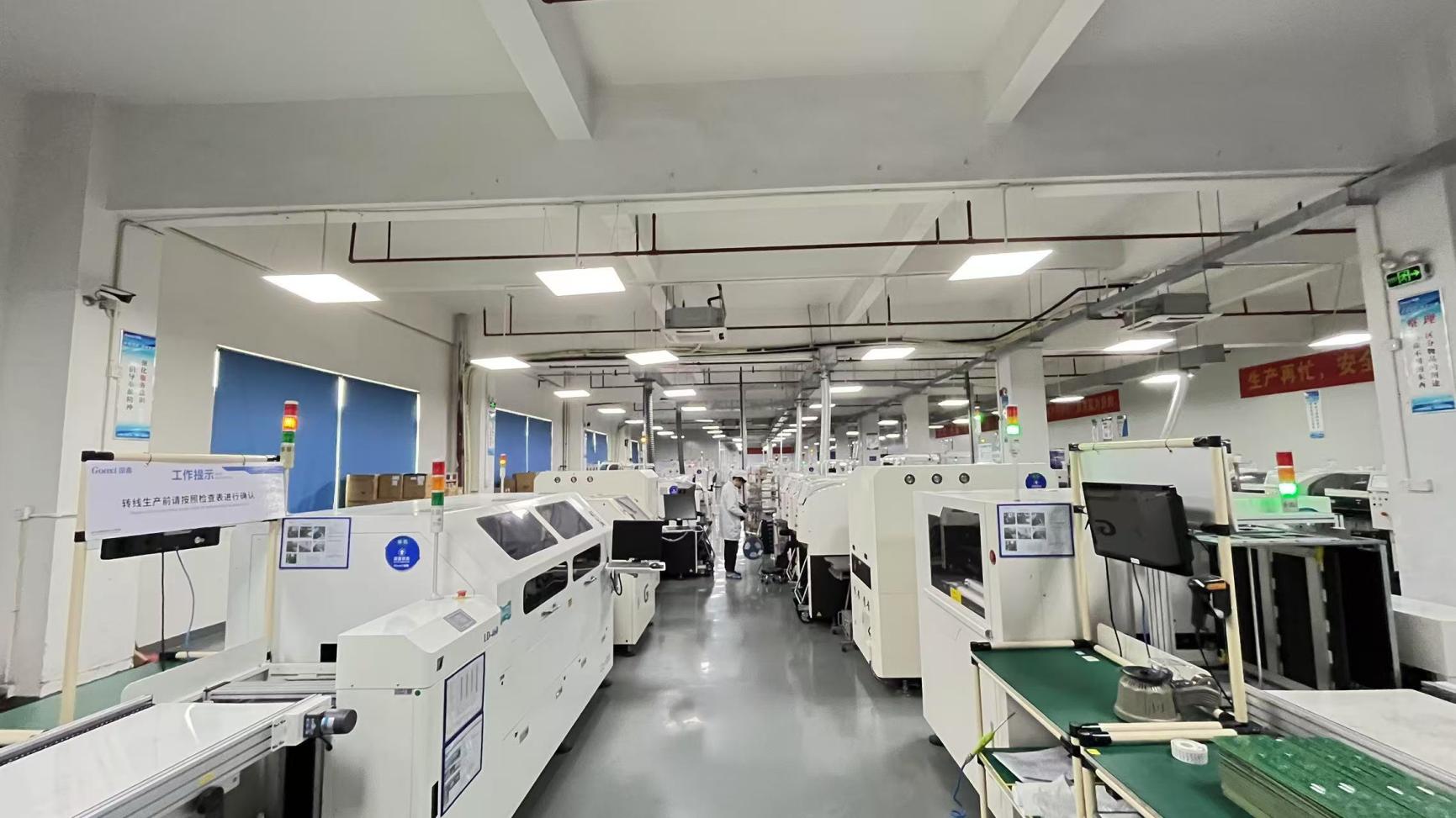
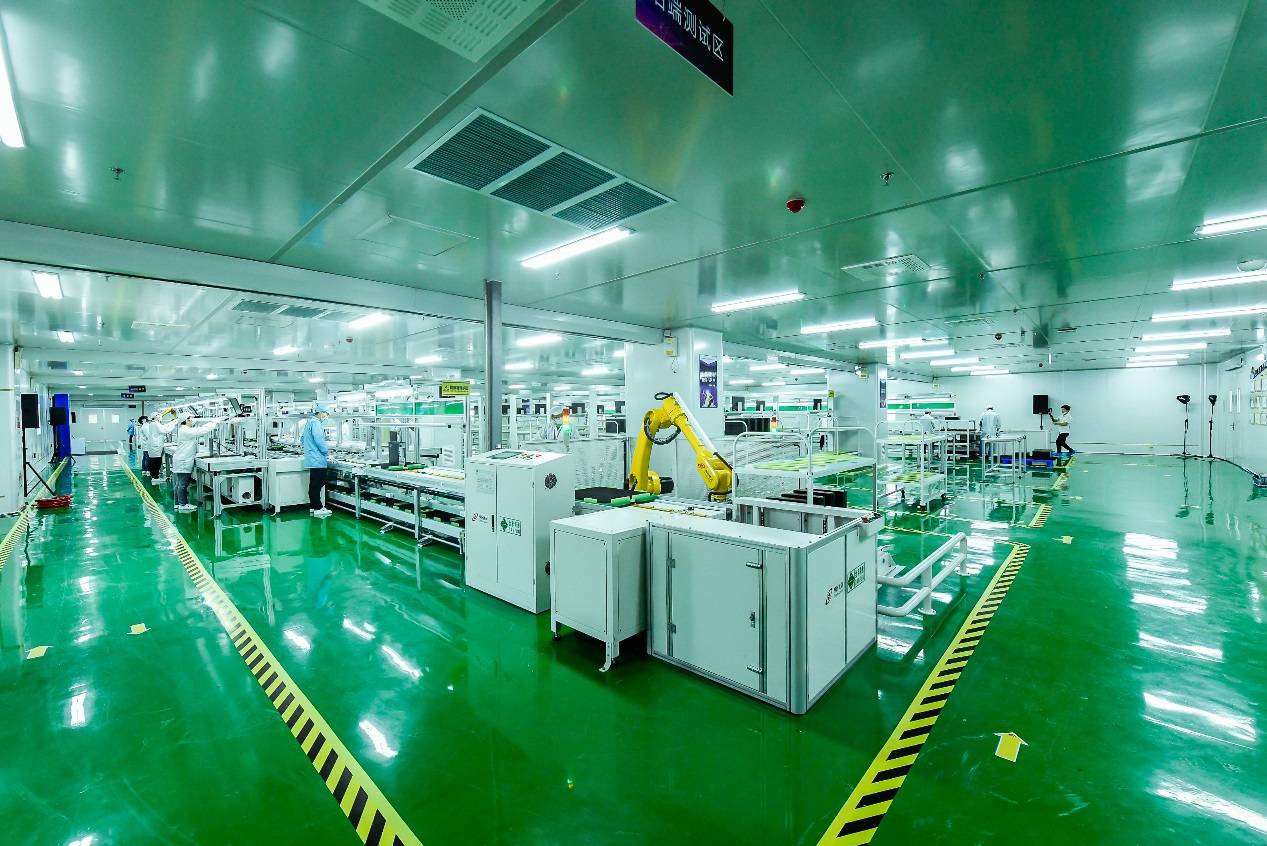
In the highly competitive market of network components and high-speed optical communications, Lumetra Optoelectronics Technologies Co., Ltd. leverage the depth of China's advanced industrial ecosystem. Based on our 8,500㎡ facility, we deliver professional R&D and high-volume output of network adapters, physical connectors, transceivers, and shield cages.
China's manufacturing dominance is not merely a matter of scale; it is an optimization of the raw supply chain ecosystem. Lumetra's partnership network encompasses over 1,200 raw material and component suppliers, enabling agile sourcing, custom metallurgy for contacts, and rapid turnaround on custom molding. Key highlights of our industrial advantages include:
Backed by 11 years of structural industry experience, our R&D group handles complex custom layouts: multi-port cage structures, modified PCB pinout geometry, wavelength customization, and specific software EEPROM coding to ensure seamless multi-vendor compatibility.
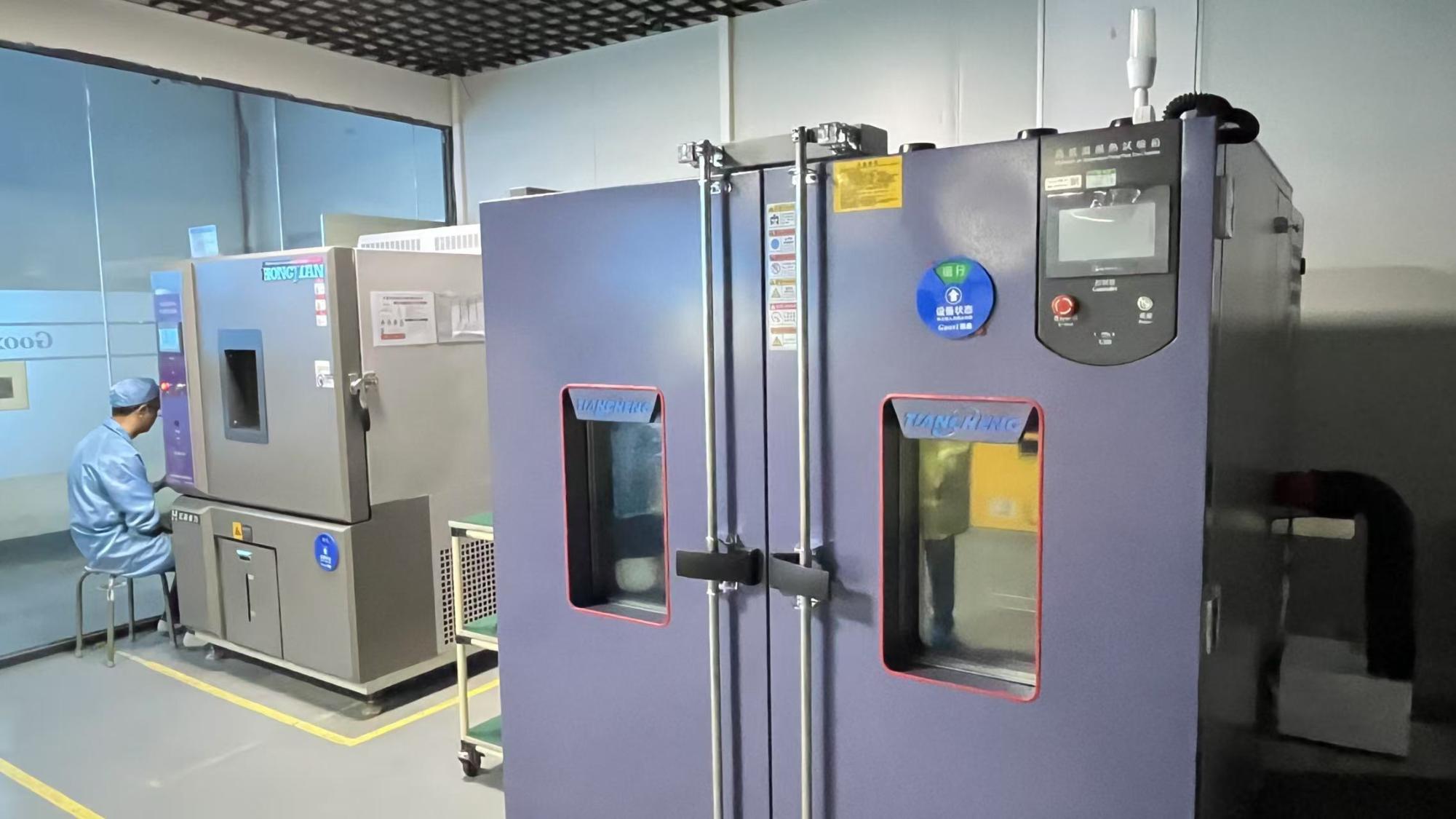
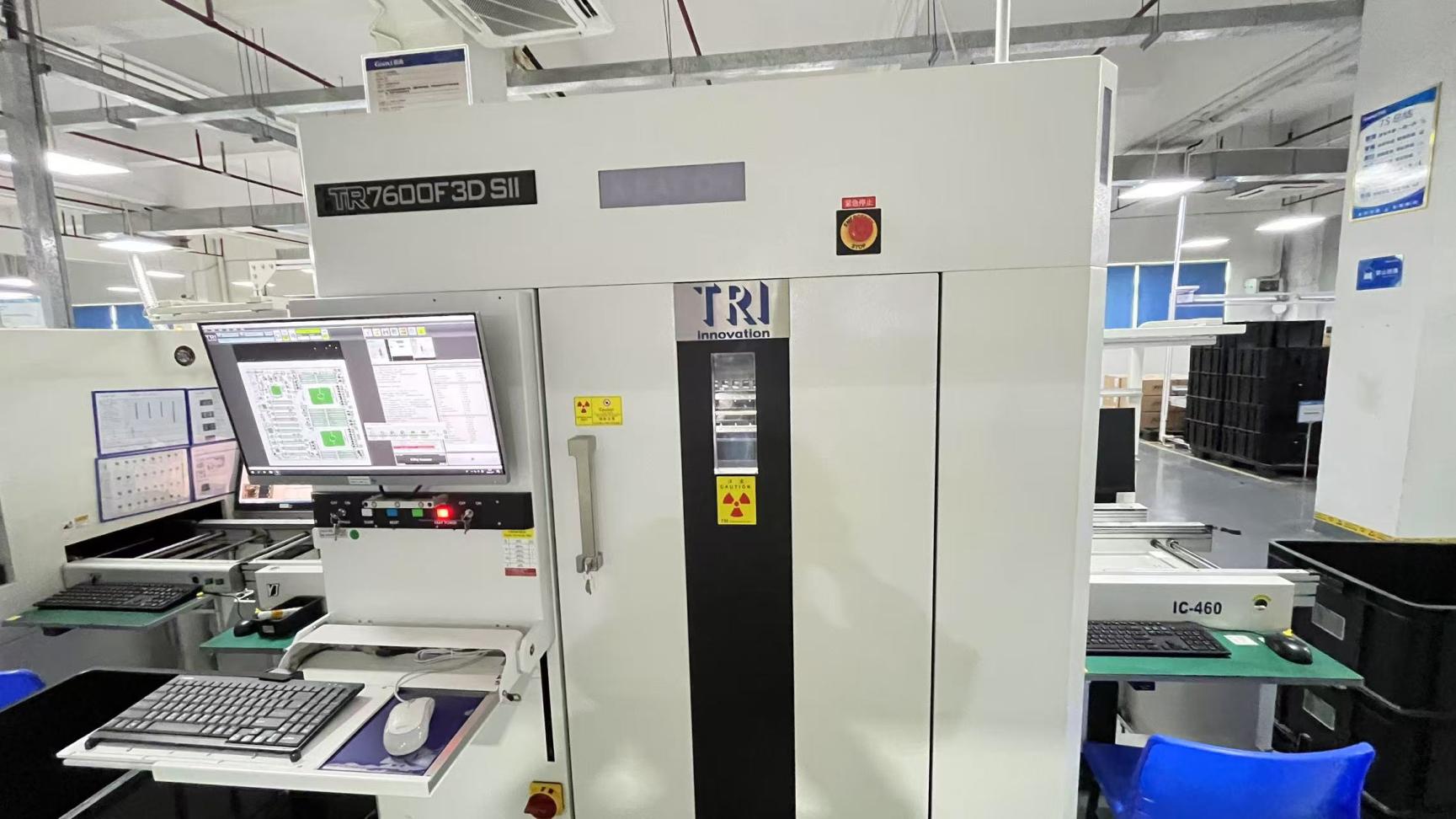
Quality assurance is managed by 48 certified inspectors utilizing high-precision optical analyzers, Bit Error Rate (BER) testers, heat simulation, and mechanical cycle stress frames. We confirm reliability across all manufactured products before distribution.
By standardizing mechanical tolerances and maintaining strategic inventories of optical engines and copper transceivers, Lumetra delivers rapid global exports, helping system builders optimize lead times.
The network hardware space is experiencing significant shifts driven by artificial intelligence workloads, big data analytics, and cloud infrastructure virtualization. Standard 10G and 40G systems are increasingly giving way to high-density 100G and 400G interfaces, which require robust hardware solutions to manage high data rates:
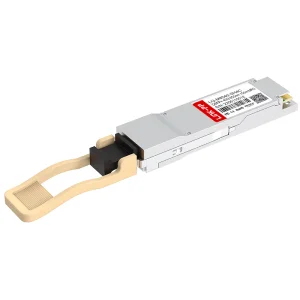
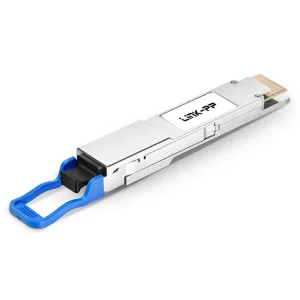
Modern data centers utilize Spine-Leaf designs where horizontal traffic demands minimal latency. Low-power 100G QSFP28 and 400G QSFP-DD interfaces are essential to maintain throughput while managing overall thermal budgets.
Metro transmission relies on long-range transceivers (such as the 10G DWDM 80km SMF module) to span urban areas without signal degradation, maintaining high-frequency precision and stable heat dissipation.
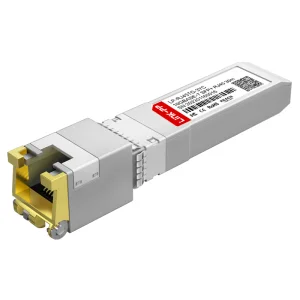
Enterprise switches require robust copper interfaces (like 10GBASE-T copper transceivers and multi-port modular RJ45 sockets) to support legacy equipment while enabling cost-efficient upgrades over structured cabling.
To address these developments, engineering teams must deploy components that balance electrical performance, thermal limits, and physical space requirements. For example, using press-fit SFP cages with built-in light pipes allows for compact layout densities while providing clear status indicators for system operators.
When constructing a high-speed network environment, engineering teams evaluate the network path as an integrated system, balancing host bus capabilities with transmission lines and end-point optics. Implementing high-speed transceivers alongside lower-quality cages or connectors often results in performance bottlenecks. Lumetra provides end-to-end physical interface solutions designed to eliminate these issues:
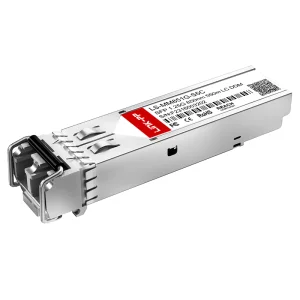
For long-distance, high-bandwidth telecom links, single-mode fiber systems utilizing 400G QSFP-DD or 10G DWDM 80km transceivers must connect through low-insertion-loss LC connectors. Our modules are designed for precise physical alignment, keeping back-reflections to a minimum to ensure consistent long-range performance.
As board trace density increases, structural crosstalk can degrade system performance. Utilizing multi-port cages (such as 1x4 and 1x8 SFP configurations) with integrated metal shielding fingers and press-fit pins helps contain stray electromagnetic energy, ensuring stable operation for adjacent signal lines.
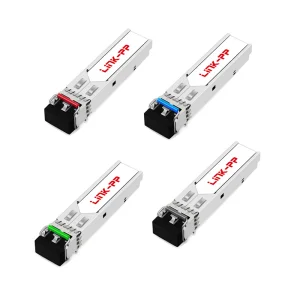
For organizations operating multi-vendor network equipment (such as Cisco, HPE, or Aruba), transceiver firmware compatibility is critical. Lumetra programs each transceiver's integrated EEPROM memory with appropriate vendor-specific codes to ensure immediate plug-and-play operation and prevent system lockouts.
Lumetra Optoelectronics Technologies Co., Ltd. is a specialized manufacturer focused on high-speed optical transceivers and fiber optic communication systems for data center, telecom, and cloud infrastructure operations. Established in 2016, the company has grown into a reliable global supplier with robust engineering capabilities and significant export experience.
Operating from our 8,500㎡ facility, we manage assembly, testing, and packaging processes in-house. With annual export revenues reaching approximately USD 18 million, Lumetra has built stable international channels, drawing on 7 years of export history and 11 years of industry experience to support our global client base.
Explore our second suite of connectivity components, containing copper transceivers, magnetic vertical jacks, and shielded multi-port cages designed to meet modern data rate demands: