Lumetra
Lumetra
Lumetra
Engineered to ensure zero packet loss under extreme temperatures and severe electromagnetic interference (EMI).
An in-depth technical examination of the hardware demanding standards shaping modern industrial control networks.
As the architecture of global manufacturing migrates towards Industry 4.0, Cyber-Physical Systems (CPS), and Big Data analytics, the demand for resilient network infrastructure has undergone an exponential surge. Commercial switches fail rapidly when deployed on factory floors, in intelligent transportation cabins, or at oil and gas exploration sites. The difference lies in the physical and electromagnetic engineering of the switch interfaces. Specifically, the RJ45 ports and SFP uplink cages of an industrial switch must withstand continuous micro-vibrations, extreme high and low operating temperatures, and transient high-voltage spikes caused by heavy inductive load switching.
Historically, the industrial ethernet switch landscape was dominated by simple 10/100 Mbps layer 2 hubs. Today, the convergence of Information Technology (IT) and Operational Technology (OT) demands multi-gigabit throughput. This has driven the widespread adoption of 1Gbps, 2.5Gbps, and even 10Gbps RJ45 ports integrated directly into DIN-rail configurations. According to recent industrial data analysis, the global industrial switch market is projected to reach USD 4.8 Billion by 2028, with China acting as the major manufacturing epicentre for both complete appliances and high-performance magnetic assemblies.
Factory environments run heavy machinery, variable frequency drives (VFDs), and high-voltage relays that create huge EMI fields. Industrial switches counter this using multi-point grounding SFP cages and fully shielded RJ45 Magjacks (Integrated Connector Modules - ICMs) featuring internal copper alloy shielding plates to eliminate near-end crosstalk (NEXT).
Unlike commercial switches restricted to 0°C to 40°C, industrial ethernet components must run continuously at -40°C to +85°C. This requires specialized magnetic cores within the RJ45 connectors that maintain constant inductance across thermal curves, preventing signal distortion and packet drop-outs.
Understanding the internal electrical and physical shielding mechanisms that differentiate industrial connectors from standard ones.
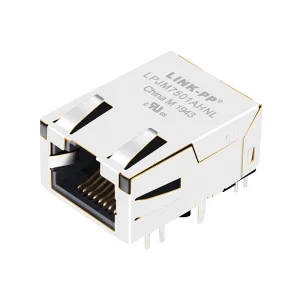
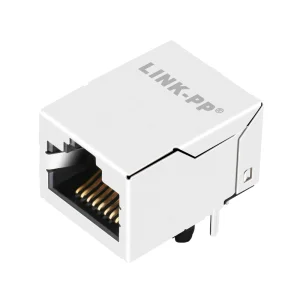
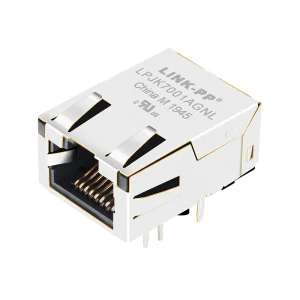
Inside an industrial switch, the RJ45 port is not merely a plastic socket. It is an Integrated Connector Module (ICM) designed with embedded isolation transformers and common mode chokes. The transformer performs two essential functions: impedance matching and high-voltage isolation. For standard IEEE 802.3 networks, a minimum of 1500V AC isolation is required to prevent loop currents or lightning surges from frying the expensive Physical Layer (PHY) chip inside the switch.
Furthermore, the physical pins inside the jack are plated with up to 50 micro-inches of hard gold. This thick plating prevents corrosion caused by moisture, sulfur gas, and saline air commonly present in marine, offshore oil rigs, or sewage treatment facilities. Below is a detailed engineering comparison of commercial vs. industrial RJ45 switch connectors:
| Feature Parameter | Commercial RJ45 Connector | Industrial Shielded RJ45 Magjack |
|---|---|---|
| Operating Temperature | 0°C to +50°C | -40°C to +85°C |
| Magnetic Isolation Voltage | 500V AC | 1,500V AC to 2,250V DC |
| Contact Gold Plating Thickness | 3u" to 15u" gold flash | 30u" to 50u" hard gold over nickel |
| ESD Protection (IEC 61000-4-2) | Non-rated or basic protection | Contact discharge 8kV, Air discharge 15kV |
| Housing Materials | Standard Thermoplastic (UL94V-0) | High-temp LCP or PBT with copper alloy shield |
| PoE Compatibility | Basic PoE (15W) | PoE+ & PoE++ (up to 90W per port, balanced magnetics) |
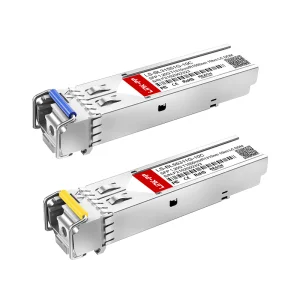
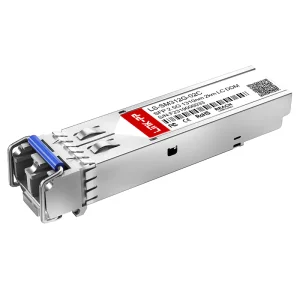
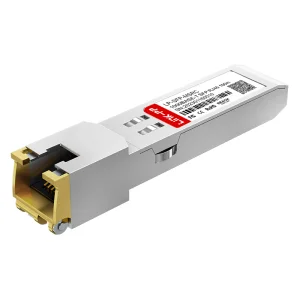
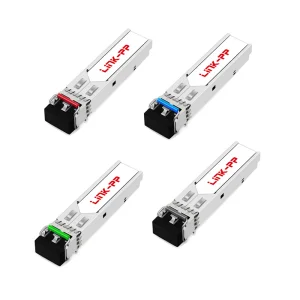
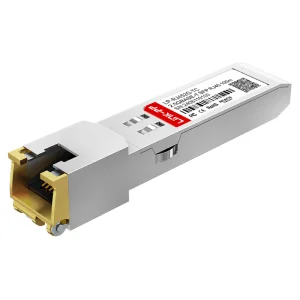
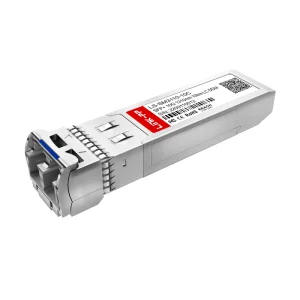
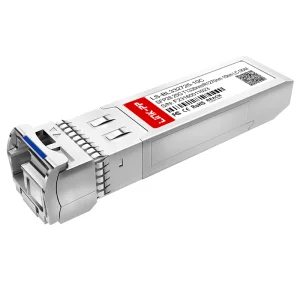
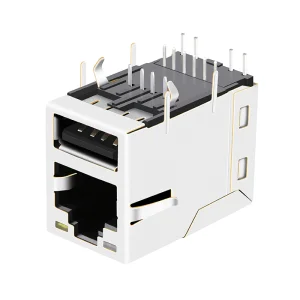
Modern industrial switches also require diagnostic capabilities. The addition of multi-function interface modules, such as our Industrial RJ45 Magjack with USB, allows maintenance technicians to plug directly into the switch console panel for firmware configuration without disabling the ethernet uplink loop. Copper SFP and SFP28 transceivers (ranging from 1.25G to 25G) complete the physical network topology, enabling short-range local terminal copper connections and ultra-long-distance fiber uplinks from a single device footprint.
How specialized RJ45 and SFP transceivers act as critical lifelines across global industrial applications.
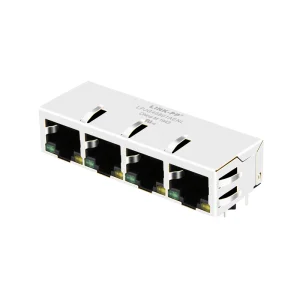
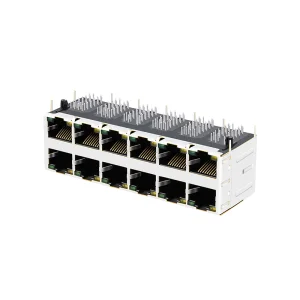
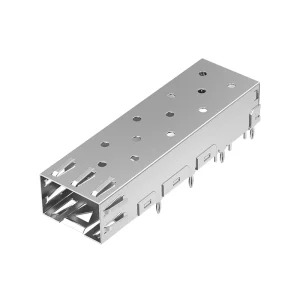
Electrical substations generate massive electromagnetic fields (EMI) and radio frequency interference (RFI) from high-voltage transformers. Industrial switches used here must conform to IEC 61850-3. Our multi-port shielded RJ45 connectors and press-fit SFP cages ensure that data communications for relay protection and control remain uninterrupted. Fiber optic transceivers provide complete galvanic isolation between distant buildings in the substation grid.
Vibration is the biggest enemy of networks deployed on railways or along roadsides. Standard RJ45 connections will experience micro-interruptions under heavy continuous vibration, causing packet loss and resetting critical camera feeds. Industrial switches utilize heavy-duty metal tab-up RJ45 connectors with strict mechanical retention forces. The housings are integrated with EMI fingers to ensure continuous ground contact under constant movement.
Under the PROFINET and EtherNet/IP standards, latency and jitter must be kept to microseconds. This requires precise magnetic transformers that limit signal attenuation and insertion loss across high-frequency ranges. Our 1000 Base-T magnetic connectors, with or without PoE integration, provide the optimized physical layer that allows real-time programmable logic controllers (PLCs) to communicate with robotic arms and distributed I/O blocks.
Refineries and offshore drilling platforms contain explosive gases and highly corrosive salt-spray. Industrial switch designs isolate the internal electronics by potting or using conformal coating, meaning the RJ45 connectors must be built from non-reactive polymers. Furthermore, optical fiber transceivers (like Single Mode 25G SFP28 modules) are used to run data lines over miles of terrain, unaffected by ground potential differences.
Understanding upcoming trends like TSN, Single Pair Ethernet, and High-Speed Copper Integrations.
As the demand for deterministic Ethernet grows, standard best-effort packet delivery is no longer sufficient. TSN (IEEE 802.1Q standards) allows real-time control traffic to coexist with high-bandwidth camera feeds on the same industrial switch. This puts strict requirements on the PHY transceiver and magnetics: they must guarantee ultra-low latency and deterministic delay variance (jitter) across the entire industrial temperature range.
For field-level sensor networks, running 4-pair or 2-pair copper cables is costly and bulky. Single Pair Ethernet (SPE) using 10BASE-T1L allows transmission of data up to 1,000 meters over a single twisted pair, along with power (PoDL - Power over Data Lines). Industrial switches are adding hybrid RJ45 / SPE ports to bridge the gap between heavy-duty backbones and lightweight sensor clusters.
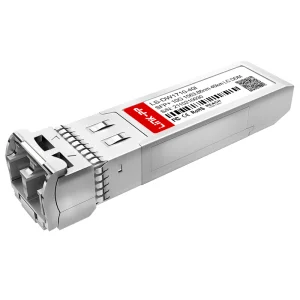
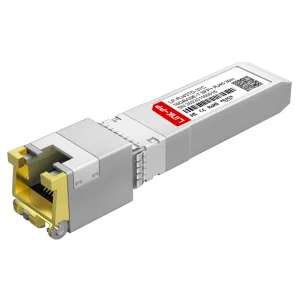
With edge computing nodes processing high-resolution AI camera feeds, industrial network backbones are shifting from 1G to 10G and 25G uplinks. Transceiver modules such as our 10GBASE-T SFP+ Copper transceivers enable high-speed copper connections over existing Cat6A cabling, saving costs on new fiber runs while maintaining robust industrial shielding characteristics.
A trusted China OEM/ODM partner with deep R&D engineering capabilities and strict quality control systems.
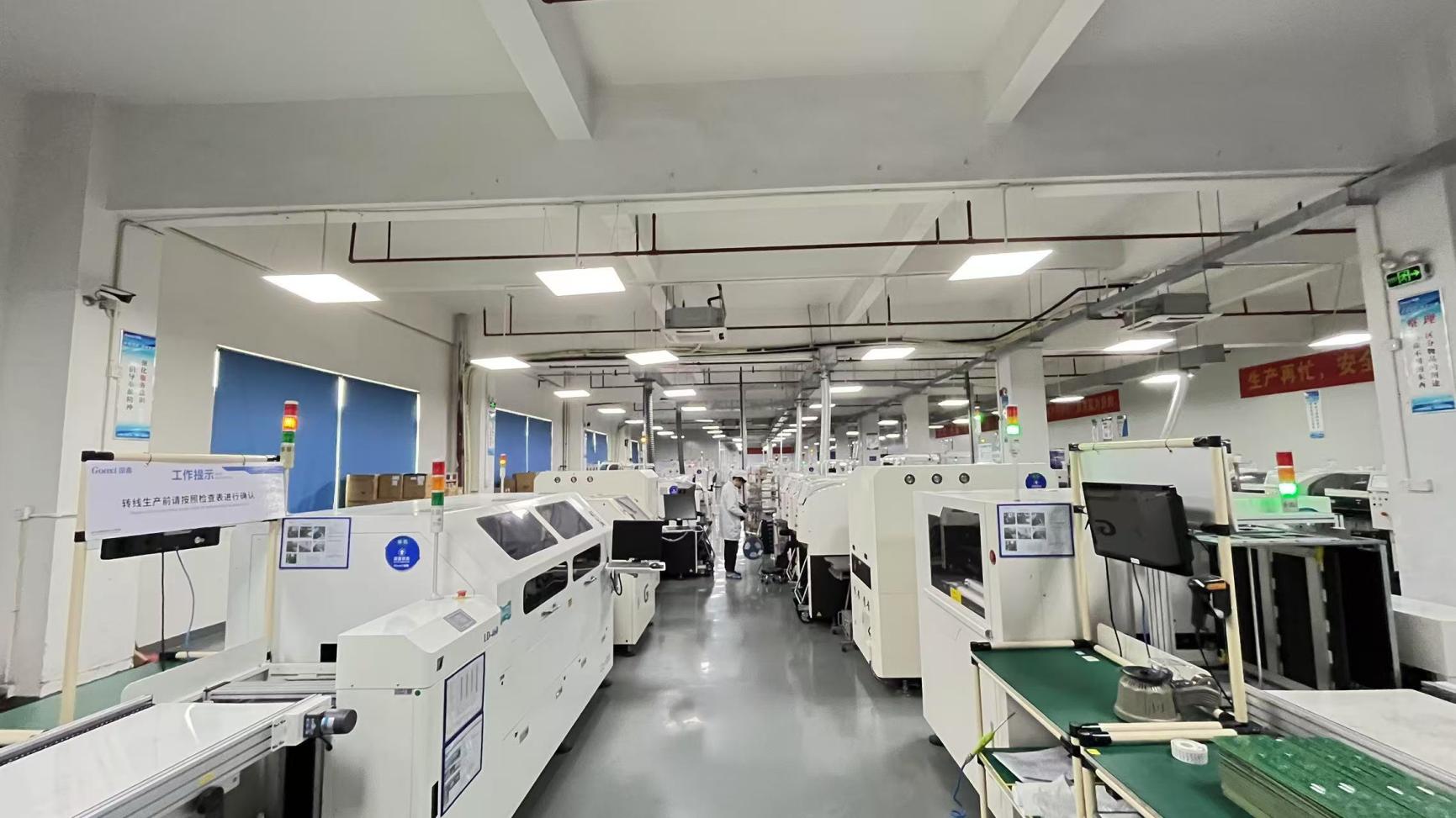
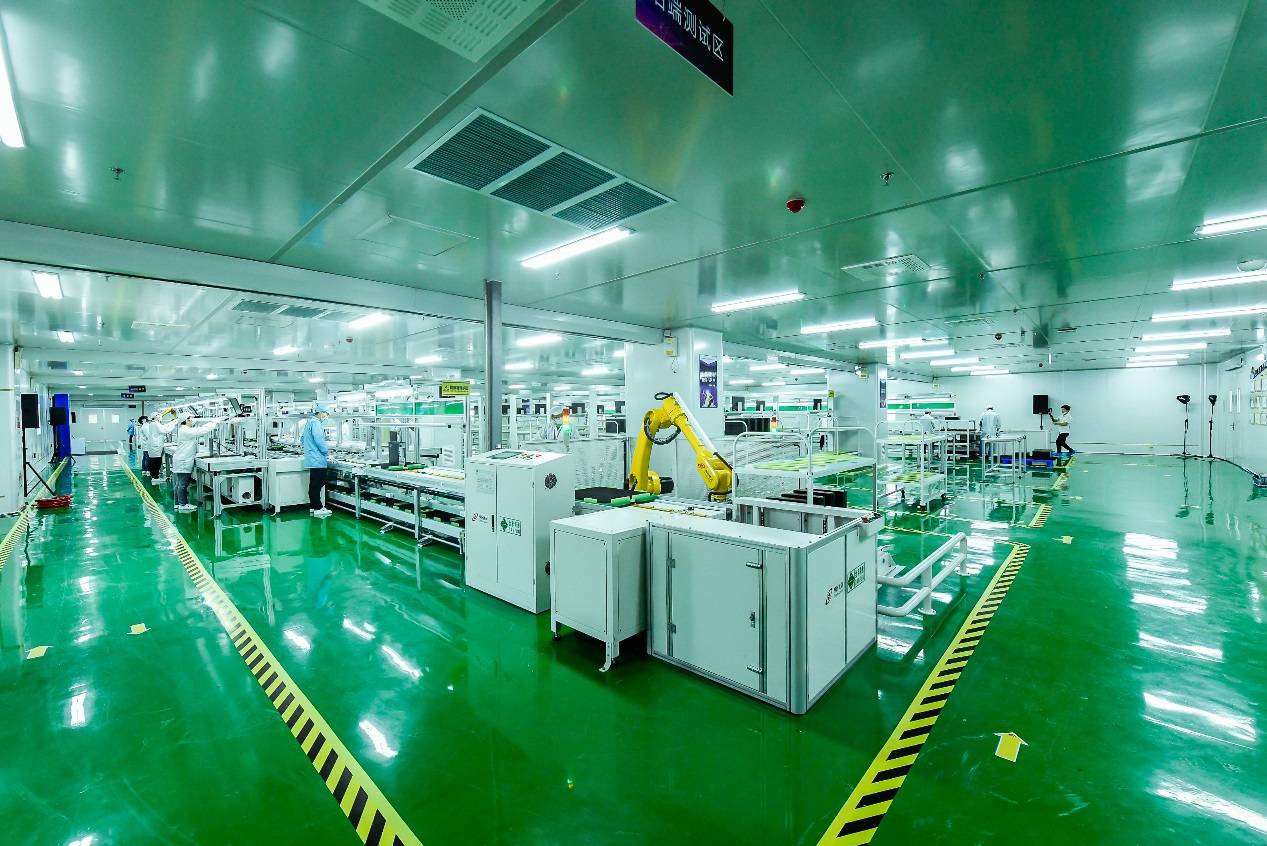
Founded in 2016, Lumetra Optoelectronics Technologies Co., Ltd. is a professional manufacturer specializing in high-speed optical transceivers, shielded SFP cages, and industrial RJ45 magnetic connectors for datacom, telecom, and cloud infrastructure applications. With an operational heritage built on 7 years of export experience and 11 years of overall industry expertise, the company has developed into a reliable supplier with strong engineering capabilities and global export channels.
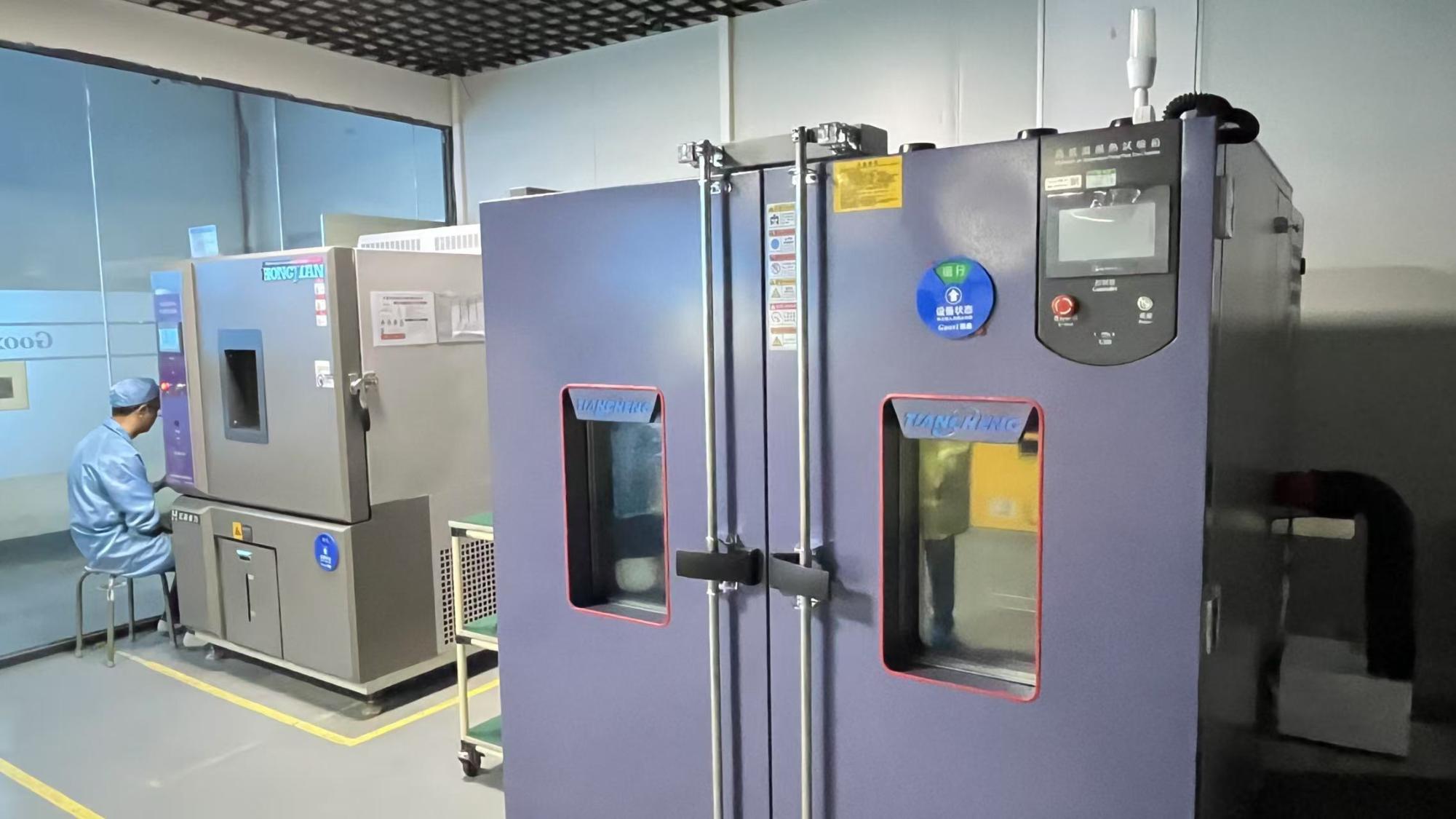
Our quality assurance workflow incorporates automated optical performance testing, environmental stress screening, and manual inspection processes to guarantee zero defects. We maintain a diversified trade background with a strong presence in OEM and ODM markets, collaborating with over 1,200 supply chain partners globally. Through continuous engineering innovation, Lumetra has launched approximately 220 new products over the past year, supporting advanced customizations including custom protocol compatibility, wavelength tuning, form factor adaptations, and power optimization.

Deep-dive answers to common engineering questions asked by systems integrators and network architects.
Complete your industrial switch configuration with copper and single-mode optical transceivers.