Lumetra
Lumetra
Lumetra
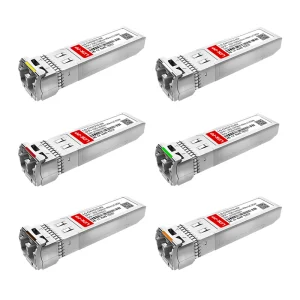
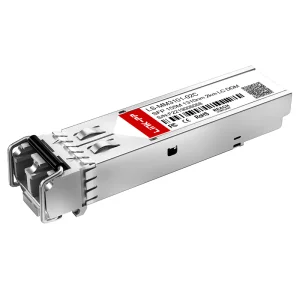
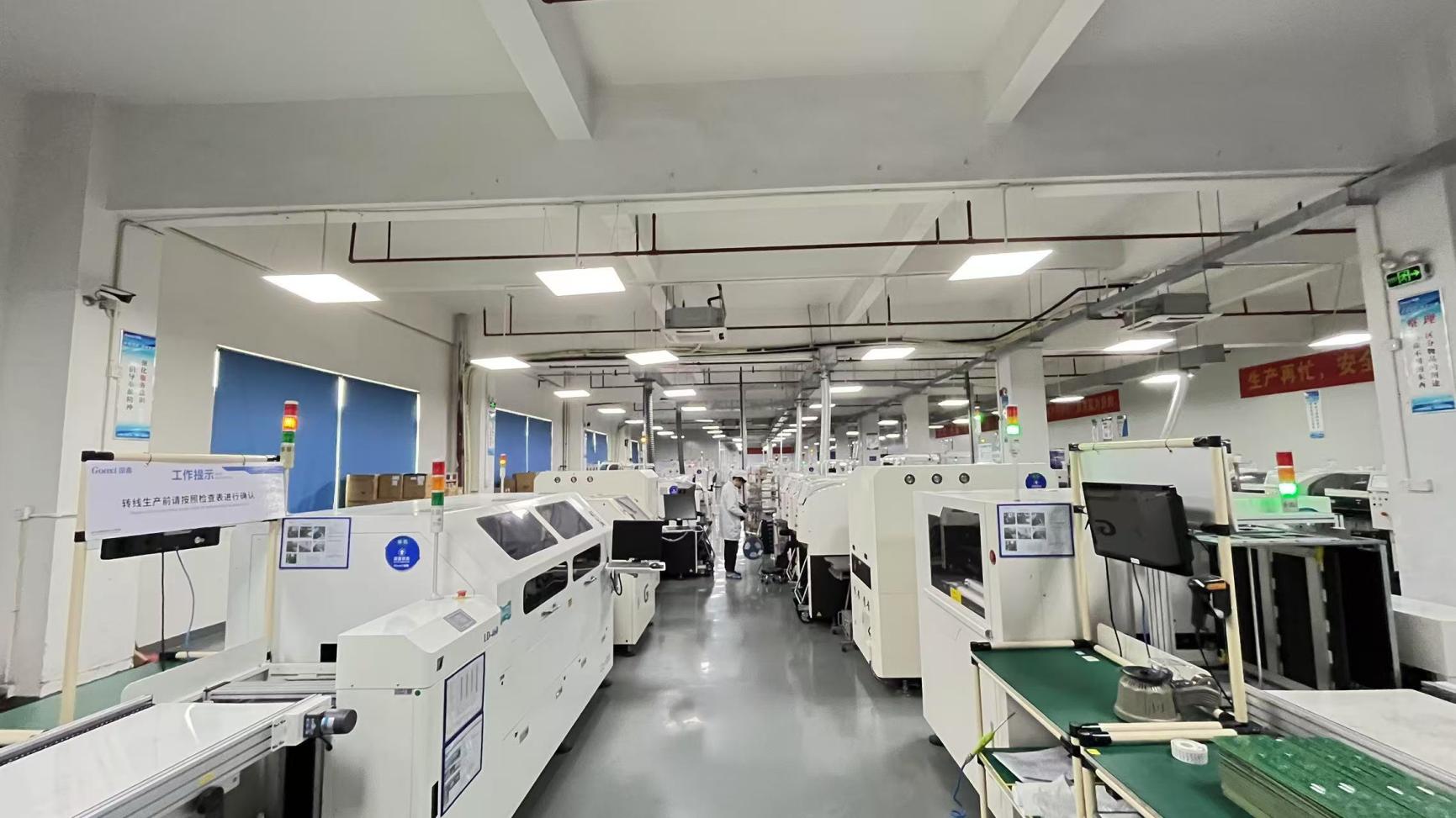
Founded in 2016, Lumetra Optoelectronics Technologies Co., Ltd. has established itself as an authoritative, high-technology manufacturer specializing in high-speed optical transceivers, fiber optic patch cables, cages, and integrated magnetics designed for next-generation datacom, telecom, and enterprise cloud networks. Operating a modern, state-of-the-art 8,500m² manufacturing facility, we integrate high-end optoelectronic research, precision mechanical engineering, and rigorous automated testing matrices.
We pride ourselves on our deep technical core, leveraging 11 years of overall industry expertise coupled with 7 years of specialized global export capabilities. Our structural focus on vertical integration—from optical sub-assembly (OSA) design to high-speed digital circuit board layouts—allows us to support complex engineering requirements from international network equipment providers and hyperscale data centers.
R&D Architecture: Supported by a dedicated division of 86 design, optoelectrical, and signal integrity engineers specializing in high-frequency transmission simulation and custom optical coupling.
Customization Scope: Full ODM/OEM options including multi-platform firmware compatibility coding, custom wavelength mapping (CWDM, DWDM, LAN-WDM), multi-mode and single-mode design variations, and low-profile space-saving physical layouts.
Robust Supply Chain: Networked with over 1,200 verified tier-1 component suppliers, ensuring stable pricing matrices and guaranteed raw material pipelines for rapid manufacturing scaling.
As AI compute clusters and large language models (LLMs) continue to scale, data transmission demands inside the spine-leaf network fabric have shifted from legacy 100G to 400G and 800G. Lumetra is actively tracking high-speed evolution by designing transceivers compatible with QSFP-DD800 and OSFP form factors. Our R&D efforts target ultra-low insertion loss connectors and optical engines using PAM4 modulation techniques to support high bandwidth while managing strict power constraints.
Traditional pluggable transceivers face physical density and thermal limitations at higher data rates. Co-Packaged Optics (CPO) and Silicon Photonics integrations represent the next frontier. By bringing the optical engine directly onto the compute ASIC substrate, we dramatically reduce electrical path lengths, lower signal attenuation, and cut power consumption by up to 30%. Lumetra's engineering teams are designing polarization-maintaining fiber arrays and ultra-precise optical coupling components to support these architectures.
To address latency-critical environments such as high-frequency trading and distributed high-performance computing, we are engineering interconnect components compatible with next-generation optical mediums. This includes Hollow-Core Fibers (HCF), which allow light to travel 30% faster than inside traditional silica cores, and Multi-Core Fibers (MCF) that multiply the spatial transmission lanes within a single physical fiber structure.
Refining mechanical tolerances of LC duplex and MPO/MTP connectors to achieve insertion loss profiles under 0.15dB. Implementing premium ferrule options to prevent return loss degradation in multi-path single-mode deployments.
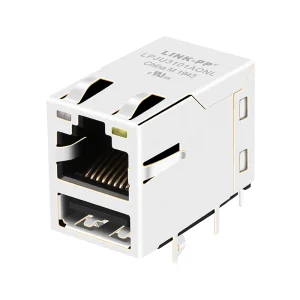
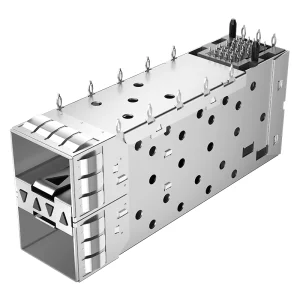
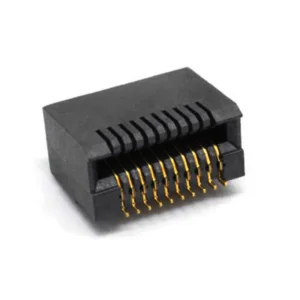
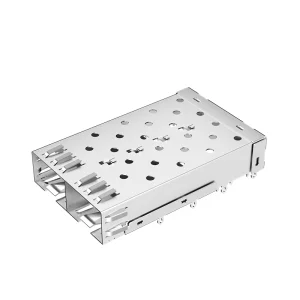
Launching 2x4 and 2x8 stacked SFP/QSFP cages featuring integrated heat sink structures and improved elastomeric EMI gaskets to handle thermal loads exceeding 15W per optical module port.
Developing standardized blind-mate optical backplane connectors and multi-channel fiber ribbons for seamless coupling with silicon photonics chips directly mounted inside hyperscale switch systems.
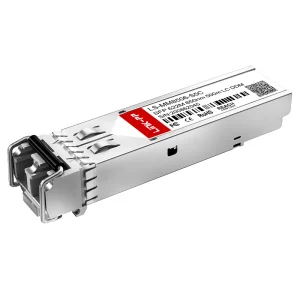
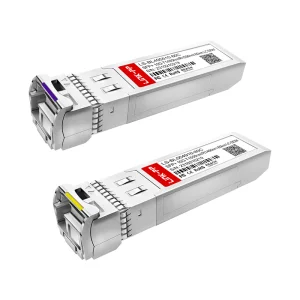
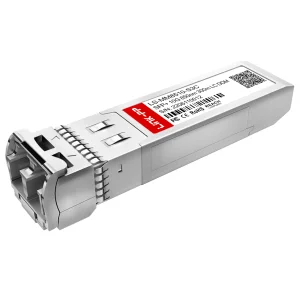
Modern AI workloads require high-density, non-blocking network topologies. Lumetra supplies high-reliability, low-latency multimode and single-mode optical transceivers (10G, 25G, 100G, and 400G series) designed to connect high-performance GPU arrays. Our SFP+ and QSFP cages are engineered to support maximum density layouts with optimal airflow, preventing thermal throttling in high-density rack configurations.
Telecom networks demand ruggedized physical interfaces capable of enduring extreme outdoor environments. Our CPRI/eCPRI compatible optical transceivers and robust outdoor-rated fiber optic patch cables ensure stable data backhaul and fronthaul links for macro base stations and small cells. Lumetra products are designed to withstand temperature fluctuations, humidity, and vibration.
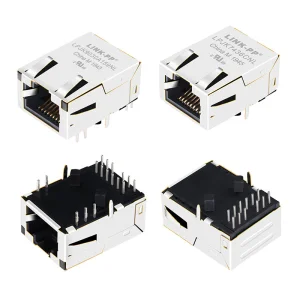
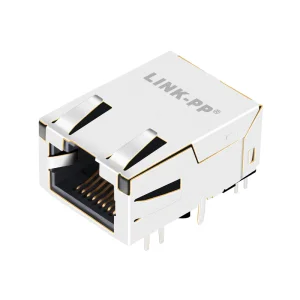
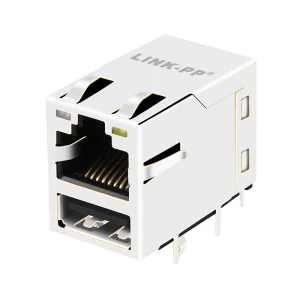
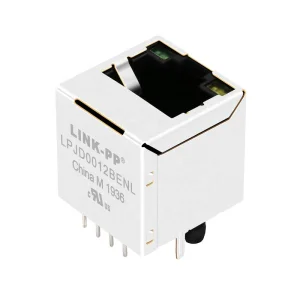
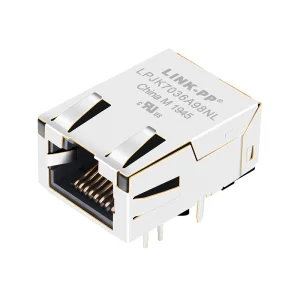
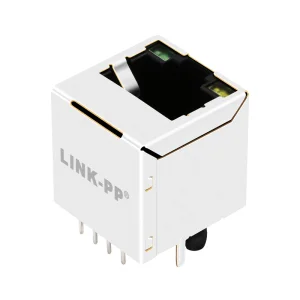
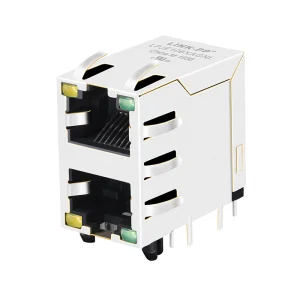
Industrial settings are filled with high electromagnetic interference (EMI). Lumetra's range of shielded RJ45 female connectors with integrated magnetic components provides galvanic isolation, high-level common-mode noise rejection, and ESD protection, making them ideal for PLC controllers, robotic arms, and industrial Ethernet switches.
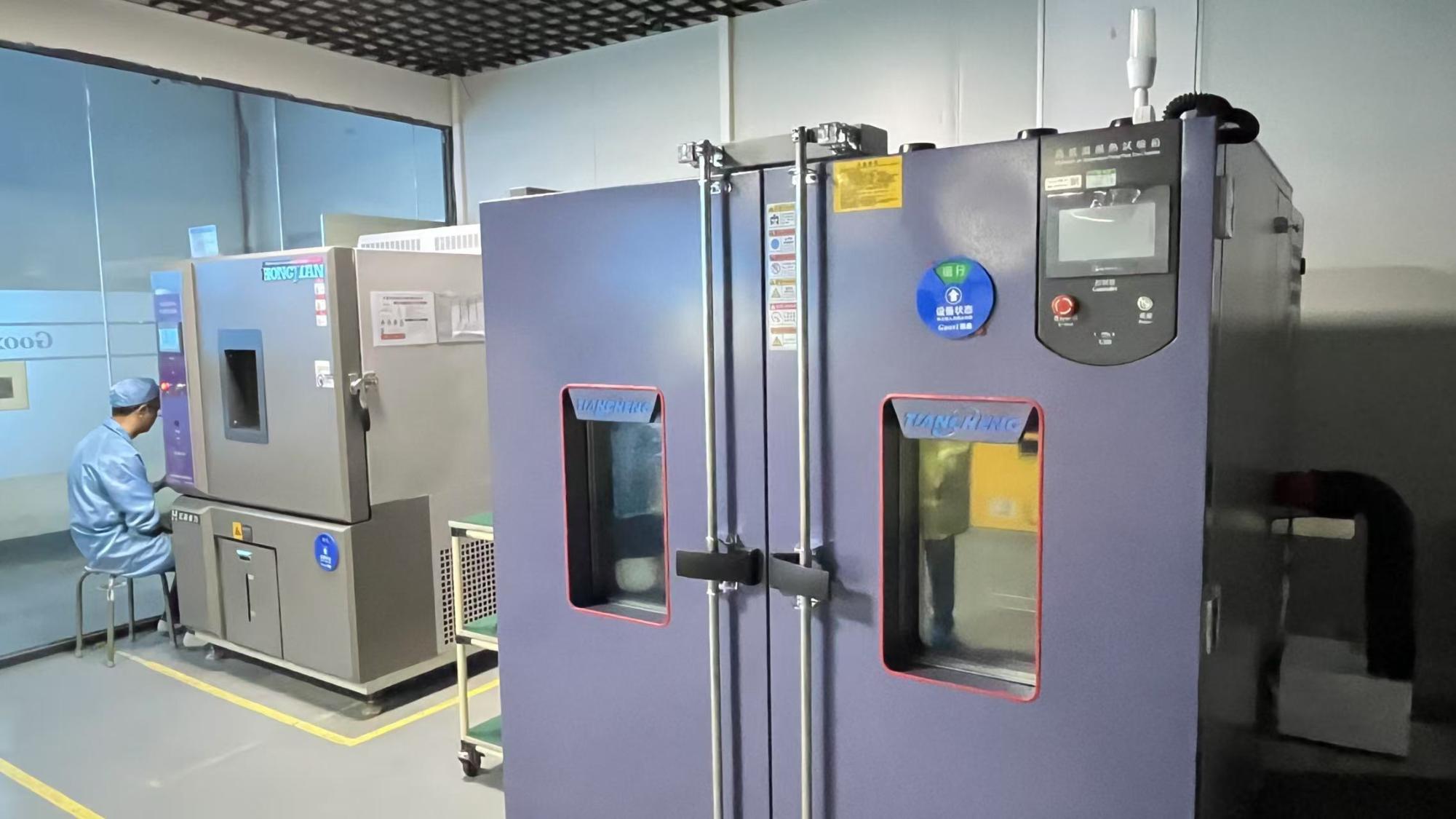
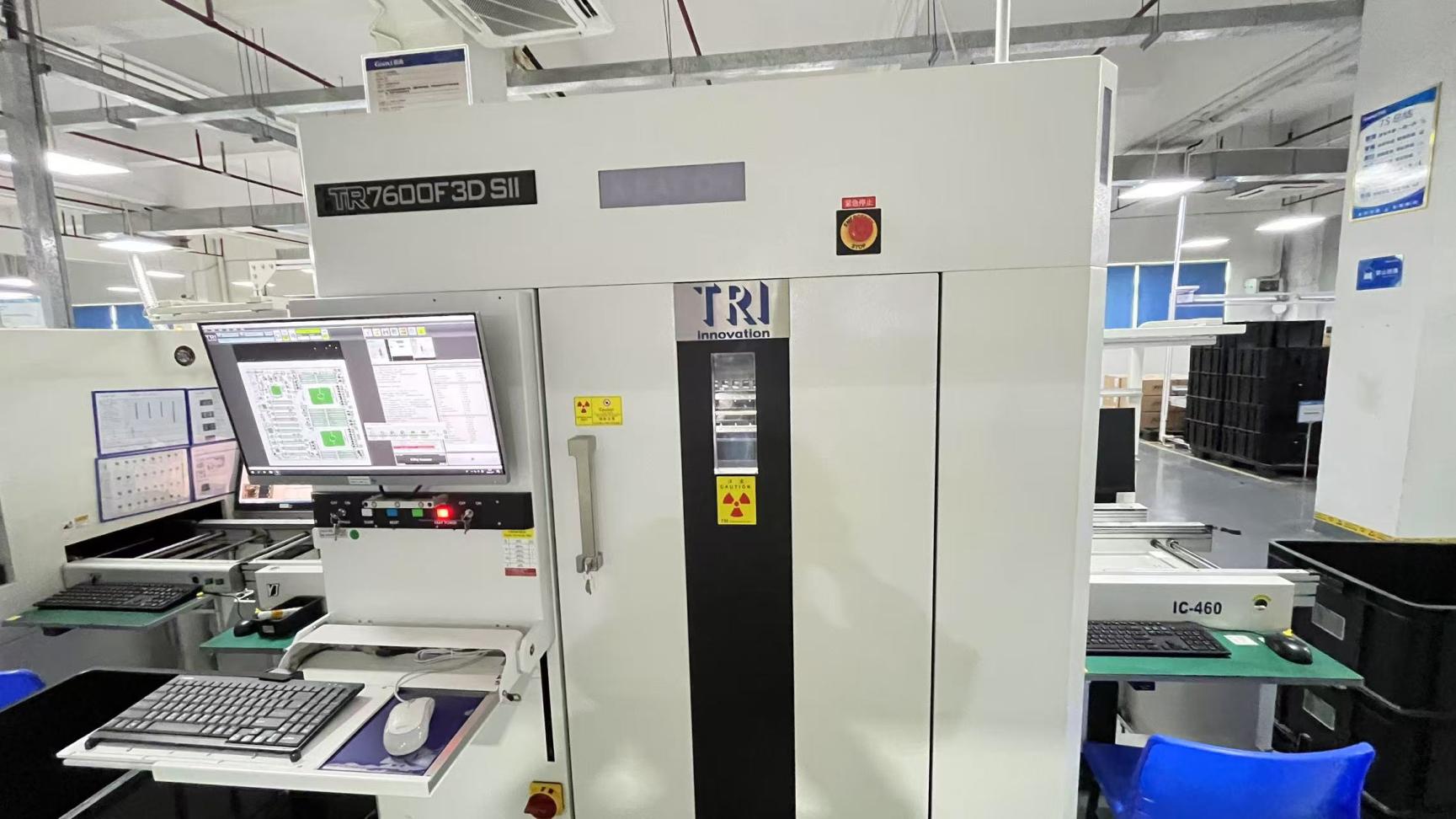
At our 8,500m² manufacturing facility, we leverage advanced automation to drive down unit costs while maintaining precise component quality. By executing strict control at every step of assembly, we optimize high-speed optical transceivers, connectors, and cages to comply with demanding international standards. Our quality assurance matrix is built on a solid foundation of automated testing combined with rigorous manual inspections.
Our 48 professional QC inspectors operate within an ISO 9001:2015 certified framework. To ensure long-term reliability, our testing process includes:
By partnering with over 1,200 vetted supply chain partners, we ensure stable sourcing of high-grade raw materials (such as premium Japanese zirconia ferrules, high-grade plastic components, and performance gold-plated terminals), insulating our customers from global supply shocks.

We configure transceiver EEPROM code to ensure seamless compatibility with major switch and router vendors (Cisco, Juniper, Arista, Huawei, HPE, etc.). All transceivers conform to MSA (Multi-Source Agreement) guidelines, ensuring drop-in performance in diverse multi-vendor network environments.
For applications with strict space constraints, our R&D team can customize connector profiles, cage dimensions, and layout configurations. This includes low-profile right-angle connectors, stacked cage systems with custom EMI finger designs, and integrated magnetics layouts optimized for complex PCB layouts.
Leveraging 7 years of global export experience, we manage shipping, customs clearance, and delivery across key global markets, including North America, Europe, Southeast Asia, and the Middle East. We provide full compliance documentation for trouble-free logistics.
At Lumetra, quality assurance is deeply integrated into our engineering pipeline. Every optical transceiver and connector undergoes multi-stage inspections before packaging to minimize transmission errors and physical defects. Our quality protocols comply with standard industry frameworks:
We ensure that our products meet global safety, design, and environmental standards for easy deployment in international markets: