Lumetra
Lumetra
Lumetra
High-speed optical engines and copper transceivers optimized for minimal latency, signal integrity, and harsh environmental compliance.
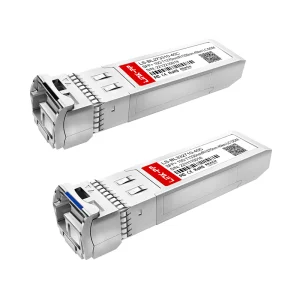
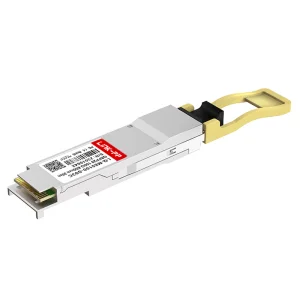
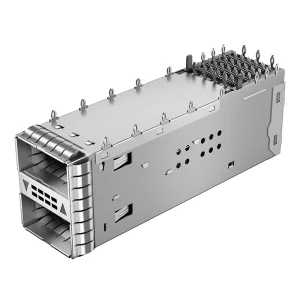
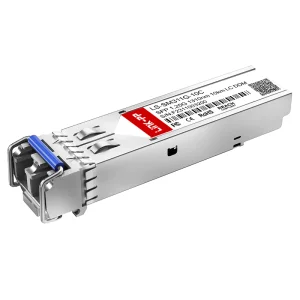
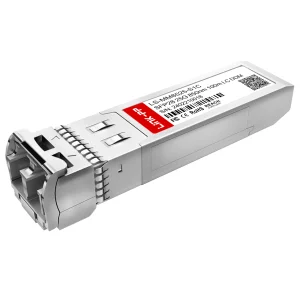
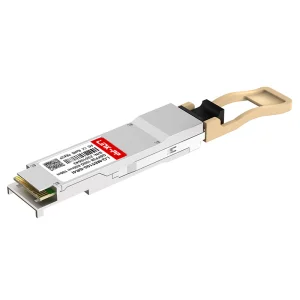
In the age of hyperscale virtualization, edge intelligence, and the industrial internet of things (IIoT), the physical layer remains the absolute foundation of network dependability. The humble RJ45 connector, engineered alongside high-speed optical transceivers, acts as the primary vascular system of commercial enterprise networks and industrial process control networks. As global industries demand higher throughput and zero packet dropouts in environments plagued by electromagnetic interference (EMI) and harsh thermal variations, connectivity components must meet stringent electrical tolerances and mechanical criteria.
Lumetra Optoelectronics Technologies Co., Ltd. serves this exact global demand by engineering solutions that bridge the gap between high-speed fiber backbones and robust copper interfaces. We design connectors, modular jacks, integrated magnetic assemblies, and optical transceivers capable of running flawlessly in extreme physical environments, maintaining signal integrity over long service lifetimes.
Exploring the strategic demand for high-reliability network interfaces in automated factories, data center networks, and telecommunications centers.
Factory floor automation uses Ethernet for real-time motion control and sensing. Shielded RJ45 jacks with integrated EMI magnetics prevent motor-drive noise from corrupting critical sensor telemetry data.
High-density data transmission requires robust high-speed cages like zQSFP+ and SFP28. Our EMI-shielded cage structures provide optimized grounding paths to control crosstalk and power dissipation.
Optical-to-copper conversion is critical for municipal distribution. With transceivers covering up to 40km (BiDi SFP+), network nodes maintain minimal signal loss and consistent throughput across varying weather conditions.
Choosing the right RJ45 connector or modular network transformer for an PCB layout goes beyond simple mechanical alignment. For high-speed applications running 100 Base-T, Gigabit, or 10G Base-T Ethernet, several critical electrical and physical phenomena must be accounted for:
| Connector Type | Supported Speeds | Shielding Type | Key Application | Compliance Rating |
|---|---|---|---|---|
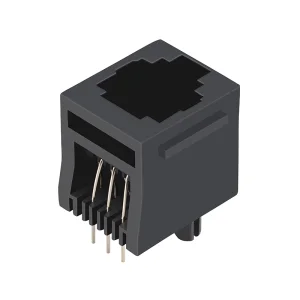
| RJ11 Modular Jack (6P6C) | Analog / DSL (< 10 Mbps) | Unshielded (Plastic) | Voice & Legacy Telephony Systems | RoHS / FCC Part 68 |
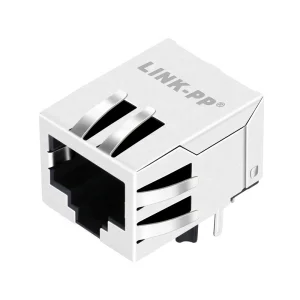
| RJ45 Single Port Integrated Jack (MagJack) | 10/100/1000 Base-T | Shielded with LED Options | Embedded Single-Board Computers & Switch Panels | IEEE 802.3 / UL 94 V-0 |
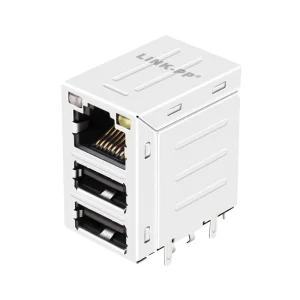
| Multi-Port Stacked RJ45 + Dual USB | 100 Base-T / Gigabit | Full Metal Shell EMI Shielded | Industrial Control Panels & Gateway Hubs | RoHS / CE |
| zQSFP+ / SFP28 Cage Assemblies | 10G / 25G / 100G Fiber | Multi-port Press-Fit Grounding Cages | Hyperscale Switch Uplinks & Blade Servers | MSA Standards / SFF-8402 |
Why leading global telecom providers, systems integrators, and distributors rely on Lumetra for network infrastructure components.
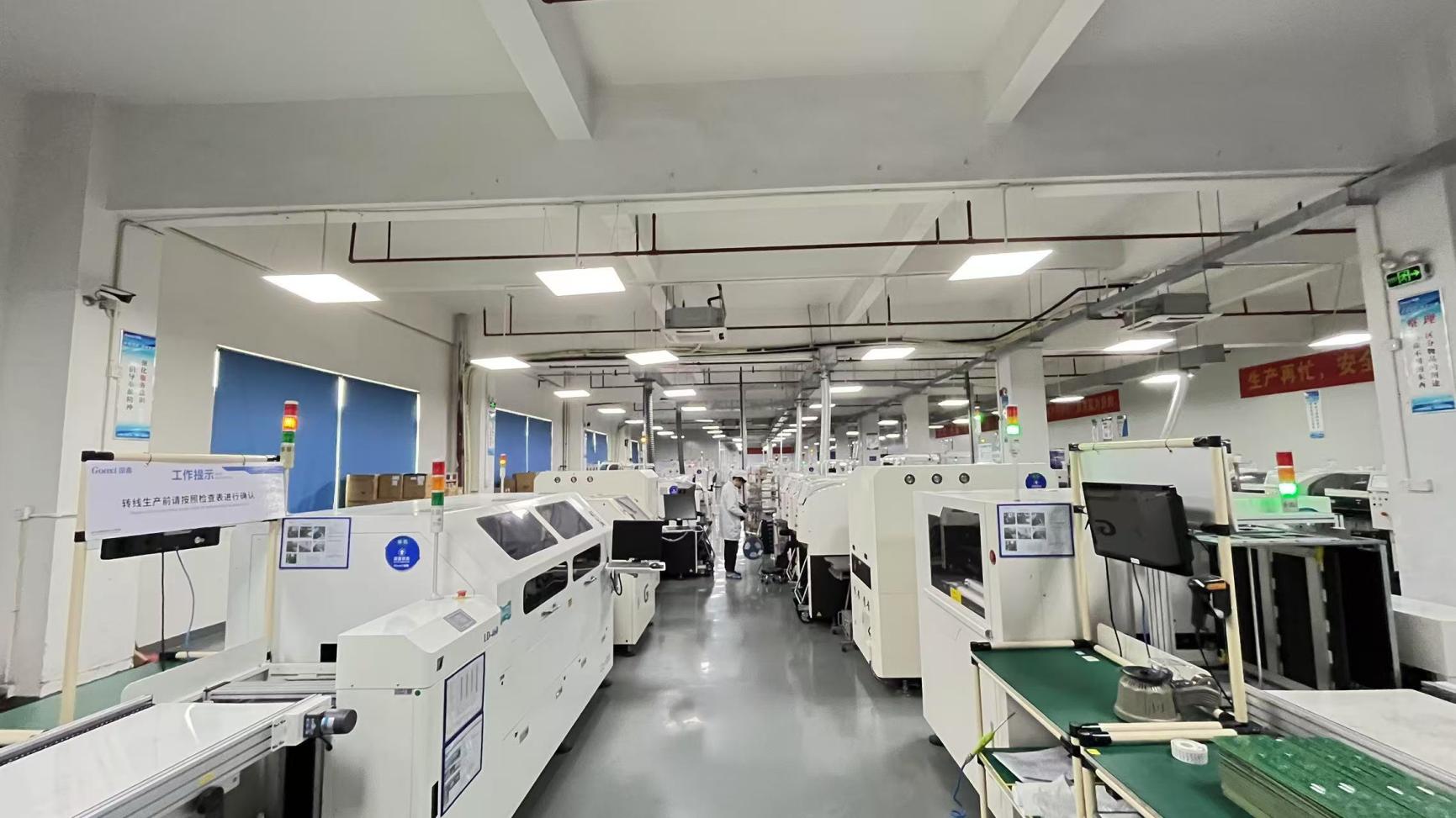
Founded in 2016, Lumetra Optoelectronics Technologies Co., Ltd. has established an advanced production footprint covering 8,500 square meters. We leverage vertical integration, combining in-house tooling, high-precision plastic injection molding, automated contact insertion, and state-of-the-art optical module assembly lines to ensure exceptional product consistency.
Our commitment to reliable performance is backed by our dedicated 86 R&D engineering staff. Our design work encompasses optical sub-assemblies (TOSA/ROSA), high-frequency signal integrity simulations, PCB layout optimization, and physical stress modeling. This engineering capacity allows us to introduce over 220 new products per year, adapting to shifting standards in the telecommunications and data center industries.
With an annual export volume of $18 million USD and a network of over 1,200 supply chain partners, we guarantee component availability and production scaling, regardless of global logistics and supply chain disruptions.
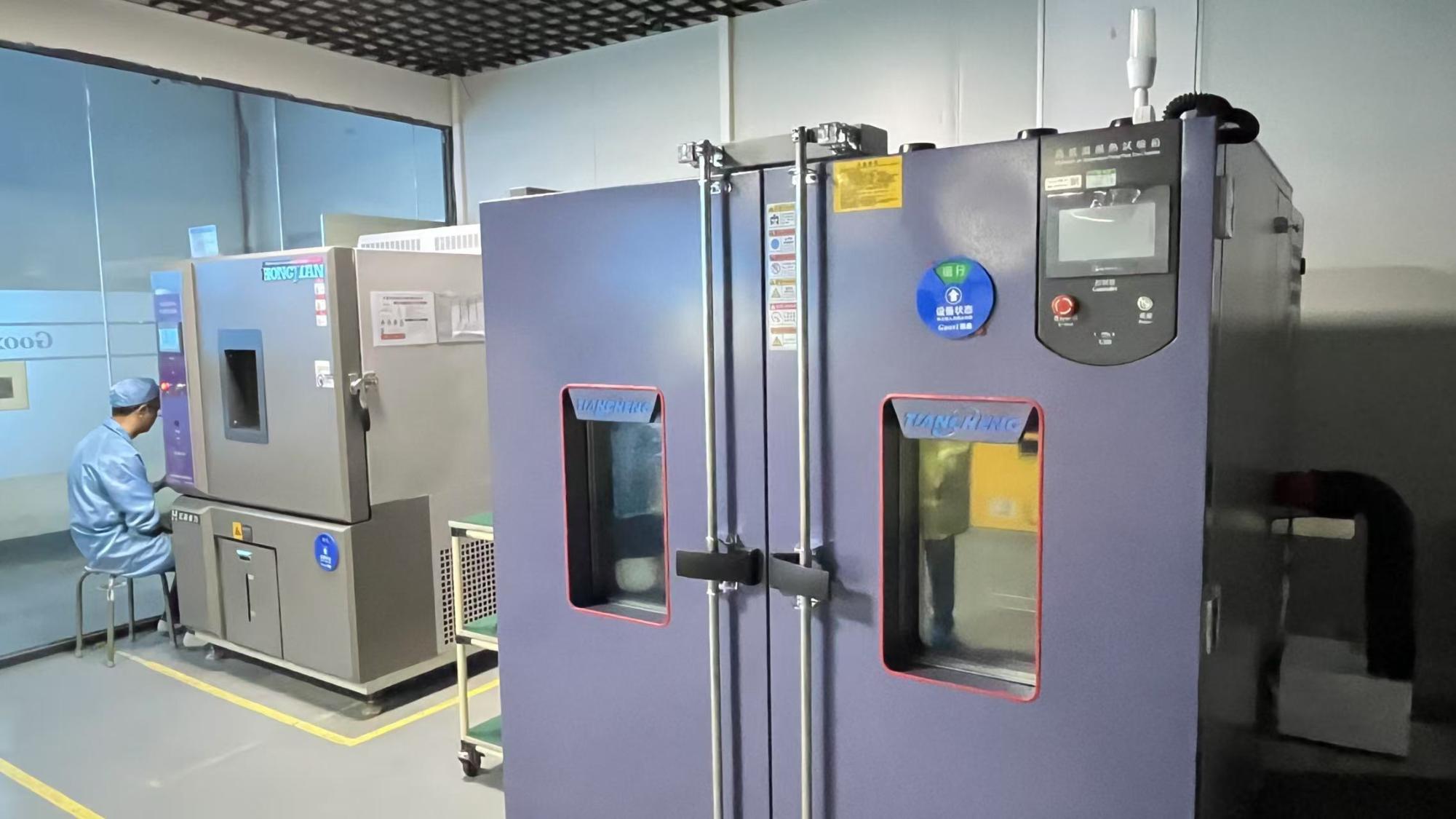
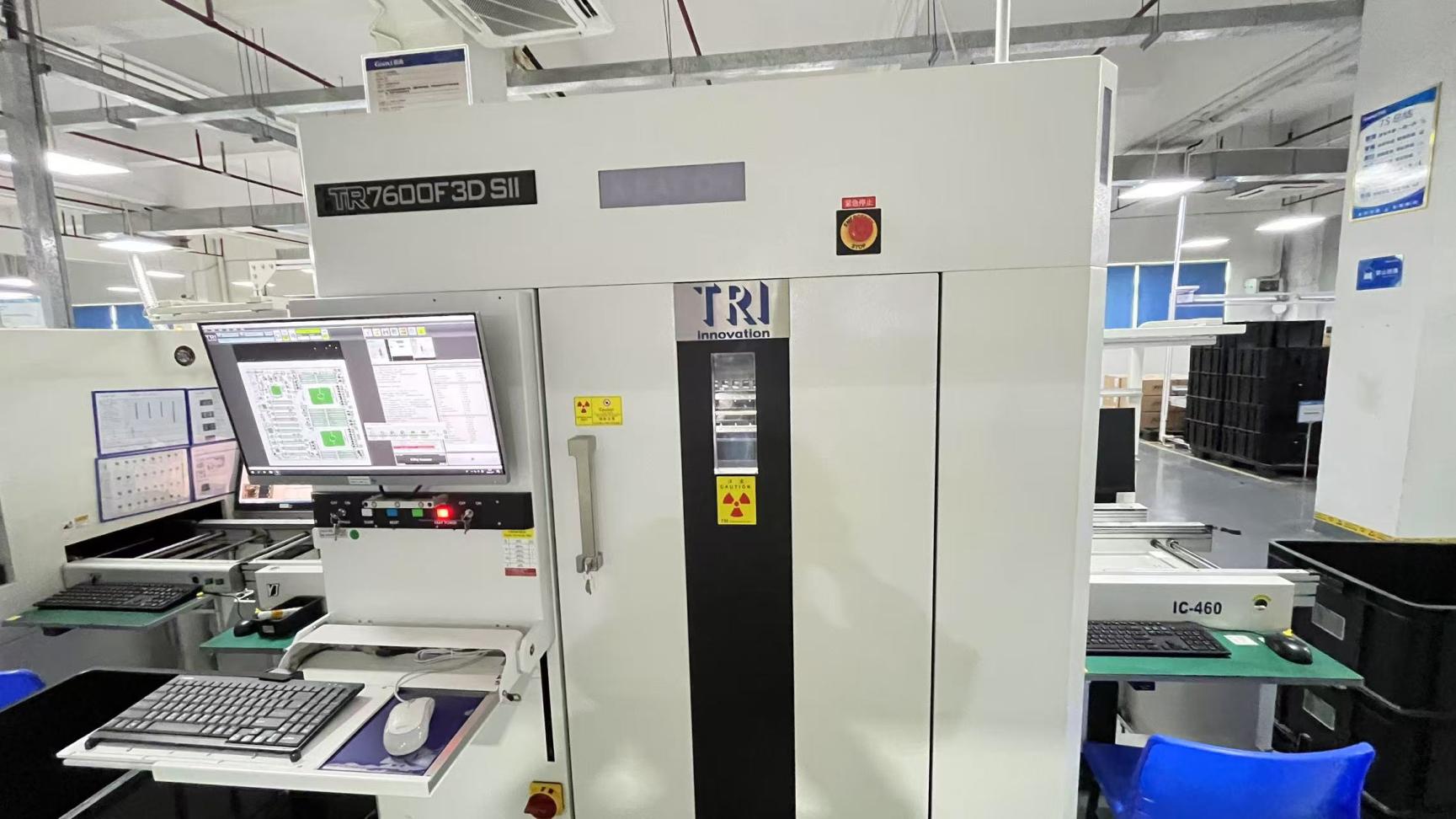
Every optical transceiver and magnetic RJ45 port undergoes multi-stage automated testing: high-frequency network analysis, bit error rate testing, eye-diagram checks, and automated optical inspections. Our 48-inspector QA department ensures no defective product leaves the factory floor.
Our operations comply with international export frameworks. We maintain up-to-date compliance records for RoHS, REACH, CE, FCC, and UL, providing our clients in North America, Europe, and the Middle East with seamless customs clearance and certified installations.
Modern enterprise networks rely on a mix of optical and copper infrastructure. Fiber optic links dominate long-distance backhauls and inter-rack routing, while copper links remain the standard for cost-effective distribution lines, desktop connections, and end-node edge devices. This hybrid environment demands seamless media conversion tools.
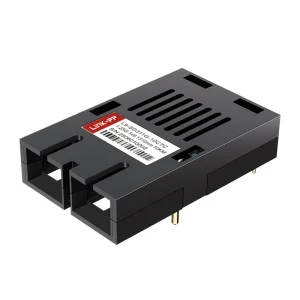
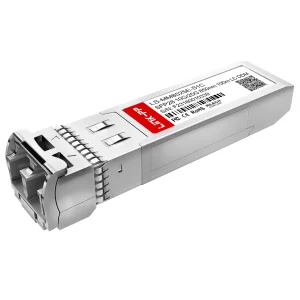
Lumetra’s product portfolio addresses this conversion layer. For example, our 10G SFP+ BiDi (Bidirectional) Transceivers and 1.25G SMF SC Modules convert optical signals to copper physical-layer inputs via switch transceivers. By deploying SFP-to-RJ45 transceivers, network operators can reuse existing Cat6/Cat6a copper cabling for high-bandwidth connections without upgrading to full fiber infrastructure.
Our engineering focus ensures low heat dissipation in these transceiver modules. High thermal output in high-density switches can lead to device throttling and packets dropping. Our optical modules utilize low-power laser drivers and optimized heatsink cages to maintain stable operational temperatures, even under sustained high-throughput workloads.
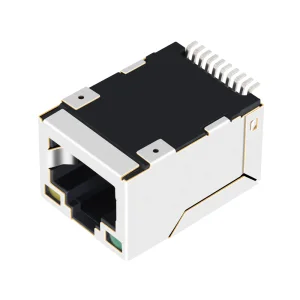
High-reliability surface mount connectors, multi-interface jacks, and isolation transformers engineered for enterprise hardware.
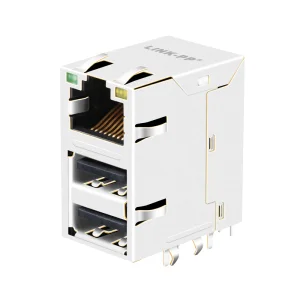
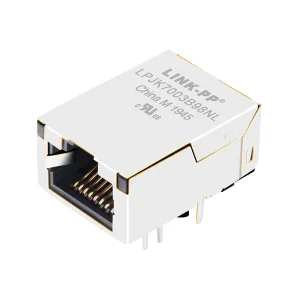
Expert technical answers regarding structural design, electromagnetic compliance, and board-level mounting specifications.
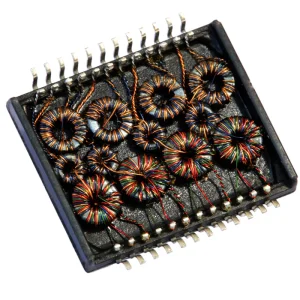
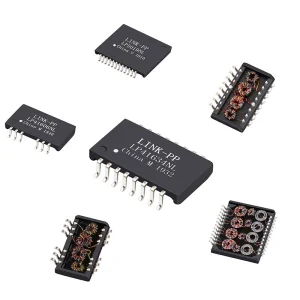
Integrated magnetics bring the isolation transformers and common mode chokes as close to the physical cable connector interface as possible. By shielding these components inside the RJ45 metal connector body, the loop area that can pick up electromagnetic noise on the PCB is minimized. This significantly reduces EMI and return loss while protecting the PHY transceiver chip from high-voltage transients on the cable.
To support PoE+ (30W, IEEE 802.3at) or PoE++ (90W, IEEE 802.3bt), you must verify that the internal transformer cores do not saturate under DC offset bias currents (typically up to 720mA per pair). Additionally, contact pin configurations must feature low contact resistance to prevent localized heating, and housing plastics should be rated UL 94 V-0 to handle elevated temperatures safely.
Gold is highly resistant to oxidation and corrosion. Thin gold plating (gold flash) wears away quickly under mechanical friction or in corrosive environments, leading to oxidation of the underlying nickel and copper. A 50-micro-inch gold plating layer ensures stable contact resistance (<30 milliohms) and reliable electrical performance across 750+ mating cycles, meeting industry standards for telecom and industrial equipment.
Through-Hole Technology (THT) provides superior mechanical anchorage to the PCB because the mounting posts pass through the board, making it ideal for ports that experience frequent mating stress. Surface Mount Technology (SMT) enables automated pick-and-place assembly, saving manufacturing costs and allowing trace routing directly underneath the connector on multi-layer PCBs.
High-frequency SFP cages use elastomeric EMI gaskets or spring metal fingers that press firmly against the bezel of the equipment faceplate. This creates a continuous grounding path, sealing gap tolerances to block electromagnetic leakage. Inside, press-fit pins anchor the cage housing directly into ground vias on the PCB.
Under the hood of Lumetra's 8,500㎡ facility. ISO9001:2015 certified manufacturing lines, advanced cleanrooms, and testing facilities.