Lumetra
Lumetra
Lumetra
Engineered for Telecom, Datacom, and Harsh Industrial Ethernet Applications
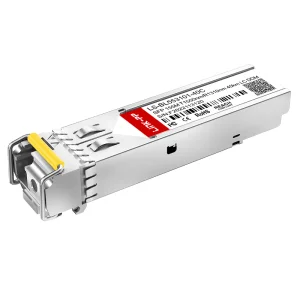
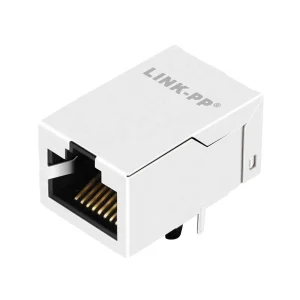
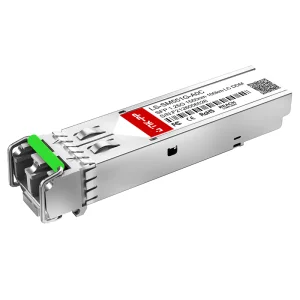
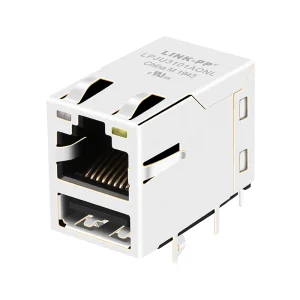
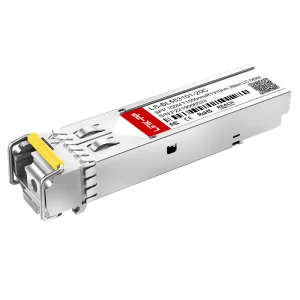
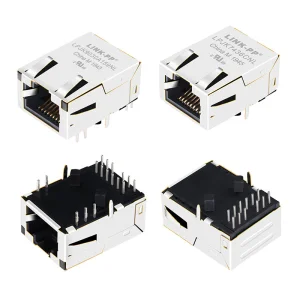
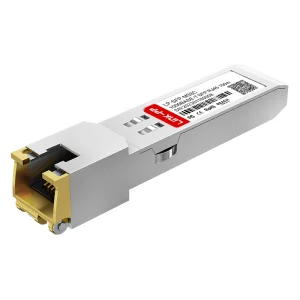
In the era of hyper-scale datacenters, distributed edge computing, and smart factory automation, the physical layer of network architecture remains the most critical point of vulnerability. As bandwidth requirements escalate from Gigabit Ethernet to 10G and beyond, network signals operating at high frequencies are increasingly susceptible to electromagnetic interference (EMI), crosstalk, and physical degradation.
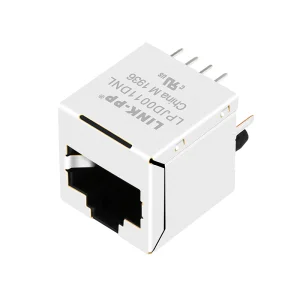
Metal RJ45 connectors serve as the foundational shield against these electrical and mechanical challenges. Standard plastic jacks lack the shielding performance and rugged structural integrity required by demanding modern industrial architectures. By incorporating a robust brass or copper alloy shell, nickel or tin plating, and advanced grounding tabs, premium metal RJ45 connectors ensure continuous grounding from the cable shielding to the printed circuit board (PCB). This architectural approach mitigates EMI/RFI noise and stabilizes data streams in complex electromechanical environments.
"High-speed copper interconnects require more than standard compliance; they demand rigorous material design, signal path optimization, and robust physical envelopes to survive the mechanical stresses of industrial setups and high-density computing clusters."
Procurement teams in major telecommunication carriers, industrial automation firms, and medical equipment manufacturers no longer purchase interconnect components based merely on unit cost. Today, procurement strategies focus heavily on total cost of ownership (TCO), long-term reliability metrics (such as insertion cycle ratings), compliance with international environmental standards, and the flexibility of OEM/ODM design customization.
Global sourcing teams look for manufacturers with vertically integrated supply chains capable of delivering:
From factory floor automation using EtherCAT and PROFINET, to telecom switches and cloud servers, connectivity hardware must evolve to match higher bandwidth and extreme environments. In automotive applications, specialized single-pair Ethernet (SPE) configurations and heavy-duty metal RJ45 connectors are critical for preventing communication failures caused by thermal cycles and continuous vibration.
The roadmap for RJ45 connectors tracks the performance boundaries of copper cabling standards. Cat5e and Cat6 platforms are transition phases; high-speed computing now depends heavily on Cat6A, Cat7, and Cat8 channels. Each standard upgrade demands tighter control over contact impedance, shell grounding, and electromagnetic emission containment.
| Specification Category | Category 5e / 6 | Category 6A | Category 7 / 7A | Category 8 |
|---|---|---|---|---|
| Max Bandwidth | 100 MHz to 250 MHz | 500 MHz | 600 MHz to 1000 MHz | 2000 MHz |
| Max Data Rate | 1 Gbps | 10 Gbps | 10 Gbps | 25 Gbps / 40 Gbps |
| Typical Shielding | Unshielded (UTP) or F/UTP | F/UTP or S/FTP (Metal Hood) | S/FTP (Individual Pair Shield) | S/FTP (Fully Shielded Metal) |
| Industrial Applicability | Commercial/Basic office | Datacenters & Modern factories | Enterprise networks & High-noise setups | Hyperscale centers & High-speed switch paths |
Modern industrial applications require both fast data rates and reliable power delivery. The implementation of Power over Ethernet (PoE, PoE+, and PoE++ / IEEE 802.3bt) means connectors must carry up to 90W–100W of electrical power alongside high-frequency signals.
This convergence requires specialized thermal management inside the metal RJ45 housing. The magnetic components (transformers and chokes) must handle bias currents up to 1A without core saturation, which can degrade data packets and cause packet drop. High-performance metal connectors employ advanced wire-wound magnetic designs, high-permeability ferrite cores, and thermal dissipation paths linked directly to the outer metal shield.
As an established manufacturer, Lumetra Optoelectronics Technologies Co., Ltd. addresses complex, high-reliability requirements through comprehensive engineering support. Our vertically integrated operations combine advanced R&D with strict validation protocols to deliver custom connectivity interfaces for global clients.
Supported by 86 dedicated R&D engineers, we execute custom board-to-connector layouts, specialized pin configurations, and integrated passive networks. This engineering foundation ensures signal integrity and electrical performance are optimized prior to mass production.
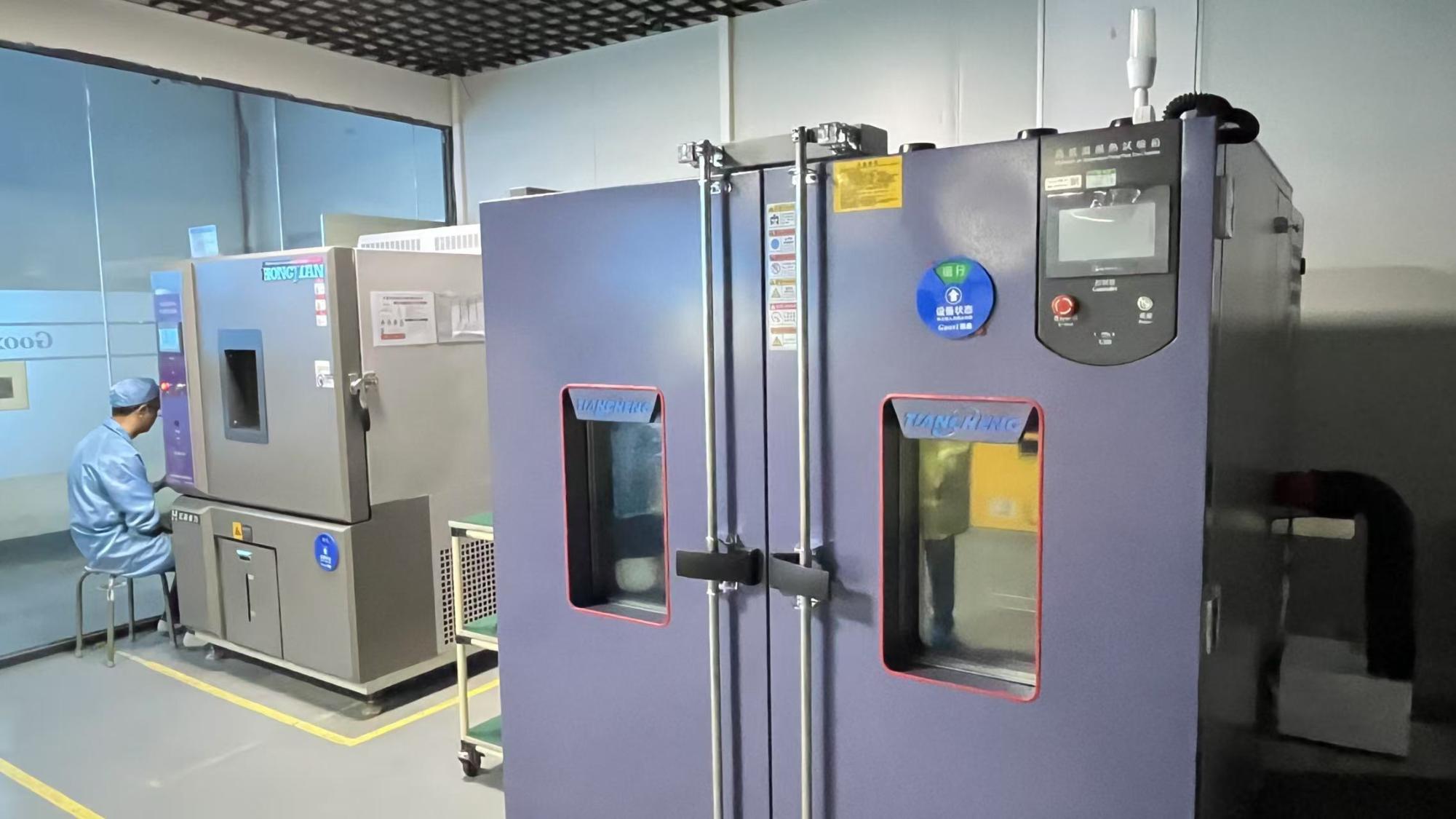
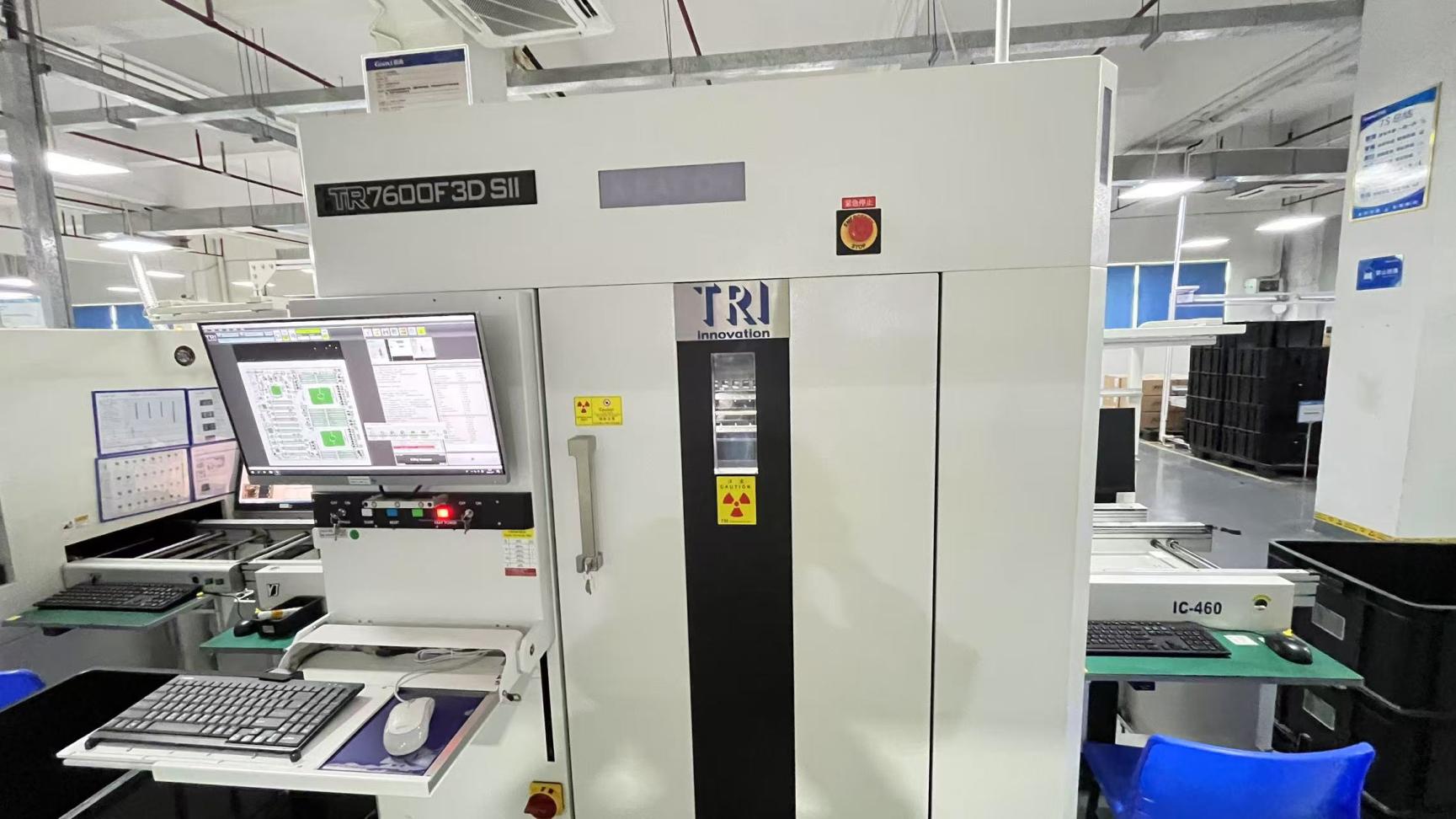
Our quality assurance department includes 48 quality inspectors. Every component batch undergoes automated optical inspection (AOI), high-frequency network analysis, dielectric strength testing, and environmental stress screening to guarantee long-term field stability.
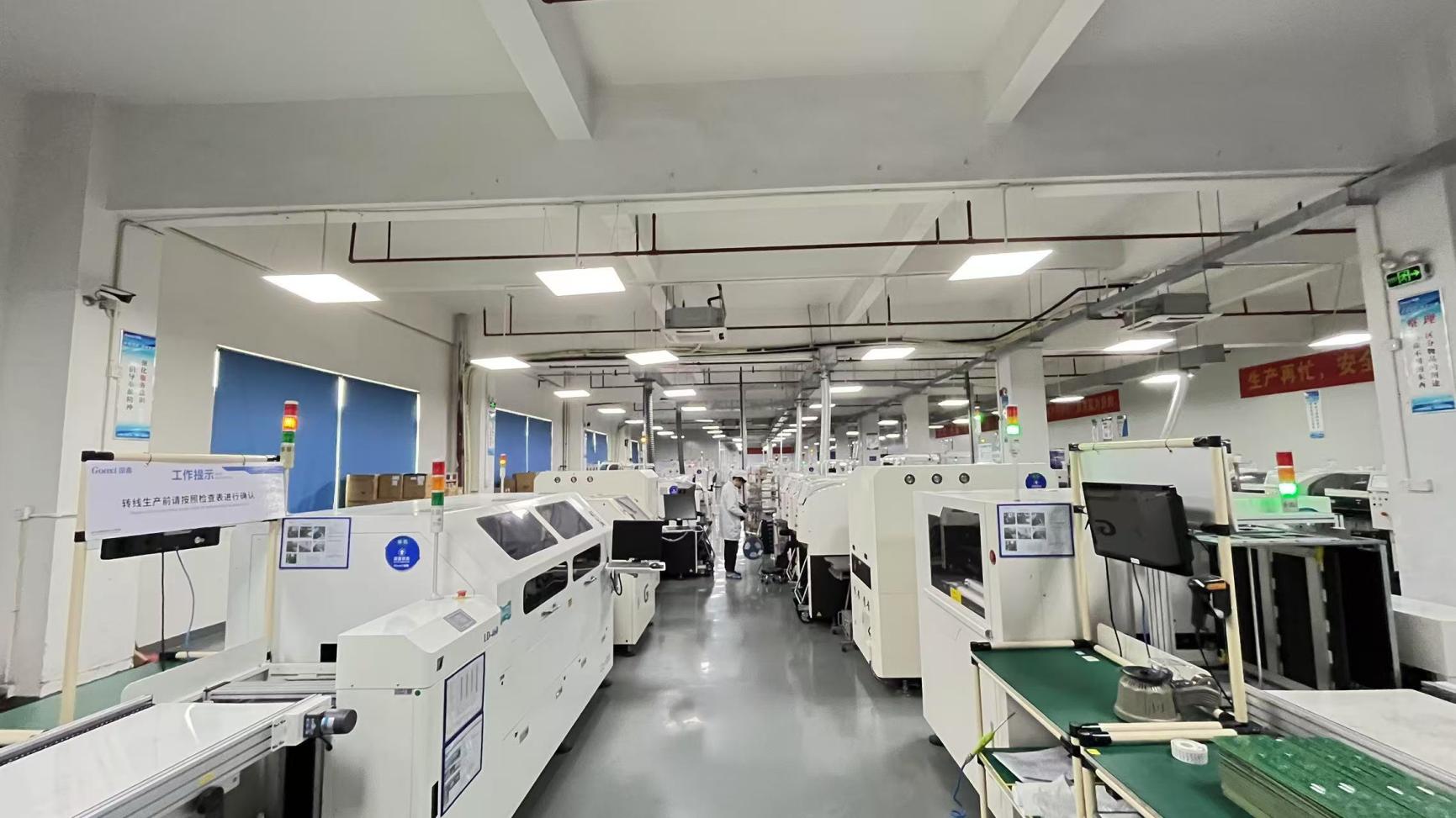
Operating out of an 8,500㎡ facility, our automated production lines handle high-volume manufacturing without sacrificing accuracy. We maintain consistent lead times for custom runs and complex multi-port configurations.
Answering Complex Interface Questions for Hardware Designers and Sourcing Teams
Metal RJ45 connectors use a continuous metal shell (typically tin- or nickel-plated copper alloy) that encloses the internal plastic housing and signal contacts. When paired with shielded twisted pair (STP/FTP) cabling, the metal shell connects to the cable shield. Grounding tabs on the connector interface directly with the metal enclosure or chassis of the network device, establishing a low-impedance ground path. This layout shunts incoming electromagnetic interference (EMI) and radio frequency interference (RFI) to ground, maintaining signal integrity inside the twisted pairs.
Through-Hole Technology (THT) offers higher mechanical strength because the connector pins pass through the PCB layers and are soldered on the reverse side. This makes THT ideal for high-stress interfaces subject to frequent plugging and unplugging. Surface Mount Technology (SMT) is better suited for high-density, automated PCB assembly, saving valuable board space. SMT connectors are often designed with mechanical mounting posts or soldered shield tabs to improve physical retention on the board.
Integrated magnetics combine isolation transformers, common-mode chokes, and termination resistors (such as Bob Smith terminations) inside the connector housing. They perform several key functions: providing electrical isolation to protect circuitry from high-voltage surges, attenuating common-mode noise, and matching impedance between the cable and physical layer transceiver (PHY). Integrating these components inside the shielded connector housing limits the exposure of high-frequency signals on the PCB, reducing noise coupling and emissions.
Gold is highly resistant to oxidation and corrosion. Contact pins inside RJ45 jacks are typically gold-plated, with thickness ranging from flash gold to 50 micro-inches (50u"). A thicker gold layer provides better resistance to wear and tear during insertion cycles. For critical telecom and industrial equipment, a 30u" or 50u" gold rating is recommended. This helps prevent corrosion in humid or harsh operating environments, ensuring low contact resistance over the lifetime of the component.
Copper RJ45 connections (such as 10GBASE-T) are effective for short runs, typically up to 100 meters on Cat6a cabling, making them a practical choice for local cabinet wiring. However, they draw more power and generate more heat than optical interfaces. For distances over 100 meters, or in environments with extreme electromagnetic interference, optical transceivers are preferred. Optical systems provide galvanic isolation, consume less power per port, and support long-distance transmission over kilometers of single-mode fiber (SMF).
We work closely with clients to address custom hardware layouts. Our engineers can modify mechanical elements, including the position of shield grounding tabs, contact lengths, internal LEDs, and PCB footprints. Using 3D CAD modeling, electromagnetic simulation tools, and rapid prototyping, we verify custom designs for clearance and signal path integrity before transitioning to automated tooling and production.
Industrial Cages, PCB Jacks, and High-Speed Copper-to-Fiber Solutions
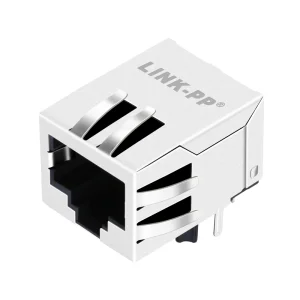
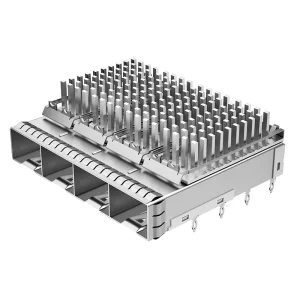
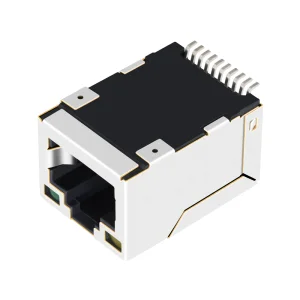
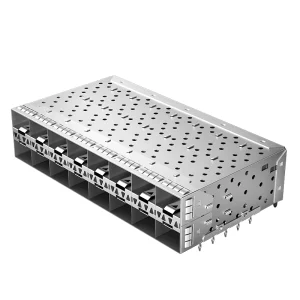
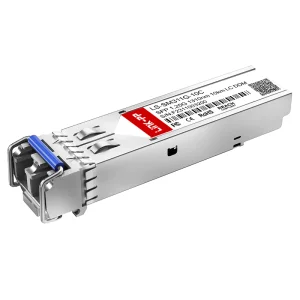
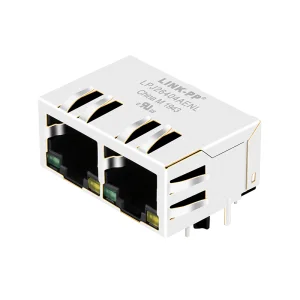
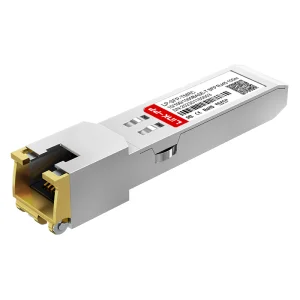
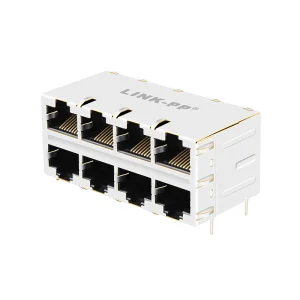
Lumetra Optoelectronics Technologies Co., Ltd. is a professional manufacturer specializing in high-speed optical transceivers and fiber optic communication solutions for datacom, telecom, and cloud infrastructure applications. Founded in 2016, the company has developed into a reliable supplier with strong engineering capabilities and global export experience.
The company operates a production facility covering approximately 8,500㎡, supporting efficient manufacturing and quality-controlled assembly processes. With annual export revenue reaching around USD 18 million, Lumetra has built stable international business channels and accumulated 7 years of export experience, backed by 11 years of overall industry expertise.
Quality assurance is maintained through a combination of automated optical performance testing, environmental stress screening, and manual inspection processes. The quality control team consists of 48 trained inspectors ensuring strict compliance with international standards.
Lumetra maintains a diversified trade background with strong presence in OEM and ODM markets. Its primary markets include North America, Europe, Southeast Asia, and the Middle East, serving telecom operators, data center integrators, and network equipment distributors.
The company collaborates with over 1,200 supply chain partners to ensure stable component sourcing and manufacturing efficiency. Its customer base mainly includes telecom carriers, hyperscale data centers, system integrators, and optical network equipment brands.
With strong R&D capability, Lumetra supports advanced customization including protocol compatibility, wavelength tuning, form factor adaptation, and power optimization. The company employs 86 R&D engineers focused on optical design, hardware development, and signal integrity optimization.
In the past year, Lumetra launched approximately 220 new products, reflecting its continuous innovation in high-speed optical communication technologies.