Lumetra
Lumetra
Lumetra
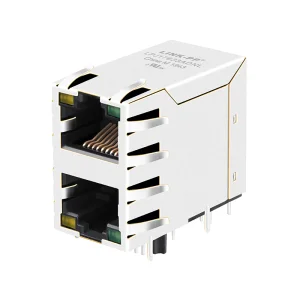
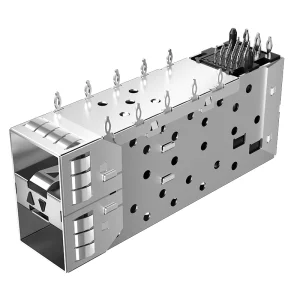
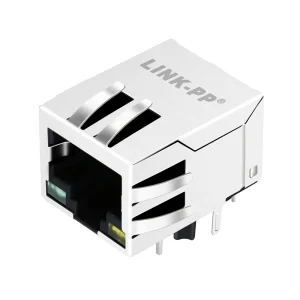
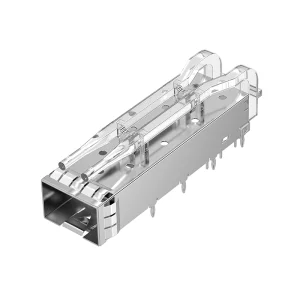
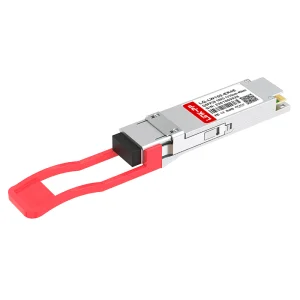
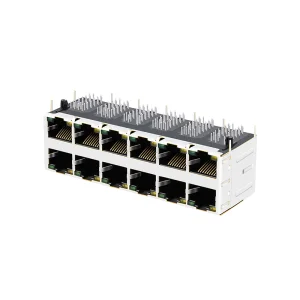
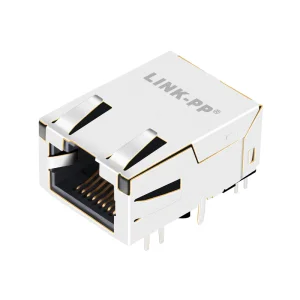
Explore our flagship series of ultra-stable RJ45 jacks, SFP+ cages, and optical modules configured for modern data centers and telecom systems.
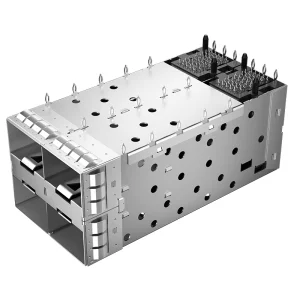
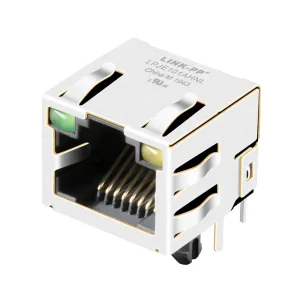
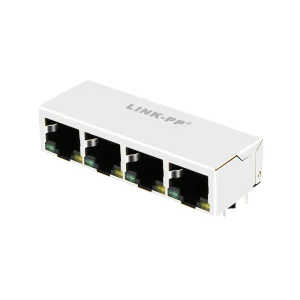
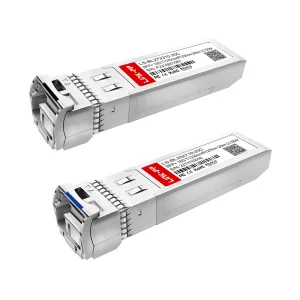
Why structural alignment, mechanical tolerance, and material integrity at the adapter level are critical to minimizing latency and packet loss in AI-driven networks.
As networks scale to support massive generative AI clusters, ultra-dense cloud systems, and 800G/1.6T transceiver connections, the performance requirements on passive optical components have changed dramatically. Among these, the optical fiber adapter serves as a crucial physical link. It ensures precise physical contact between fiber connectors while preventing signal disruption from insertion loss (IL) or return loss (RL).
Even minor deviations in the dimensional tolerances of ceramic alignment sleeves can lead to elevated back-reflection. Over time, this degrades transceivers and increases bit error rates (BER). This whitepaper provides a comprehensive review of the world's leading optical fiber adapter manufacturers, evaluating their technical achievements, production methods, and supply chain resilience.
Special focus is placed on the integration of optical transceivers and physical adapters. This highlights how companies like Lumetra Optoelectronics Technologies Co., Ltd. combine optical manufacturing expertise with comprehensive system integration to deliver reliable solutions for global carrier-grade networks.
A single alignment error of just 1 micron in a single-mode fiber core can increase insertion loss by up to 0.5dB. Premium manufacturers use high-purity zirconia ceramic sleeves. These sleeves are processed to tolerances of less than 0.5μm, ensuring stable and repeatable connections even after hundreds of mating cycles.
Evaluating the leading global suppliers of fiber optic connectivity accessories on production capabilities, QA criteria, and material compliance.
Top-tier suppliers build components that fully comply with standards like Telcordia GR-326-CORE, RoHS, REACH, and UL94-V0. This ensures high reliability and safety across enterprise deployments.
Using premium materials like Zirconia (ZrO2) ceramic alignment sleeves and polyetherimide (PEI) housings allows adapters to withstand over 500 insertion cycles without losing alignment precision.
Leading manufacturers offer options from standard simplex/duplex SC/LC configurations to ultra-high-density MPO/MTP, SN, and CS multi-port adapters. This helps maximize space in standard 19-inch racks.
A telecom network or hyperscale data center is only as strong as its weakest optical connection. Procurement teams often focus on active optics like transceivers and switches. However, choosing lower-quality passive adapters to save on upfront costs can lead to high maintenance expenses and intermittent connection issues later on.
A top-tier supplier does not just offer standard items off a shelf. They provide detailed validation reports, including environmental thermal cycling data, mechanical vibration tests, and dust-ingress resistance studies. By working with a manufacturer that controls both active optics assembly and passive connector production, engineers can configure reliable custom designs tailored to their exact network architectures.
An exploration of how future interconnect designs are changing to support high density, low latency, and eco-friendly manufacturing.
As data centers migrate from 400G to 800G and 1.6T systems, standard LC duplex adapters are reaching their physical density limits. Next-generation systems are shifting toward VSFF connectors like MDC, SN, and CS. These configurations triple patch panel capacity, supporting high-density optical distribution frames (ODF) without requiring additional rack space.
As silicon photonics chips replace traditional transceiver designs, the optical interface is moving closer to the ASIC. This transition requires highly stable, low-profile optical adapters capable of direct PCB mounting. In these setups, maintaining low insertion loss is critical to keeping laser power requirements as low as possible.
Future development will place greater emphasis on reducing manufacturing waste and using recyclable polymers that meet strict fire safety and toxicity standards. In addition, automated laser cleaning technologies are being integrated into connection housings to prevent dust contamination—the main cause of link failure during setup.
From hyperscale cloud infrastructure to municipal broadband, see how customized connectivity designs address specific real-world challenges.
Engineered for high density and rapid deployments. These adapters feature automated alignment and low back-reflection, which helps minimize latency and packet drops in distributed AI workloads.
These outdoor optical connection points feature robust environmental protection. They resist thermal expansion and humidity, ensuring reliable long-term performance across different climates.
Designed to withstand vibration and electromagnetic interference. These configurations provide continuous, stable data transmission for automated factories and smart grid infrastructure.
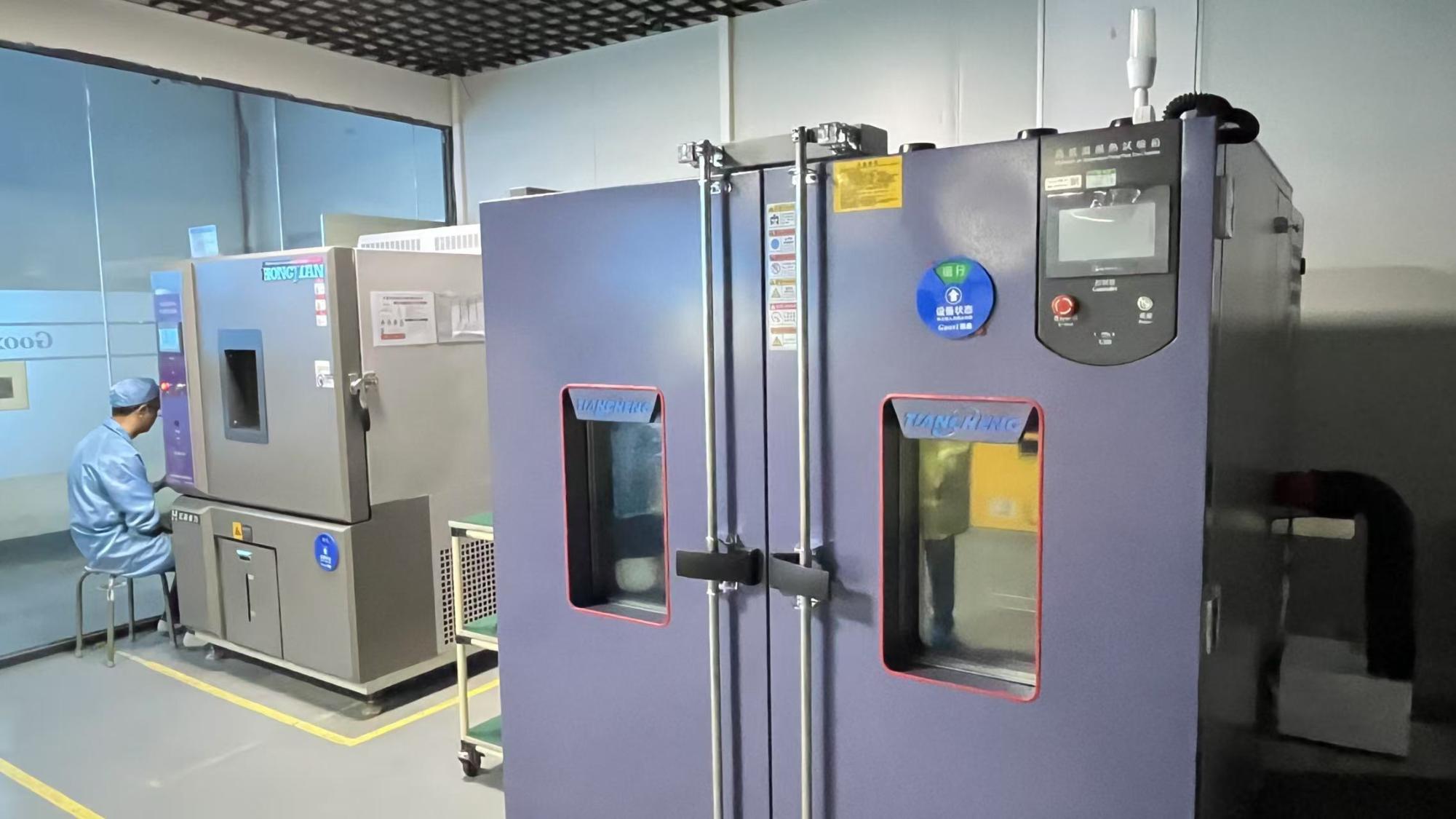
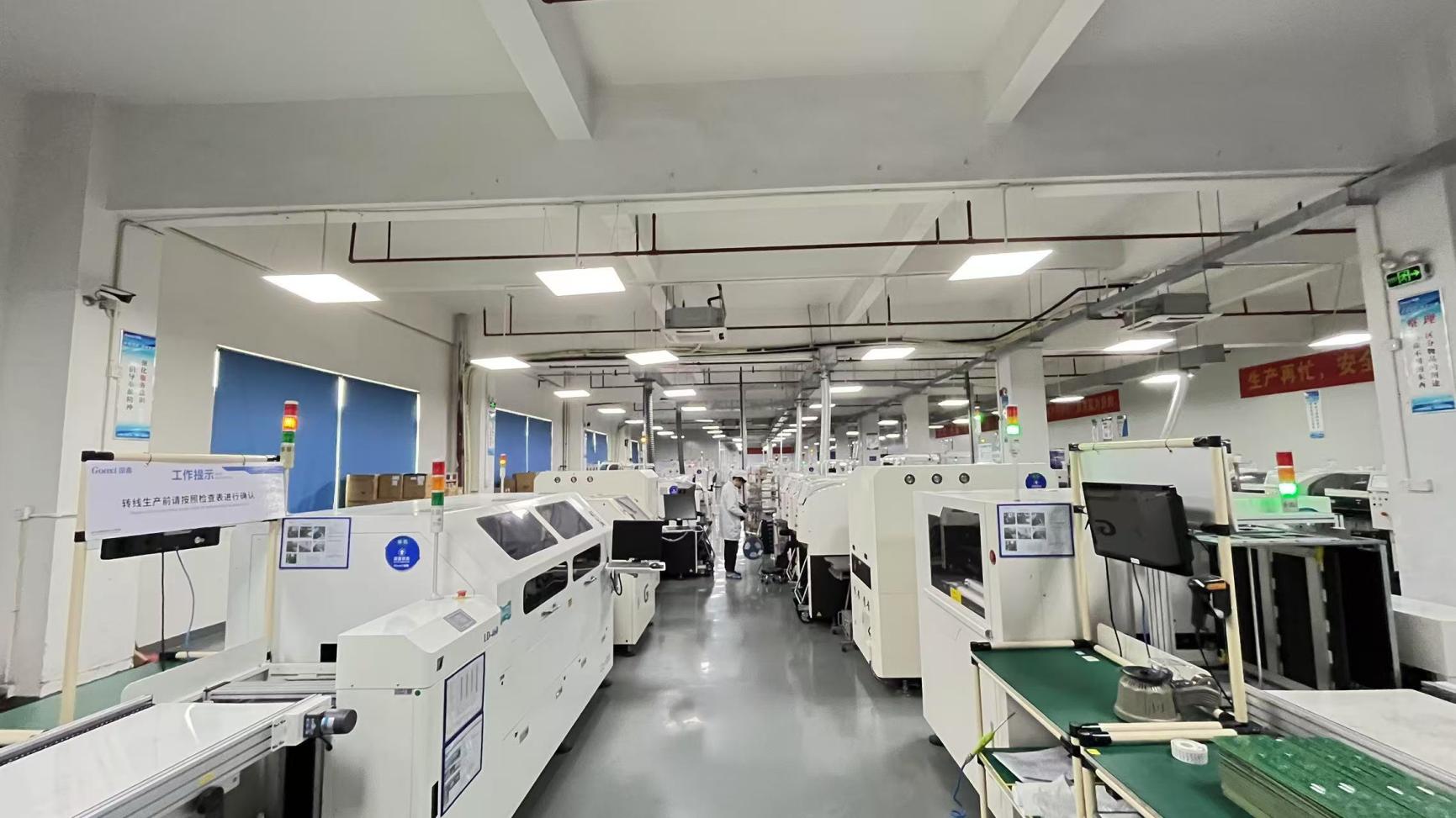
Inside Lumetra's 8,500m² advanced production center: dynamic quality control, expert engineering, and stable global supply partnerships.
Founded in 2016, Lumetra Optoelectronics Technologies Co., Ltd. has established itself as an expert manufacturer of high-speed transceivers and passive optical accessories. With a dedicated 8,500m² production facility, Lumetra maintains strict quality control at every stage of assembly, from raw materials to final validation.
To ensure high quality, the factory uses automated performance verification, environmental stress screening, and detailed inspections. The QA system is managed by 48 trained inspectors, guaranteeing compliance with global optical telecom standards.
Backed by over 11 years of industry experience and 7 years of global trade history, Lumetra has built stable supply lines through collaborations with more than 1,200 partners. This helps secure raw materials and ensures consistent lead times, even during market fluctuations.


An evaluation model designed to help infrastructure buyers verify reliability, control costs, and prevent system downtime.
It is important to look beyond the initial purchase price. Higher-quality adapters prevent signal loss and fiber damage, reducing long-term maintenance costs and network troubleshooting time.
For custom setups, confirm the supplier can support protocol configurations, wavelength tuning, custom brackets, and specific shell dimensions to fit your rack layout.
Ensure the supplier's SFP cages and optical adapters work seamlessly with transceivers and switches from major network equipment manufacturers without mechanical conflicts.
How regional support, custom designs, and strict regulatory adherence help minimize project risks for international integrators.
Selling network equipment into regions like North America, Europe, and Asia-Pacific requires meeting strict local environmental and safety rules. The best suppliers ensure all components comply with RoHS (Restriction of Hazardous Substances) and REACH regulations. Materials are chosen to limit outgassing and toxic emissions during fire events, meeting UL 94V-0 flame retardancy ratings.
Every data center has unique physical layouts and spacing constraints. Working with an adaptable manufacturer allows procurement teams to specify custom adapter styles, specialized mounting brackets, color coding for fiber types (e.g., aqua for OM3, violet for OM4, lime green for OM5), and integrated dust protection. This flexibility simplifies onsite installation and speeds up network deployment.
With 86 R&D engineers and 7 years of export history, Lumetra supports custom OEM/ODM designs. The team provides comprehensive technical documentation, 3D CAD files, and validation reports to ensure smooth integration into customer platforms.
Detailed answers to common engineering and procurement questions regarding optical fiber adapters and connectivity components.
Zirconia ceramic sleeves offer much tighter physical tolerances and higher mechanical durability, making them ideal for single-mode fiber applications where precise core alignment is essential. Phosphor bronze sleeves are more economical and typically used in multi-mode systems, where the larger core diameter allows for slightly wider tolerances.
Quality adapters maintain precise fiber alignment to keep insertion loss low (typically under 0.2dB, and often less than 0.1dB for premium components). Proper alignment also prevents air gaps, which minimizes back-reflections and ensures high return loss (often over 60dB for APC connections), protecting sensitive transceiver lasers.
The UL94-V0 standard indicates that a plastic material self-extinguishes within 10 seconds during vertical flammability testing, without dripping molten polymer. This is a critical safety requirement for equipment used in data centers and telecom central offices, helping prevent fire spread within equipment racks.
Yes. Lumetra supports customization of optical adapters and SFP/QSFP+ cages to match specific network equipment form factors, mechanical tolerances, and transceiver compatibility requirements. The engineering team can tailor protocols, wavelengths, housing shapes, and packaging options.
Complete your network installation with our reliable Ethernet jacks, SFP+ housings, and high-speed optical transceivers.