Lumetra
Lumetra
Lumetra
Premium RJ45 magnetic modules, SFP cages, and optical transceivers for data centers and structured cabling systems.
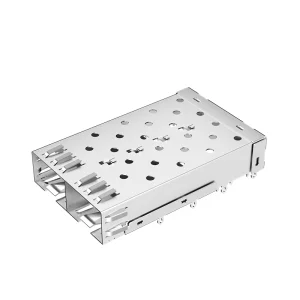
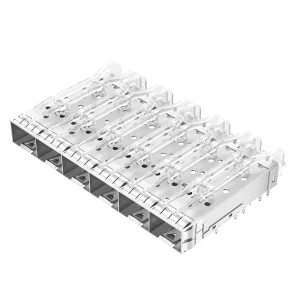
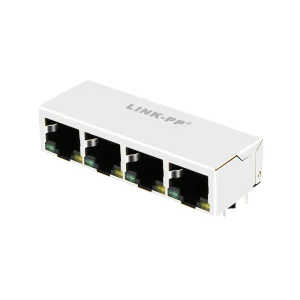
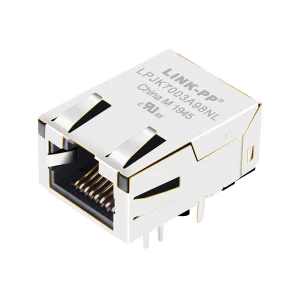
In the modern telecom and cloud datacenter hierarchy, high-speed copper interconnect components like RJ45 gender changers (couplers) represent critical links that define structural reliability. Procurement leads in Fortune 500 system integrators, automated assembly setups, and telecom facilities no longer look at gender changers as mere modular hardware. Instead, they represent vital nodes that must sustain continuous 10G transmission, preserve signal margins, and provide galvanic isolation.
Selecting a supplier from the pool of global OEMs requires analyzing structural design capabilities. Factors like contact gold plating thickness, electromagnetic interference (EMI) protection, cross-talk reduction, and return loss tolerances dictate the efficiency of high-density copper installations.
"A minor drop in signal continuity at the connection point can lead to catastrophic packet loss in high-density processing lines. Sourcing certified gender changers guarantees link parameters are maintained."
From telecom central offices to automotive assembly lines, RJ45 couplers enable efficient field adaptations. In industrial settings, mechanical strain and continuous vibration can degrade poorly constructed terminations. Heavy-duty zinc alloy die-cast shielded housings protect signal paths from electromagnetic interference (EMI) caused by neighboring motors and high-voltage power lines.
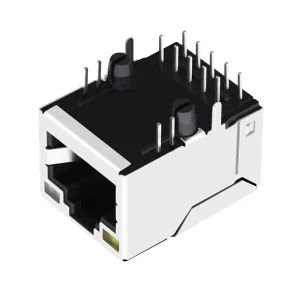
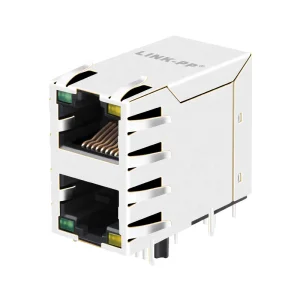
For data centers, high-density patch panels demand ultra-slim, side-by-side feed-through couplers. Standard-sized adapters can crowd nearby interfaces. Using specialized RJ45 female-to-female adapters allows systems engineers to restructure networks without re-routing bulk infrastructure lines.
Established in 2016, Lumetra Optoelectronics Technologies Co., Ltd. is a recognized leader in developing high-speed copper interconnects, SFP cages, and optical transceiver systems. The company supports global datacom, telecom, and cloud infrastructure architectures through advanced manufacturing processes.
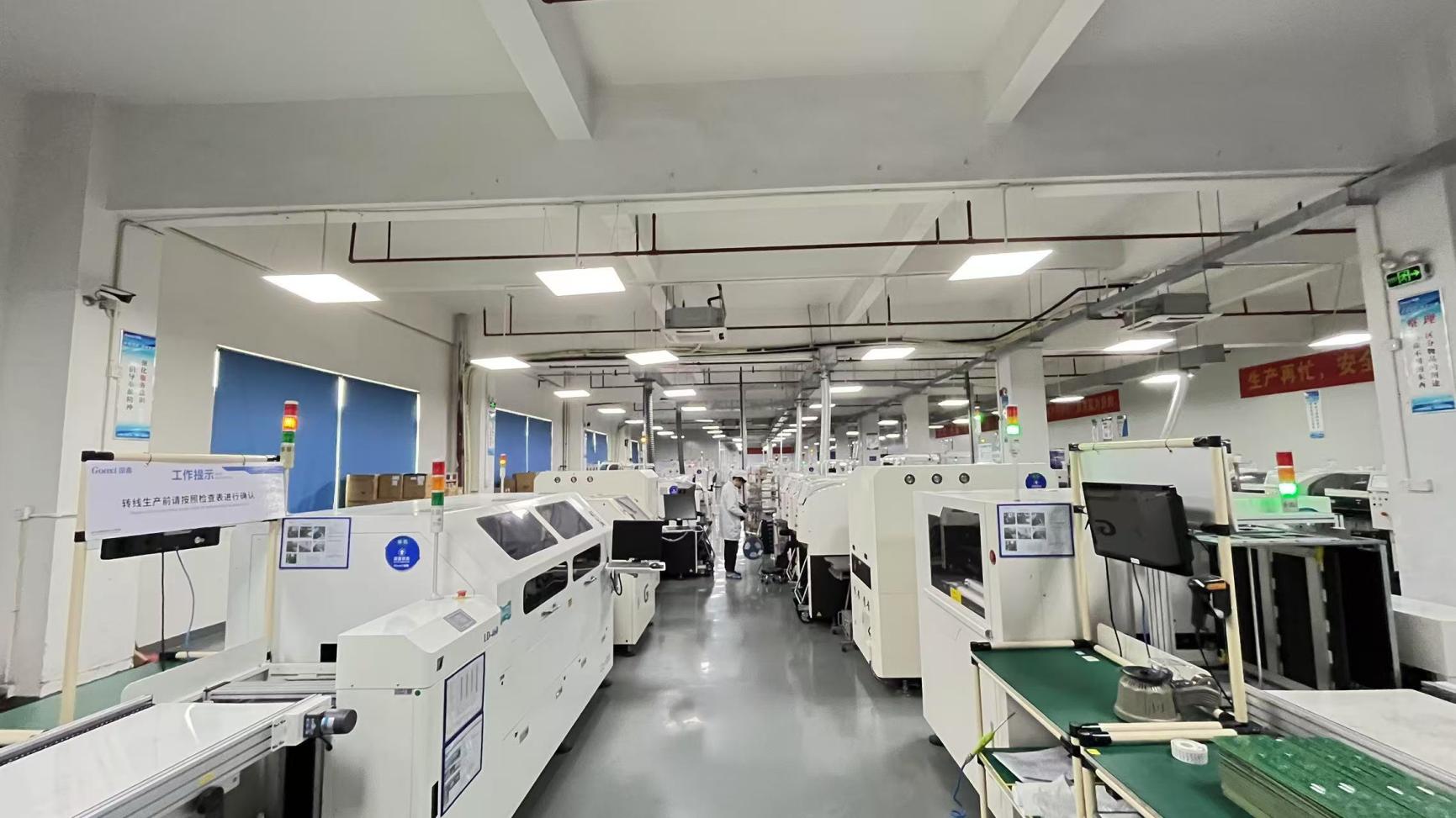
Lumetra's production facility spans 8,500㎡. Operating with strict quality control protocols, the factory delivers high-speed components with stable international supply lines, generating an annual export revenue of USD 18 million. Supported by 7 years of direct export experience and 11 years of industry knowledge, Lumetra continues to expand its global distribution reach.
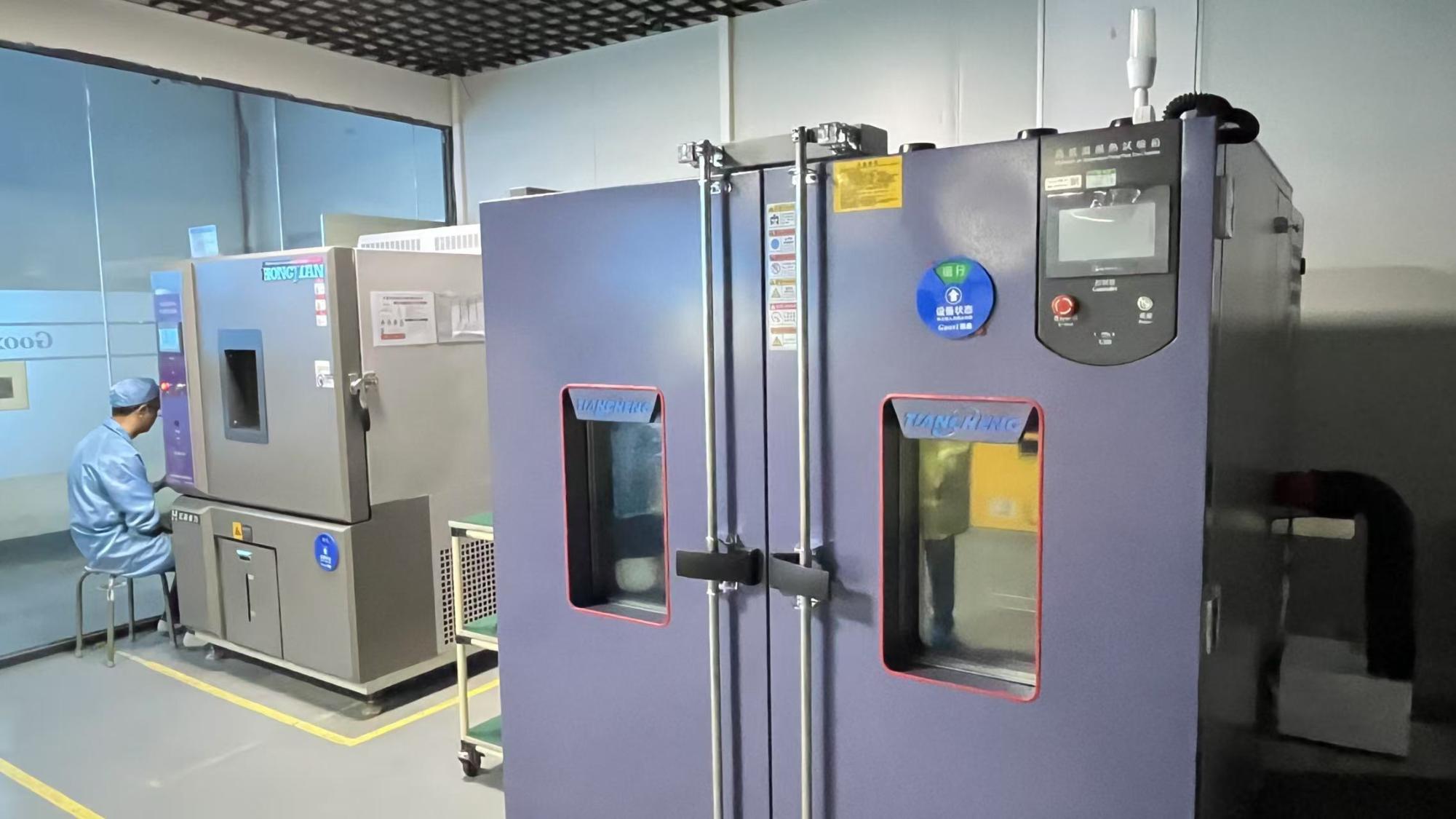
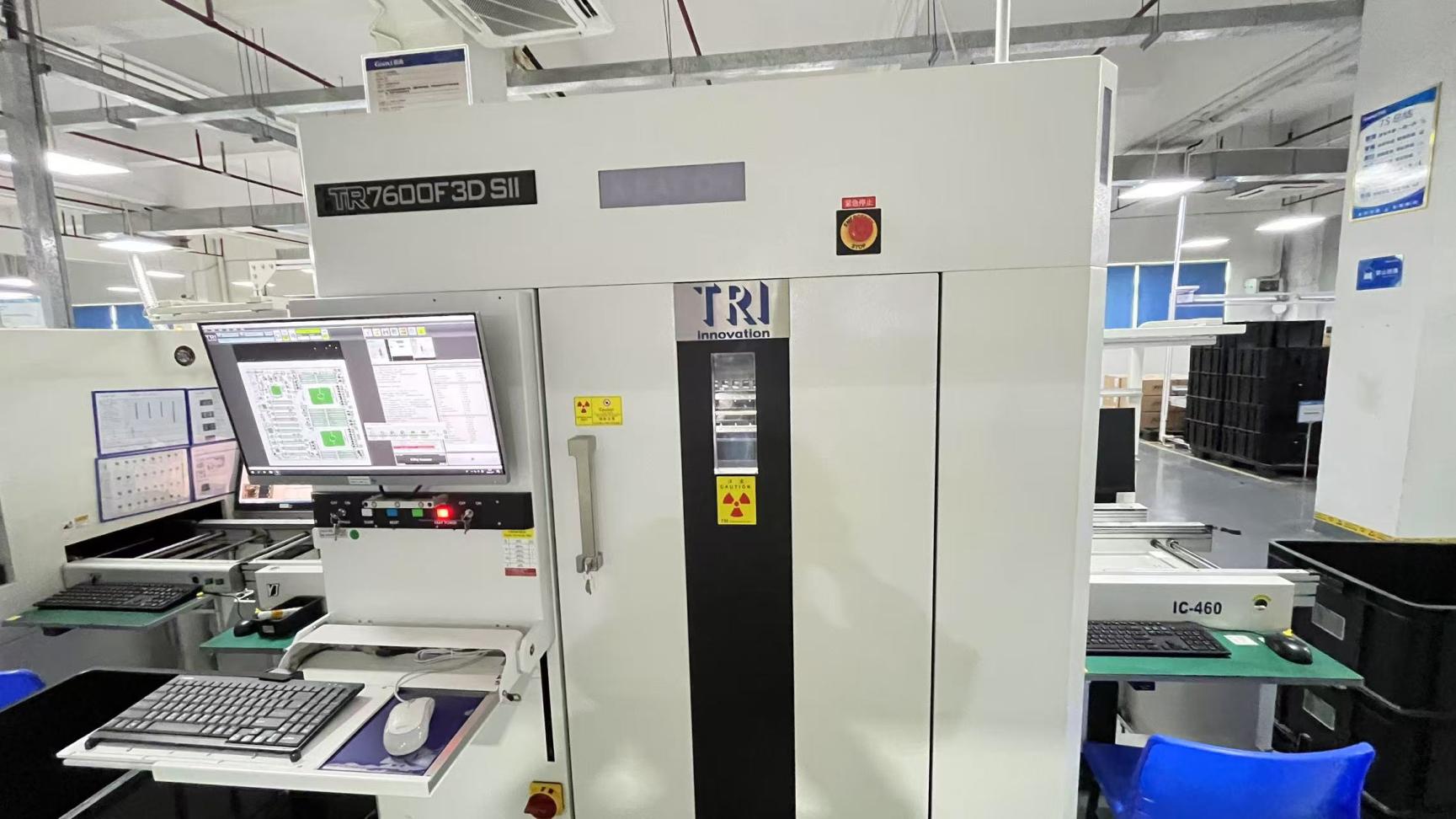
Quality control is managed by a team of 48 trained inspectors. Lumetra uses automated optical alignment, environmental stress screening, and signal integrity testing systems to ensure all products comply with RoHS, REACH, CE, and FCC requirements.
Lumetra's product portfolio is engineered for telecom operators, hyperscale data center projects, and network equipment distributors across North America, Europe, Southeast Asia, and the Middle East. With 86 R&D engineers focusing on signal integrity, thermal dissipation, and protocol alignment, the company launched over 220 new products last year.
By collaborating with more than 1,200 supply chain partners, Lumetra ensures steady raw material sourcing and short lead times. Their custom capabilities allow clients to request modifications in contact layouts, grounding designs, and mechanical housings for rugged environments.

A technical guide to evaluating high-speed copper interconnect suppliers for infrastructure projects.
Top-tier factories use internal PCB shielding to isolate individual channels. Without this separation, adjacent pins suffer from Next-End Cross-Talk (NEXT), reducing data speeds.
Modern applications require Power over Ethernet up to 100W (IEEE 802.3bt Type 4). Reliable connectors must utilize high-grade phosphor bronze pins to prevent overheating during continuous power delivery.
For deployment in enterprise ceilings (plenums) and high-density trays, components must feature self-extinguishing housings to meet building safety codes.
The expansion of edge computing and 5G base stations is driving the need for higher-bandwidth copper connections. While Cat6 (250 MHz) and Cat6A (500 MHz) remain the standards for most office networks, newer data centers are moving toward Cat8 cabling systems, which support bandwidths up to 2000 MHz.
At these frequencies, standard plastic RJ45 couplers fail to contain the signal, resulting in return loss. Next-generation couplers feature die-cast metal enclosures that connect to the cable's drain wire, creating a continuous Faraday cage.
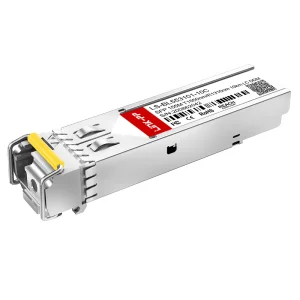
Lumetra's research and development focuses on optimizing signal integrity in these compact form factors. This includes developing hybrid adapters that combine optical fiber media converters with standard RJ45 copper connections, helping bridge the gap between legacy systems and high-speed fiber backbones.
Working with international markets requires strict compliance with global environmental regulations. Leading manufacturers ensure all components undergo screening for hazardous materials to comply with RoHS (Restriction of Hazardous Substances) and REACH directives.
Additionally, component traceability is essential for defense and enterprise installations. Standard factories often struggle to trace batches when performance issues arise. Lumetra uses laser-etched serial numbers on each connector housing to track its production line, operator, and batch testing results.
Customization options extend beyond cosmetic changes. Large projects often require specific grounding tabs, offset mounting flanges for custom faceplates, or integrated status LEDs. Working with an OEM capable of fast prototyping helps speed up project deployment.
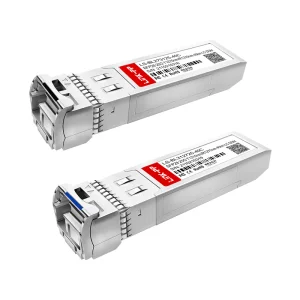
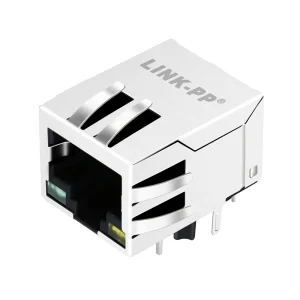
Ensure network reliability with high-speed transceivers, SFP28 modules, and PCB-mount modular jacks.
Detailed technical answers for network architects and procurement specialists sourcing RJ45 systems.